Preventing Low Blood Sugar Episodes
How to Prevent Low Blood Sugar


For people at risk of hypoglycemia, preventing low blood sugar episodes involves more than carrying a sweet snack. Medication choices, regular food access, exercise planning, overnight glucose patterns, impaired warning awareness, technology and caregiver preparation can all affect safety. A single serious low deserves attention even if overall A1C appears well controlled.
Thank you for reading this post, don't forget to subscribe!This BBH guide prioritizes United States recommendations, especially the ADA 2026 Standards, and includes context for UK, Australian and Canadian readers. It separates evidence-based clinical recommendations from habits that depend on personal circumstances. It does not provide individual insulin dosing or replace emergency care.
What Is a Low Blood Sugar Episode?
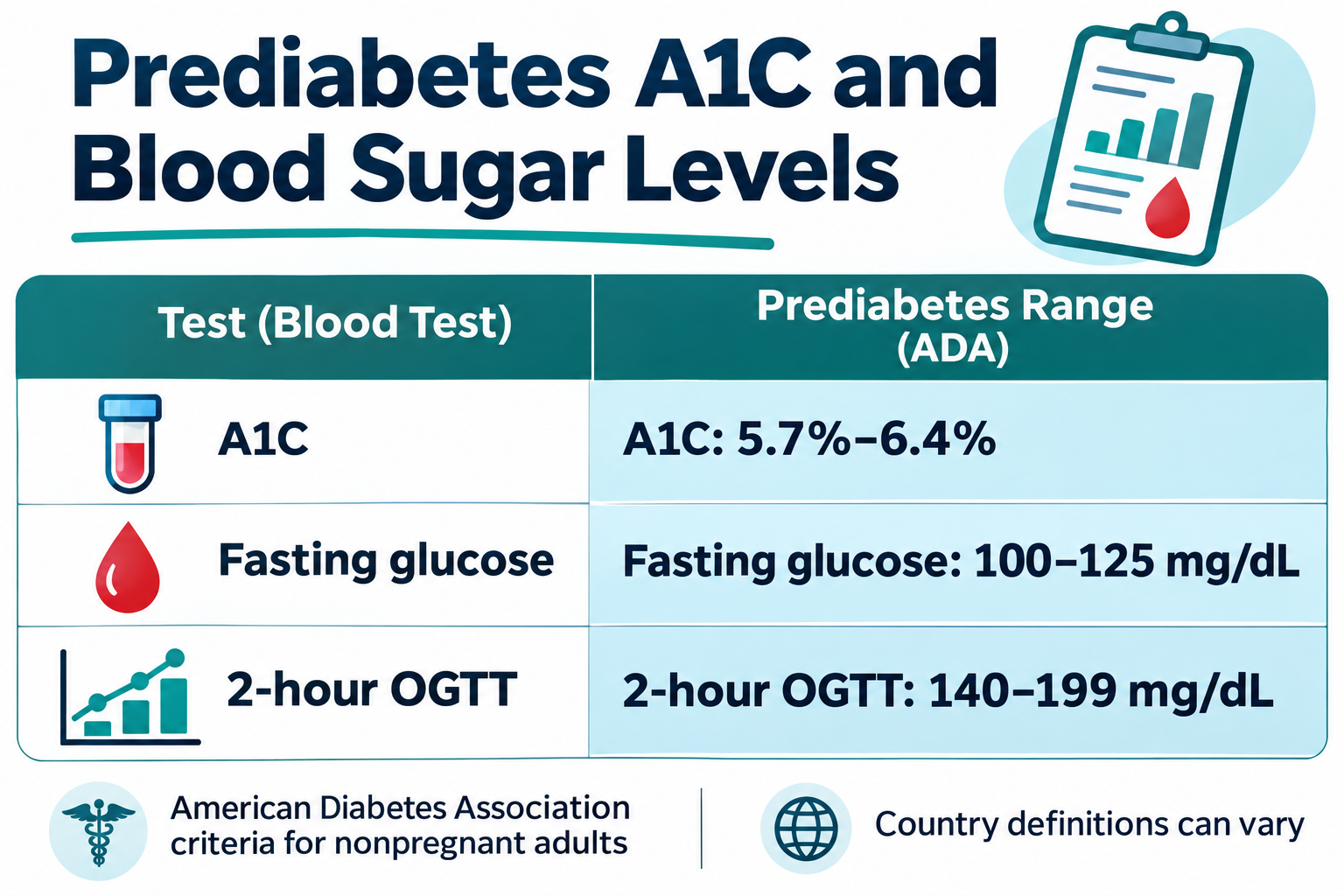
Hypoglycemia means that glucose has fallen below a safe or agreed range. For many people with diabetes, an alert threshold is below 70 mg/dL (3.9 mmol/L). The 2026 ADA Standards distinguish level 1 (below 70 but at least 54 mg/dL), level 2 (below 54 mg/dL or 3.0 mmol/L), and level 3 (a severe episode with altered functioning requiring another person’s help, irrespective of the exact glucose number). These categories guide prevention and follow-up.
People without diabetes can occasionally experience low glucose for other medical reasons, but this article concentrates on episodes linked to diabetes treatment. The goal is not to keep glucose artificially high at all times. It is to minimize clinically important lows while achieving safe, individualized glucose goals and preserving everyday quality of life.
| ADA category | Blood glucose | Why it matters |
|---|---|---|
| Level 1 | Below 70 and at least 54 mg/dL | Early alert requiring appropriate treatment |
| Level 2 | Below 54 mg/dL | Clinically significant; treatment reassessment |
| Level 3 | Severe episode requiring assistance | Emergency response, regardless of number |
Who Is Most at Risk of Hypoglycemia?
Insulin users and people taking medicines that increase insulin release, especially sulfonylureas and meglitinides, are at increased risk. Prior severe episodes, impaired awareness of lows, kidney disease, frailty, inconsistent food access, cognitive problems or living alone may increase vulnerability. Risk can change when another medication is started or a person becomes ill.
Type 1 diabetes often involves continuous insulin treatment, making hypoglycemia planning particularly important. Many people with type 2 diabetes who use medicines such as metformin alone have a much lower medication-related hypoglycemia risk, although medicines, illness and comorbidities still need individual assessment.
Preventing Low Blood Sugar Episodes Starts With Finding Triggers
Why Do Low Glucose Episodes Keep Happening?
A mismatch between insulin action, food, liver glucose supply and physical activity is a common mechanism. A person might inject a usual mealtime insulin dose then delay lunch, or take a sulfonylurea despite a smaller appetite. Extra activity, alcohol, changed kidney function, unintended dosing duplication and injection or pump-setting problems can also contribute.
The same trigger does not affect everybody equally. A fast walk, unusually early dinner, prolonged gardening or recovery from illness may have a stronger effect when medication is active. Reviewing repeated patterns with a clinician is safer than assuming every episode has one simple cause such as eating insufficient sugar.
Why Hypoglycemia Happens: Main Triggers
Planned infographic placement — image alt: Medical infographic showing insulin action, missed meals, exercise, reduced kidney function and alcohol as hypoglycemia contributors
Insulin, Sulfonylureas and Medication Review
Different insulin formulations have different onset and duration, and an individual’s needs can change with weight, illness, activity, eating patterns or kidney function. Sulfonylureas such as glipizide and gliclazide increase insulin release and may cause prolonged hypoglycemia, especially when meals are missed. Other medications generally have different intrinsic risks.
The ADA 2026 Standards recommend reassessing the treatment plan after a level 2 or level 3 low, including considering safer medications or reduced treatment intensity when appropriate. Patients should not self-adjust prescribed insulin or discontinue essential medication based on general advice; clinicians should examine the reason for the episode and the overall treatment burden.
For many families, preventing low blood sugar episodes requires consistent access to meals and a medication plan that allows for real-life delays.
Meal Timing, Fasting and Food Insecurity
Regular food access is an important part of safe diabetes management. Skipped meals, a delayed restaurant reservation, illness-related nausea, religious fasting, food insecurity or an unpredictable work schedule may create a mismatch between carbohydrate intake and glucose-lowering medication. A balanced snack or adjusted treatment plan may sometimes be needed, but not every patient requires identical meal intervals.
People taking insulin should ask their diabetes team how to handle delayed food, an unexpectedly small meal, or planned fasting. Access to appropriate food and emergency carbohydrates matters more than strict adherence to a fashionable diet. Financial stress can be a direct barrier to safe diabetes routines and deserves nonjudgmental discussion.
Related BBH reading: Exercise and Blood Sugar: Safety Tips.
Exercise, Walking and Delayed Lows
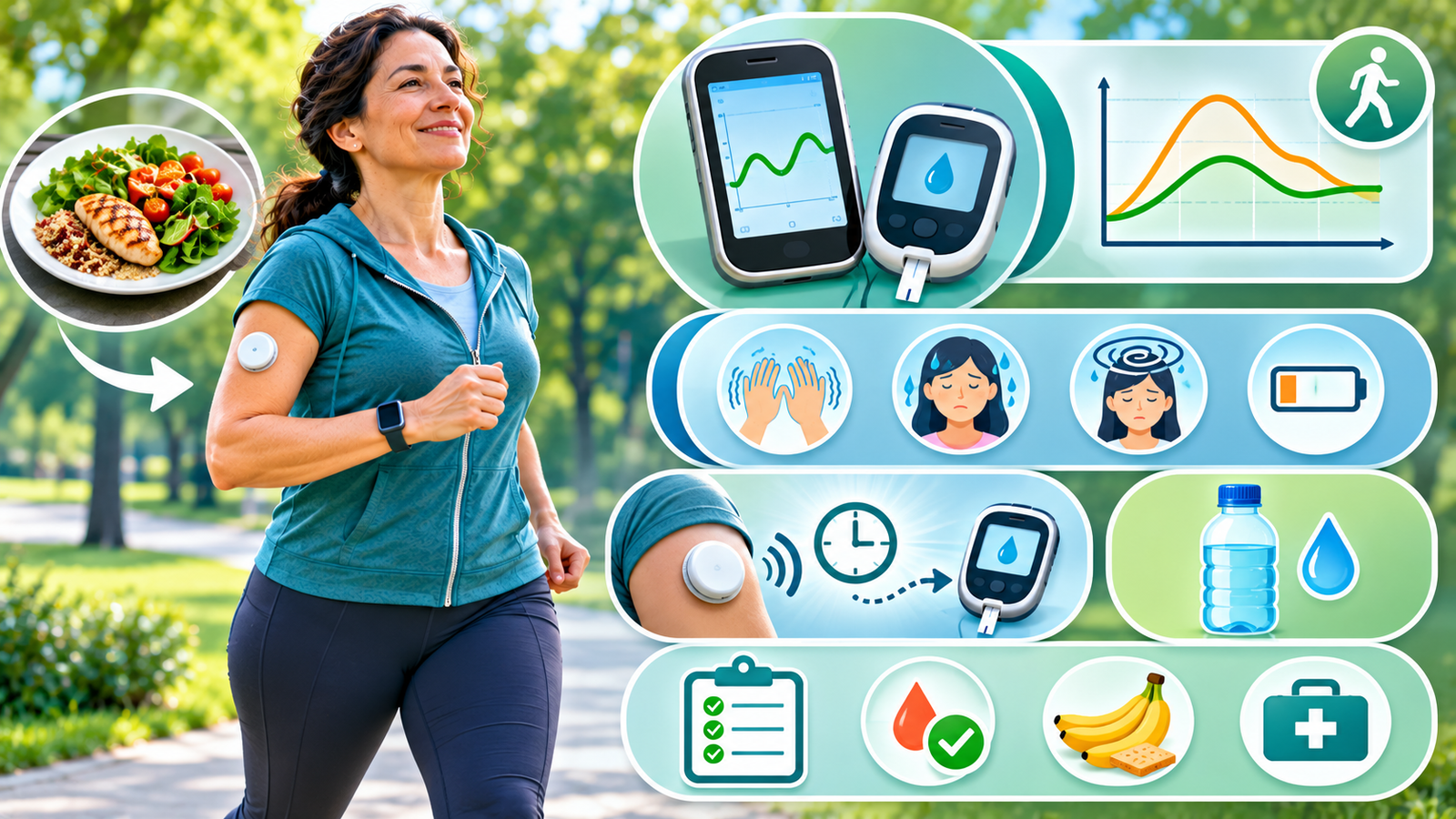
Physical activity allows muscles to use more glucose and may improve insulin sensitivity for hours afterward. Insulin-treated people can experience lows during activity, after a workout or overnight following an active day. The risk depends on intensity, duration, recent meals, insulin action and individual fitness.
A personalized activity plan can include checking glucose when indicated, carrying fast-acting carbohydrate, and discussing medication or food adjustments with the care team. Intense activity sometimes raises glucose temporarily; an immediate sensor rise does not eliminate the possibility of a delayed low. Avoid making an unscheduled correction based solely on an exercise-related arrow.
Related BBH reading: Sleep and Blood Sugar: What Research Says.
A personalized approach to preventing low blood sugar episodes overnight considers earlier exercise, medications and reliable sensor information.
Why Hypoglycemia Happens During Sleep
Overnight lows may follow prolonged exercise, alcohol intake, a lighter-than-usual dinner, changes in insulin delivery or other medication effects. Some people wake sweating or with a headache; others sleep through a low without obvious warning. Sleeping partners may notice unusual behavior or difficulty waking, but these symptoms do not prove hypoglycemia without appropriate assessment.
CGM alarms can help some users detect overnight drops. A clinician may review bedtime-to-waking patterns, sensor reliability, individualized glucose targets and prescribed treatment. People experiencing recurrent nocturnal hypoglycemia need timely review; automatically eating large bedtime snacks or changing basal insulin without professional guidance may create other problems.
Nighttime Lows, CGM Alerts and Impaired Awareness
Planned infographic placement — image alt: Conceptual CGM glucose patterns showing delayed overnight hypoglycemia and possible pressure-related sensor false lows, with warning symptoms and safety actions
Preventing Low Blood Sugar Episodes With Reduced Awareness
When Warning Symptoms Disappear: Impaired Awareness
Repeated hypoglycemia can reduce the body’s warning symptoms, so a person may no longer feel shaky or sweaty before glucose becomes dangerously low. This is called impaired awareness of hypoglycemia. It is not a failure of motivation, and it deserves clinical attention even if average A1C looks acceptable.
ADA recommendations advise referral for evidence-based interventions to improve awareness. Individualized steps may include carefully reducing exposure to low glucose, structured education, technology and appropriate target adjustment. Patients should promptly tell their clinician if familiar warning symptoms have changed, particularly before driving or operating equipment.
Related BBH reading: Low Blood Sugar: Symptoms and Treatment.
Symptoms That Should Never Be Ignored
Early symptoms may include shaking, sweating, palpitations, sudden hunger, tingling, irritability, headache or dizziness. As glucose falls further, concentration, vision, speech and coordination may deteriorate. Severe episodes can cause seizures, unconsciousness or inability to swallow safely.
Anxiety and panic can resemble hypoglycemia, especially with palpitations and trembling. If an individual is at risk for lows, checking glucose according to their care plan helps distinguish possible causes; a panic explanation should not delay treatment of a suspected serious low. Some people have few symptoms, making accessible monitoring and caregiver planning essential.
What to Do If Glucose Is Already Low
For an alert person able to swallow, CDC guidance describes treating glucose below 70 mg/dL using 15 grams of fast-acting carbohydrate, waiting 15 minutes and rechecking, repeating as needed. Individual care plans may differ, and children or people using automated insulin-delivery technology may have different treatment needs. Glucose tablets or measured sugary beverages can work, whereas foods high in fat may act more slowly.
After recovery, consider whether a snack or meal is needed before the next scheduled food, especially if insulin remains active. Repeated or persistent lows, severe symptoms or uncertainty about the cause warrant medical advice. This treatment information cannot substitute for individualized emergency instructions.
Preventing Low Blood Sugar Episodes Through Emergency Preparedness
Glucagon and Caregiver Emergency Preparation
The ADA 2026 Standards recommend glucagon for people taking insulin or otherwise at high risk for hypoglycemia. Ready-to-use products may make emergency treatment easier, but a prescription and device-specific training are important. A family member, colleague or trusted caregiver should know where the glucagon is stored, how to use the supplied product and how to summon urgent medical help.
When someone is unconscious, having a seizure or unable to swallow, do not give food or drink by mouth. Seek emergency assistance and give prescribed glucagon according to training. Recovery still requires prompt medical evaluation according to emergency guidance because some medicines can cause recurrent or prolonged lows.
Related BBH reading: Time in Range: What Your CGM Shows.
CGM Alarms, Time Below Range and False Lows
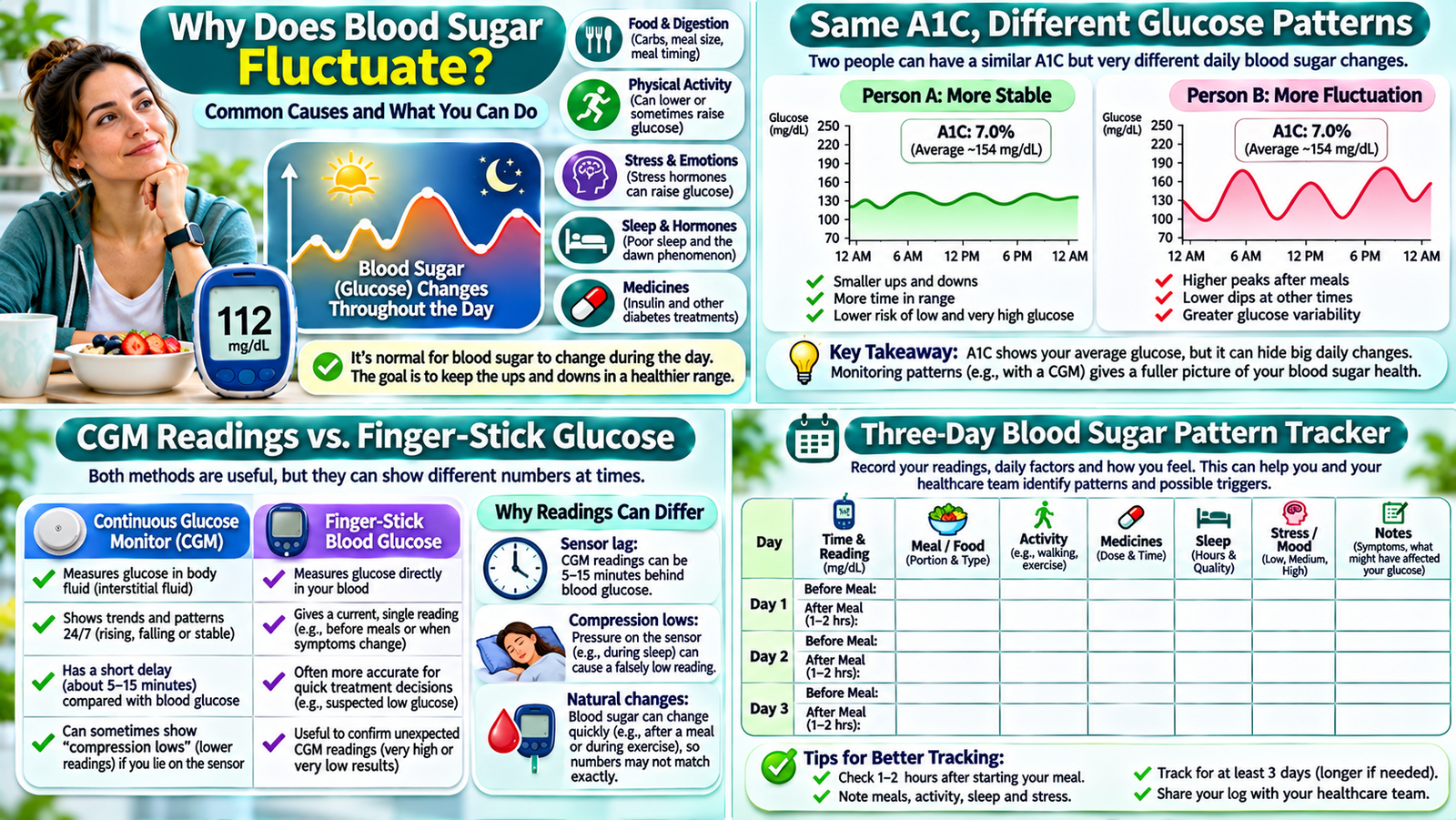
CGM can show patterns that isolated finger-stick readings miss, including time below range and overnight episodes. However, sensors measure interstitial fluid, which may lag behind blood glucose during rapid changes. Pressure on the sensor during sleep can produce an apparent compression low, and device or adhesion issues may also distort readings.
Follow manufacturer guidance for confirmation by blood glucose meter when symptoms disagree with the displayed value. Avoid silencing repeated alarms without assessing why they occur. CGM trends cannot diagnose the cause of a low or replace an individualized insulin and safety plan; they are useful evidence for a treatment conversation.
Driving, Work and Other Safety-Critical Activities
Hypoglycemia can impair judgment, reaction time and coordination. People who use insulin or have a history of significant lows should understand applicable local monitoring rules before driving. Never continue driving when low glucose or symptoms impair safety; stop in a safe place and follow the recommended treatment and driving-restart rules.
The UK DVLA has specific requirements for insulin-treated drivers and those with impaired hypo awareness. US state requirements, employer safety policies and licensing rules elsewhere differ. Warehouse work, swimming alone, working at heights and operating machinery also warrant individualized planning and convenient access to emergency treatment.
Alcohol, Illness and Unexpected Glucose Drops
Alcohol can impair the liver’s ability to release glucose, increasing the chance of delayed hypoglycemia, particularly for people using insulin or sulfonylureas. Effects can continue overnight or into the next day. Intoxication may also obscure warning signs, making it harder to recognize or manage a low.
Vomiting, diarrhea, reduced intake and kidney problems can likewise change glucose needs and medication safety. If eating or drinking normally becomes impossible, a written sick-day plan and timely clinician advice are essential. Do not assume that illness will always produce only high glucose.
Financial Stress, Mental Health and Diabetes Distress
Anxiety, financial insecurity, relationship arguments, grief or overwhelming work commitments may disrupt food intake, sleep, activity and medication routines. Stress hormones may increase glucose in some situations, but missing meals while medication remains active can have the opposite effect. This combination explains why a person may notice unpredictable highs and lows during a difficult period.
A supportive treatment plan should acknowledge access to prescriptions, regular meals, safe transport and mental-health care. Fear of hypoglycemia may lead some people to run glucose deliberately high or avoid exercise. Counseling and diabetes education may help restore confidence without blaming the person for readings beyond their control.
Kidney Disease, Older Age and Changing Insulin Needs
Reduced kidney function can affect insulin clearance and the handling of certain diabetes medicines, sometimes making episodes more likely or longer-lasting. Changes in appetite, weight, strength, cognition or the ability to recognize symptoms can also complicate care in older adults. A previous dose may no longer match current needs.
For someone with frailty or multiple health conditions, avoiding severe lows may justify different glycemic targets or simpler regimens. Treatment should be tailored with a clinician and caregiver as appropriate, rather than pursuing an unusually low A1C at the expense of safety or independence.
Can Automated Insulin Delivery Prevent Every Low?
Continuous glucose monitoring, predictive alerts and automated insulin delivery can reduce hypoglycemia exposure in many eligible users, particularly people with type 1 diabetes. These tools are valuable but not infallible. Sensor delay, infusion-set failure, exercise, alcohol and changing food intake can still cause unexpected episodes.
Technology access and insurance coverage differ across regions. Choose devices with professional guidance, learn how to respond when alerts are inaccurate and maintain backup supplies. No brand or technology should be presented as a complete solution to all severe lows.
Related BBH reading: Managing Blood Sugar: Daily Habits.
Nine Practical Habits for Preventing Low Blood Sugar Episodes
A realistic prevention routine begins with knowing your personal risk from medicines and previous episodes. Keep fast-acting glucose accessible, follow the agreed schedule for treatment and food, plan for activity, and carry diabetes identification where appropriate. Ask how to respond to planned fasting, illness, travel and alcohol exposure.
Review readings or CGM trends for recurring patterns rather than reacting to every isolated result. Keep emergency glucagon available if indicated, train a trusted contact, and arrange a treatment review after significant or repeated lows. Do not tighten glucose targets, double up missed tablets or improvise insulin corrections as a response to stress.
| Situation | Preventive action to discuss | Key caution |
|---|---|---|
| Missed or delayed meal | Food and medication timing plan | Do not guess insulin changes |
| Exercise | Check and carry carbohydrate if advised | Delayed low possible |
| Travel or driving | Supplies, monitoring and safe-stop plan | Follow local licensing requirements |
| Overnight lows | Review CGM trend and medicine coverage | Compression low possible |
| Previous severe low | Medication review, glucagon and support | Do not wait for repeat events |
Three-Day Hypoglycemia Prevention and Trigger Tracker
For a short review, note the time of each low or suspected episode, whether it was confirmed by a meter, symptoms, meals, medicines, exercise, sleep and stress. Record the treatment used and whether glucose recovered according to the plan. Also note days with no lows so the team can see what was different.
This is a conversation aid, not a mandate to test excessively. For people with frequent or severe hypoglycemia, do not wait three days to seek help: contact the clinical team promptly. A shared review can uncover recurring causes such as overlooked exercise, medicine timing or inadequate food access.
| Day | Low/symptom time | Food and medicine context | Activity, sleep, stress | Action and follow-up |
|---|---|---|---|---|
| Day 1 | ||||
| Day 2 | ||||
| Day 3 |
Three-Day Low Blood Sugar Prevention Tracker
Planned infographic placement — image alt: Three day diabetes worksheet for glucose lows, symptoms, medicine timing, meals, movement, sleep, treatment and support contacts
Guidance in the USA, UK, Australia and Canada
In the United States, ADA 2026 guidance emphasizes hypoglycemia classification, structured education, glucagon for eligible patients, treatment reevaluation after significant lows and consideration of CGM. The CDC describes the 15-15 approach for appropriate awake patients and emphasizes emergency care when a person cannot swallow safely.
Diabetes UK and the NHS use the familiar ‘hypo’ terminology and include driving and activity precautions. Australia’s NDSS advises carrying a hypo kit and following a personalized plan. Diabetes Canada provides clinical guidelines and local educational resources. UK, Australian and Canadian materials commonly use mmol/L, while many US readings use mg/dL; 70 mg/dL is approximately 3.9 mmol/L.
Frequently Asked Questions About Recurrent Low Glucose
Can I have lows even with a good A1C? Yes; averages can hide time spent below range. Can exercise cause a low hours later? Yes, particularly with insulin. Are low readings during sleep always real? No; sensor compression can occasionally cause false alerts. Can anxiety symptoms be mistaken for low blood sugar? Yes; confirm when indicated.
Should I stop insulin after a low? Do not independently stop essential insulin; seek individualized advice. Are lows possible if I take only metformin? Medication-related hypoglycemia is uncommon with metformin alone, but symptoms require assessment. When should the treatment plan be reviewed? After a clinically significant episode or recurrent lows, urgently if severe.
Five Related BBH Articles and Support
Medical Research Sources and Disclaimer