Weight and Type 2 Diabetes Prevention
Weight Loss and Type 2 Diabetes Prevention


Weight and type 2 diabetes prevention are closely connected, but weight is not the only cause of diabetes—and a healthy plan is not simply about becoming thinner. Body-fat distribution, family history, insulin sensitivity, activity, sleep, medications, age and metabolic health all influence risk. For many adults with prediabetes and overweight or obesity, a modest sustained reduction in body weight can meaningfully lower the likelihood of developing type 2 diabetes.
Thank you for reading this post, don't forget to subscribe!The strongest research comes from structured diabetes-prevention programs that combine practical nutrition strategies, physical activity and ongoing behavioral support. This BBH guide focuses on US American Diabetes Association (ADA) 2026 standards while comparing guidance and access options in the UK, Canada and Australia. It also explains why weight-loss targets should not be imposed on everyone and how to measure progress beyond the scale.
Weight and Type 2 Diabetes Prevention: The Essentials
Type 2 diabetes generally involves insulin resistance and insufficient insulin production relative to the body’s needs. In some people, excess fat around internal organs can contribute to metabolic disturbances, but the relationship is more complex than one BMI category. Two people at the same weight may have different levels of glucose risk, and people without excess weight can still develop diabetes.
Weight management for prevention means supporting health in a sustainable way. It may include improving meal quality, movement, muscle strength, sleep, medication review and, for some, structured weight reduction. The most useful target is one a clinician and patient can agree on safely and sustain over time.
A glucose test, blood-pressure review and discussion of family history often provide more actionable information than appearance alone. For readers already diagnosed with diabetes, this prevention article does not replace a personalized diabetes treatment plan.
Why Does Body Weight Affect Type 2 Diabetes Risk?
Excess visceral adipose tissue—the fat stored around abdominal organs—is often associated with inflammation, changes in fatty-acid handling and decreased insulin sensitivity. The pancreas may compensate by increasing insulin secretion, but glucose can rise when insulin supply no longer meets metabolic needs. Yet this sequence varies: genetic susceptibility, beta-cell function and metabolic factors remain important.
BMI is a useful population-level measure but cannot tell how much visceral fat or muscle someone has. Waist circumference, weight trajectory and clinical markers may add information, while their interpretation depends on sex, age, ancestry and other factors. For example, ADA 2026 diabetes screening recommendations use a lower BMI threshold for people of Asian ancestry in relevant risk-based circumstances.
Weight stigma can undermine healthcare and prevent people from attending appointments. Effective prevention uses respectful, person-centered language and considers food access, medicines, physical limitations and psychosocial circumstances rather than assuming someone lacks willpower.
What Research Shows About Weight Loss and Diabetes Prevention
In the original US Diabetes Prevention Program (DPP), intensive lifestyle intervention reduced progression to type 2 diabetes by approximately 58% over about three years compared with placebo among adults at high risk. The intervention included regular coaching, nutrition changes, physical activity and a feasible weight-reduction goal, not simply instructions to “eat less.” The percentage is a group-level relative risk reduction—not a promise of an individual’s result.
The DPP originally targeted around 7% reduction from starting body weight and at least 150 minutes of moderate-intensity activity each week. Current ADA 2026 prevention guidance commonly recommends at least 5–7% for suitable high-risk adults with overweight or obesity. Some participants gained metabolic and physical-activity benefits even without achieving the exact scale target.
Randomized lifestyle trials in other countries have also supported delaying or reducing type 2 diabetes risk through practical, sustained behavior change. Evidence is stronger for structured lifestyle interventions than for a marketed “fat-burning” food or supplement. Programs should support maintenance because weight regain and glucose-risk changes are possible.
How Much Weight Loss Helps Prevent Type 2 Diabetes?
A 5–7% goal can be easier to understand through examples. It represents a proportion of initial weight, not a fixed number of kilograms that everyone must lose. Use the following figures only to illustrate the arithmetic—not as a personal prescription.
| Starting weight | 5% reduction | 7% reduction |
|---|---|---|
| 60 kg | 3 kg | 4.2 kg |
| 75 kg | 3.75 kg | 5.25 kg |
| 90 kg | 4.5 kg | 6.3 kg |
| 100 kg | 5 kg | 7 kg |
If an adult begins at 90 kg, 5% corresponds to 4.5 kg and 7% to 6.3 kg. Whether weight reduction is appropriate depends on health, age, body composition, pregnancy status, nutritional risk and medical advice. Do not use a percentage to justify unsafe fasting or a very-low-calorie diet.
Weight loss is not the sole measure of success. Better glucose values, stronger muscles, fitness, blood pressure, sleep and sustained habits are meaningful outcomes. For more about glucose-defined risk, see Prediabetes Blood Sugar and HbA1c Levels.
Can You Lower Diabetes Risk Without Losing Weight?
When discussing weight and type 2 diabetes prevention without weight loss, physical activity can improve insulin sensitivity and cardiometabolic health even when weight stays relatively stable. Higher-quality meals, reducing sugary beverages, improved sleep and blood-pressure management can matter independently of substantial weight change. Weight loss is not an appropriate goal for everyone.
People who are already lean or have low body weight may have risk related to genetics, visceral adiposity, past gestational diabetes, PCOS or other medical conditions. An individual with significant risk factors should not be falsely reassured by a “normal BMI.” Equally, a higher BMI does not establish a diabetes diagnosis.
Screening should be based on validated clinical criteria. The ADA recommends general adult screening beginning at age 35, with earlier screening for people with relevant risk factors. A healthcare professional can advise on appropriate HbA1c, fasting glucose or oral glucose tolerance testing.
Nutrition for Weight and Type 2 Diabetes Prevention
For weight and type 2 diabetes prevention, Mediterranean-style, DASH, plant-forward and appropriately planned lower-carbohydrate patterns can all contribute to metabolic health. The common features often include nonstarchy vegetables, whole fruit, legumes, high-fiber grains, nuts, seeds, healthy fats and adequate protein. Reducing sugary drinks and frequent heavily processed snacks can be particularly practical.
The plate approach can simplify meals: include plenty of nonstarchy vegetables, an appropriate protein and a comfortable portion of carbohydrate such as oats, lentils, brown rice, whole-grain bread or potato. Food portions depend on energy needs and personal goals. Rice or fruit does not need to be banned to reduce diabetes risk.
For those pursuing gradual weight reduction, small sustainable adjustments—such as fewer sugary beverages, eating more satisfying high-fiber foods and planning regular meals—may be more maintainable than restrictive diets. Ensure adequate protein, especially during weight change, and consider referral to a registered dietitian when meals are difficult to plan.
Cost matters. Dried beans, seasonal produce, frozen vegetables, oats, eggs, tofu and other accessible staples can make a useful plan without expensive “diabetic” products. For recipes and a seven-day example, visit Prediabetes Diet: Foods and Planning.

Physical Activity, Muscle and Weight Management
Movement contributes to diabetes prevention beyond calories burned. Working muscles use glucose, regular activity supports insulin sensitivity, and resistance training can help preserve muscle during weight loss. Walking, cycling, swimming, dancing and home exercises can all play a role when medically appropriate.
Build toward 150 minutes of moderate activity weekly if suitable, starting below that if needed. For many people, three 10-minute walks or short movement breaks are more achievable than a demanding exercise schedule. Regular activity may also support blood pressure, mood and sleep.
Resistance exercises such as supervised weights, resistance bands or sit-to-stand movements can support muscle strength and physical function. The appropriate routine should consider mobility, balance, cardiovascular symptoms and any diabetic foot problems. Severe pain, dizziness or shortness of breath during exercise warrants clinical assessment.
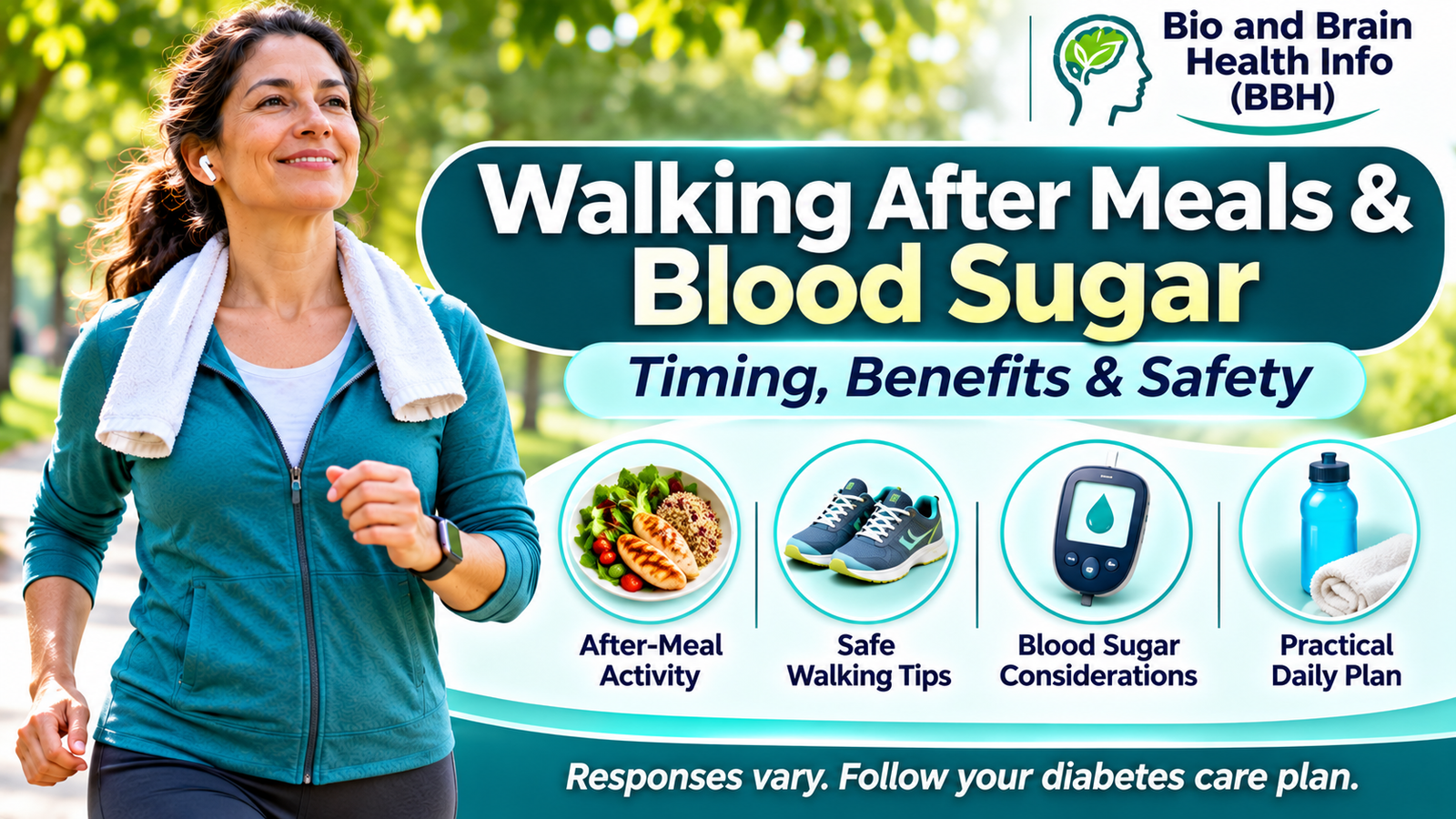
Short walks after meals may help with post-meal glucose patterns, but they do not replace routine medical care. BBH’s Walking After Meals and Blood Sugar guide explains practical timing and precautions.
BMI, Waist Circumference and Blood Sugar Screening
In weight and type 2 diabetes prevention, weight and BMI are screening measures, not diagnoses. Waist circumference can add context about abdominal adiposity, while blood pressure, lipids, glucose and family history provide a broader cardiometabolic picture. Clinicians may use local thresholds for different population groups.
Under US ADA criteria, prediabetes may be identified by HbA1c 5.7–6.4%, fasting plasma glucose 100–125 mg/dL or two-hour 75-g oral glucose tolerance test 140–199 mg/dL. Country-specific thresholds differ for the intermediate range. Pregnancy and conditions affecting HbA1c reliability require different interpretation.
People with prediabetes are generally monitored for diabetes progression at least annually under ADA guidance. A home glucose meter should not be used alone to diagnose prediabetes. Results in the diabetes range without unequivocal symptoms usually need confirmatory laboratory testing.
Sleep, Stress and Medications: Beyond Calories
Poor sleep, sleep apnea, shift-work disruption, chronic stress and certain medicines can complicate glucose regulation or appetite. These issues deserve attention alongside food and movement. People taking glucocorticoids, some psychiatric medicines or other medications linked with metabolic changes should discuss monitoring with their prescriber.
Do not independently stop psychiatric, steroid or other prescribed medication because of possible weight gain. A clinician can consider the benefits of treatment, alternative options when appropriate, and practical strategies to monitor glucose and weight-related changes. Sleep-apnea symptoms, such as loud snoring and daytime sleepiness, may warrant assessment.
Psychological and practical factors influence weight management. A respectful, nonpunitive approach is particularly important for people with disordered eating histories or who experience distress around weighing. The goal is sustained health behavior, not repeated restrictive cycles.
Why Structured Support Beats Weight-Loss Tricks
Weight and type 2 diabetes prevention benefits from ongoing support: the DPP used regular coaching, self-monitoring and problem-solving, which helps explain why a structured program is more than a meal chart. In the US, CDC-recognized National Diabetes Prevention Program providers may offer in-person or online options. Ask about eligibility, costs, accessibility and whether a program can accommodate cultural food preferences.
Useful support may include a dietitian, primary-care team, exercise professional and behavior coach. Tracking can be limited to meaningful items such as activity consistency, meal preparation or scheduled checkups. Intensive weight tracking is not necessary or psychologically appropriate for every reader.
A good prevention plan identifies the next follow-up date and barriers that need solving, including transport, food affordability, safe movement and family responsibilities. Consistency is more valuable than buying another unvalidated weight-loss device.
When Are Weight-Management Medicines Considered?
Medicines for weight management or diabetes-risk reduction may be appropriate for some people with obesity or other medical indications, after individual assessment of benefits, risks, eligibility, access and preferences. These include prescription treatments that require monitoring; they are not interchangeable with supplements or appropriate for every adult with prediabetes.
Some patients may be considered for metformin to reduce type 2 diabetes risk, especially those with higher risk profiles such as previous gestational diabetes or certain elevated glucose and BMI characteristics. This is a prescribing decision. Metformin does not guarantee prevention and may have side effects or require B12 and kidney-function considerations.
Metabolic surgery may be considered in selected people with obesity and significant comorbidities under specialist guidance, but is not a routine intervention for every person with elevated glucose. Claims that a weight-loss medicine or surgical procedure permanently “cures” diabetes risk should be treated cautiously.
Twelve-Week Weight and Type 2 Diabetes Prevention Plan
| Period | Practical actions | What to monitor |
|---|---|---|
| Weeks 1–2 | Review medical risks and your usual eating/activity routines. Replace one sweetened drink with an unsweetened choice. | Laboratory testing plan, food access, realistic starting habits |
| Weeks 3–4 | Add higher-fiber foods and aim for short regular movement sessions. | Meals that feel sustainable, mobility needs, energy |
| Weeks 5–8 | Gradually extend moderate activity and try suitable strength movements. | Activity consistency, sleep and barriers |
| Weeks 9–12 | Review progress with a clinician or coach, revise goals and schedule follow-up. | Blood pressure, labs when indicated, next appointments |
This plan is an educational starting point, not a personal prescription or promise of a specific weight change by week 12. Individuals with pregnancy, active illness, substantial disability or specific medication needs should work with a qualified professional to adapt it.

Content Gaps Many Diabetes Weight-Loss Articles Miss
1. Weight loss is not the goal for everyone
People with lower body weight may have significant diabetes risk, while those with frailty, eating disorders, pregnancy or inadequate nutrition may be harmed by unnecessary weight reduction. The best plan follows the individual’s health needs.
2. Weight is not the same as metabolic health
Body composition, abdominal adiposity, blood pressure, lipids, activity, liver health and glucose matter beyond kilograms or pounds. A person can become fitter and improve metabolic markers without dramatic change on the scale.
3. Avoid confusing prevention with diagnosed diabetes treatment
The goals and medication decisions for adults with prediabetes differ from those with established type 2 diabetes. A person already living with diabetes needs treatment decisions based on kidney function, cardiovascular conditions, glycemic patterns and medication safety.
4. Regain and maintenance are part of the evidence
Weight can return after an intervention. This is not proof that a person failed; it reflects the complexity of appetite, biology and environment. Sustainable support, feasible routines and regular reassessment are more useful than a one-time “challenge.”
5. Social and economic conditions affect outcomes
Transport, shift schedules, caregiving, medication costs, accessible exercise and nutritious food availability affect what is practical. A useful prevention article should explain lower-cost strategies and how to access recognized support—not simply demand discipline.
Weight and Diabetes Prevention in the USA, UK, Canada and Australia
USA: ADA 2026 guidance recommends referral of suitable high-risk adults with overweight or obesity to structured prevention programs targeting at least 5–7% sustained weight reduction and 150 minutes of weekly activity. CDC-recognized National DPP providers may offer online or in-person coaching.
UK: NHS diabetes-prevention programs and NICE risk-reduction guidance can help eligible people with non-diabetic hyperglycaemia. The UK uses different intermediate HbA1c thresholds from the US, so national definitions should guide screening.
Canada: Diabetes Canada and provincial services provide screening and lifestyle resources. Food access, local weight-related assessment practices and testing thresholds may differ from US guidance; ask about eligible nutrition services.
Australia: GPs and accredited practicing dietitians can help with AUSDRISK assessment, appropriate tests and sustainable risk management. Diabetes-prevention programs and eligibility vary by state and region.
Medical Safety: When Weight Changes Need Evaluation
Frequently Asked Questions
How much weight should I lose to prevent type 2 diabetes?
For suitable high-risk adults with overweight or obesity, 5–7% of initial weight is a common evidence-based program goal. The right personal goal may differ.
Can I prevent diabetes without losing weight?
Risk may improve with physical activity, diet quality and other measures even without major weight loss. Screening and individualized advice remain important.
Is 5% weight loss enough to make a difference?
Modest sustained weight reduction can be meaningful for eligible people, especially when combined with activity and behavioral support. It is not a guarantee.
Does belly fat raise diabetes risk?
Visceral or abdominal adiposity is associated with metabolic risk, but family history, insulin secretion and other factors also contribute.
Do people with normal BMI get type 2 diabetes?
Yes. Diabetes can develop at lower body weights, and risk-based screening may still be appropriate.
Should I stop eating rice or bread?
Not automatically. Focus on nutritious portions, fiber, proteins and the overall eating pattern.
Does walking help even if weight stays the same?
Yes. Physical activity can support insulin sensitivity and cardiovascular fitness independent of dramatic weight loss.
Should I take a weight-loss medicine for prediabetes?
Prescription treatment may be considered for specific medical indications, but not routinely for everyone with prediabetes.
Can a doctor prescribe metformin for prevention?
Yes, for selected high-risk adults after individualized evaluation. It is not automatic.
How often should I repeat glucose testing?
ADA guidance generally recommends at least annual follow-up for prediabetes, with shorter intervals when clinically indicated.
Does losing weight guarantee I will not develop diabetes?
No. Risk can be lowered but not eliminated; genetics and other factors remain relevant.
What if I cannot exercise vigorously?
Begin with safe movement adapted to your abilities and ask for professional advice if you have significant medical limitations.
BBH Main Menu, Submenu, Support and Five Articles
Medical Research and Disclaimer