Cantaloupe: Nutrition, Benefits and Side Effects
Cantaloupe Health Benefits, Nutrition and Risks

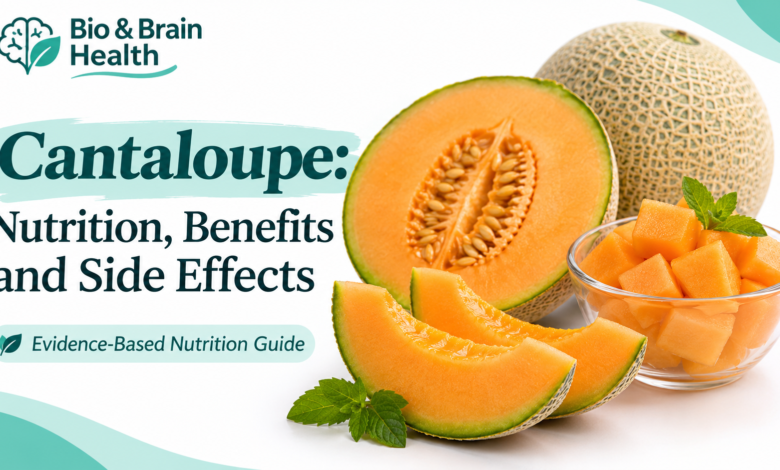
A chilled bowl of cantaloupe can be refreshing on a warm afternoon. Its orange flesh supplies water and several useful nutrients, but a melon that looks and smells fresh can still carry harmful bacteria. For Americans managing diabetes, caring for a vulnerable family member or shopping for ready-cut fruit, the practical questions extend beyond calories and vitamins.
Thank you for reading this post, don't forget to subscribe!Understanding cantaloupe health benefits requires considering edible portion size, nutrient content and safe handling together. This US-focused article distinguishes established nutrient functions from claims about disease treatment, and uses historical outbreak investigations to explain why the rind deserves particular attention. It also provides a realistic carbohydrate comparison and guidance for selecting packaged melon.
Independent Clinical Review
Review status: Pending independent clinical review. This article draws on the research and public guidance linked below. BBH will add the reviewer’s name, credentials, and review date once an independent review is documented.
Medical Safety & Disclaimer
This guide provides general nutrition and food safety education. Follow individual medical advice for diabetes, kidney disease, allergies and prescribed fluid or potassium restrictions. Do not eat recalled melon or replace prescribed care with fruit.
Quick Answer
Raw cantaloupe supplies approximately 34 calories, 8.16 g carbohydrate, 36.7 mg vitamin C and 169 mcg vitamin A RAE per 100 g. It is a water-rich fruit that can fit a balanced diet. Its netted rind can carry contamination, so safe preparation and refrigeration are especially important.
In This Guide
Topics covered
Nutrition facts • Vitamin A and vitamin C • Hydration • Carbohydrate portions • Evidence limits • Potassium and kidney health • Salmonella research • Safe handling • Recall decisions • Allergy and digestive safety • FAQs
1. Cantaloupe nutrition facts: Realistic edible portions
Cantaloupe is a type of muskmelon commonly sold in US grocery stores with a netted outer rind and orange flesh. Nutrition figures below refer to raw edible flesh, not the whole melon with rind and seeds. The USDA SR Legacy record supplies a consistent reference for comparing portions. Variety, ripeness and growing conditions may change individual values.
| Nutrient | Per 100 g | Per 160 g edible portion |
|---|---|---|
| Energy | 34 kcal | 54 kcal |
| Total carbohydrate | 8.16 g | 13.1 g |
| Total sugars | 7.86 g | 12.6 g |
| Fiber | 0.9 g | 1.4 g |
| Protein | 0.84 g | 1.3 g |
| Vitamin A | 169 mcg RAE | 270 mcg RAE |
| Vitamin C | 36.7 mg | 58.7 mg |
| Potassium | 267 mg | 427 mg |
| Water | 90.15 g | 144 g |
Source: USDA FoodData Central: raw cantaloupe. The 160 g portion is an illustrative weighed serving, not the guaranteed weight of every cup of melon cubes. Different cube sizes and packing density affect a volume measurement. RAE means retinol activity equivalents, the unit used to express vitamin A activity.
Which nutrients explain cantaloupe health benefits?
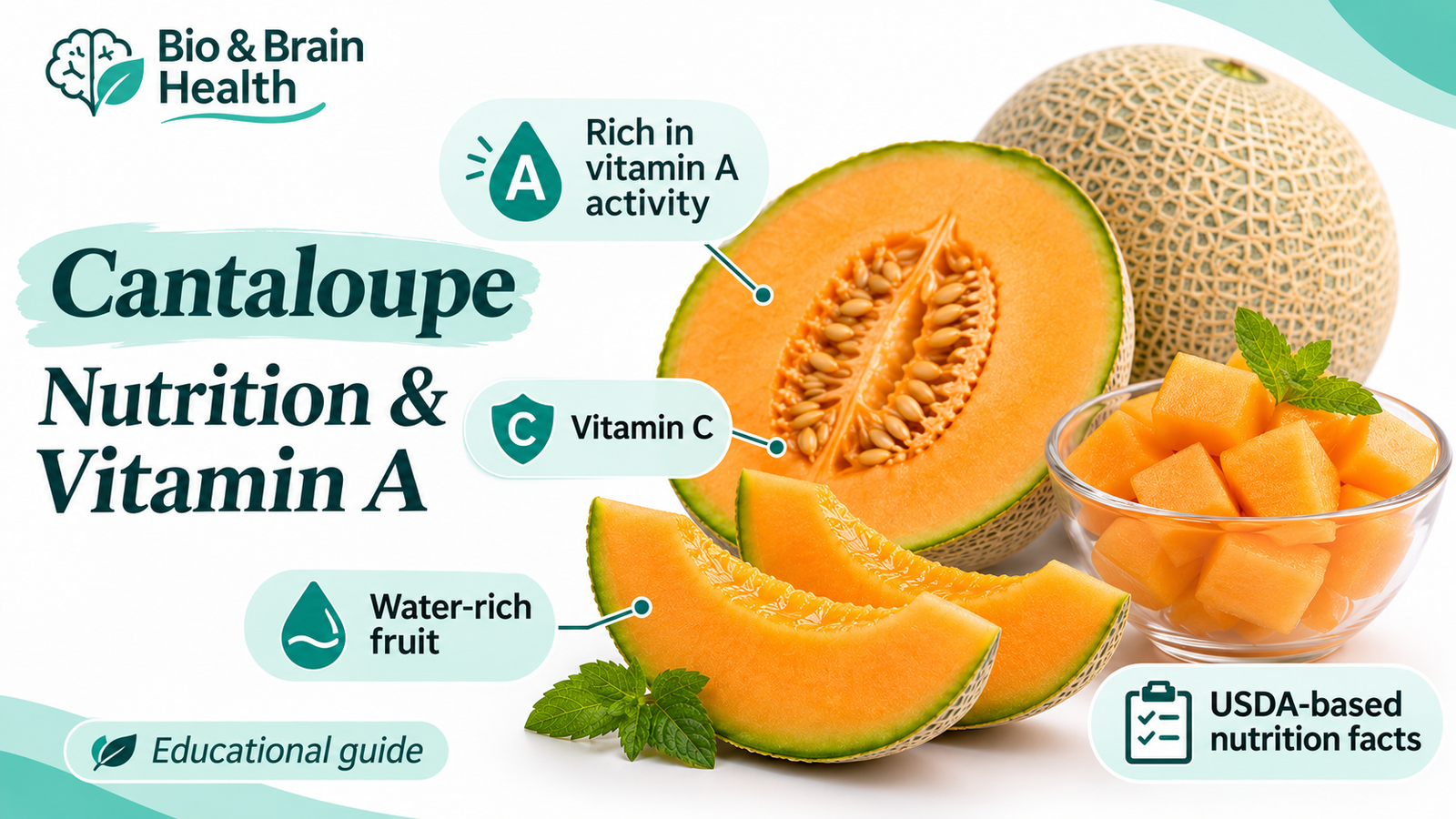
The orange color reflects carotenoids, including beta-carotene, which can contribute to vitamin A intake. The fruit also supplies vitamin C, potassium and a modest amount of dietary fiber. Its large water content explains much of its low energy density. None of these characteristics makes cantaloupe a complete meal or a treatment for disease.
For a useful comparison, see Watermelon: Nutrition, Benefits and Side Effects. Watermelon and cantaloupe both contain substantial water, but their nutrient profiles differ. A variety of fruits can support dietary adequacy without requiring anyone to select one supposedly superior melon.
2. Cantaloupe health benefits for vitamin A and vitamin C
The NIH Vitamin A describes vitamin A’s roles in vision, immune function and normal cell differentiation. Cantaloupe supplies provitamin A carotenoids, rather than being a source of large amounts of preformed retinol. Conversion of carotenoids varies according to the food matrix, nutritional status and individual physiology.
A 160 g edible portion supplies approximately 270 mcg RAE, equivalent to about 30% of the adult Nutrition Facts Daily Value of 900 mcg RAE. This is a useful contribution, not a claim that eating melon restores eyesight or treats vitamin A deficiency. People with persistent visual symptoms require appropriate assessment.
The same serving provides approximately 59 mg vitamin C, about 65% of the adult label Daily Value of 90 mg. The NIH Vitamin C explains vitamin C’s importance in collagen synthesis, normal immune function and absorption of nonheme iron. Individual requirements vary, and vitamin C content can change during storage and processing.
Pairing melon with a meal containing plant-based iron may contribute vitamin C to that meal. However, no specific melon serving guarantees correction of iron deficiency or protection from infection. Read Apricots: Nutrition, Benefits and Side Effects for another example of carotenoid-containing fruit.
3. Cantaloupe health benefits and hydration: What water content means
The USDA reference lists approximately 90 g water per 100 g of raw flesh. A 160 g portion therefore provides roughly 144 g water, or approximately 144 mL as an illustrative volume of water contained in the fruit. This amount contributes to daily fluid intake along with beverages and other foods.
Water-rich food may be appealing when the weather is warm, but it should not be confused with a standardized oral rehydration solution. Cantaloupe contains carbohydrate and potassium, yet its composition is not designed to replace the fluid and electrolyte losses associated with severe diarrhea, vomiting or prolonged strenuous exercise.
People who have been advised to restrict fluids should ask how water-rich foods are counted in their plan. Those with signs of significant dehydration, such as dizziness, markedly reduced urination or inability to keep fluids down, need appropriate medical guidance. A fruit bowl is not a substitute for urgent care when symptoms are severe.
4. Cantaloupe health benefits and blood sugar: Practical portion awareness
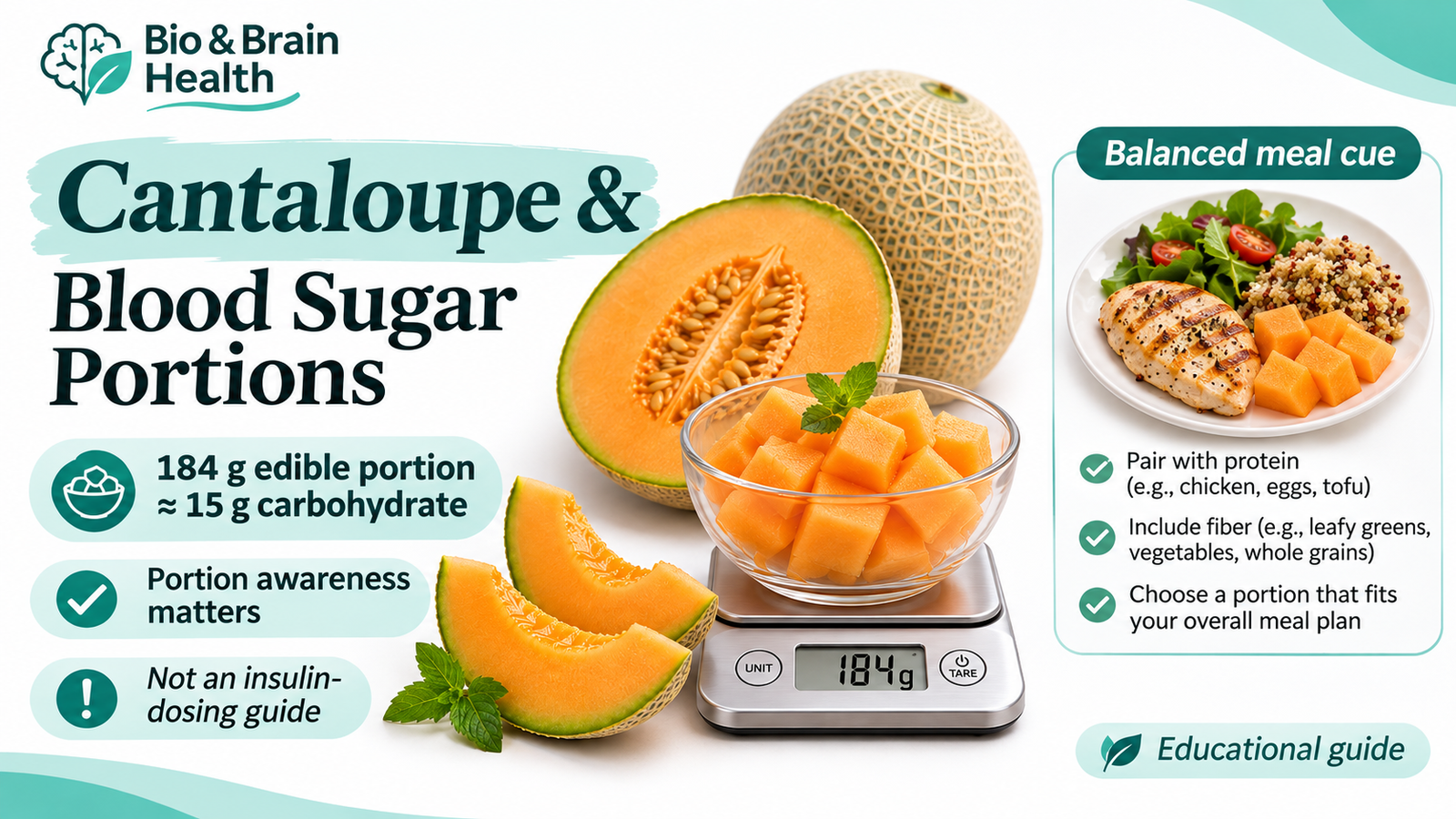
The sweet taste of cantaloupe does not indicate the precise amount of carbohydrate in a serving. According to the named USDA reference, 100 g provides 8.16 g total carbohydrate. An edible portion of approximately 184 g supplies 15 g. This comparison uses total carbohydrate, not a prediction of blood glucose or an instruction for medication dosing.
| Edible weight | Total carbohydrate | Energy |
|---|---|---|
| 100 g | 8.2 g | 34 kcal |
| 160 g | 13.1 g | 54 kcal |
| 184 g | 15.0 g | 63 kcal |
| 250 g | 20.4 g | 85 kcal |
The carbohydrate amount in the entire meal is relevant. Adding melon to a breakfast that already contains cereal, milk and juice increases the total carbohydrate unless something else is replaced. Pairing fruit with other foods changes meal composition but does not cancel its carbohydrate. The individual’s medication, glucose response and treatment plan remain important.
For practical guidance, see Fruit and Diabetes: Portions and Choices and Carb Counting for Diabetes. A fixed number of melon cubes is not a reliable measurement because pieces vary substantially in size. Measuring the edible flesh once may help readers understand their usual portions without requiring constant weighing.
Diabetes Safety
Continue prescribed diabetes treatment. These examples are not an insulin-dosing guide. Treat low blood sugar according to your individualized fast-acting carbohydrate plan, and seek medical advice for persistent unexplained glucose changes.
5. Cantaloupe health benefits: What clinical research establishes
A useful evidence distinction is between analysis of food composition, research on whole fruit consumption and intervention trials testing a single fruit. Nutrient composition studies can establish approximate vitamin or carbohydrate content. They cannot directly show that a fruit prevents chronic disease.
The BMJ 2013 prospective cohort study of fruit and diabetes examined fruit consumption and type 2 diabetes incidence in three large US prospective cohorts. Associations differed among fruit types and between whole fruit and fruit juice. These results are observational, depend partly on reported dietary intake and do not establish a treatment effect in someone with existing diabetes.
A study of a broad fruit category should not be described as a definitive cantaloupe trial. There is insufficient direct clinical evidence here to establish that eating cantaloupe lowers HbA1c, reverses diabetes, prevents cancer or treats high blood pressure. Similarly, measuring antioxidant activity in a laboratory does not establish a clinical anti-inflammatory effect. This article emphasizes the strength and scope of evidence rather than making a list of untested medical promises.
6. Cantaloupe health benefits for digestion, weight and heart-health context
Cantaloupe contributes water and fiber, although the fiber amount in a typical serving is modest. A 160 g portion provides about 1.4 g fiber, roughly 5% of the adult label Daily Value of 28 g. It should not be promoted as a particularly concentrated fiber source. The NIDDK constipation nutrition discusses dietary fiber and fluids in constipation management; other foods such as legumes and whole grains can provide additional fiber.
Low energy density may be helpful when melon replaces a more energy-dense snack. Adding it to an unchanged eating pattern does not guarantee weight loss. Cantaloupe also supplies relatively little protein, so using it to replace an entire meal can leave important nutritional needs unmet.
Potassium supports normal nerve transmission and muscle function, as explained by NIH Potassium. A 160 g serving supplies about 427 mg. The presence of potassium does not establish that melon lowers blood pressure in every individual. See Mediterranean Diet and Type 2 Diabetes for broader dietary-pattern context.
Kidney and Fluid Safety
People with impaired kidney function, prescribed potassium restrictions or fluid restrictions should discuss melon portions with their clinician or renal dietitian. Do not adjust medicines or supplements according to this nutrition table.
7. Content gap: Why cantaloupe food safety matters
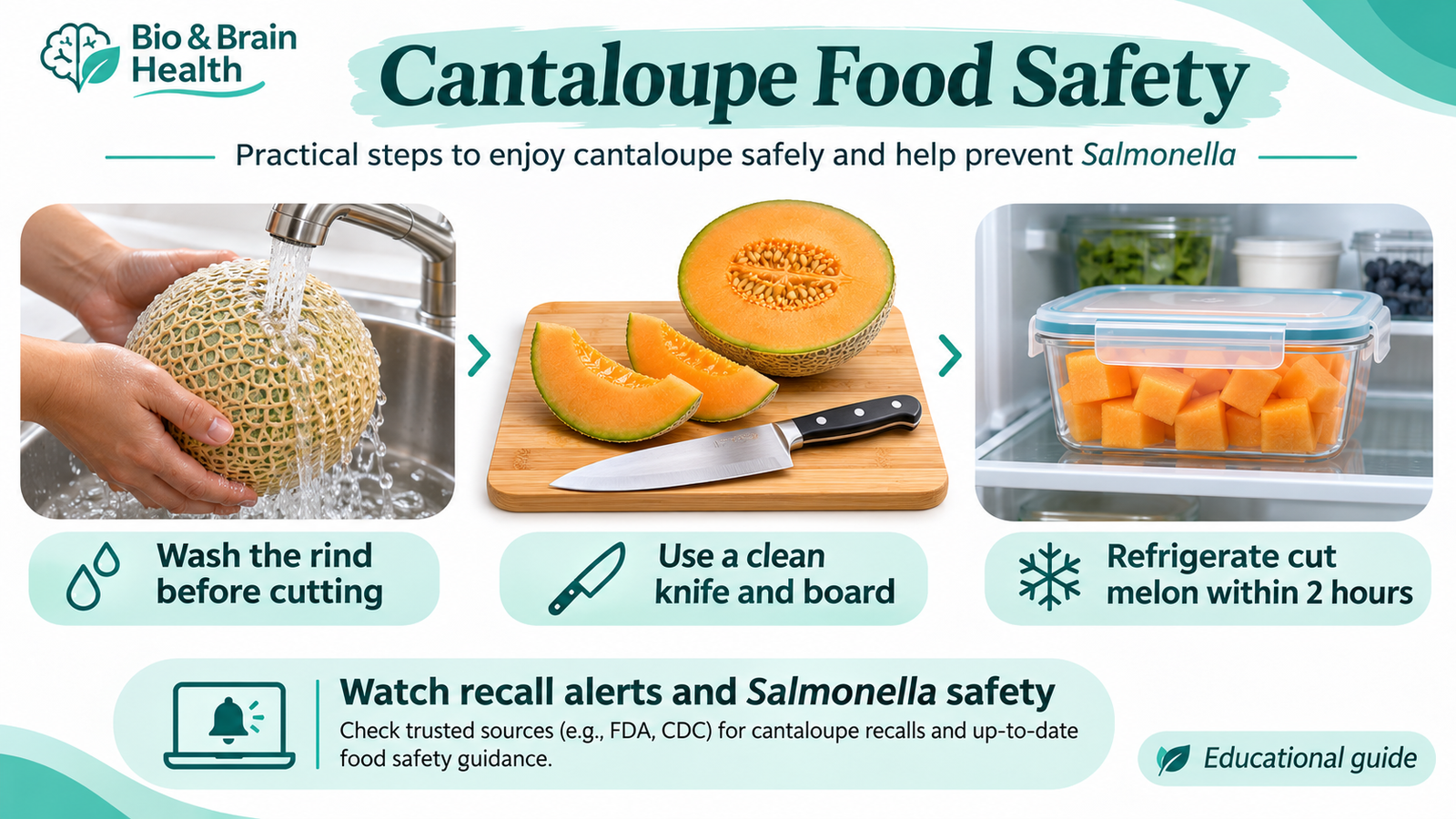
The rind of a cantaloupe has a textured surface that can retain dirt and microorganisms. Contamination can occur before the fruit reaches a household. When a knife passes through the rind, microorganisms may be transferred to the edible flesh. Cutting also creates moist surfaces where bacteria can multiply under unsuitable storage conditions.
The CDC MMWR 2024 report on the 2022 outbreak documents a US Salmonella outbreak associated with domestically grown cantaloupes in 2022. Investigators combined genomic surveillance, interviews and environmental information to identify the food. The report demonstrates the importance of contamination prevention throughout the supply chain, rather than placing all responsibility on the consumer.
A separate FDA 2023 cantaloupe Salmonella investigation and CDC 2023 outbreak investigation describe the 2023 outbreak associated with cantaloupes, including whole melons and certain ready-cut products. These are historical investigations, not a claim that a particular melon currently for sale is recalled. Consumers should check current notices for the brand, dates and identifying details when a recall is announced.
An intact appearance or pleasant smell does not establish microbiological safety. Washing can reduce contamination but cannot reliably eliminate all pathogens. Refrigeration slows growth but does not sterilize fruit. These distinctions explain why combining several food safety measures is more effective than relying on a single washing trick.
8. Cantaloupe side effects: Safe washing, cutting and refrigeration
The FDA safe produce handling recommends washing produce under running water even if the outer surface will not be eaten. Scrub firm produce such as melon with a clean produce brush. Do not use soap, household detergent or bleach on fruit. Wash hands, use clean equipment and keep produce separate from raw meat and contaminated surfaces.
| Step | US food safety guidance |
|---|---|
| Before cutting | Wash hands and scrub the whole melon under running water. |
| During cutting | Use clean knife and cutting board; avoid cross-contamination. |
| After cutting | Refrigerate promptly at 40°F or below. |
| Room temperature | Discard cut melon left out over two hours. |
| Above 90°F | Discard cut melon left out over one hour. |
The time limits are supported by CDC safer food choices. Consider cumulative time away from refrigeration, including grocery transport, preparation and serving. Repeatedly returning melon to the refrigerator does not reset the elapsed time. For a picnic or lunchbox, maintain appropriate cold storage and discard fruit when safe time limits cannot be established.
For people with weakened immune systems, CDC safer choices for weakened immune systems identifies freshly cut melon or melon refrigerated for no more than seven days as safer choices than older refrigerated cut melon. This is an upper limit in the cited guidance, not a guarantee of safety for every product. Follow earlier package use-by dates and any more restrictive individualized advice. Do not consume recalled fruit regardless of storage duration.
9. What to do if cantaloupe is recalled or illness develops
When a recall applies to your melon, do not eat it or try to salvage it by washing or cutting away the rind. Follow the official recall instructions for disposal or return and clean surfaces that contacted the product. When a recall identifies certain brands or lots, compare the actual label and purchase information instead of assuming every cantaloupe is affected.
Symptoms of foodborne illness may include diarrhea, stomach cramps, fever, nausea or vomiting. The CDC food poisoning symptoms advises seeking medical care for severe symptoms, including bloody diarrhea, prolonged diarrhea, high fever, repeated vomiting that prevents fluid intake or signs of dehydration. Vulnerable people may need earlier medical assessment.
Food Safety Alert
Children under five, older adults, pregnant people and individuals with weakened immunity can face increased risks from foodborne illness. Contact a healthcare professional promptly if concerning symptoms develop after suspected contaminated food. Call 911 for a life-threatening emergency.
10. Cantaloupe side effects and individual tolerance
Fruit allergy is possible. Some people experience mouth itching with raw melon in association with pollen-food allergy syndrome, while other allergic reactions may be more serious. Do not deliberately test a suspected serious allergy at home. An allergist can help establish which foods and preparations are appropriate. See FDA food allergies.
Large portions may cause digestive discomfort in some individuals, particularly when their usual diet changes abruptly. People with persistent abdominal symptoms should obtain appropriate evaluation rather than attributing every episode to melon. For severe allergic symptoms such as breathing difficulty, throat swelling or collapse, use prescribed epinephrine if indicated and call 911.
11. How to enjoy cantaloupe health benefits in everyday US meals
Choose a whole melon that is not visibly damaged or spoiled, or select refrigerated pre-cut fruit with intact packaging. At home, follow safe washing and cutting procedures. Serve a measured portion alongside yogurt, oatmeal or another suitable meal component. For packaged fruit mixtures, compare serving sizes and added ingredients using FDA Nutrition Facts label.
Consider the complete recipe when preparing smoothies or fruit salads. Added juice, sweetener or several fruit portions can substantially change carbohydrate content. Frozen fruit may offer convenience if handled and stored correctly. Choose according to dietary needs, budget, taste and food safety rather than relying on a claim that one preparation has special healing properties.
12. Frequently asked questions
Can people with diabetes eat cantaloupe?
Many can include a suitable portion. About 184 g edible flesh provides 15 g total carbohydrate in the USDA reference.
Is cantaloupe good for hydration?
It contributes water to ordinary dietary intake but is not a replacement for medical rehydration treatment.
Should I wash the rind if I discard it?
Yes. Scrub the whole melon under running water before cutting to reduce transfer of contamination.
How long can cut melon sit out?
No more than two hours at ordinary room temperature or one hour above 90°F under CDC guidance.
Does washing recalled cantaloupe make it safe?
No. Follow the recall instructions and do not eat the affected product.
Does cantaloupe improve eyesight?
It contributes provitamin A carotenoids needed for normal vision, but it does not treat eye disease.
Conclusion
Cantaloupe supplies vitamin A activity, vitamin C, water and other nutrients in a relatively low-energy fruit. Its value depends on the actual portion, the wider eating pattern and individual medical needs. Safe washing, cutting, refrigeration and recall awareness are particularly important. Human evidence does not establish cantaloupe as a treatment for chronic disease.
BBH Key Takeaway
Enjoy an appropriate portion of safely handled cantaloupe as part of a varied diet. Nutritional benefits and microbiological safety must both be considered.
Scientific references
USDA FoodData Central: raw cantaloupe • NIH Vitamin A • NIH Vitamin C • NIH Potassium • FDA 2023 cantaloupe Salmonella investigation • CDC 2023 outbreak investigation • CDC MMWR 2024 report on the 2022 outbreak • FDA safe produce handling • CDC safer food choices • CDC safer choices for weakened immune systems • FDA Nutrition Facts label • BMJ 2013 prospective cohort study of fruit and diabetes • NIDDK constipation nutrition • CDC food poisoning symptoms • FDA food allergies
Related reading on BBH
Physical Health → Weight, Nutrition & Metabolic Health support page
Watermelon: Nutrition, Benefits and Side Effects • Apricots: Nutrition, Benefits and Side Effects • Fruit and Diabetes: Portions and Choices • Carb Counting for Diabetes • Mediterranean Diet and Type 2 Diabetes