Blood Sugar Spikes After Meals: Causes
Why Blood Sugar Spikes After Eating

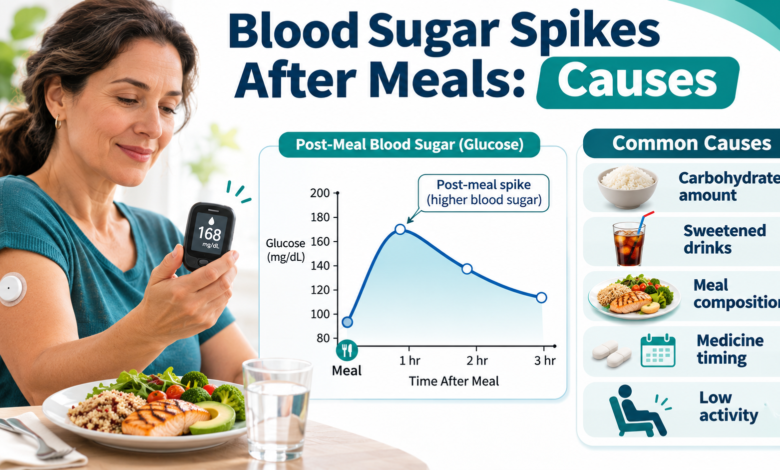
Many people notice blood sugar spikes after meals despite trying to eat well. The causes include carbohydrate quantity, digestive timing, insulin resistance, medication coverage, stress and movement—not simply whether a food contains added sugar. This article offers an evidence-based way to distinguish the likely drivers and find safe questions to discuss with your clinician.
Thank you for reading this post, don't forget to subscribe!Our main audience is the United States, with UK, Australian and Canadian guidance included. The article is educational; decisions about insulin, tablets, CGM or pregnancy targets must be individualized.
Further BBH reading: Managing Blood Sugar: Daily Habits.
Blood Sugar Spikes After Meals: Causes and Quick Answer
A rise in glucose after food is normal. Blood sugar spikes after meals may be concerning when glucose repeatedly remains above an agreed target, rises for hours, or accompanies symptoms. A large portion of digestible carbohydrate, reduced insulin action, timing of treatment, inactivity, illness and meal composition can all contribute. One high reading alone cannot identify the cause.
For many nonpregnant US adults with diabetes, a common ADA peak post-meal reference is below 180 mg/dL (10.0 mmol/L), typically checked one to two hours after the start of eating. These are examples, not prescriptions; your diabetes team should personalize the target based on treatment, hypoglycemia risk and health circumstances.
How Glucose Changes After a Meal
Digestible carbohydrate becomes glucose that moves into the blood. Insulin normally helps the body use glucose while regulating the liver’s glucose output. Insulin resistance, diminished insulin production or inadequate insulin delivery can make a post-meal rise larger or longer. Digestion, food composition and physical activity influence the speed of the curve.
The response is not one number: there is a premeal starting point, a peak, and a return toward baseline. An acceptable average A1C can still conceal frequent highs and lows. A useful question is whether the elevated glucose is brief, prolonged or accompanied by low readings after treatment.
Seven Major Causes of Post-Meal Glucose Rises
Carbohydrate quantity, refined starch or sweetened drinks, medication gaps, illness, low activity, sleep disruption and delayed digestion are common factors. They often overlap. A substantial rice meal after poor sleep and a missed medicine dose may produce a different pattern from a smaller meal followed by an easy walk.
Rather than blaming one ingredient, compare the portion, beverage, premeal value and treatment context. This evidence-based approach is particularly important when a person reports doing everything “right” yet continues to see unexpectedly elevated readings.
| Cause | Typical effect | What to discuss |
|---|---|---|
| Carbohydrate amount | A larger glucose challenge | Portions and total meal |
| Sweetened drinks | Rapid absorption | Unsweetened alternatives |
| Insulin gaps | Prolonged high readings | Medicine and device review |
| Fat-rich meals | Potential delayed peak | Extended glucose trend |
| Stress, illness or poor sleep | Higher or variable readings | Symptoms and recent changes |
| Limited movement | Less immediate glucose use | Safe activity plan |
Further BBH reading: Diabetes Treatment Goals: Individualized Care.
Post-Meal Glucose Targets: Interpreting the Numbers
An ADA post-meal reference below 180 mg/dL is useful for many nonpregnant adults, but individual targets vary. The common premeal reference is approximately 80–130 mg/dL. These targets differ from diagnostic criteria, and they may not apply in pregnancy or to someone at high risk of severe hypoglycemia.
A value just over an agreed target is not automatically an emergency, nor is a reading below the target proof that the overall plan is optimal. Repeated excursions, low glucose, symptoms and the duration of glucose elevations help clinicians assess treatment safety and effectiveness.
| Measure | Common US reference | Important qualification |
|---|---|---|
| Premeal glucose | 80–130 mg/dL | Personalize for safety |
| Post-meal peak | Below 180 mg/dL | 1–2 hours after beginning meal |
| CGM | 70–180 mg/dL common adult time-in-range interval | Consider highs and lows |
| Pregnancy | Different targets | Specialist care required |
Blood Sugar Spikes After Meals: When to Measure
When to Test: Start of the Meal Matters
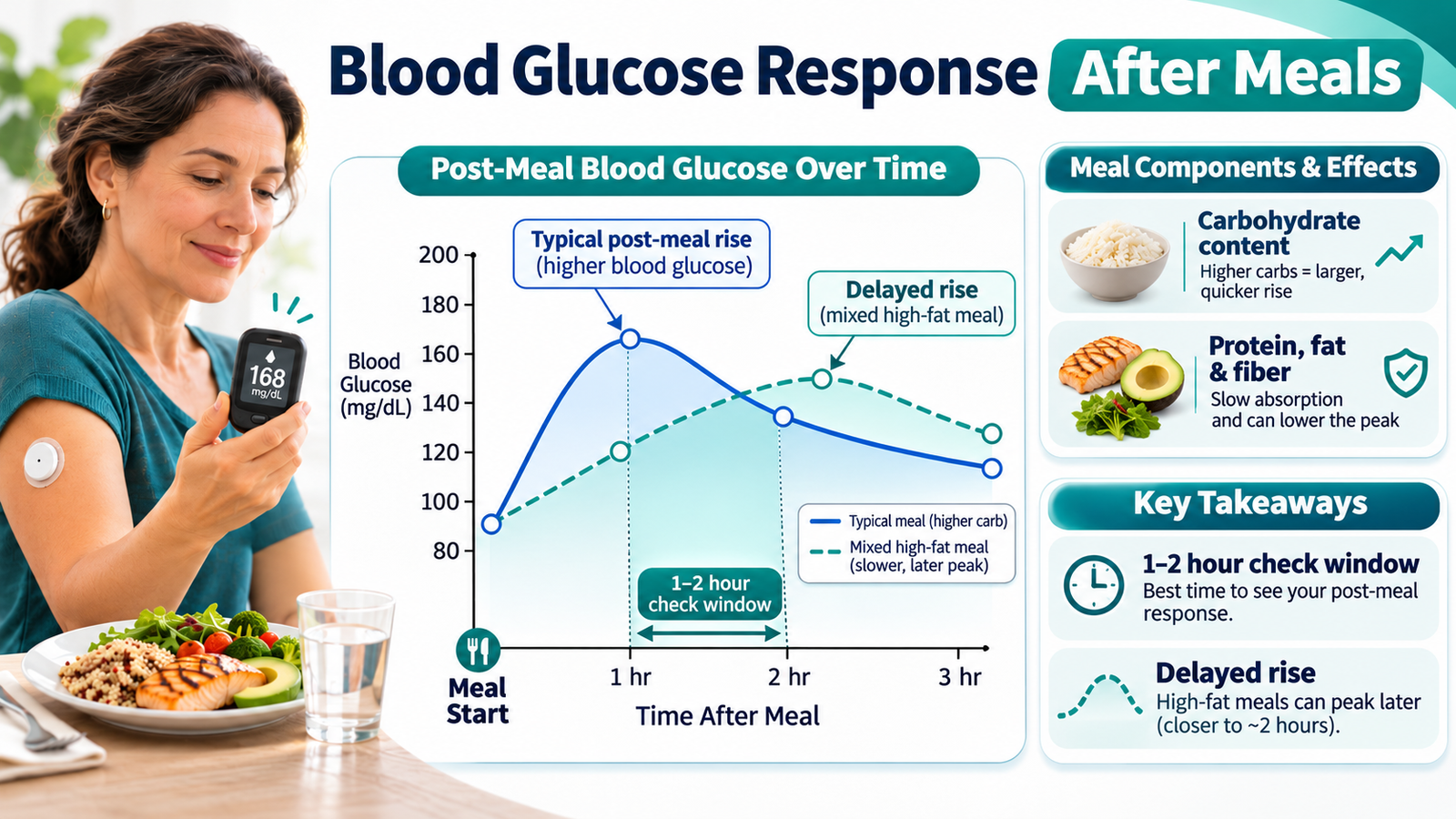
The ADA generally describes postprandial testing one to two hours after beginning the meal, not two hours after the final bite. For a meal that takes 35 minutes, those measurements describe different points on the glucose curve. If you monitor, write down the first-bite time and the checking time.
Some mixed or high-fat meals cause later peaks, so a single two-hour reading may not capture the complete story. CGM can show a trend but should be interpreted with device limitations in mind. People not taking medicines that cause hypoglycemia may not need frequent routine testing; discuss a purposeful schedule with a clinician.
Further BBH reading: Carb Counting for Diabetes: Beginner Guide.
Carbohydrate Portion Size and Food Quality
Rice, bread, potatoes, pasta, fruit, beans, milk and sweets contain different amounts of carbohydrate. Fiber-rich whole foods generally provide additional nutrition and can influence how rapidly glucose rises, but a whole-grain label does not make a food carbohydrate-free. Compare amounts and the full meal rather than treating familiar cultural foods as forbidden.
The CDC notes that combining carbohydrates with protein, fat or fiber can slow the rise. This does not mean eating unlimited fat or protein will prevent a spike. Portion guidance, adequate nutrients and a sustainable eating pattern remain central. Formal carbohydrate counting is particularly relevant for some people using mealtime insulin.
Further BBH reading: Rice and Diabetes: Portions and Glucose.
The Diabetes Plate Method and Meal Balance
The CDC’s plate method is an accessible starting point: roughly half nonstarchy vegetables, one-quarter protein and one-quarter carbohydrate-containing foods. A balanced plate can include grilled fish or tofu, vegetables and an appropriate serving of rice, potatoes or beans. The precise composition should reflect energy needs, culture and medical conditions.
Some short-term studies suggest eating vegetables or protein before the main carbohydrate portion may reduce an immediate peak, but this is not a proven long-term solution. Meal order is optional. Food affordability, medications and the total carbohydrate amount often matter more than a rigid eating ritual.
Why Pizza and Fatty Meals Can Produce Late Spikes
Large meals containing considerable fat and protein may produce a delayed or extended glucose rise, especially among insulin users. Fat can delay gastric emptying and change when carbohydrate is absorbed; the resulting curve may rise beyond the usual two-hour testing window.
Insulin users sometimes need specific education for mixed meals, but internet dosing formulas can cause dangerous early hypoglycemia. Do not take additional insulin because a chart predicts a late rise. Severe fullness, vomiting or repeated digestive delays should be assessed for conditions such as gastroparesis.
Medication Timing and Insulin Action
Repeated spikes can occur despite reasonable meals if insulin production is insufficient or if the current treatment does not cover post-meal needs. Medicines work in different ways: some influence liver glucose production, some change gut hormones, and insulin directly replaces the hormone. Medical history, kidney function and other benefits all influence selection.
Do not double a missed tablet, independently change mealtime insulin or alter pump settings based on one glucose value. Sulfonylureas and insulin can cause hypoglycemia. Bring a medicine list, glucose trends and meal notes to the prescribing team for review. Affordability and device difficulties also deserve attention.
Blood Sugar Spikes After Meals and Safe Walking
Walking and Physical Activity After Eating
Muscle contraction increases glucose uptake, partly through pathways that do not rely on the same insulin signals. Walking and other tolerable movement may improve after-meal glucose responses and support overall insulin sensitivity. For someone able to exercise safely, a gentle five-to-ten-minute walk after a meal can be a practical starting habit.
Do not promise a fixed glucose reduction or attempt to exercise away a high reading. The effect depends on treatment, starting glucose, health and activity intensity. Those using insulin or sulfonylureas should learn how to avoid exercise-related low glucose; suspected ketones, chest symptoms or severe illness require a different response.
Stress, Sleep, Meditation and Hormonal Effects
Sleep disruption, emotional strain, pain and infections can influence glucose through stress hormones and changes in routines. When a meal produces a higher reading than usual, also consider what happened that day: poor sleep, medicines, activity, illness and timing.
Breathing exercises, meditation, gratitude or optional spiritual practices may support emotional well-being and adherence, but they are not established methods for directly burning stored glucose. A calm self-care routine can complement a clinical treatment plan without replacing medication.
Breakfast Spikes and the Dawn Phenomenon
The liver may release more glucose before waking under the influence of early-morning hormones. Someone who starts breakfast with an elevated glucose level may then observe an even higher reading after eating. This does not prove breakfast itself was the only cause.
Compare the prebreakfast reading with readings after breakfast, or review CGM trends if available. A plan for early-morning hyperglycemia may differ from one aimed at food-related excursions; insulin adjustments require professional guidance, especially if overnight lows may occur.
Further BBH reading: Time in Range: What Your CGM Shows.
Understanding CGM Spikes and Time Above Range
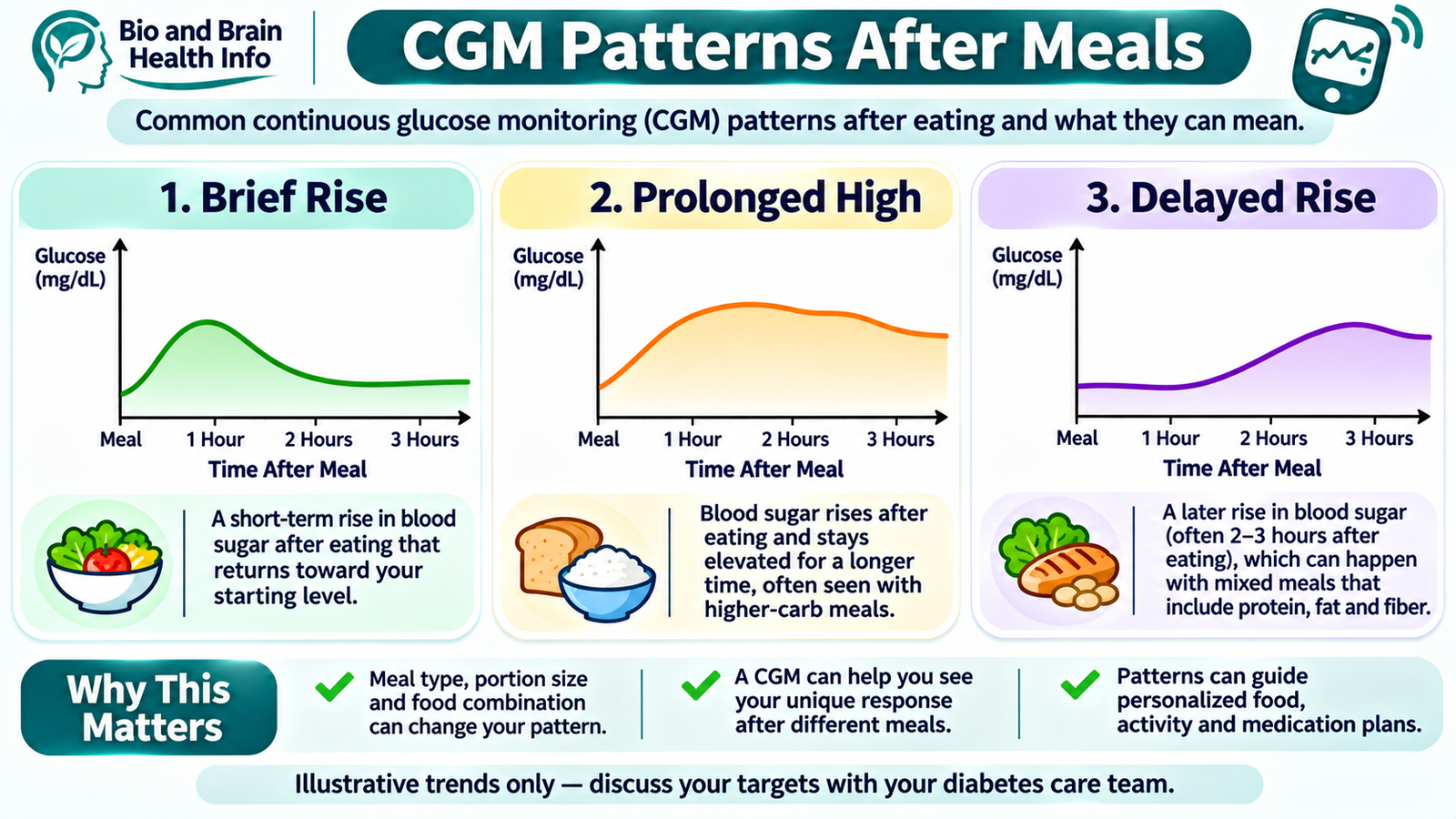
CGM displays estimated glucose continuously, helping reveal the starting level, rise, peak, duration and return toward the target range. A brief rise and a long period above range may require different interpretation. Time below range is also important because aggressive treatment can create dangerous lows.
CGM measures glucose in interstitial fluid, which may lag behind blood during rapid changes. Follow device instructions for confirming readings that do not match symptoms, and review several typical meals rather than judging a single graph. The trace does not by itself diagnose a meal intolerance or establish a medication problem.
What to Do After an Unexpected High Reading
First, identify the measurement timing and whether you feel well. If a meter result seems implausible, follow device instructions for checking again. Consider what you ate and drank, recent activity and any missed medicine. Record the pattern and follow your personalized clinical action plan rather than guessing a correction.
Water may be an appropriate beverage if you are not fluid restricted, but it is not an emergency glucose-clearing treatment. Never replace insulin with exercise, a detox drink or a prolonged fast. If several meals repeatedly produce high readings, request a medicine and nutrition review.
When a Post-Meal High Needs Urgent Help
Persistent vomiting, severe abdominal pain, deep or rapid breathing, confusion, significant dehydration and unusual drowsiness can indicate a serious hyperglycemic emergency. People with type 1 diabetes, insulin delivery problems, major insulin deficiency or those using SGLT2 inhibitors may need ketone testing according to their sick-day plan.
SGLT2-associated ketoacidosis can occur even without extremely high blood glucose. Do not use strenuous activity to lower glucose when ill or ketones are suspected. Seek urgent medical assessment for concerning symptoms; a general article cannot safely determine individual emergency thresholds.
Water, Detox Drinks and Sugar-Cleansing Claims
Replacing sweetened beverages with water or an unsweetened drink can lower overall carbohydrate intake. But there is no evidence that lemon water, cinnamon tea, herbal detox mixtures or a juice cleanse flush glycogen from muscle or remove excess sugar from the bloodstream.
Juices may contain substantial rapidly absorbed carbohydrate, and extreme fasting can cause hypoglycemia or other problems with certain medicines. If glucose repeatedly rises after meals, focus on understanding food portions, medicine coverage, muscle movement and monitoring patterns instead of relying on a special drink.
Practical Changes Worth Discussing
Try one manageable change at a time: choose water instead of soda, use the plate method for one meal, compare carbohydrate portions, add comfortable post-meal movement or create a simple glucose log when monitoring is indicated. Consistency and personalization matter more than restrictive challenges.
A registered dietitian or diabetes educator can help match these steps to work, culture, food access and treatment. People with kidney disease, pregnancy, a history of eating disorders or recurrent hypoglycemia need additional individualized considerations. There is no requirement to reach perfect readings every day.
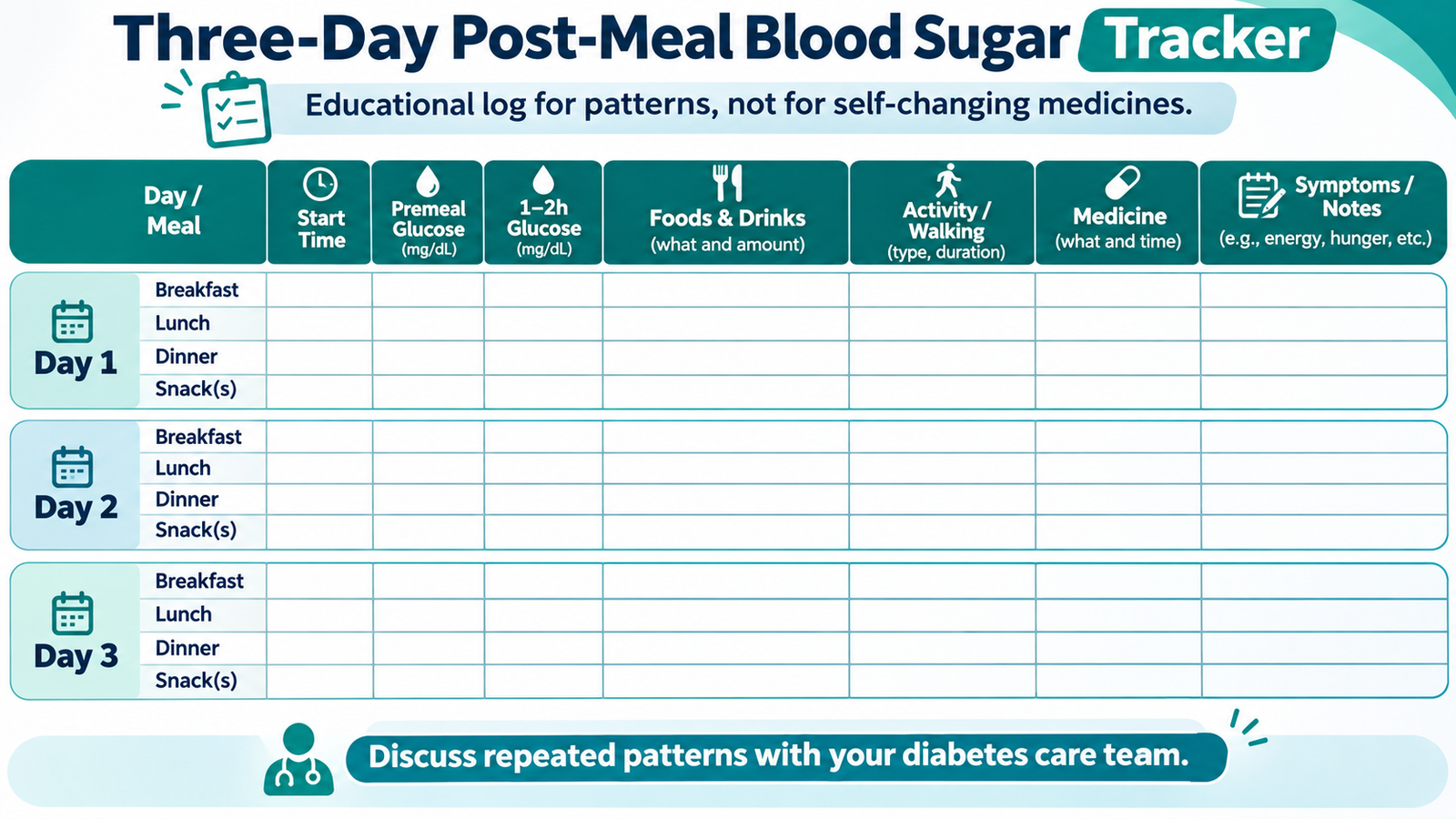
Documenting blood sugar spikes after meals across several ordinary days gives your clinician more context than testing only after an unusual meal.
Three-Day Meal and Glucose Tracking Plan
A short comparison log can record a premeal glucose value when recommended, the meal’s start time, the meal and drink, the agreed post-meal measurement, movement and symptoms. You can compare breakfast, lunch and dinner or three similar meals across days. Not everyone needs to test after every meal; agree on a monitoring plan first.
If using CGM, record the starting value, peak, duration above the individualized range and any later low. The purpose is to help your care team interpret patterns—not to create pressure to watch every small fluctuation.
| Record | Before eating | After eating | Context |
|---|---|---|---|
| Glucose | Premeal value if directed | Agreed 1–2 h check | Time from meal start |
| Food | Portion and drink | Any additional food | Carb type, fat, protein |
| Lifestyle | Medicines as directed | Activity and symptoms | Sleep, stress, illness |
Type 1 Diabetes, Type 2 Diabetes and Pregnancy
People with type 1 diabetes require essential insulin and often need individualized carbohydrate and insulin education. Those with type 2 diabetes may focus on diet quality, movement, medications and cardiovascular or kidney protection. The same meal can produce different glucose patterns depending on insulin availability and treatment.
Pregnancy involves different glucose targets and important fetal and maternal considerations. Frail older adults may need less stringent control to minimize dangerous lows. Gastroparesis, kidney disease and other conditions may also require specially adapted nutrition or monitoring.
USA, UK, Australia and Canada: Clinical Context
In the United States, the ADA’s 2026 Standards provide individualized post-meal guidance, often using below 180 mg/dL at one to two hours after a meal starts for many adults. UK NICE guidance emphasizes individualized monitoring and does not recommend routine self-monitoring for every adult with type 2 diabetes.
Australia’s NDSS encourages people to agree on testing times and targets with diabetes professionals, while Diabetes Canada describes common two-hour post-meal goals in mmol/L, including 5.0–10.0 mmol/L for many adults. Local medical advice, product approvals and the person’s treatment needs take priority over imported targets.
Misunderstanding blood sugar spikes after meals can lead to unnecessary restriction, excessive monitoring or unsafe medication changes, which is why balanced interpretation matters.
Common Myths About Blood Sugar Spikes
Not every post-meal rise is harmful. Carbohydrate is not limited to table sugar; starches and fruits can contribute glucose too. A two-hour number does not always capture a delayed peak. A whole-food diet does not automatically prevent every excursion, and a single higher reading does not prove your treatment has failed.
A “detox” beverage is not a treatment for insulin resistance. Nor is more insulin automatically the answer to a spike, because an unplanned dose can cause severe hypoglycemia. The best decisions come from verified patterns, clear goals and a qualified clinical review.
Frequently Asked Questions About After-Meal Glucose
How high is too high? For many nonpregnant US adults, a peak below 180 mg/dL is a common reference, but your goal may differ. When should I check? Often one to two hours after the first bite when your clinician recommends testing. Can walking help? Appropriate movement may improve glucose uptake; medication-related lows need precautions.
Why do healthy meals cause rises? Nutritious foods can still contain digestible carbohydrate. Does pizza cause late highs? Some fatty mixed meals have a delayed pattern. Should I skip a later meal? Not automatically; that may be unsafe with some treatments. What about repeated spikes? Bring a structured log to your diabetes team rather than changing prescribed medication yourself.
Related BBH Articles and Support
Research Sources and Medical Disclaimer