Why Does Blood Sugar Fluctuate?
Blood Sugar Fluctuations: Causes and Tips

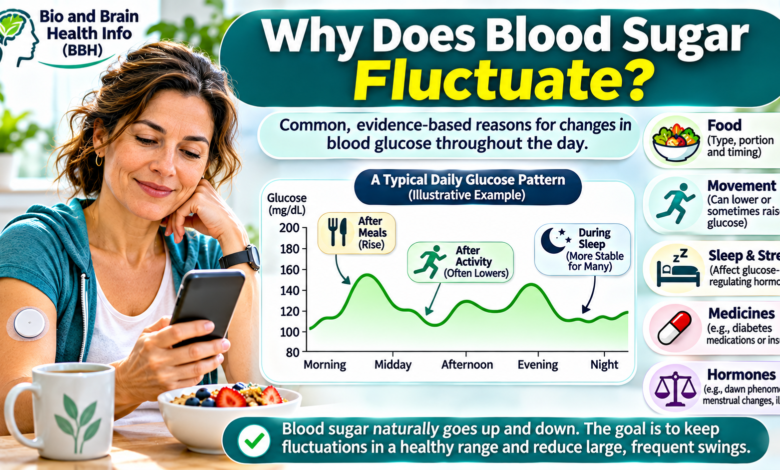
Blood sugar fluctuations are part of normal physiology: glucose rises after food, shifts with movement and hormones, and changes as the liver supplies fuel between meals. In diabetes, however, the swings may become larger, last longer or include dangerous low glucose. The most useful question is not simply “Why did the number change?” but “What pattern is happening, how reliable is the reading, and is the pattern safe for me?”
Thank you for reading this post, don't forget to subscribe!This US-priority, research-based guide explains common causes, unexpected triggers, CGM metrics, medication safety and practical daily habits, with comparisons for the United Kingdom, Australia and Canada. It also addresses overlooked gaps: the difference between average A1C and variability, false CGM alarms, menstrual hormones, night-shift routines, and why chasing every glucose arrow can make treatment less safe.
Related BBH reading: Managing Blood Sugar: Daily Habits.
Blood Sugar Fluctuations: What Is Normal?
Blood sugar changes naturally even in people who do not have diabetes. A meal can raise glucose, and insulin helps tissues use or store it. During fasting, the liver releases glucose to support the brain and other organs. Exercise and hormones can influence these processes. Day-to-day variation should be interpreted using a person’s diagnosis, treatment, symptoms and agreed targets.
Blood sugar fluctuations become a concern when levels repeatedly remain above an individualized range, fall too low, or change so sharply that daily treatment becomes difficult. A1C is valuable but does not show every low or high. Finger-stick readings and continuous glucose monitoring (CGM) can reveal patterns that average results miss.
Blood Sugar Fluctuations: Main Triggers Explained
Why Does Blood Sugar Fluctuate During the Day?
Seven common contributors are meal size and carbohydrate type, insulin availability, medication timing, movement, sleep, stress and illness. These often overlap rather than act in isolation. The same breakfast may produce a different glucose pattern after poor sleep, unusually intense exercise or an infection.
Variation does not automatically mean someone has failed to manage diabetes. A person’s biological rhythms, kidney function, digestion, access to medicines and ability to sleep or eat predictably can all affect readings. Recurring changes deserve investigation instead of blame.
| Factor | Why the reading changes | Useful context |
|---|---|---|
| Food and drinks | Glucose enters blood after carbohydrate | Portion, type and meal timing |
| Medication | Drug effect or timing may not match needs | Prescribed doses, missed treatments |
| Movement | Muscle glucose use or stress hormone rise | Activity type and timing |
| Sleep, illness and hormones | Changes insulin sensitivity and liver output | Sleep hours, symptoms, cycle |
Related BBH reading: Why Is Blood Sugar High in the Morning?.
Hormones, Liver Glucose and the Dawn Effect
Cortisol, growth hormone, glucagon and other counterregulatory hormones influence the liver’s glucose output and insulin sensitivity. The dawn phenomenon is an early-morning rise that may occur without food, particularly when available insulin cannot match the increased glucose supply. Some people start breakfast already above their target.
Hormone responses also differ with circadian rhythm, shift work and recovery from illness. A clinician can use bedtime, overnight and waking trends to distinguish dawn-related rises from glucose that remained elevated after dinner or from problems with overnight medication coverage. An overnight low must be verified rather than assumed.
Related BBH reading: Blood Sugar Spikes After Meals: Causes.
Carbohydrates, Mixed Meals and Digestion
Digestible carbohydrates—including rice, oats, fruit, bread, potatoes and sweetened drinks—can raise glucose. Portion size, food processing and the combination with protein, fat and fiber affect digestion and the curve after a meal. A carbohydrate-rich drink may produce a faster rise than a mixed meal.
Some meals with substantial fat and protein can produce delayed or extended glucose elevations, especially for insulin users. A two-hour check may therefore miss a later peak. The CDC diabetes plate approach—nonstarchy vegetables, appropriate protein and a carbohydrate portion—can support consistency without excluding culturally familiar foods.
Small meal-to-meal differences are normal. Try comparing a few typical meals instead of restricting every food or treating fruit and grains as inherently unsafe. A registered dietitian can help with portions, nutrition and personal preferences.
Walking, Exercise and Changes in Glucose
Contracting muscles can take up more glucose, including through pathways that are partly independent of insulin, and they use stored muscle glycogen for fuel. This is why walking and suitable resistance activity can complement nutrition and medicines. An easy post-meal walk may help some people limit a rise.
Exercise can also cause a temporary increase in readings during strenuous activity because stress hormones stimulate liver glucose release. Later, increased insulin sensitivity may lower glucose, sometimes overnight. People using insulin or sulfonylureas need an individualized activity and hypoglycemia plan; the response is not always an immediate decline.
When evaluating blood sugar fluctuations, medication timing and access should be considered alongside food and activity.
Insulin, Tablets and Medicine Timing
Insulin supplies a hormone the body needs, while metformin, GLP-1 receptor agonists, SGLT2 inhibitors and other medicines have different actions and safety considerations. A missed dose, changes in absorption, an injection technique problem, pump interruption or a prescription that no longer meets a person’s needs can cause recurring elevations.
Insulin and insulin-releasing medicines such as sulfonylureas can also cause low glucose, particularly around delayed meals, alcohol, activity or reduced kidney function. Avoid double dosing, stopping essential insulin or making a correction simply because a CGM arrow points upward. A prescription review should consider the whole pattern and the possibility of delayed hypoglycemia.
Sleep, Stress and Mental Well-Being
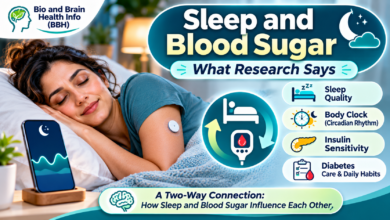
The CDC explains that sleep loss can impair how efficiently the body uses insulin. Emotional or physical stress can raise glucose through hormonal changes and alter food choices, activity and medicine routines. Pain, nighttime work and sleep apnea can also complicate interpretation.
A steady sleep opportunity, practical relaxation exercises and timely care for suspected sleep apnea can support diabetes management. Mindfulness may reduce distress for some people, but relaxation alone cannot reliably treat hyperglycemia. Record unusually poor sleep when reviewing a puzzling high reading.
Financial Problems, Arguments and Emotional Stress: Can They Change Blood Glucose?
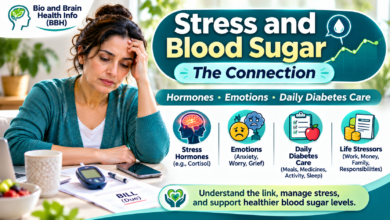
Yes. Financial pressure, unpaid bills, job insecurity, family conflict, relationship arguments, grief and other emotionally difficult events may affect blood glucose even without a change in food. Stress can activate adrenaline and cortisol pathways, changing liver glucose production and insulin sensitivity. Not everyone has the same response, and an unusual reading should never be attributed to emotions automatically: medication problems, infection and other causes also deserve attention.
Direct biological pathway: stress hormones
A stressful event can activate the body’s fight-or-flight response. Adrenaline and cortisol help mobilize energy, partly by increasing the liver’s glucose output and altering how tissues respond to insulin. In people whose insulin supply or response is insufficient, glucose may rise more than expected. This can happen during an argument, after frightening news, or during a prolonged period of financial difficulty—even if the person ate normally.
Indirect pathway: the diabetes plan becomes harder to follow
Under pressure, someone may sleep poorly, forget medicine, delay monitoring, skip meals, eat at irregular hours, choose more convenient foods, stop their usual walking routine, or struggle to pay for supplies. These changes may further destabilize readings. Importantly, someone using insulin or sulfonylureas who skips meals may have low blood glucose, not just high glucose. Mental well-being and practical resources therefore belong in diabetes care.
Why a person may not immediately realize what is happening
A person may spend days dealing with relationship problems, debt or bereavement and notice higher or more variable readings without connecting them to altered sleep, hormones or routine. These associations can be worth recording but do not prove that stress is the only cause. Some people respond more strongly than others. A clinician should review glucose patterns, symptoms, medicine and recent life changes rather than blame the patient.
| Emotional or life situation | Possible effect | Helpful action |
|---|---|---|
| Financial pressure or job loss | Stress, less sleep, difficulty buying medicines or food | Discuss affordability and practical care options |
| Family conflict or relationship arguments | Acute stress and disrupted meal or activity routine | Use a safe calming routine and prescribed diabetes plan |
| Grief or prolonged emotional exhaustion | Changed appetite, sleep, energy or attention | Simplify self-care and seek appropriate support |
| Skipped meals during stress while taking insulin | Potential hypoglycemia | Follow individual glucose and medication safety instructions |
Diabetes Distress: When Emotional Problems Disrupt Self-Care
Diabetes distress describes the emotional burden of living with and managing diabetes. It is not identical to depression or an anxiety disorder. Financial worries, fear of complications, difficult readings and a demanding treatment schedule can contribute to distress; life events outside diabetes may also intensify it. The ADA 2026 Standards recommend assessing psychosocial well-being, and the EASD 2026 guideline supports regular discussion and a collaborative plan when distress is elevated.
Six practical steps during a difficult period
- Protect essential medication. Keep doses and emergency instructions accessible; never stop essential insulin independently.
- Keep simple food available. A realistic meal routine is safer than extreme restrictions or repeatedly skipping meals.
- Use comfortable movement. A short walk, if medically safe, may support glucose use and emotional coping.
- Try brief relaxation. Gentle breathing, meditation, gratitude or optional prayer may help with stress, but are not treatments for dangerously high or low glucose.
- Tell someone what is interfering with care. Discuss financial, relationship, sleep or mental-health difficulties with a healthcare professional or trusted support person.
- Review patterns without blame. Note symptoms, meals, medicines, sleep, stress and glucose trends if monitoring is advised.
When to seek additional support
When persistent worry, depression, anxiety, panic or diabetes distress makes it hard to follow treatment or enjoy daily life, ask a clinician for psychological support, ideally from someone familiar with diabetes. Significant symptoms and severe glucose abnormalities still require medical assessment. Stress management helps support the treatment plan; it does not replace glucose-lowering medicines, nutrition or diabetes education.
Illness, Dehydration and Other Medical Causes
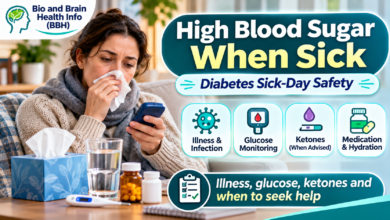
Infection, fever, injuries, surgery and dehydration may raise glucose even with less food. Steroid medicines can contribute to hyperglycemia; the timing varies with the specific drug. Vomiting and diarrhea can also create dehydration and complicate the safety of glucose-lowering medicines.
A written sick-day plan should cover checking glucose and ketones when appropriate, protecting hydration, and when to contact the diabetes team. Do not stop essential insulin independently. People taking SGLT2 inhibitors need special guidance because ketoacidosis can occur without very high glucose.
Menstrual Cycles, Pregnancy and Hormonal Changes
Glucose patterns may vary across the menstrual cycle because hormonal changes can alter insulin sensitivity and appetite. Responses differ: some people notice higher readings before menstruation, while others see smaller or no consistent changes. Comparing several cycles may be more informative than assuming one universal pattern.
Pregnancy requires distinct targets and specialized medical care. Perimenopause, menopause, thyroid disorders and other hormonal conditions may also complicate glucose management. These are reasons to discuss a recurring pattern with a clinician, not to begin hormones or supplements independently.
Glucose Variability Versus Average A1C
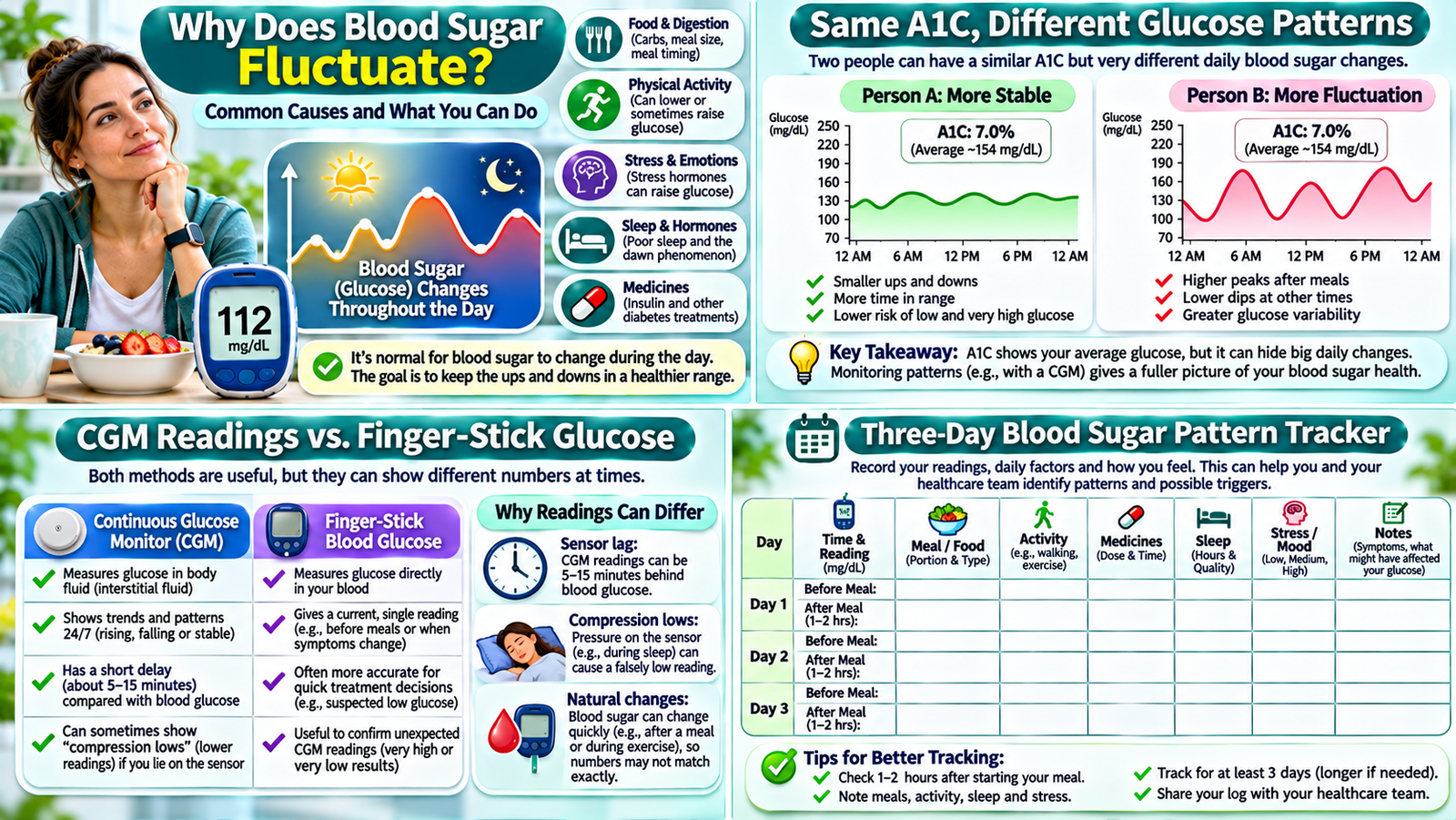
Average glucose and variability describe different things. Consider two illustrative CGM profiles with the same average: one stays relatively stable near its target, while another repeatedly alternates between high and low readings. Their A1C estimates could be similar, even though the second profile might carry greater hypoglycemia risk.
Blood sugar fluctuations therefore cannot be judged by A1C alone. CGM time below range, time above range, patterns across days and the glucose coefficient of variation can help clinicians interpret what the average hides. The goal is safe, sustainable management rather than an artificially flat line or a single perfect reading.
Related BBH reading: Time in Range: What Your CGM Shows.
CGM Time in Range and Coefficient of Variation
For many nonpregnant adults, a commonly used CGM reference range is 70–180 mg/dL (3.9–10.0 mmol/L), with more than 70% time in range when clinically appropriate. Time below 70 mg/dL is generally targeted at less than 4%, and time below 54 mg/dL at less than 1%. Frailty, pregnancy and individual medical considerations can require different goals.
The glucose coefficient of variation (CV) is a measure of the spread of glucose measurements relative to the mean; a reference at or below 36% is commonly used. It is an assessment metric—not a home treatment target or instruction to change insulin. A clinician should interpret it alongside lows, A1C, symptoms and treatment burden.
| CGM metric | Common adult reference | Meaning |
|---|---|---|
| Time in range | 70–180 mg/dL; often >70% | Time inside agreed glucose range |
| Time below 70 mg/dL | Usually <4% | Signals hypoglycemia exposure |
| Time below 54 mg/dL | Usually <1% | More serious low-glucose exposure |
| Coefficient of variation | ≤36% reference | Relative spread of sensor glucose readings |
Blood Sugar Fluctuations or CGM Measurement Error?
Real Change or Sensor and Meter Error?
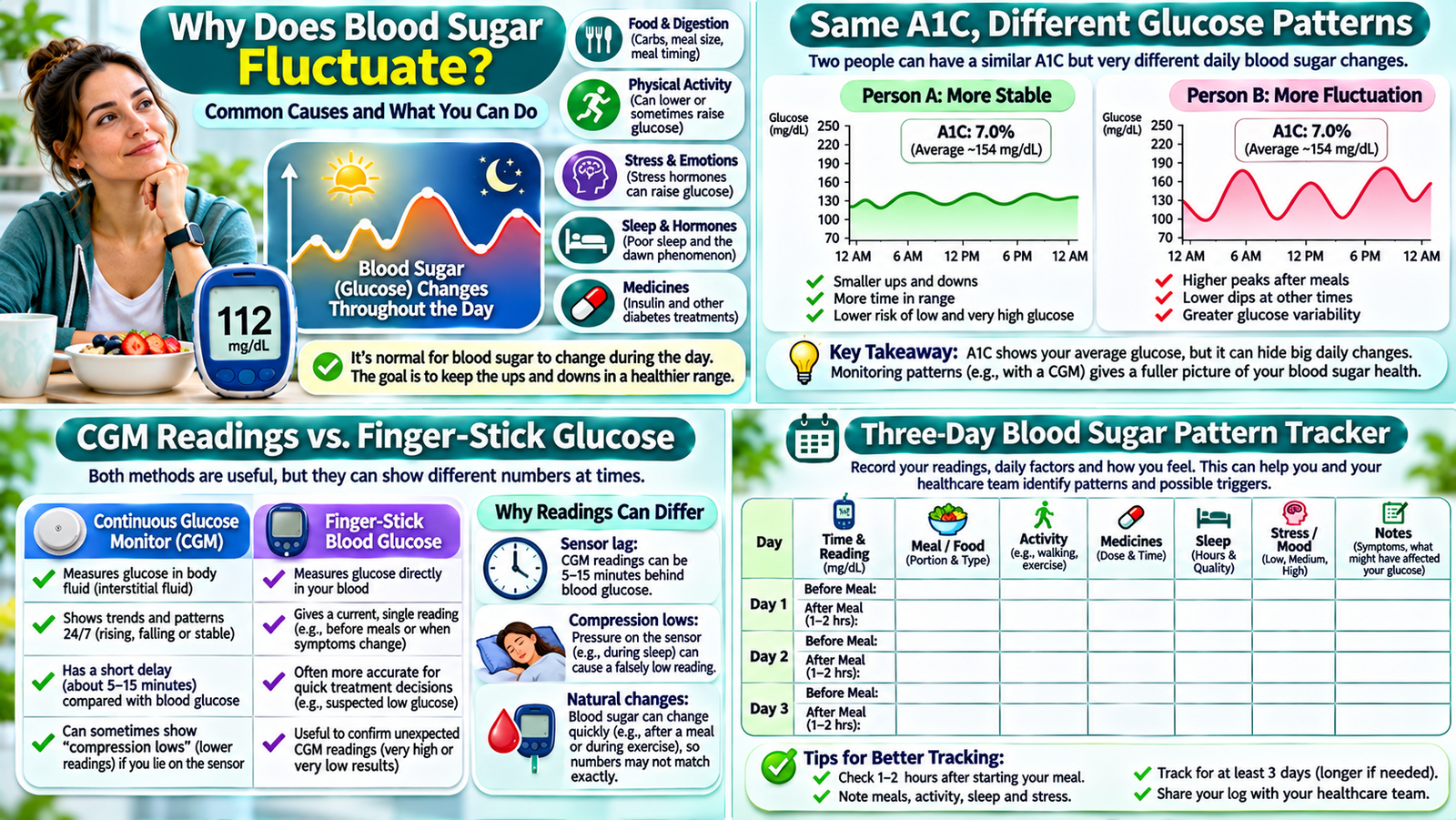
Sometimes a changing number reflects measurement conditions rather than a true rapid change in blood glucose. CGM measures glucose in interstitial fluid and can lag behind blood values during meals or exercise. Pressure on a sensor during sleep can create an apparent “compression low.” Device errors, sensor placement and specific interfering substances may also affect accuracy.
Finger-stick meters can be misleading if hands have food residue, strips are expired or stored poorly, or technique is inconsistent. When symptoms do not match a sensor reading, follow the manufacturer’s instructions for confirmation with a glucose meter. Never treat a suspected serious low solely by debating whether the graph is accurate; use your established safety plan and seek help when needed.
Common Daily Glucose Patterns Compared
A pattern often gives more information than one isolated number. A rapid post-meal rise may relate to carbohydrate quantity or medication timing; a gradual predawn increase may reflect the dawn phenomenon; a low after exercise may reflect increased insulin sensitivity; and repeated bedtime highs may point to the evening meal or broader treatment coverage.
The useful method is to note timing, meal composition, activity, medicines, sleep, symptoms and the reliability of the measurement. A clinician can then consider causes in context rather than assuming that all spikes have the same explanation.
| Observed pattern | Possible explanation | Safer next step |
|---|---|---|
| After-meal rise | Carbohydrate quantity, composition or coverage | Compare several meals |
| Predawn rise | Hormones and liver glucose | Review overnight trend |
| After-exercise low | Greater insulin sensitivity | Use activity safety plan |
| Unexpected overnight sensor low | May be genuine or compression artifact | Confirm as directed |
| Repeated unpredictable swings | Treatment, illness or device issue | Arrange clinical review |
Related BBH reading: Low Blood Sugar: Symptoms and Treatment.
Preventing Dangerous Glucose Lows
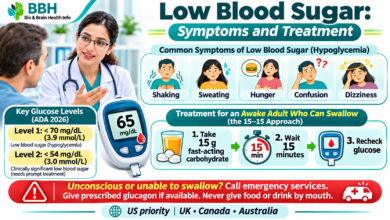
Shakiness, sweating, palpitations, hunger, dizziness and confusion may signal hypoglycemia. Some people have reduced awareness of low glucose, so monitoring and an emergency plan are especially important with insulin or sulfonylureas. Severe lows can cause seizures or unconsciousness.
People who are awake and can swallow should follow their prescribed rapid-carbohydrate treatment and rechecking instructions. Unconsciousness, seizure or inability to swallow is an emergency; do not give food or liquid by mouth. Ask about glucagon if you are at risk of severe hypoglycemia. Repeated low episodes require prompt medication review.
When High Glucose Needs Attention
Repeated high readings merit a clinical review even if symptoms are mild. Extreme thirst, frequent urination and unexplained weight loss may indicate poor glucose control or illness. Severe vomiting, abdominal pain, deep breathing, confusion, dehydration or marked drowsiness require urgent assessment for a hyperglycemic emergency.
People with type 1 diabetes, insulin pump malfunction or suspected insulin deficiency may need to check ketones according to their personal sick-day plan. Ketoacidosis can occur at unexpectedly modest glucose levels with SGLT2 medicines. Do not use intense exercise or prolonged fasting to correct concerning readings.
A useful plan for blood sugar fluctuations prioritizes repeated patterns, safe glucose targets and fewer dangerous lows rather than chasing each individual reading.
Evidence-Based Ways to Reduce Wide Swings
Start with one change you can sustain: build a balanced meal pattern, learn typical carbohydrate portions, replace sweetened drinks with water when appropriate, walk safely, take prescriptions as directed and protect sleep. Structured education and a dietitian can help translate these into culturally suitable routines.
If a CGM graph looks dramatic, identify whether the values reflect genuine highs or lows, how long they last and whether similar events recur. Avoid repeated finger-pricks without a purpose, rigid fasting and impulsive medication changes. Treatment may sometimes need to be simplified rather than intensified, particularly when lows are the main problem.
Daily Movement and Stored Muscle Glycogen
Walking helps muscles use blood glucose and stored glycogen, but exercise does not simply “flush” sugar from the body. Working muscles use a mixture of blood glucose, glycogen and fat according to activity intensity and duration. Regular movement can improve insulin sensitivity even when one walk has little immediate effect on a meter.
A comfortable five-to-ten-minute walk after one meal may be a useful starting point for someone who can exercise safely, building up gradually. Resistance bands, chair-based activity and breaks from sitting are other options. Insulin users need to plan for low glucose, and people with chest symptoms, foot wounds or suspected ketones should seek medical advice first.
Meditation, Breathing and Spiritual Support
Gentle breathing, meditation, gratitude, reflective prayer or other optional spiritual practices may make everyday diabetes management feel less overwhelming. They can help with stress and routine-building, but evidence for direct long-term glucose benefits varies and is insufficient to promise a cure or immediate reduction in readings.
A two-to-five-minute comfortable breathing break followed by a short safe walk can combine emotional support with movement. Stop any breath exercise that causes dizziness or distress. Faith-based practices should always be optional and never framed as proof that someone can control glucose through willpower alone.
Do Detox Drinks Stabilize Blood Sugar?
No evidence-based “detox drink” can cleanse stored glycogen or remove sugar directly from the body. Lemon water, cucumber water, cinnamon tea or juice cleanses are not substitutes for insulin or medical care. Plain water can help maintain hydration and may be a better substitute for sweetened drinks, subject to any medical fluid restrictions.
Very restrictive fasting, unregulated detox teas and concentrated supplements may create medication interactions, dehydration or hypoglycemia. Readers should be cautious of promises to stabilize glucose instantly. A safe plan focuses on repeated patterns, appropriate movement, nutrition and prescribed care.
Three-Day Glucose Pattern Detective Worksheet
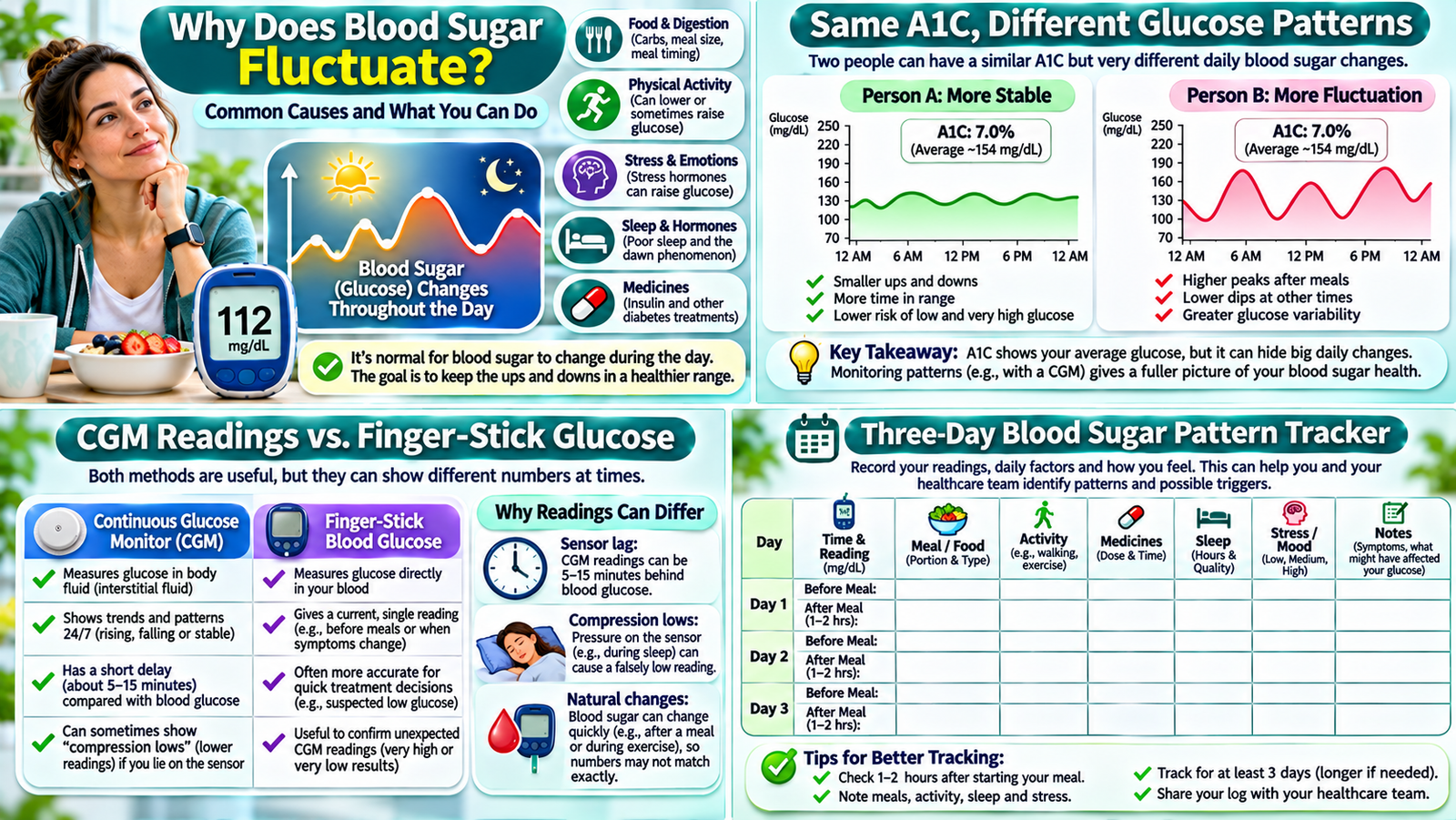
One way to add value beyond a list of tips is a short “glucose pattern detective” record. For three typical days, note the time of readings, food and drink, prescribed medication, walking or unusual activity, sleep, stress, illness and symptoms. If using CGM, note whether readings were confirmed when they disagreed with symptoms.
The worksheet is for discussion with the care team, not a mandate to measure constantly or adjust medicines independently. A patient may need less testing or a different schedule based on diabetes type, therapy and preferences.
| Day | Glucose pattern | Meal / medicines | Activity / sleep / symptoms |
|---|---|---|---|
| Day 1 | Bedtime, meals, lows or highs | Record key timing | Record context |
| Day 2 | Same agreed measurements | Record typical meals | Note unusual factors |
| Day 3 | Look for a repeated pattern | Check medicine access | Questions for your clinician |
Type 1, Type 2, Older Adults and Pregnancy
Type 1 diabetes requires essential insulin; pump delivery problems can lead to rapid hyperglycemia and ketoacidosis. With type 2 diabetes, insulin resistance, medication classes, weight-related factors and cardiovascular or kidney health may be prominent. Some people with frailty are safer with less stringent targets and less complex treatment.
Pregnancy uses different glucose targets and medicine considerations. People with anemia, certain hemoglobin variants or kidney disease may have A1C measurements that do not fully represent their glucose exposure. Personalized care should account for the patient’s whole health and preferences.
USA, UK, Australia and Canada Guidance
United States readers can use ADA 2026 Standards and CDC education for individualized A1C, CGM metrics, hypoglycemia and self-management. In the UK, NICE NG28 supports tailored treatment and does not require routine self-monitoring for every person with type 2 diabetes. Australian NDSS resources explain glucose checking and education; Canadian guidelines use mmol/L-based reference ranges and individualized targets.
Terminology and glucose units differ: 70–180 mg/dL is about 3.9–10.0 mmol/L. Device availability, drug labeling, insurance or public reimbursement and clinical thresholds may vary by region. A US recommendation should not automatically be treated as a prescribing instruction elsewhere.
Frequently Asked Questions
Why do my readings go up and down when I eat similarly? Sleep, stress, movement, illness, hormones and treatment coverage may differ. Can glucose vary without food? Yes; the liver releases glucose and hormones influence insulin sensitivity. Can exercise raise glucose? High-intensity exercise can temporarily increase readings in some people, while movement often supports glucose use.
Does a good A1C mean my levels are stable? Not necessarily; CGM may reveal highs and lows. Are CGM lows always real? No; sensor pressure and lag can mislead, so follow device confirmation guidance. Do detox drinks help? They do not flush sugar. When should I call a clinician? For recurring highs or lows, changing symptoms, medication problems, and any serious warning signs.
Five Related BBH Diabetes Guides and Support
Sources and Medical Disclaimer
- ADA Standards of Care 2026: Glycemic Goals, Hypoglycemia and Hyperglycemic Crises
- ADA 2026: CGM Variability and Time in Range
- CDC: Factors That Spike Blood Sugar
- Mayo Clinic: Why Blood Sugar Changes
- ISPAD: CGM Accuracy and Compression Artifacts
- NICE: Glucose Monitoring Guidance
- Australia NDSS: Glucose Monitoring
- Diabetes Canada Clinical Practice Guidelines
- CDC: Diabetes and Mental Health
- ADA 2026: Psychosocial and Behavioral Care
- EASD 2026: Managing Diabetes Distress
- NIDDK: Helping Patients Manage Stress