Why Is Blood Sugar High in the Morning?
Morning High Blood Sugar: Causes and Tips

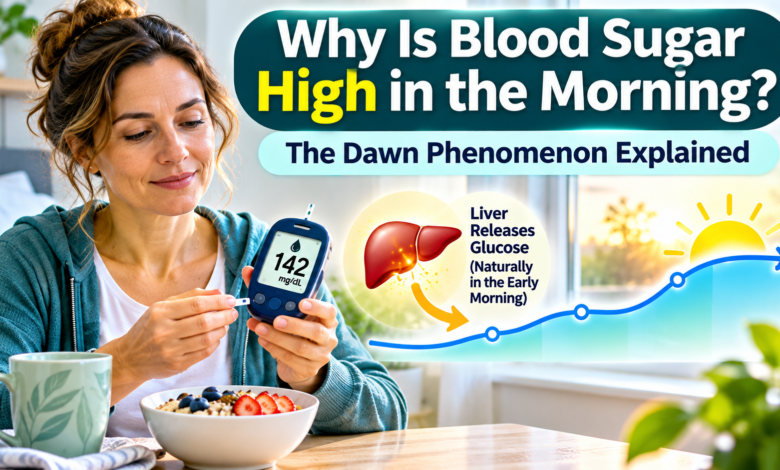
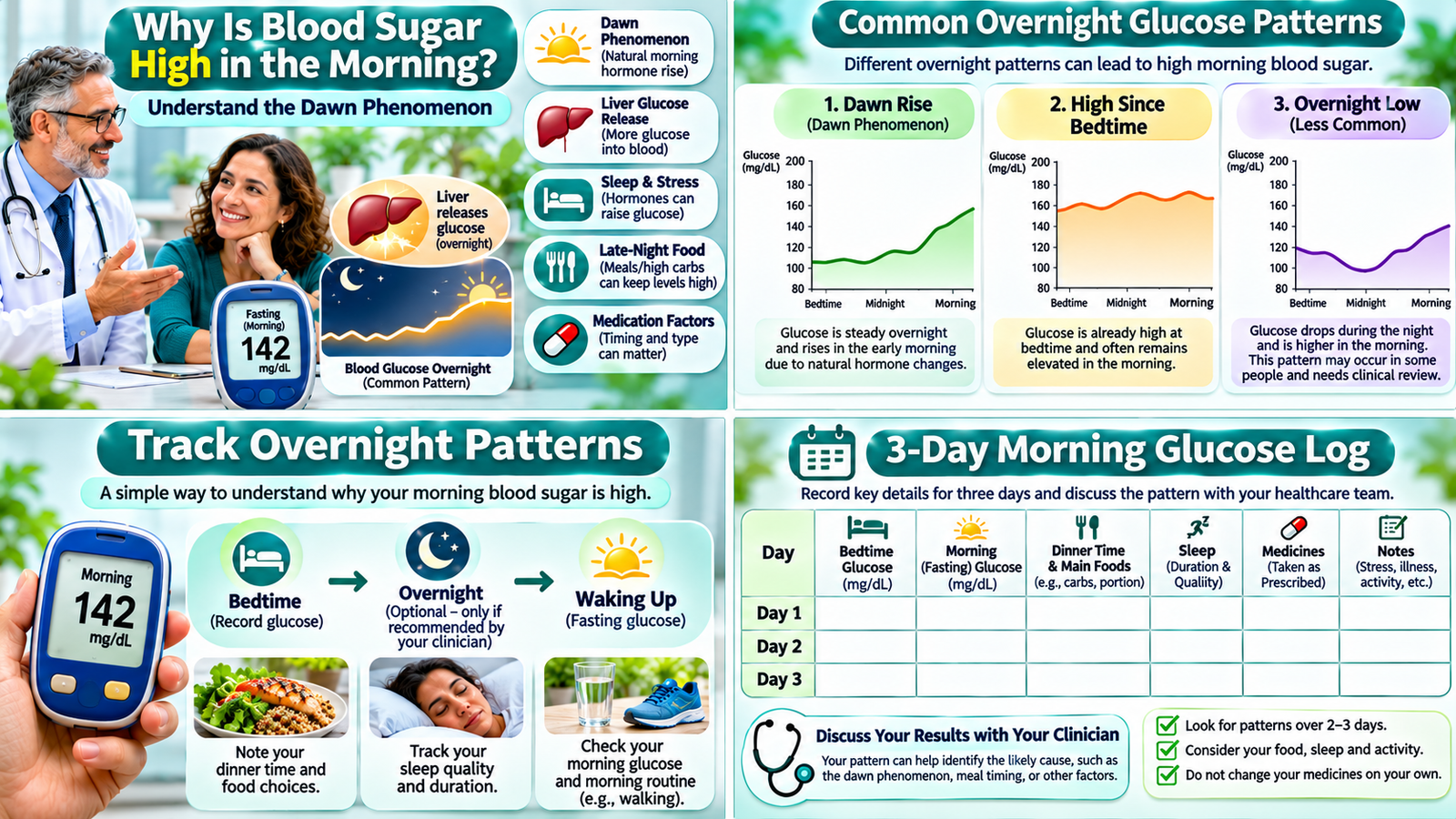
High blood sugar in the morning can happen even when you have not eaten overnight. The most common reasons include early-morning hormone activity (the dawn phenomenon), insufficient medication coverage or persistently elevated glucose from the evening. Less commonly, an overnight low glucose episode may complicate interpretation. Understanding the pattern is more useful than assuming the problem is always dinner.
Thank you for reading this post, don't forget to subscribe!This guide explains the physiology, what overnight glucose measurements can and cannot tell you, evidence-based options to discuss with your diabetes team, and when medical evaluation is urgent. It prioritizes United States guidance and includes helpful context for people in the United Kingdom, Australia and Canada. It is written for education, not personal insulin dosing.
Related BBH guide: Managing Blood Sugar: Daily Habits.
Why Is Blood Sugar High in the Morning?
The American Diabetes Association identifies dawn phenomenon and waning insulin as prominent reasons for morning hyperglycemia. The correct response depends on whether glucose was already high at bedtime, increased gradually throughout the night or rose only during the hours before waking. Those patterns can lead to very different clinical decisions.
High Blood Sugar in the Morning and the Dawn Phenomenon
The body follows daily biological rhythms. In the hours before waking—often roughly 3 to 8 a.m.—counterregulatory hormones such as cortisol, growth hormone, glucagon and catecholamines can increase hepatic glucose production and temporarily reduce insulin sensitivity. In people without diabetes, insulin secretion typically helps keep this change in check.
With diabetes, insufficient insulin production or insulin resistance may leave the early-morning increase less controlled. The result can be a rise in glucose even when nothing was eaten overnight. The timing is not identical for everyone; night-shift workers, travelers and people with irregular sleep schedules may have different patterns.
Why the liver is part of the explanation
The liver stores glucose in the form of glycogen and can also make glucose from noncarbohydrate substrates. Its overnight glucose output supports essential functions during fasting. The body is not necessarily “making a mistake” by releasing glucose; the mismatch occurs when available insulin cannot adequately regulate the rise.
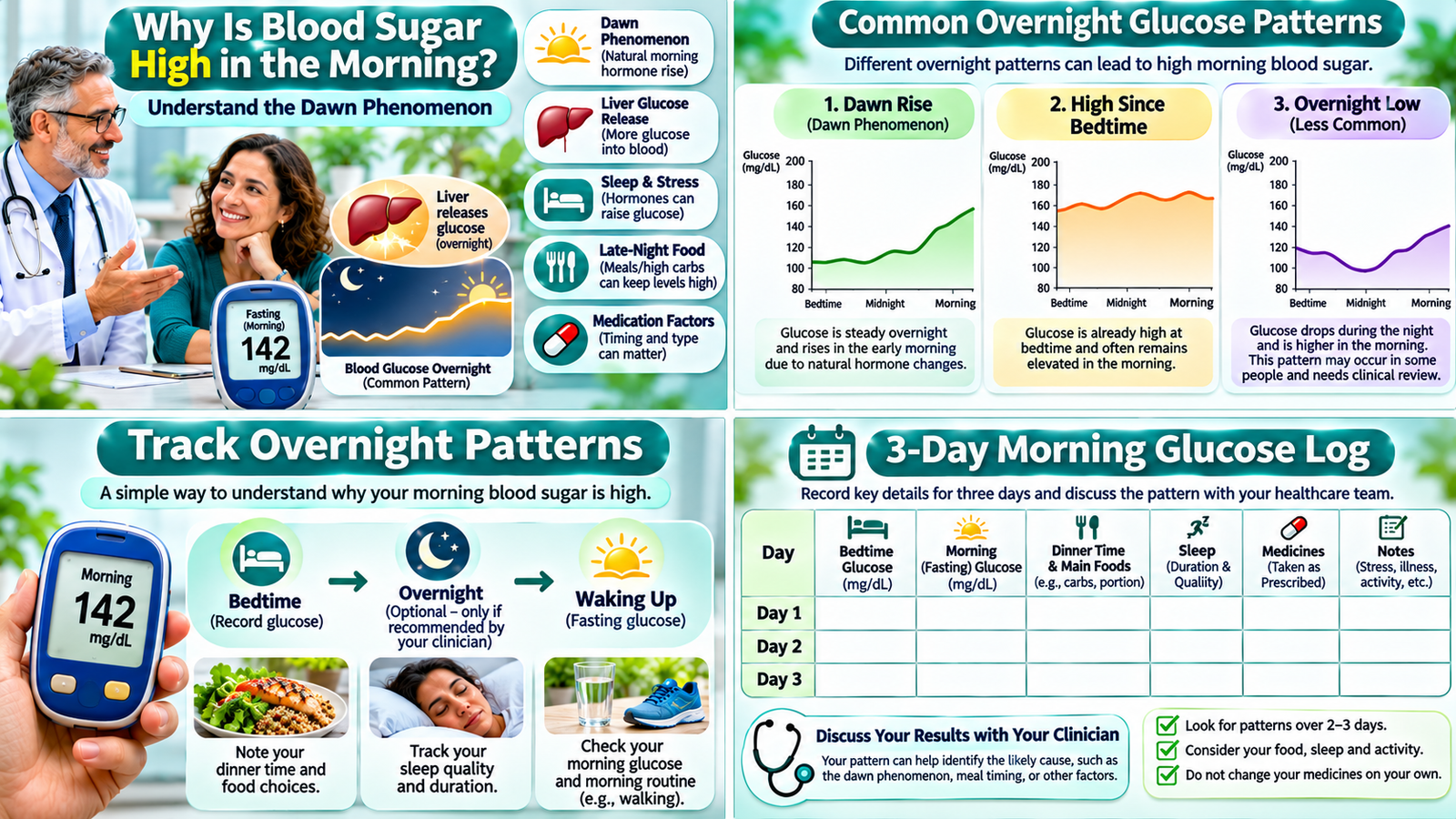
A true dawn pattern is best understood as glucose that rises during the predawn hours without preceding nocturnal hypoglycemia. A glucose monitor or well-planned overnight checks can help demonstrate that trend.
High Blood Sugar in the Morning: Compare Overnight Patterns
Morning Glucose Patterns: The Key Comparison
| Pattern seen overnight | Possible explanation | Safe next step |
|---|---|---|
| High at bedtime and still high on waking | Evening meal, earlier hyperglycemia, insufficient overall control | Review evening food, medication and the full-day pattern |
| Near target at bedtime, then rising before waking | Dawn phenomenon or waning insulin action | Review CGM trend and medication coverage with a clinician |
| Low during the night, then high on waking | Overnight hypoglycemia followed by a high reading; rebound mechanism not always established | Prioritize evaluating and preventing nocturnal lows |
| Variable fasting readings following poor sleep or illness | Stress, infection, steroid medicines, sleep disruption or inconsistent routine | Document symptoms and discuss contributing factors |
| CGM shows a brief nighttime low without symptoms | Could be real, or a pressure-related sensor artifact | Confirm when indicated and compare device guidance |
The same fasting glucose value can arise from multiple underlying patterns. This is why treating a single high reading with an unplanned insulin adjustment may be dangerous: it could worsen an undetected overnight low.
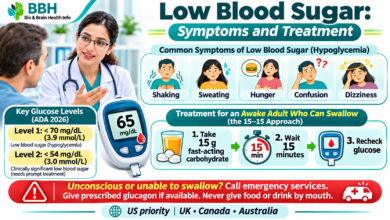
Related BBH guide: Low Blood Sugar: Symptoms and Treatment.
Somogyi Effect: Is Rebound High Blood Sugar Real?
The Somogyi effect is a traditional explanation in which an overnight hypoglycemic episode triggers counterregulatory hormones, followed by high glucose on waking. It remains familiar to patients and clinicians, but modern CGM evidence has cast doubt on how frequently it explains morning highs, particularly in type 2 diabetes.
In a large retrospective study of CGM recordings from people with type 2 diabetes, nocturnal hypoglycemia was not followed by the expected rebound fasting hyperglycemia. Cleveland Clinic similarly cautions that research does not consistently support the mechanism. This does not mean overnight lows are harmless or that high readings after low glucose are impossible, especially after overtreatment with rescue carbohydrates.
What matters more than arguing about a label
Identify whether a genuine low glucose episode occurred. If it did, preventing future nocturnal hypoglycemia is a priority. If glucose remained stable until it rose before waking, the dawn phenomenon is more plausible. The response should be guided by verified patterns, individual therapy and clinician review—not an assumption that every high morning glucose reflects a hidden low.
Related BBH guide: Starting Insulin for Type 2 Diabetes.
High Morning Blood Sugar: Medication and Insulin Coverage
Insulin, sulfonylureas and other diabetes medicines have distinct durations, mechanisms and hypoglycemia risks. A basal insulin regimen that does not provide adequate overnight coverage can contribute to fasting hyperglycemia, but excessively strong coverage can lead to nocturnal lows. Timing, device technique, illness and overall treatment goals matter.
For people with type 2 diabetes, a clinician might review medication schedules, injection technique, basal insulin adequacy, use of CGM or a different treatment approach. For people with type 1 diabetes, insulin delivery and pump settings require extra attention because insufficient insulin can lead to diabetic ketoacidosis.
Avoid self-adjusting insulin based on dawn phenomenon
Do not raise bedtime insulin, change pump basal settings or add correction doses based on a blog. A change that reduces a predawn rise may increase hypoglycemia earlier in the night. Reviewing multiple overnight readings and a personalized plan is safer than responding to one morning result.
When reviewing high blood sugar in the morning, bedtime food records can help distinguish earlier evening elevations from a true predawn rise.
Late Meals, Evening Snacks and Alcohol
A large late dinner or a bedtime snack containing substantial carbohydrates may produce higher glucose that persists into the morning, especially if the meal was high in fat and digests slowly. An evening glucose reading can help show whether the morning result is truly new or is a continuation of earlier hyperglycemia.
There is no universal rule that everyone with diabetes should skip bedtime snacks. For some people—especially those at risk of hypoglycemia—snack timing and content must align with the prescribed treatment plan. A dietitian can help assess portions, meal timing, hunger and sleep schedule without demanding extreme fasting.
Alcohol can increase the risk of delayed hypoglycemia in people using insulin or insulin-releasing medicines. The combined effects of food, alcohol and medications may confuse overnight patterns, so share relevant information with your clinician without assuming every fluctuation is caused by a specific food.
High Blood Sugar in the Morning After Poor Sleep
Sleep, Stress Hormones and Morning Readings
Poor sleep, sleep apnea, emotional stress, pain and irregular sleep timing can contribute to higher glucose or more variable readings. Stress-related hormones influence liver glucose production and insulin sensitivity. Sleep deprivation can also interfere with appetite, exercise and medication routines.
Simple routines—protecting adequate sleep time, following treatment instructions and addressing persistent insomnia—may help overall management. Heavy snoring, choking or gasping during sleep and persistent daytime sleepiness may indicate obstructive sleep apnea, which deserves clinical evaluation.
Meditation and breathing exercises may reduce perceived stress for some individuals, but the evidence does not support promising that a five-minute practice will correct a dawn hormone surge or remove glucose directly.
Illness, Corticosteroids and Other Morning Glucose Causes
An infection, inflammatory illness, injury or recovery from surgery may increase glucose even when food intake is lower than usual. Corticosteroid medicines can raise glucose, although their effects depend on the steroid, dose and timing. Other medications and hormonal disorders can also influence fasting readings.
People with severe hyperglycemia need a clinical assessment rather than simply being told to eat less sugar. Changes in insulin access, missed doses, medication costs, a malfunctioning device or expired supplies may be relevant. A record of recent illnesses and medicines provides important context.
If the fasting pattern changes suddenly or is accompanied by weight loss, thirst, frequent urination or marked fatigue, arrange timely professional evaluation. Persistent hyperglycemia can require medication adjustment even when lifestyle habits are otherwise strong.
How to Check Fasting Blood Sugar Reliably
A fasting home glucose reading is normally taken before breakfast or calorie-containing drinks, following the individual’s care plan. Wash and dry your hands before using a finger-stick meter; food residue on fingers can produce misleading measurements. Follow test-strip storage instructions, device quality-control requirements and professional advice for unusual results.
If a result seems very different from expected or does not match symptoms, repeat or verify it using the device instructions. Home glucose meters and CGM sensors both have measurement limitations. A single number should not be used to diagnose diabetes, change insulin independently or conclude that overnight glucose was consistently high.
What information should you write down?
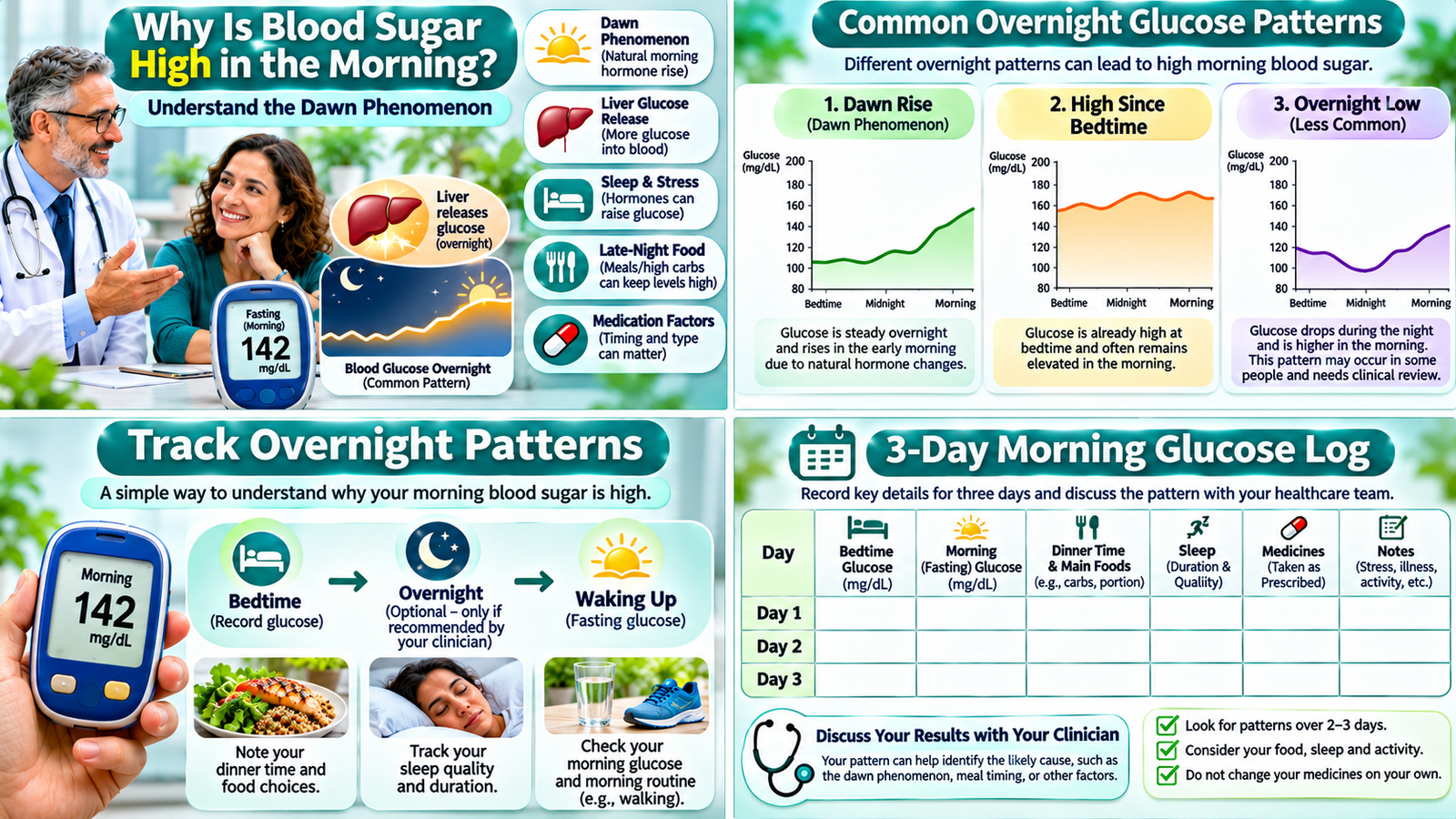
Note the bedtime glucose, waking glucose, timing of evening food, relevant medicines and any symptoms. If directed by your healthcare professional, additional overnight measurements may clarify trends. Record unusual activity, late sleep or illness to make follow-up discussions more productive.
Related BBH guide: Time in Range: What Your CGM Shows.
Repeated high blood sugar in the morning can be easier to investigate when several nights of CGM data are available and reviewed with a clinician.
Using CGM to Understand the Dawn Phenomenon
Continuous glucose monitoring can reveal whether glucose remained flat overnight, drifted upward after a late meal, fell too low or rose near waking. CGM is particularly useful when morning glucose is persistently above goal, symptoms suggest nocturnal hypoglycemia or insulin treatment is being reviewed.
A clinician may recommend examining several nights of trends rather than a single day. Sensor compression during sleep can sometimes produce an artificially low reading. Follow device guidance for checking readings against symptoms and confirm with a finger-stick measurement when appropriate.
CGM shows glucose in interstitial fluid rather than blood and may lag during rapid changes. The graph is a decision-support tool, not permission to make unplanned insulin adjustments.
Related BBH guide: Diabetes Treatment Goals: Individualized Care.
What Counts as High Fasting Blood Sugar?
The meaning depends on whether someone is being screened for diabetes or is already receiving diabetes treatment. For many nonpregnant adults receiving diabetes care, an ADA premeal target of approximately 80–130 mg/dL (4.4–7.2 mmol/L) is a common starting reference, but it must be individualized.
| Measurement | General reference | Important limitation |
|---|---|---|
| Fasting home glucose for many treated adults | Often 80–130 mg/dL (4.4–7.2 mmol/L) | Not an individualized prescription |
| Laboratory fasting plasma glucose 100–125 mg/dL | Prediabetes range in US screening criteria | Requires appropriate laboratory interpretation |
| Laboratory fasting plasma glucose 126 mg/dL or higher | In the diabetes diagnostic range | Usually requires confirmation unless clear symptomatic hyperglycemia |
| Pregnancy-related fasting targets | Often lower than nonpregnant adult targets | Requires obstetric and diabetes specialist guidance |
Diagnosis and treatment targets are different concepts. A person with established diabetes does not necessarily have the same fasting goal as a healthy person undergoing screening. HbA1c, CGM time in range and complications also influence treatment decisions.
High Blood Sugar in the Morning: Safe Daily Actions
What Helps With High Blood Sugar in the Morning?
A useful response begins with identifying the pattern and the person’s safety risks. These steps are general educational actions, not a sequence for self-adjusting insulin.
| Practical action | Why it may help |
|---|---|
| Review evening meals and late snacks | Distinguishes persistent evening highs from predawn rises |
| Use a glucose log or CGM when indicated | Reveals overnight patterns and possible lows |
| Take prescribed medicines as directed | Reduces preventable treatment gaps |
| Discuss recurring fasting highs with the care team | Allows safe review of dose, timing or treatment choice |
| Make room for regular physical activity | Can improve insulin sensitivity over time |
| Protect sleep and manage stress | Supports glucose regulation and consistent self-care |
| Stay hydrated as clinically appropriate | Helps prevent dehydration; is not a glucose “flush” |
| Follow a personalized sick-day plan | Addresses rising glucose during illness and ketone risks |
People may also need assistance with medicine affordability, CGM access or instructions for devices. Correcting these barriers can be more effective than an additional restrictive diet rule.
Walking, Exercise and Stored Glucose
A common misconception is that the only way to reduce morning glucose is to stop eating sugar. Although carbohydrate awareness matters, working muscles use glucose and glycogen for energy. Regular walking, suitable resistance exercise and breaks from prolonged sitting can improve glucose uptake and insulin sensitivity.
A safe starting goal for a previously inactive adult may be a comfortable five-to-ten-minute walk after a meal, building up as tolerated. Exercise has different effects depending on timing, duration, individual fitness, medicines and current glucose. A short evening walk may support some people, but it does not reliably prevent the dawn phenomenon in everyone.
When exercise needs extra care
People using insulin or sulfonylureas may develop exercise-related hypoglycemia, including delayed lows overnight. People with illness, possible ketones, chest symptoms, foot ulcers or other complications should seek appropriate advice before exercise. Do not force glucose down with strenuous exercise when severe hyperglycemia or ketoacidosis is suspected.
Meditation, Gentle Breathing and Spiritual Well-Being
Meditation, reflective prayer, gratitude, gentle breathing and other optional spiritual practices may support emotional well-being and make diabetes routines easier to maintain. These are legitimate personal coping strategies for people who find them meaningful; religious participation is never a requirement for effective treatment.
A short breathing pause—comfortable slow inhalation followed by a gentle exhalation without forced breath-holding—may help reduce distress. However, mind-body activities do not directly clear stored sugar, replace insulin or reliably correct a high fasting value. Their main role here is coping, sleep and sustainable self-care.
Combine them with prescribed treatment, suitable movement, nutrition and timely medical review. A reader who feels anxious about a high morning number may benefit from calm decision-making and a documented plan rather than repeated unscheduled glucose checks.
Can Detox Drinks Lower High Morning Glucose?
No drink has been proven to “clean” stored sugar from the body or rapidly reverse dawn phenomenon. Water or unsweetened flavored water may be healthier everyday substitutes for sugary beverages and can help maintain hydration, but neither lemon water nor cucumber water is a specific treatment for morning hyperglycemia.
Juice cleanses, herbal detox teas and concentrated supplements may create additional risks, especially if they trigger fasting, dehydration or interactions with diabetes medicines. Drinks marketed as natural can still contain substantial carbohydrates. Do not use a cleanse instead of checking patterns or discussing persistent high readings with a clinician.
Type 1 Diabetes, Insulin Pumps and Overnight Insulin
People with type 1 diabetes require insulin. Dawn phenomenon may create a higher early-morning insulin requirement, but safely managing it depends on how insulin is delivered and whether other parts of the night show lows. Continuous glucose monitoring and professional review of insulin pump or automated insulin delivery reports can be valuable.
Pump infusion-set problems, missed insulin and other delivery failures can cause rapid hyperglycemia and potentially dangerous ketone accumulation. Follow the individual’s pump failure and sick-day protocols, which may include glucose and ketone checking and urgent contact with the care team.
Changing basal schedules or delivering extra correction insulin without an established individualized plan can create hypoglycemia. Technology improves information but does not remove the need for safe education and treatment oversight.
Pregnancy, Older Adults and People at Higher Risk
Pregnancy uses distinct glucose targets, and persistent fasting elevations can be important even when daytime numbers are reassuring. Pregnant readers should work closely with an obstetric and diabetes team rather than applying general adult target tables. High or low overnight readings may require more frequent review.
For older adults, frailty, cognitive changes, kidney disease and hypoglycemia unawareness may make stringent fasting goals unsafe. Avoiding severe lows and an overly complex regimen can be more important than achieving a low number at any cost.
People with diabetes who use SGLT2 inhibitors, have a history of ketoacidosis or have limited access to monitoring supplies also need specific precautions. Safety plans should reflect personal medical history.
When High Morning Glucose Needs Urgent Medical Care
Repeated elevated fasting glucose warrants review, but severe symptoms require immediate medical assessment. Vomiting, abdominal pain, deep or rapid breathing, confusion, dehydration and unusual drowsiness can indicate diabetic ketoacidosis or hyperosmolar complications. These emergencies are more important than determining whether a dawn phenomenon is present.
People with type 1 diabetes, pump malfunctions or significant insulin deficiency may need to check ketones according to their sick-day plan. SGLT2 medicines can cause ketoacidosis even when glucose is not extremely high. Do not use exercise, prolonged fasting or supplements to treat suspected metabolic emergencies.
A brief log of high blood sugar in the morning should record the context and symptoms as well as the glucose number, rather than encouraging independent medication changes.
Three-Day Morning Glucose Investigation: A Practical Log
| What to record | Evening / overnight | On waking |
|---|---|---|
| Glucose readings | Bedtime; any additional measurement your clinician recommends | Before breakfast when clinically indicated |
| Food timing | Dinner time, substantial late snacks or alcohol | Whether fasting conditions were met |
| Medicines | Relevant prescribed doses and timing | Missed doses or delivery problems to discuss |
| Movement and sleep | Exercise, sleep disruption or overnight symptoms | Energy, thirst, symptoms and stress |
| Notes for care team | Any overnight low or unusual CGM graph | Questions and repeated patterns |
This example log is designed for discussion, not for self-diagnosis. A person using CGM can review several nights without waking up just to check glucose unless advised. One isolated reading is less useful than a repeated pattern across ordinary days.
Consider bringing the log to a diabetes self-management education appointment. The clinician can compare bedtime-to-waking changes, review medications and identify whether testing or treatment modification is appropriate.
Morning Blood Sugar: US, UK, Australia and Canada
| Country | Useful sources | Local context |
|---|---|---|
| United States (priority) | ADA High Morning Blood Glucose; 2026 Standards of Care | CGM, individualized glucose targets and medication safety |
| United Kingdom | NICE diabetes guidance and Breakthrough T1D UK | Morning patterns, local mmol/L reporting and personalized treatment |
| Australia | Diabetes Victoria and NDSS | Dawn phenomenon education and locally available diabetes support |
| Canada | Diabetes Canada and HealthLink BC | Morning hyperglycemia resources and clinician-guided overnight checks |
For US readers, glucose is typically reported in mg/dL; the UK, Australia and Canada generally use mmol/L. One mmol/L is approximately 18 mg/dL. Management principles are broadly similar, but therapy availability and guideline details differ. Use your country’s current product information and professional guidance.
It is especially important not to copy an insulin timing or dosage suggestion from a foreign resource, because the formulation and prescribed regimen may be different.
Common Myths About Morning Hyperglycemia
Myth: Morning high glucose always means you ate sugar at night
A hormone-related dawn rise can occur after a night without food. Bedtime and overnight trends help distinguish it from a persistent evening high.
Myth: Morning high glucose always means a low occurred overnight
Large CGM studies do not support treating rebound hypoglycemia as the default explanation. Verify actual overnight lows.
Myth: A bedtime snack cures dawn phenomenon
The effect depends on the person’s medication and glucose patterns. An unnecessary snack may worsen morning readings.
Myth: More bedtime insulin is always the solution
Excess nighttime insulin can cause dangerous lows. Doses should be reviewed by the prescribing team.
Myth: Lemon water removes stored sugar
Hydration matters, but detox water cannot flush glycogen out of muscles or substitute for diabetes care.
Frequently Asked Questions
Why is my sugar higher after sleeping than before bed?
Early-morning hormone activity, inadequate insulin coverage or a continuing rise from the prior evening may be involved. Overnight trends help identify the pattern.
What is the dawn phenomenon?
It is a rise in glucose in the hours before waking, often linked to natural hormone activity and increased liver glucose output.
Can stress or poor sleep raise fasting sugar?
Yes, they can influence glucose regulation and daily management, although individual responses vary.
Is a 3 a.m. glucose check always necessary?
No. Some people can review CGM trends, while others may be advised to take occasional overnight readings. Ask the care team.
Is the Somogyi effect proven?
The traditional rebound explanation is not consistently supported by modern CGM data, especially in type 2 diabetes.
Can walking after dinner help?
It may support post-meal glucose and insulin sensitivity, but the effect varies and exercise-related lows are possible with certain medicines.
Does skipping breakfast solve morning high glucose?
Not reliably. Meal skipping can be unsafe with some diabetes medicines and should not replace a review of glucose patterns.
What if I wake with high glucose every day?
Bring several days of readings and information about sleep, food and medication timing to your diabetes clinician for individualized assessment.
Related BBH Articles and Support
Evidence Sources and Medical Disclaimer
- American Diabetes Association: High Morning Blood Glucose
- ADA Standards of Care 2026: Glycemic Goals, Hypoglycemia and Hyperglycemic Crises
- ADA Standards of Care 2026: Pharmacologic Approaches
- Cleveland Clinic: Dawn Phenomenon
- Cleveland Clinic: Somogyi Effect
- 2022 CGM Study Evaluating the Somogyi Effect in Type 2 Diabetes
- NICE: Type 2 Diabetes in Adults
- Diabetes Victoria: Morning High Glucose
- Diabetes Canada: Managing the Dawn Phenomenon
- HealthLink BC: Dawn and Somogyi