Sleep and Blood Sugar: What Research Says
How Sleep Affects Blood Sugar Levels

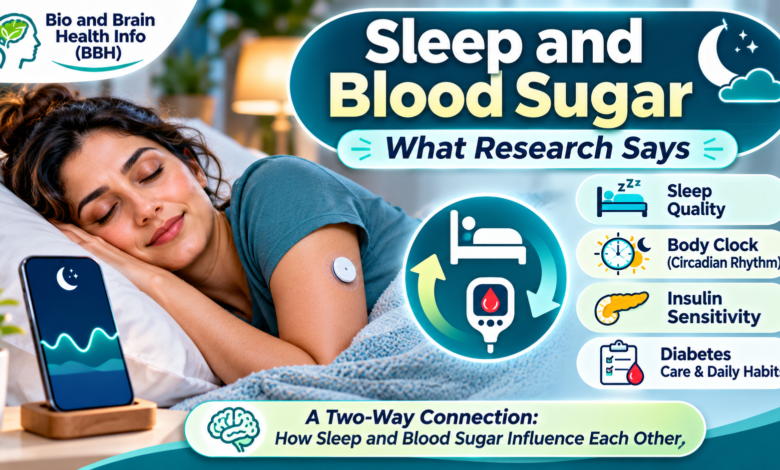
The connection between sleep and blood sugar is a two-way relationship: too little or disrupted sleep may worsen insulin sensitivity, and glucose extremes can disrupt rest. People with diabetes should know the difference between ordinary tiredness, chronic insomnia, sleep apnea, nighttime lows and high morning glucose. This research-based BBH guide explains what is known, what remains uncertain and how to discuss recurring patterns safely.
Thank you for reading this post, don't forget to subscribe!This guide prioritizes US recommendations from the ADA 2026 Standards while comparing UK, Australian and Canadian educational resources. It includes real-world problems that health articles often overlook: financial stress, noisy households, shift work, nighttime CGM alarms and the emotional burden of managing diabetes.
Related BBH guide: Why Does Blood Sugar Fluctuate?.
Sleep and Blood Sugar: Why the Link Matters
Sleep is a biological process that supports hormone regulation, attention, appetite and recovery. A short or disturbed night can affect how the body uses insulin, while high or low glucose can also interrupt sleep. This creates a two-way relationship rather than a simple story in which every poor night causes a predictable morning glucose spike.
The American Diabetes Association’s 2026 Standards recommend screening sleep health in people with diabetes or prediabetes, including sleep disorders and diabetes-related disruptions. This puts sleep beside food, physical activity and emotional well-being as a legitimate topic in a clinical review—not a substitute for prescribed treatment.
Sleep and Blood Sugar: Research Strength and Limitations
What Research Actually Shows About Sleep and Glucose
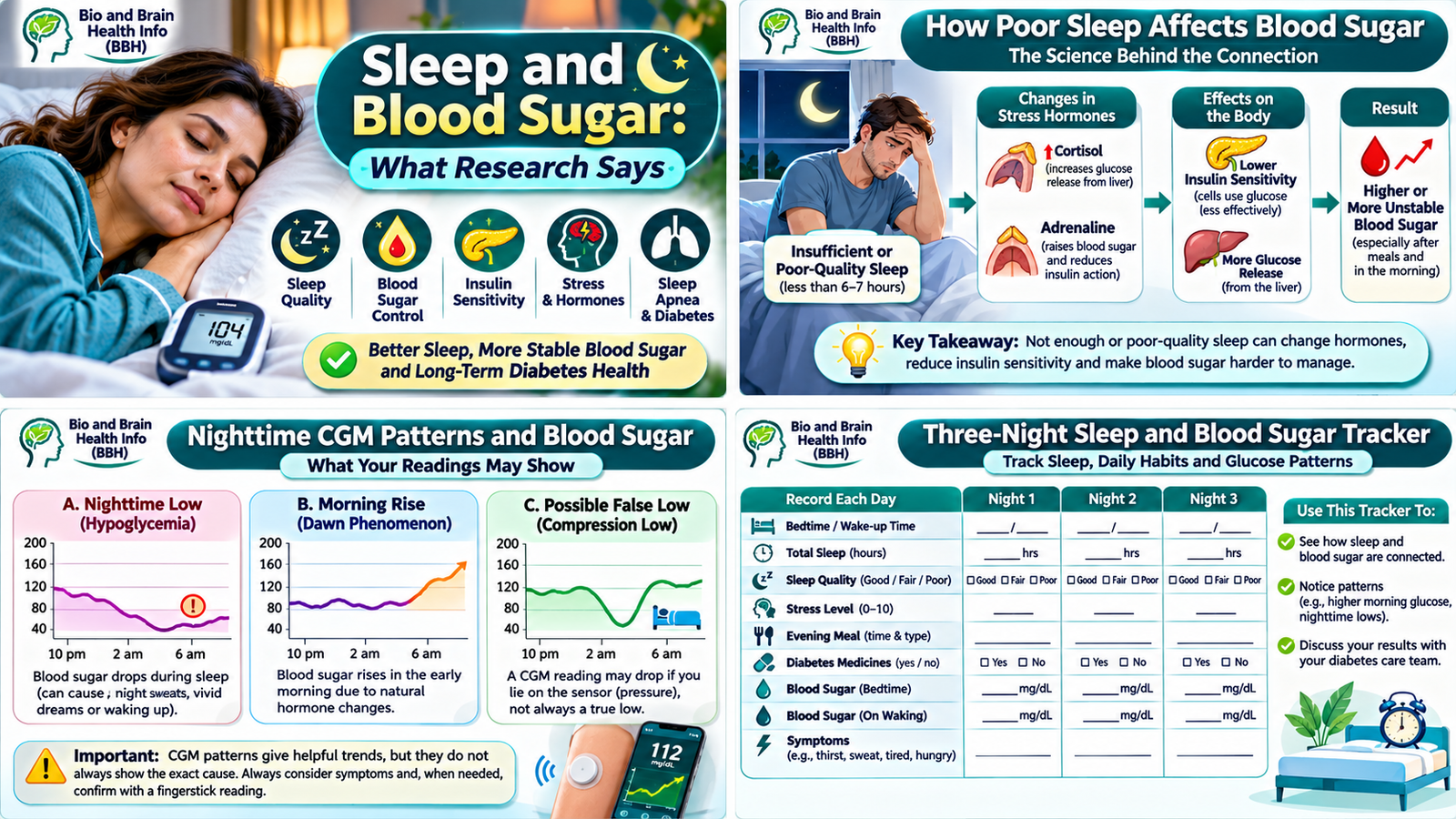
Controlled experiments provide evidence that restricting sleep can reduce insulin sensitivity. A systematic review and meta-analysis of randomized studies found that sleep restriction worsened measured markers of insulin sensitivity. The findings support biological plausibility; they cannot predict how many mg/dL an individual’s glucose will rise after one bad night.
Observational studies also connect insomnia and sleep disorders with diabetes outcomes, but factors such as weight, medicines, pain, depression and shift schedules may contribute. Research on improving sleep is promising, including diabetes sleep-education programs, but readers should not infer that correcting sleep alone reliably reverses type 2 diabetes.
| Evidence type | What it supports | What it cannot prove |
|---|---|---|
| Randomized sleep restriction studies | Sleep loss can reduce insulin sensitivity | Exact glucose rise in any one individual |
| Observational insomnia studies | Insomnia correlates with some glucose outcomes | That insomnia directly caused diabetes |
| Sleep education interventions | Potential improvements in sleep and some metabolic outcomes | Guaranteed A1C improvement or remission |
Cortisol, Insulin Resistance and the Body Clock
Sleep disruption may change the timing of cortisol and other regulatory hormones. Poor sleep can impair insulin sensitivity, while the liver continues releasing glucose between meals. A person can therefore wake with higher readings despite having eaten the same dinner as usual.
Circadian rhythm matters too: the body does not process identical meals in exactly the same way at all times of day. Irregular bedtimes and overnight activity may contribute to misalignment. That does not mean waking late is inherently harmful; consistency, adequate sleep opportunity and the person’s schedule deserve more attention than an arbitrary clock time.
How Many Hours of Sleep Should Adults Aim For?
Most adults are advised to obtain roughly seven to nine hours of sleep per night, although individual needs vary. Duration alone does not describe sleep quality. Someone may spend eight hours in bed but experience repeated awakenings, severe snoring or significant daytime sleepiness.
Avoid turning sleep targets into a source of anxiety. If someone has chronic insomnia or a difficult work schedule, insisting on a perfect bedtime can backfire. A clinician can help identify underlying sleep disorders, painful symptoms or medications affecting rest.
Interrupted Sleep, Insomnia and Glucose Variability
Insomnia includes trouble falling asleep, staying asleep or waking too early, typically accompanied by daytime effects. It can be driven or worsened by stress, depression, chronic pain and environmental circumstances. Insomnia symptoms have been associated with poorer glucose outcomes in observational research, but these studies do not establish that insomnia caused diabetes.
Evidence-based cognitive behavioral therapy for insomnia (CBT-I) is generally recommended as a first-line treatment for chronic insomnia. Sleep-hygiene tips alone may not be enough for ongoing symptoms. A sleep specialist or trained therapist can provide a structured plan without automatically adding a sedating medicine.
The link between sleep and blood sugar becomes especially important when snoring or interrupted breathing points toward a treatable sleep disorder.
Obstructive Sleep Apnea: A Frequently Missed Cause
Obstructive sleep apnea involves repeated narrowing or blockage of breathing during sleep, often producing loud snoring, gasping, interrupted rest or daytime fatigue. It is common in people with type 2 diabetes and may coexist with hypertension, obesity and cardiovascular conditions. Not everyone with apnea snores loudly.
The 2026 ADA Standards support screening sleep disorders when indicated. Evaluation may include a clinician’s history and an appropriate sleep study. Treatment such as positive-airway-pressure therapy can improve sleep and quality of life; its effect on A1C may be inconsistent, so therapy should not be marketed as an automatic glucose cure.
Can High Blood Sugar Wake You Up at Night?
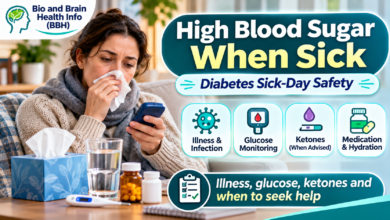
High glucose may contribute to thirst and increased urination, particularly when levels are well above the person’s usual range. Waking repeatedly to use the toilet can fragment sleep and make the following day harder. Other causes of nocturia, such as urinary conditions, medications or sleep apnea, may also need investigation.
If nighttime thirst or urination is new, recurrent or severe, discuss it with a healthcare professional rather than using fluid restriction or medication changes on your own. Signs of dehydration, vomiting, marked drowsiness or rapid breathing need prompt medical assessment.
Nighttime Low Blood Sugar and Sleep Safety
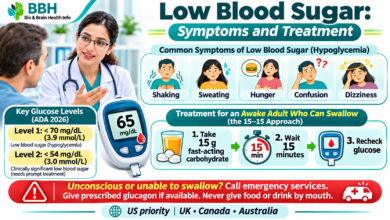
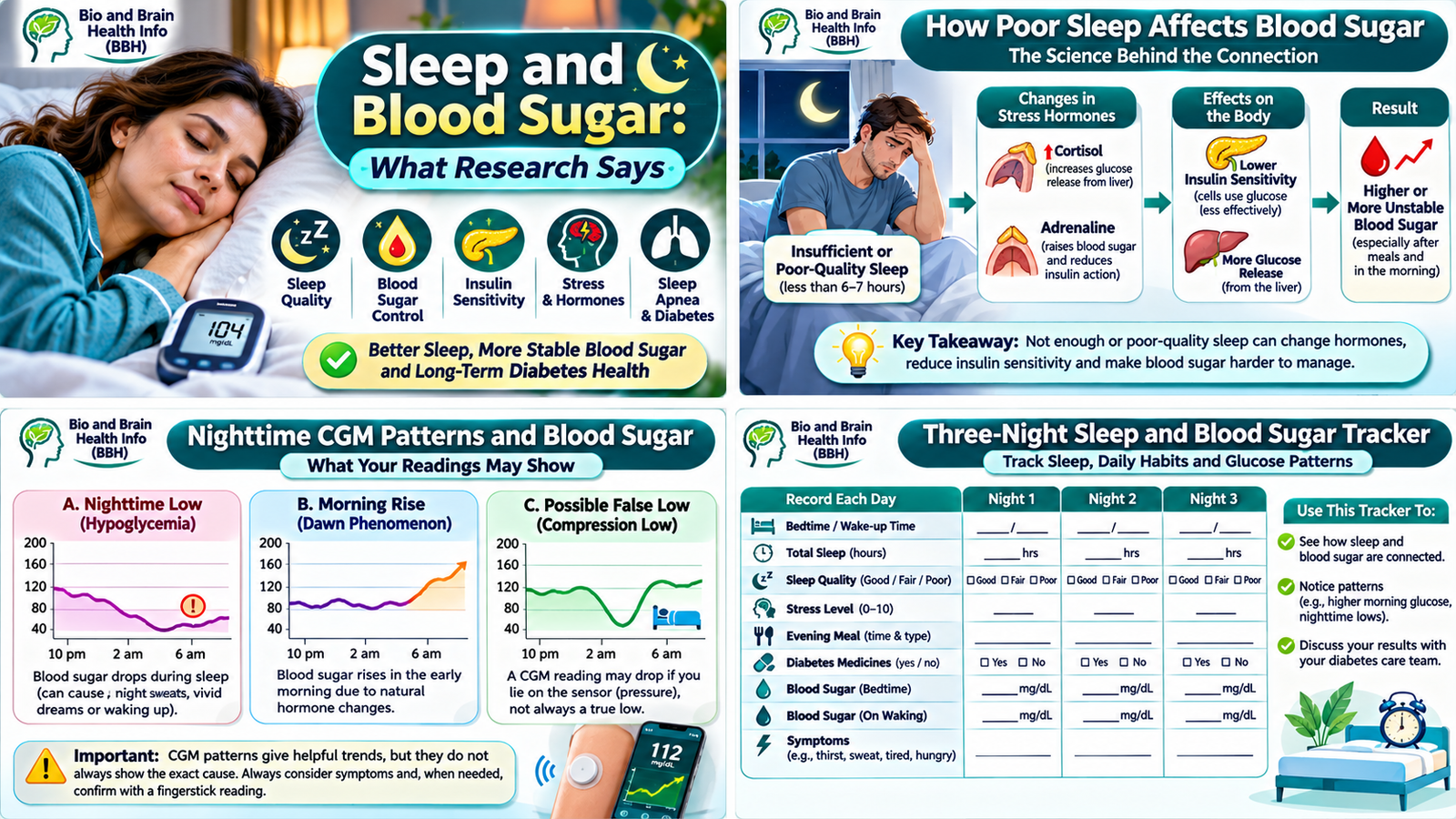
Insulin and insulin-releasing medicines such as sulfonylureas may cause hypoglycemia during sleep. Sweating, unusual dreams, headaches or waking exhausted sometimes prompt investigation, but symptoms alone cannot confirm an overnight low. Some individuals have little awareness while asleep.
Follow a clinician-approved monitoring and hypoglycemia plan. Severe hypoglycemia can cause seizures or unconsciousness and requires emergency care; family members may need instruction on prescribed glucagon. Do not change basal insulin or take an extra bedtime snack solely on the basis of a generic article.
Related BBH guide: Why Is Blood Sugar High in the Morning?.
Morning High Glucose: Sleep, Dawn Phenomenon or Dinner?
Morning hyperglycemia can reflect the dawn phenomenon, persistent overnight elevations, late food, medication coverage, illness or inadequate sleep. The dawn phenomenon describes a hormone-related early-morning glucose rise, which should not be assumed to result from a nighttime low.
Looking at bedtime, overnight and waking measurements when clinically appropriate helps distinguish patterns. For CGM users, overnight traces can show a gradual rise or persistent elevation. A clinician can decide whether sleep treatment, food timing or medication review is warranted.
Related BBH guide: Time in Range: What Your CGM Shows.
CGM Nighttime Patterns and False Compression Lows
Continuous glucose monitoring captures trends but measures glucose in interstitial fluid, not directly in the bloodstream. Sleeping on the sensor can sometimes cause an apparent compression low. A CGM alarm may be lifesaving when true hypoglycemia occurs, yet unnecessary or false alerts can fragment sleep and increase diabetes distress.
If symptoms do not match readings, follow the device’s specific blood-glucose confirmation guidance. Do not ignore severe symptoms or assume every nighttime alarm is false. Alarm thresholds, sensor placement and sleep disruption can be reviewed with the diabetes team instead of making impulsive insulin changes.
Related BBH guide: Stress and Blood Sugar: The Connection.
Financial Worries, Anxiety and the Sleep–Glucose Cycle
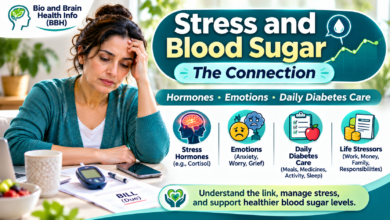
Debt, family arguments, job uncertainty, grief, parenting responsibilities and diabetes-related worries can reduce sleep and disrupt glucose routines. Emotional stress can influence cortisol and appetite; sleep loss can make concentration, meal planning and medication adherence more difficult. The relationships can reinforce one another without proving that stress explains every abnormal reading.
A useful medical conversation should ask whether the person can afford supplies, sleep in a safe environment and follow a realistic routine. Addressing social and emotional barriers is often more practical than repeating the instruction to “sleep eight hours.”
Night Shifts, Rotating Schedules and Irregular Sleep
People who work evenings or rotating shifts may sleep adequately on a different schedule yet experience changing meal and medicine timing. Shift work can create circadian disruption and reduce the consistency of glucose management. The correct response is a personalized plan, not a judgment that their hours are wrong.
Shift workers may benefit from a protected sleep window, a dark and quiet room, sensible light exposure and consistent meal planning when feasible. Insulin timing or glucose monitoring needs should be discussed with the care team rather than extrapolated from day-shift routines.
Late Meals, Caffeine, Alcohol and Nighttime Glucose
Large late meals may affect glucose overnight, especially meals with substantial carbohydrate or delayed fat-related digestion. Caffeine late in the day can interfere with sleep for some people. Alcohol may disturb sleep and can increase delayed hypoglycemia risk when combined with insulin or certain medicines.
Avoid a blanket rule that everyone must stop eating at a fixed hour. Cultural meal schedules, work shifts, medications, pregnancy and hypoglycemia risk all matter. The aim is a practical routine that supports nutrition, sleep and individualized diabetes targets.
Exercise, Post-Meal Walking and Sleep Quality
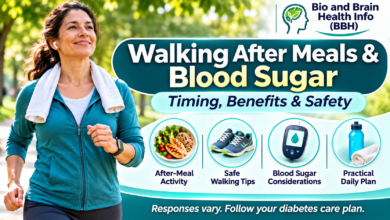
Regular movement supports cardiovascular health and can improve sleep quality. A comfortable post-meal walk can also increase muscle glucose use, but it does not guarantee a normal nighttime reading. For people using insulin or sulfonylureas, strenuous or prolonged activity may contribute to delayed lows during sleep.
Choose activity and timing that fit personal health and sleep comfort. A late vigorous workout keeps some people alert; others tolerate it well. An overly strict rule about evening exercise is less useful than reviewing what consistently works for the individual.
Type 1, Type 2, Prediabetes and Pregnancy
Type 1 diabetes requires essential insulin, and nocturnal hypoglycemia or pump-delivery interruption can be particularly important. In type 2 diabetes, sleep apnea, insulin resistance and cardiovascular risk deserve consideration alongside medication effects. People with prediabetes may benefit from better sleep as part of an overall preventive strategy.
Pregnancy has distinct glucose targets, sleep changes and treatment considerations; suspected sleep apnea or severe insomnia should be discussed with an obstetric and diabetes team. Older adults may need modified targets and simpler monitoring to reduce the risk of severe nighttime lows.
Sleep and Blood Sugar: Reading a Three-Night Pattern
A Three-Night Sleep and Glucose Pattern Tracker
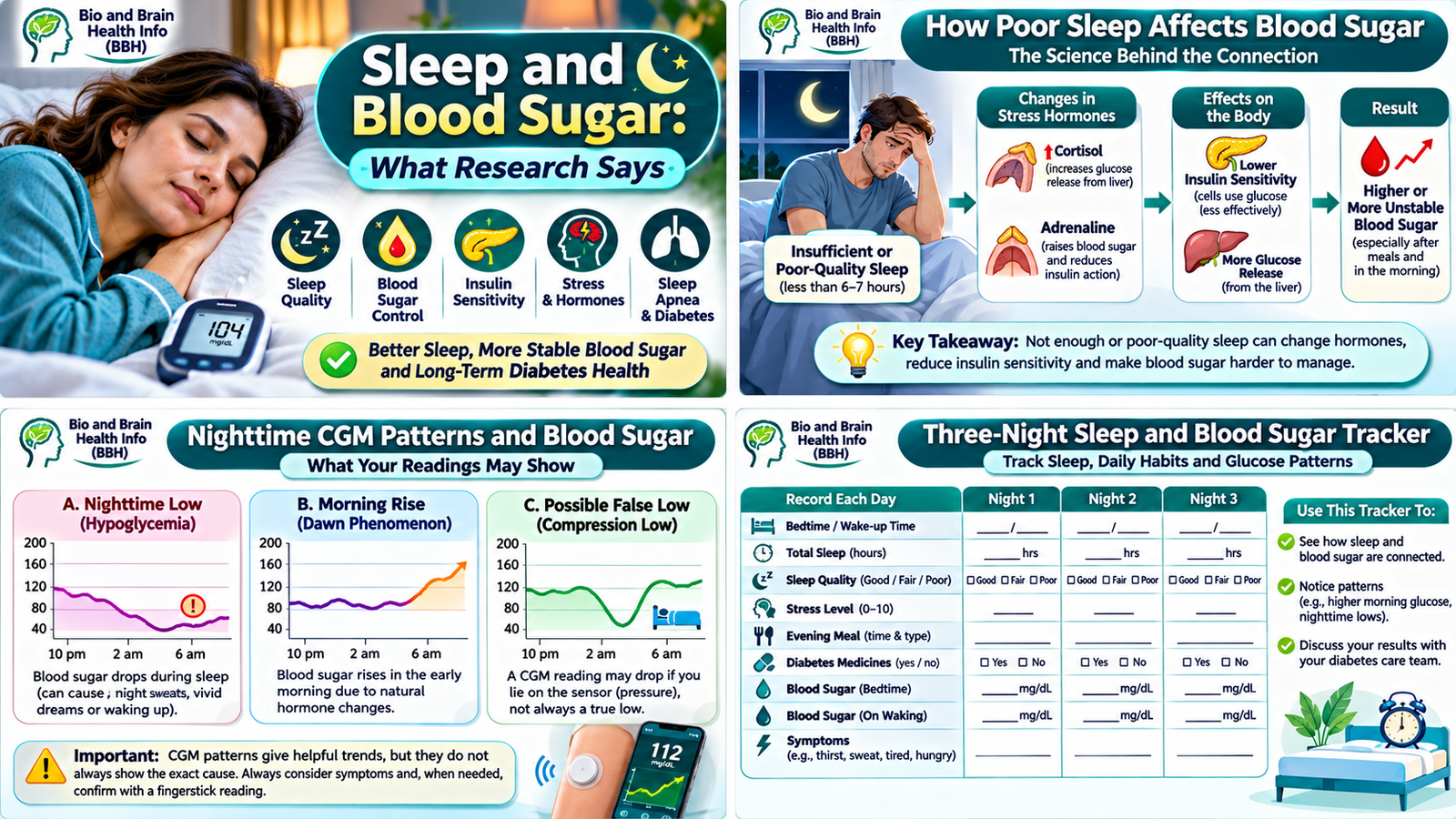
For three typical nights, record bedtime and wake time, estimated sleep duration, unusual awakenings, stressors, meal timing, medications, relevant activity and glucose readings only when monitoring is part of the care plan. If a CGM is used, note whether an apparent low was consistent with symptoms or confirmed according to device instructions.
A diary can reveal patterns but cannot diagnose sleep apnea or prove that poor sleep caused a glucose rise. Recording every detail may increase anxiety for some people; a simpler log is acceptable. Share repeated concerning patterns with the treating clinician.
| Night | Sleep and symptoms | Meal / activity / medication context | Glucose trend if monitored | Follow-up question |
|---|---|---|---|---|
| 1 | Bedtime, waking, interruptions | Evening context | ||
| 2 | Snoring, dreams, restlessness | Evening context | ||
| 3 | Stress, noise, sleep quality | Evening context |
Related BBH guide: Managing Blood Sugar: Daily Habits.
When building a plan for sleep and blood sugar, prioritize medical causes, individual safety and changes a person can sustain rather than perfection.
Seven Evidence-Informed Steps Toward Better Sleep
Start with a regular and achievable sleep opportunity, not a perfection target. Reduce disruptive light and noise, keep the room comfortable, and use caffeine earlier if you notice sensitivity. A relaxing wind-down routine may help, particularly when work or family stress continues late into the evening.
Address pain, nocturia, snoring, anxiety and medication side effects instead of relying only on generic sleep hygiene. Seek CBT-I for persistent insomnia and an apnea evaluation when symptoms suggest it. Do not independently stop essential diabetes medications or use unregulated sedatives to force sleep.
Sleep Myths: Melatonin, Detoxes and Perfect CGM Graphs
Sleep is not a detox treatment for diabetes. Claims that eight hours will automatically lower A1C, that melatonin cures insulin resistance or that one breathing technique removes overnight glucose are not supported. Supplements may interact with medication and are not a substitute for assessing a sleep disorder.
Likewise, no one needs an artificially flat CGM curve every night. Safe glucose management balances time in range with avoidance of hypoglycemia and treatment burden. A calmer bedroom does not eliminate the need for clinical care when readings or symptoms are concerning.
Sleep and Diabetes Guidance in the USA, UK, Australia and Canada
For US readers, the ADA 2026 Standards recommend assessing sleep health and referring to sleep or behavioral specialists when appropriate. The CDC explains how even a short period of sleep loss can make insulin work less efficiently. US glucose readings usually use mg/dL.
Diabetes UK highlights the two-way link between sleep and glucose, including nighttime discomfort from neuropathy or high glucose. Australia’s NDSS and Diabetes Canada provide diabetes education and local support resources; glucose is commonly expressed in mmol/L in these countries. Services, medication guidance and sleep-study access vary by region.
Frequently Asked Questions
Can one bad night raise glucose? Sleep restriction can impair insulin sensitivity, but the effect on one person’s meter is unpredictable. Can high sugar prevent sleep? Thirst and urination may disrupt rest. Can nighttime lows wake someone up? Yes, especially with insulin or sulfonylureas. Does snoring mean diabetes caused sleep apnea? No; snoring needs individualized assessment.
Does sleeping longer cure type 2 diabetes? No. What about early-morning highs? Review overnight trends, meals, dawn phenomenon and treatment with a clinician. Is melatonin recommended for everyone? No. What if I cannot fall asleep? Persistent insomnia deserves a clinical assessment and possibly CBT-I.
Five Related BBH Articles and Support
Research References and Medical Disclaimer
- American Diabetes Association. Standards of Care in Diabetes—2026: Sleep Health and Positive Health Behaviors
- Systematic Review of Randomized Trials: Sleep Restriction and Insulin Sensitivity (2022)
- Systematic Review and Meta-analysis: Insomnia Symptoms and Glycemic Outcomes (2025)
- CDC: Factors That Can Increase Blood Sugar
- Diabetes UK: Sleep and Diabetes
- ADA 2026: Glycemic Goals and Hypoglycemia
- Australia NDSS: Diabetes Education
- Diabetes Canada: Diabetes Education