Living With Type 2 Diabetes: Daily Guide
Living With Type 2 Diabetes: Daily Care Tips

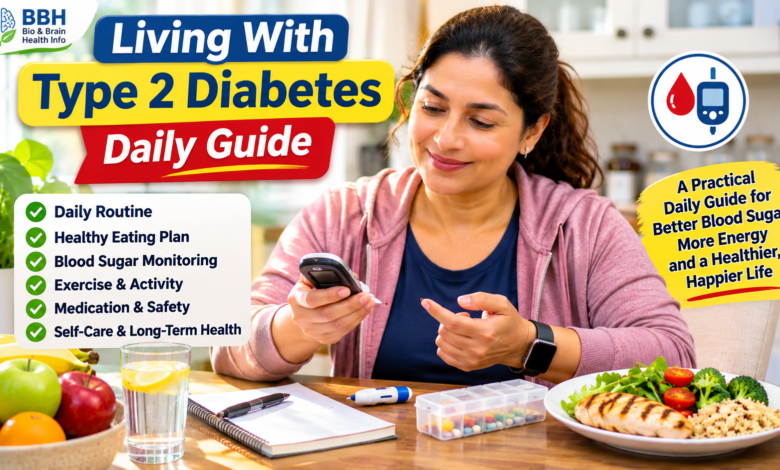
Living with type 2 diabetes involves more than watching the numbers on a glucose meter. Everyday care means matching your medicines, meals, physical activity, sleep and clinical appointments to your health needs. A sustainable routine can help lower the risk of complications while leaving room for family, work, travel and ordinary life.
Thank you for reading this post, don't forget to subscribe!This evidence-based daily guide from Bio & Brain Health Info (BBH) uses the American Diabetes Association (ADA) 2026 Standards of Care, the 2026 ADA–EASD type 2 diabetes management consensus report, CDC guidance and the US National Institute of Diabetes and Digestive and Kidney Diseases (NIDDK). The United States is our priority, with practical differences for people living in the UK, Canada and Australia.
Living With Type 2 Diabetes: What Matters Most
Type 2 diabetes develops when the body cannot regulate blood glucose adequately, often due to a combination of insulin resistance and insufficient insulin secretion. Its day-to-day management differs among people. Some use metformin alone, others use GLP-1 receptor agonists or SGLT2 inhibitors for glucose and heart or kidney benefits, and others need insulin or additional treatments.
A helpful plan has three parts: the tasks you control daily, the medical decisions you review with your healthcare team, and a response to unexpected problems. Measuring progress through only one reading can create unnecessary anxiety. HbA1c trends, time in range for people using CGM, cardiovascular risk, sleep, activity, treatment burden and personal preferences all belong in the bigger picture.
Education and support are treatments in their own right. Diabetes self-management education and support (DSMES) can help people acquire practical skills, improve confidence and navigate medicines, expenses and emotional demands. Ask for an accredited program or a diabetes care and education specialist instead of relying solely on internet advice.
Living With Type 2 Diabetes: A Morning Routine
Start by following your prescribed medicine and glucose-monitoring schedule—not another person’s routine. If you have been advised to check fasting glucose, record the value and any unusual circumstances, such as illness, a missed medicine or disrupted sleep. Not everyone with type 2 diabetes needs a daily fasting finger-stick check.
Inspect your feet for redness, swelling, blisters, cracks or cuts, especially if you have neuropathy or poor circulation. People with limited mobility can use a mirror or ask for assistance. Dress in comfortable footwear, and check that shoes do not contain stones or rough seams.
Choose a satisfying breakfast if breakfast fits your schedule. Examples include eggs or tofu with whole-grain toast, plain yogurt with oats and berries, or beans with vegetables. If your medicine requires food or timing around a meal, follow its specific instructions. Avoid assuming every person must eat at the same clock time.
Keep a simple written or phone checklist for medicines, monitoring supplies, meals and appointments. People using insulin should confirm they are using the correct insulin type, dose and delivery method as taught by their clinical team.
Living With Type 2 Diabetes: Balanced Meals and Hydration
For people living with type 2 diabetes, no single eating plan is mandatory. Mediterranean-style, DASH, plant-forward and carefully planned lower-carbohydrate approaches may be appropriate depending on health goals, food preferences and medications. Prioritize nonstarchy vegetables, whole fruit, legumes, higher-fiber grains, suitable protein, unsaturated fats and water or unsweetened beverages.
A practical meal plate may include about half nonstarchy vegetables, one-quarter protein, and one-quarter a carbohydrate-rich food such as brown rice, lentils or potatoes. This is a visual starting point, not a fixed carbohydrate prescription. Carbohydrate needs and meal timing vary substantially, especially for people using mealtime insulin.
High-fiber foods often provide more nutritional value and satiety than refined sweetened snacks, but familiar foods such as bread, fruit and rice need not be universally prohibited. Food cost, religious practices, culture, kidney disease, weight goals and treatment risks all influence a suitable plan. A registered dietitian experienced in diabetes care can tailor portions.
Drink enough fluids for your circumstances, particularly during hot weather or illness. Avoid sugary drinks as an everyday default, but recognize that fast-acting sugar is medically useful when treating hypoglycemia. People with heart or kidney conditions may have fluid restrictions and should follow clinical advice.

Blood Sugar Monitoring: Meter, HbA1c and CGM
Blood glucose monitoring is most important when results will change decisions about medicines, food, exercise or safety. Frequency depends on treatment type, risk of low glucose, patterns of high glucose, pregnancy and the clinician’s goals. Someone taking multiple daily insulin injections generally needs more data than someone managing diabetes without medicines that cause hypoglycemia.
A meter gives a glucose value at a point in time. CGM shows trends, alerts and time-in-range data, helping selected people identify patterns and reduce dangerous lows. ADA 2026 recommends CGM for many people using insulin and expands its consideration when other treatments create hypoglycemia risk or when it will improve management. CGM readings occasionally need confirmation with a finger-stick meter, especially when readings do not match symptoms or device instructions indicate.
Common ADA glucose reference targets for many nonpregnant adults are 80–130 mg/dL before meals and below 180 mg/dL one to two hours after the start of a meal, but the goals are not universal. A1C targets are individualized, commonly below 7% for many adults when safely achievable; clinicians may choose different goals for older adults, pregnancy, frailty, severe hypoglycemia risk or other conditions.
Track useful patterns rather than judging a single high reading. Review symptoms, meals, medicine timing and activity with your team if readings repeatedly fall outside your target. Do not adjust insulin solely using a generalized internet chart.
Medication Routines and Missed Doses
Medicines differ in how they are taken and what problems require attention. Metformin is often taken with meals to lessen gastrointestinal discomfort; other medicines may be taken at specific times or by injection. GLP-1 medications, SGLT2 inhibitors and insulin have distinct instructions and precautions. Follow your exact prescription and pharmacist’s advice.
A missed dose does not have one universal correction. Some medicines should be taken when remembered, while others have specific windows or instructions to skip a dose. Do not double medication automatically. Keep the medicine leaflet and a contact for your pharmacist or prescriber.
SGLT2 inhibitors can be important for cardiorenal protection in suitable patients, but they can increase the risk of ketoacidosis under certain conditions, sometimes without extremely high glucose. People using them should have clinician-approved sick-day and perioperative instructions. Never stop a medication simply because of a general warning; seek individualized written guidance.
Practical safeguards include a medication list, a refill reminder, correct insulin storage and spare supplies when traveling. Ask about lower-cost alternatives, insurance coverage and assistance programs if medicines are unaffordable. Not taking medication because of cost is a clinical safety problem worth disclosing, not something to hide.
Daily Physical Activity and Safe Exercise
Regular movement supports insulin sensitivity, blood pressure, strength and mood. Adults are often encouraged to work toward at least 150 minutes of moderate activity weekly, adjusted to their health and abilities, along with strength-building activity. Start gently if inactive. Walking, swimming, cycling, dancing and seated exercise can all be useful.
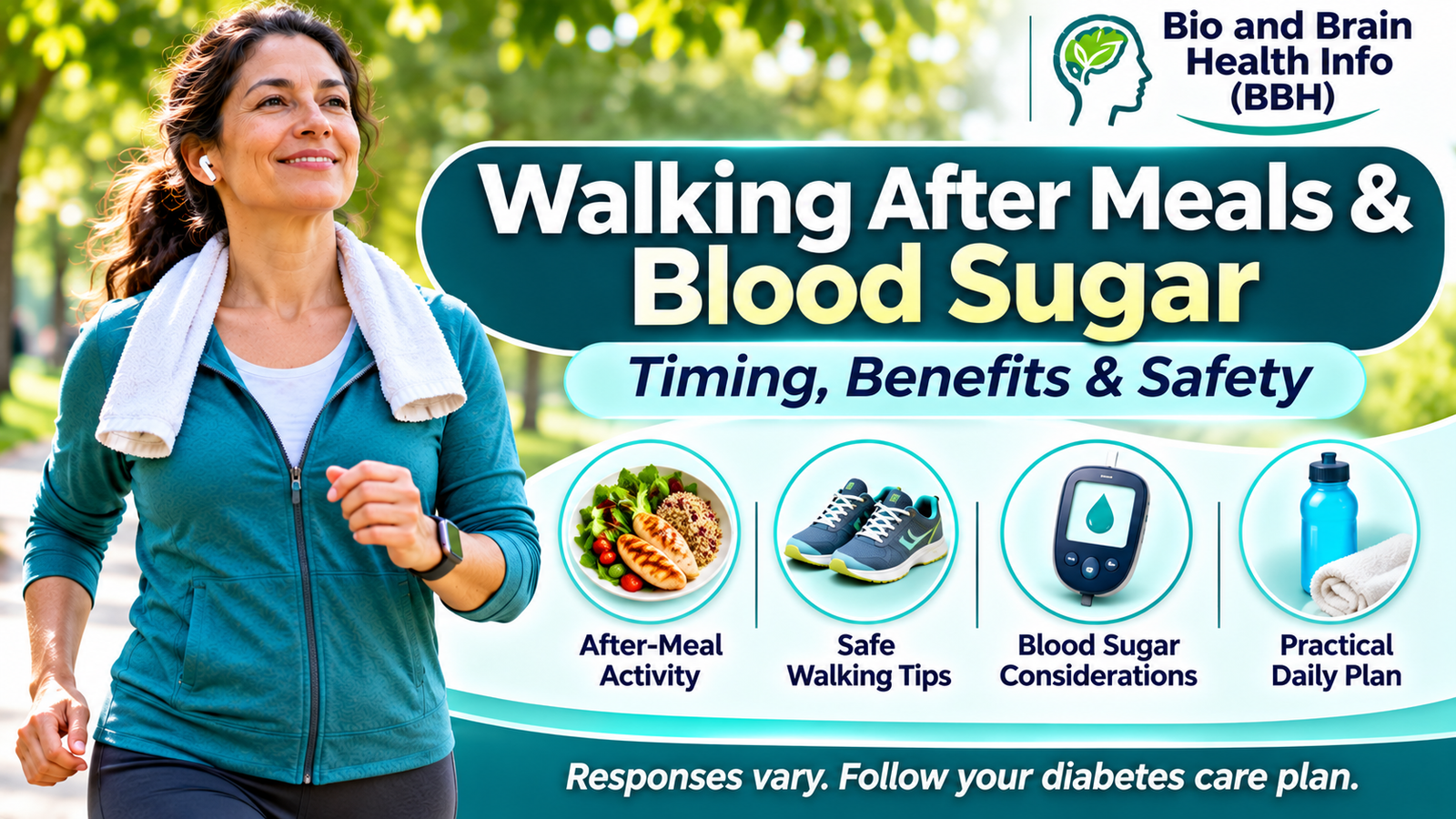
A short walk after a meal can be a convenient way to move and may help post-meal glucose patterns. Interrupt long periods of sitting with standing or gentle movement where possible. Movement should be sustainable rather than punitive.
People with heart symptoms, advanced retinopathy, severe neuropathy, foot ulcers or major balance concerns need individualized advice. Those taking insulin or sulfonylureas may need a monitoring, snack or medicine-adjustment plan for exercise. Ask before beginning intense activity.
Recognizing and Treating Low Blood Sugar
Hypoglycemia generally means blood glucose below 70 mg/dL (3.9 mmol/L). It is more likely in people using insulin or medications that stimulate insulin release, although circumstances vary. Symptoms may include shaking, sweating, intense hunger, palpitations, dizziness, confusion or unusual behavior. Some people have reduced awareness of low glucose.
For an awake adult who can swallow and whose individualized plan supports it, the common 15–15 approach is 15 grams of fast-acting carbohydrate, recheck after 15 minutes and repeat if the glucose remains below 70 mg/dL. Examples include glucose tablets or measured juice. This general approach may need adaptation for children, certain medications or other circumstances.
Severe low glucose with a seizure, unconsciousness or inability to swallow requires emergency help and glucagon when prescribed and available. Do not give food or drink by mouth to an unconscious person. Ask clinicians to train family or coworkers in your emergency plan.
If you experience recurrent lows, the response is not simply to eat more sugar every day. Review medicine doses, meal timing, activity and monitoring with the prescriber. See Preventing Low Blood Sugar Episodes for a deeper guide.
High Glucose, Sick Days and Ketone Awareness
Fever, infection, stress, dehydration and missed medicines can raise glucose. A sick-day plan should explain when to check glucose more frequently, when to check ketones, which medicines might need temporary adjustment under clinician direction, how to maintain fluids and when to seek help.
Do not assume type 2 diabetes excludes ketoacidosis. People with significant insulin deficiency and some SGLT2 inhibitor users may develop ketoacidosis, including with only moderately elevated glucose. Seek emergency assessment for vomiting, abdominal pain, deep or fast breathing, fruity breath, marked dehydration or confusion.
Contact your clinical team for persistent readings well above your agreed range, inability to keep medicines or fluids down, or uncertainty about insulin during illness. Personalized instructions take precedence over generic “drink more water” advice. Keep an emergency contact and medicine list accessible.
Foot, Skin, Mouth and Eye Care
Living with type 2 diabetes requires attention to foot health because diabetes can increase risks of nerve injury, poor circulation and infections. Check your feet daily if advised, especially if sensation is reduced. Wash and dry them gently, moisturize dry skin while avoiding moisture between toes, and do not walk barefoot if you have neuropathy or a history of foot injury.
Any new ulcer, spreading redness, significant swelling, warmth, drainage, discoloration or worsening pain warrants medical assessment. A painless wound can still be dangerous when nerve function is impaired. Do not attempt to cut corns or treat infected wounds with home remedies.
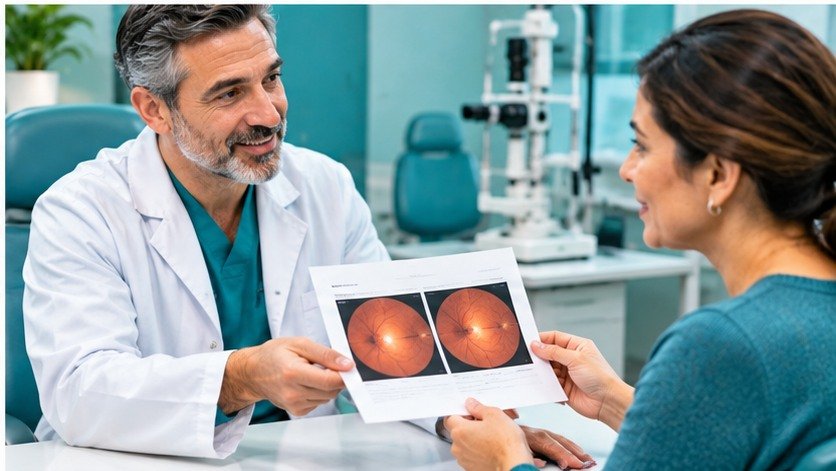
Arrange dilated retinal examinations according to your eye specialist’s schedule, and maintain routine dental care because gum disease can be more common or harder to manage with diabetes. Skin, urinary and dental symptoms deserve attention rather than waiting for the next routine checkup.
Living With Type 2 Diabetes and Emotional Well-Being
Managing a chronic condition can cause diabetes distress, fear of complications, fatigue and burnout. This is different from a character flaw or lack of effort. Screenings for emotional well-being and access to diabetes education or mental health professionals can improve the quality of care.
Sleep regularity matters for appetite, energy and glucose regulation. If you have loud snoring, daytime sleepiness or suspected sleep apnea, discuss assessment with a clinician. Stress-management practices may support well-being, but they do not replace medicines or appropriate medical follow-up.
Be selective about constant self-tracking. Use data that informs a decision, and schedule time away from your app or meter when safe. Ask for supportive family involvement rather than policing of your food choices.
A Realistic Daily Type 2 Diabetes Checklist
| When | Example action | Safety reminder |
|---|---|---|
| Morning | Take prescribed medicine; check glucose if indicated; inspect feet | Review unusual readings and any symptoms |
| Breakfast and lunch | Choose balanced meals; stay hydrated | Follow medicine-meal timing instructions |
| Afternoon | Add comfortable movement or stretching | Prepare glucose treatment if prone to lows |
| Evening meal | Eat regular balanced food; review medicine plan | Avoid making dose changes without instructions |
| Before bed | Complete prescribed monitoring or medications; plan supplies | Note symptoms, supplies and tomorrow’s needs |
This schedule is an example, not a prescription to check glucose five times daily or eat at fixed hours. Night-shift workers, caregivers, people who fast for religious reasons and people using different diabetes medicines need their own routines. Your healthcare team should help you create an achievable schedule.
Appointments That Protect Long-Term Health
Long-term living with type 2 diabetes includes the ABCs: A1C or equivalent glucose metrics, blood pressure and cholesterol. Clinical teams also consider smoking status, kidney health, vaccinations, liver disease risk, mental health and medication safety. Managing heart and kidney risk matters even when glucose readings seem reasonable.
Many people need HbA1c measured around every three months when treatment is changing or glucose is not at goal, and less often—commonly twice yearly—when stable and meeting treatment goals. Annual kidney assessment with urine albumin-to-creatinine ratio and estimated GFR is generally recommended for people with type 2 diabetes, with more frequent checks where indicated.
Retinal examinations, comprehensive foot exams, dental visits and appropriate vaccines also belong in the schedule. The exact interval depends on prior findings. Someone with retinopathy, kidney disease or a foot ulcer may require much more frequent visits.
Six Practical Questions Many Daily Diabetes Guides Miss
1. Daily testing is not universal
People on insulin and those with hypoglycemia risk often require more monitoring, but finger-stick frequency for people using other treatments should be individualized. More tests do not automatically mean better care if nobody uses the information.
2. Kidney and heart protection can shape medicine choice
Some medications are selected partly because of kidney disease, heart failure or cardiovascular risk, not simply because they lower A1C. Do not compare prescriptions by glucose effect alone.
3. An illness plan must be written before illness
Sick-day instructions, ketone guidance, supplies and emergency numbers are difficult to organize while vomiting or dehydrated. Agree on them during a routine appointment.
4. Time, money and medication access are health factors
Affordability, safe storage, work breaks, food insecurity and transportation influence outcomes. Discuss these issues with clinicians and social support services rather than silently rationing medicines.
5. Daily care should include quality of life
Improving sleep, confidence, enjoyment of movement and emotional support can be legitimate management goals. Excessive monitoring or a rigid diet can become counterproductive.
6. Travel and emergency supplies deserve a plan
Carry an up-to-date medicine list, enough glucose-monitoring supplies and a safe treatment for low glucose when indicated. Insulin users need advice on storage, time-zone changes and backups when traveling.
Living With Type 2 Diabetes in the USA, UK, Canada and Australia
USA: ADA Standards of Care and CDC DSMES programs provide evidence-based guidance. Insurance coverage for continuous glucose monitoring, education, medicines and laboratory tests varies; ask for available support and cost-conscious options.
UK: NHS services, structured education such as DESMOND in some areas, and Diabetes UK provide ongoing management advice. Glucose units are generally mmol/L rather than mg/dL, and eligibility for monitoring technology follows national and local guidance.
Canada: Diabetes Canada guidance and provincial care programs support individualized A1C targets, cardiovascular risk management and diabetes education. Medication and device coverage varies by province.
Australia: GPs, diabetes educators, accredited practising dietitians and national services support care plans and self-management. Access to devices and funded care differs by eligibility and region. Seek guidance that reflects local medicine and glucose-monitoring systems.
Medical Safety: When Routine Self-Care Is Not Enough
Frequently Asked Questions
What is the most important daily habit with type 2 diabetes?
Consistently follow your individualized medicine, nutrition, activity and monitoring plan. The priorities vary by treatment and health conditions.
Do I need to check blood sugar every day?
Not everyone does. Insulin treatment, hypoglycemia risk and clinical goals influence how often monitoring is useful.
Can I eat fruit or rice with diabetes?
Often yes. Portions, food quality, medicines and individual glucose goals determine how these foods fit.
What blood sugar target should I aim for?
Many nonpregnant adults use fasting or premeal 80–130 mg/dL and post-meal below 180 mg/dL, but your clinician may set different targets.
What if I forget a medicine?
Follow the specific medicine instructions or contact your pharmacist. Do not automatically double a missed dose.
Can walking after meals help?
Yes, it may support glucose regulation and activity consistency, but it does not replace prescribed treatment.
When is low blood sugar dangerous?
Below 70 mg/dL warrants action; severe confusion, seizure or unconsciousness is an emergency, even when no meter is available.
What is the 15–15 rule?
For many alert adults, take 15 g of fast carbohydrate and recheck glucose after 15 minutes, repeating as needed according to the care plan.
Do I need to look at my feet daily?
Daily self-checks are strongly encouraged, especially with reduced sensation, prior wounds or other high-risk findings.
How often should A1C be tested?
Often every three months when therapy changes or goals are unmet, and roughly twice yearly when stable and at goal, with individualized schedules.
Do I need a kidney or eye check if glucose looks normal?
Yes. Diabetes-related complications can occur without symptoms; follow the schedule recommended by your clinician.
What should I do when sick?
Use your clinician-approved sick-day plan for glucose, ketones, fluids and medication decisions; seek urgent care for serious symptoms.
Can stress make diabetes harder to manage?
Stress, sleep problems and diabetes distress can influence routines and well-being. Ask for support without abandoning medical care.
Can I travel safely with type 2 diabetes?
Usually yes, with sufficient medicines and monitoring supplies and a personalized plan for meals, storage and time changes.
BBH Menu, Submenu, Support and Related Articles
Medical Research Sources
- ADA–EASD: Management of Type 2 Diabetes, 2026 Consensus
- ADA 2026: Positive Health Behaviors and Well-being
- ADA 2026: Glycemic Goals and Hypoglycemia
- ADA 2026: Diabetes Technology
- ADA 2026: Retinopathy, Neuropathy and Foot Care
- CDC: Living with Diabetes
- CDC: Your Diabetes Care Schedule
- NIDDK: Managing Diabetes