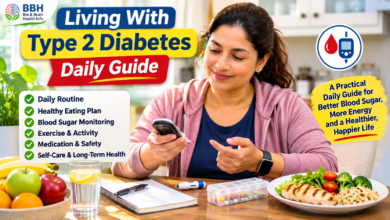
Diabetes Distress: Signs and Support
Diabetes Distress: Symptoms, Burnout & Help


Diabetes distress describes the emotional strain of managing diabetes: worrying about glucose readings, managing medicines, fearing complications, facing costs and trying to meet expectations every day. It is a recognizable response to the demands of a long-term health condition, not by itself a psychiatric diagnosis. Both people with type 1 and type 2 diabetes can experience it, and caregivers may also feel burdened.
Thank you for reading this post, don't forget to subscribe!This guide explains diabetes distress signs, how it differs from depression or ordinary frustration, how care teams can assess it, and which supports may help. The research draws on the American Diabetes Association (ADA) Standards of Care 2026, a new 2026 European Association for the Study of Diabetes (EASD) practice guideline, CDC information and Diabetes UK resources. The USA is our primary audience, with separate guidance for the UK, Canada and Australia.
Diabetes Distress Signs: What They Mean
Understanding diabetes distress begins with acknowledging that diabetes treatment may involve meal decisions, blood glucose checks, medicines, activity plans, appointments and worries about the future. The accumulated pressure can become emotionally exhausting. Someone may be making substantial efforts while still feeling that the results are never good enough. These experiences deserve attention as part of routine diabetes care.
The term “diabetes distress” refers to emotional concerns specifically connected with living with, and managing, diabetes. It is different from generalized sadness, depression or anxiety, although they can occur at the same time. Simply offering more instructions without understanding the source of difficulty may make someone feel even more overwhelmed.
The ADA 2026 Standards call for routine monitoring of psychosocial well-being and specifically recommend screening for distress at least annually, including in caregivers and family members where appropriate, with further screening at difficult transitions or when treatment goals are not met. These recommendations recognize emotional support as an important part of overall health care.
Diabetes Distress Signs to Recognize
Diabetes distress signs may include recurrent fear of glucose readings, anger at the constant work of diabetes, worries about future complications, avoidance of monitoring, feeling judged in appointments, difficulty asking for help, or a sense of hopelessness about everyday tasks. Some people become preoccupied with monitoring or feel discouraged after a single high reading.
Other diabetes distress signs include irritability, sleeping poorly, decision fatigue or frustration with the cost of care. These symptoms are not specific to diabetes distress: hypoglycemia, thyroid conditions, pain, depression, anxiety and other medical problems may produce overlapping symptoms. A clinician should evaluate persistent or concerning changes.
Avoid describing missed appointments or imperfect blood glucose results as evidence of laziness. Work schedules, financial insecurity, difficulty understanding instructions and medication side effects can explain much of what appears to be low motivation.
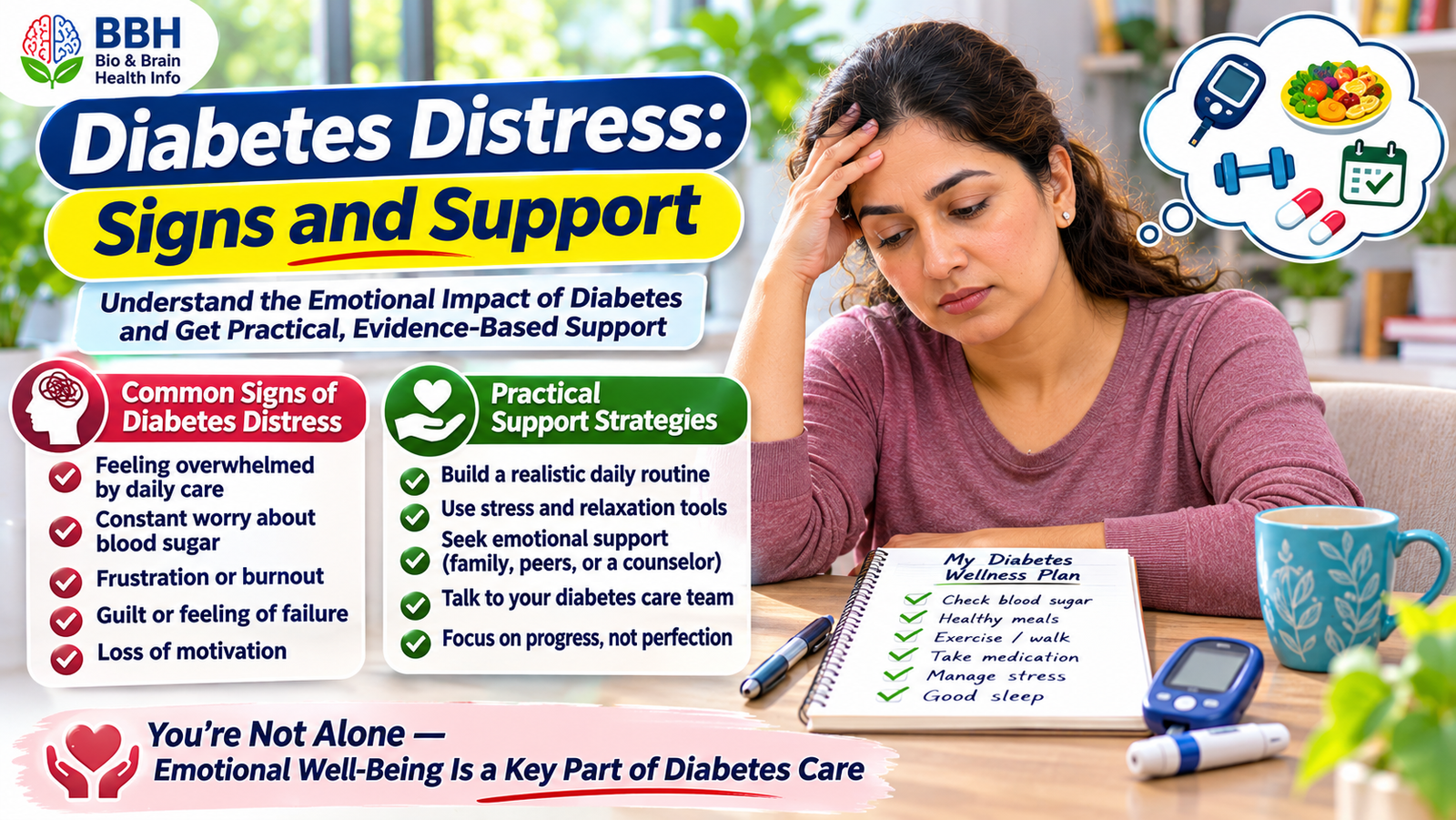
Four Sources of Diabetes-Related Emotional Burden
1. Emotional burden
Fear, guilt, frustration and worry may be linked to the daily reality of diabetes. Some people worry that any imperfect reading predicts serious complications. Others experience sadness after diagnosis or become exhausted by constant attention to food and glucose. The challenge is often not a lack of knowledge but an unsustainable sense of pressure.
2. Regimen-related burden
Taking medicines, changing insulin supplies, arranging appointments, responding to CGM alarms and navigating meal decisions can become tiring. Simplifying a regimen, reviewing whether monitoring is actually necessary, or improving education may reduce this burden. Never independently stop medicines to relieve distress.
3. Interactions with healthcare professionals
Feeling blamed, rushed or unheard can discourage questions and follow-up. A constructive appointment asks what is most difficult and identifies one meaningful change. Shared decisions and respectful language are important, especially when discussing weight, food choices and laboratory goals.
4. Family and social pressures
Unwanted food policing, workplace stigma, isolation or being expected to explain every health choice can increase emotional fatigue. Some people also carry caregiving responsibilities while managing their own condition. Agreeing on what kind of support is actually wanted can improve relationships.
Diabetes Distress vs Burnout, Depression and Anxiety
| Experience | Main feature | Helpful response |
|---|---|---|
| Diabetes distress | Emotional strain related specifically to diabetes tasks, worries and relationships | Identify burden, education, shared decisions, peer or psychological support |
| Diabetes burnout | Deep exhaustion or withdrawal from diabetes care, often after ongoing burden | Nonjudgmental reconnection with the care team and simplified care plan |
| Depression | More persistent mood or interest changes affecting multiple parts of life | Clinical mental-health assessment and appropriate treatment |
| Anxiety disorder | Excessive fear or worry with broader or more persistent impairment | Clinical assessment and evidence-based psychological care |
Identifying diabetes distress signs does not rule out depression: a person can have both diabetes distress and major depression or an anxiety disorder. A screening result is not a diagnosis, and diabetes distress should not be treated as if every case requires antidepressant medication. Equally, someone with persistent loss of pleasure, suicidal thoughts or major impairment may need a separate mental-health assessment and treatment.
The CDC explains that diabetes distress and depression can look similar but may need different interventions. An empathetic diabetes clinician can begin the conversation while referring to a behavioral-health professional when symptoms are complex or persist.
How Diabetes Distress Signs Affect Daily Care
Research on diabetes distress finds that higher emotional burden has been associated in research with difficulties performing self-management tasks, lower quality of life and, in some studies, higher glucose measurements. That does not establish a one-way cause or prove that every stressed person has high HbA1c. The relationship may work in both directions: difficult glucose patterns increase worry, and worry makes the routine harder.
Distress may also affect communication. Patients may not tell clinicians about skipped doses, food insecurity, fear of injections or frequent alarms because they expect criticism. This can make treatment look ineffective when the underlying problem is a mismatch between the prescribed plan and daily reality.
Support should focus on the patient’s goals and quality of life, not only improving a laboratory number. Reduced fear, a manageable routine and better confidence can be meaningful outcomes even before changes are reflected in A1C.
When to Screen for Diabetes Distress Signs
For diabetes distress support, the ADA 2026 Standards recommend screening for diabetes distress at least annually, and again during transitions, complications or periods when treatment goals are not being met. Caregivers and family members may also benefit from appropriate assessment. The person should be able to describe worries in their own words, with privacy and a clear plan for what happens after screening.
Clinicians may use validated questionnaires such as the Diabetes Distress Scale (DDS) or Problem Areas in Diabetes (PAID) measure. These assess perceived burden rather than diagnosing major depressive disorder. Scores depend on the specific version and language used and need clinical interpretation. BBH does not reproduce proprietary instrument items or provide an automated diagnosis.
The newer 2026 EASD evidence-based guideline recommends systematic attention to emotional health and reviews psychological, psychoeducational, peer and technology-based interventions. It emphasizes tailoring support to patient needs and the availability of trained professionals.
Evidence-Based Support for Diabetes Distress
Diabetes self-management education and support (DSMES): Working with a diabetes educator may help the patient simplify routines, understand treatment, problem-solve difficult glucose patterns and reduce uncertainty. Education should be responsive rather than overwhelming.
Psychological support: Structured counseling, problem-solving approaches and cognitive behavioral strategies delivered by appropriately trained professionals may help with emotional strain and coexisting depression or anxiety. The choice depends on personal preference and the clinical situation; no one intervention has the same effect for every person.
Peer connection: A reputable diabetes support group can reduce isolation and allow practical exchange of experiences. Information from peers should not replace medication instructions, however. Beware of groups promoting unverified cures or pressure to stop insulin.
Care-plan adjustments: Clinicians can review whether monitoring frequency, diabetes devices, medicine costs or complicated schedules are making care unnecessarily difficult. Sometimes the best intervention is fewer competing tasks, better access to supplies or a different treatment approach.
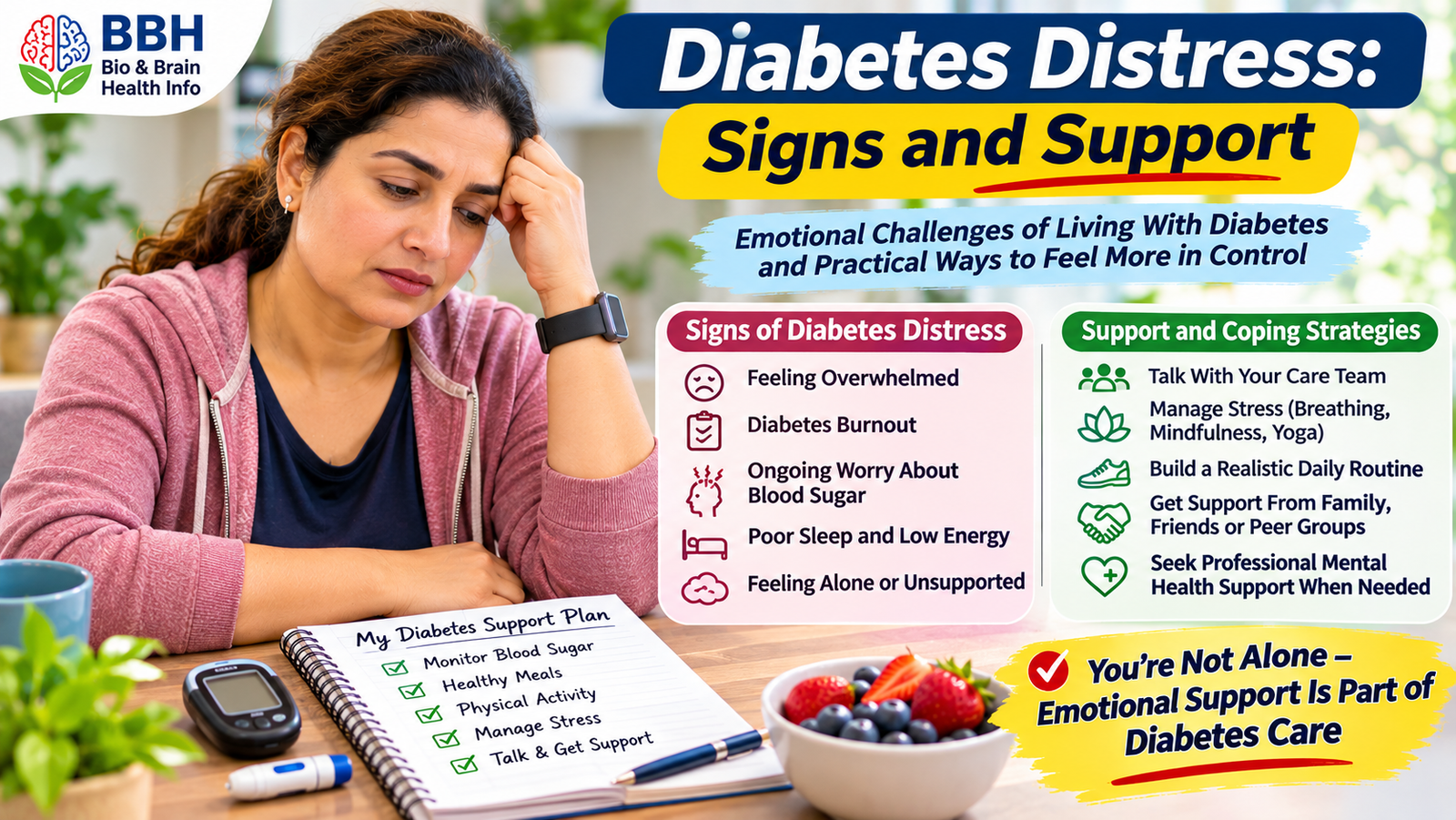
Seven-Day Support Plan for Diabetes Distress
This is an educational exercise in identifying sources of pressure, not a seven-day cure. Continue essential medicines and medical care while working with professionals on any unsafe or overwhelming aspects of treatment.
| Day | One manageable action |
|---|---|
| Day 1 | Write down the one diabetes task that feels hardest and why |
| Day 2 | List questions about medicine, monitoring, costs or side effects |
| Day 3 | Ask for a diabetes educator or team contact to discuss the burden |
| Day 4 | Choose one gentle recovery practice: rest, breathing, safe activity or conversation |
| Day 5 | Request the kind of family or peer support you actually want |
| Day 6 | Review whether devices, reminders or schedules are adding unnecessary pressure |
| Day 7 | Plan the next clinical review and agree on one realistic priority |
A person who is already overwhelmed should not be given a long list of new monitoring obligations. Start with one change and ask for help where possible. If distress is associated with skipped insulin, eating-disorder behaviors, severe anxiety or an inability to stay safe, contact clinical services urgently rather than waiting to complete a workbook.
What to Say to Your Diabetes Care Team
In a diabetes distress support appointment, the goal is shared problem-solving, not a perfect account of every glucose number. Bring a short list of priorities, possible side effects, costs and unanswered questions. If the appointment feels rushed, ask for a follow-up or referral rather than leaving without a plan.
How Friends, Partners and Family Can Help
Helping someone with diabetes distress often begins with asking permission before offering reminders about food, exercise or glucose. Useful support may be helping with transport, listening without judgment, learning how to respond to a low-glucose emergency or attending an appointment when invited. Repeated criticism and food policing can increase shame and undermine communication.
Caregivers may also develop stress or distress. The ADA recognizes this by encouraging appropriate psychosocial screening and support for families and caregivers. Support should respect privacy and autonomy while ensuring safety when someone cannot respond during an emergency.
CGM Alarm Fatigue and Glucose Anxiety
Continuous glucose monitoring can help many people identify patterns and prevent hypoglycemia, but alerts may also increase anxiety, sleep disruption or a sense of constant surveillance. Some individuals find themselves checking the app repeatedly even when there is no decision to make.
Discuss alert settings, device comfort, clinical necessity and appropriate glucose goals with the prescriber. Do not turn off critical alerts or abandon essential monitoring without agreeing on a safer plan. Technology should serve the person’s health and quality of life, not become another source of constant criticism.
Medication Costs, Work and Treatment Burden
Medication access, insurance restrictions, transport, appointments and the cost of nutritious foods can intensify emotional pressure. Work schedules and caregiving can make prescribed routines difficult. An evidence-based approach recognizes these practical barriers as legitimate components of diabetes care.
Ask about less costly medically appropriate treatments, pharmacy delivery, financial assistance, social-work referral or education programs. Do not ration insulin or independently discontinue prescriptions; urgent conversations about affordability are safer than silently going without treatment.
When Diabetes Distress Coexists With Depression or Anxiety
Persistent low mood, loss of interest, impaired functioning, panic, sleep changes or distress extending beyond diabetes tasks can signal another condition requiring assessment. Some symptoms overlap with medication effects, glucose abnormalities and other health problems. A clinician should consider the broader medical and mental-health picture.
Depression and anxiety have their own evidence-based treatments, which may include psychological therapy, medicines or collaborative care when clinically indicated. These treatments can coexist with diabetes education. Diabetes distress itself does not automatically require psychiatric medication, but serious coexisting conditions should never be dismissed as merely normal frustration.
Diabetes Distress Support in the USA, UK, Canada and Australia
United States: ADA Standards recommend psychosocial assessment and regular distress screening. Ask primary care or endocrinology teams about DSMES, diabetes care and education specialists, mental-health referrals and coverage. The CDC provides free diabetes distress information.
United Kingdom: Diabetes UK publishes patient information and a professional guide to emotional health. NHS diabetes teams and local psychological services may offer support. Availability and referral pathways vary by region.
Canada: Diabetes Canada encourages person-centered diabetes management and psychosocial considerations. Ask a family physician, diabetes education centre or provincial health service about accessible counseling and peer support.
Australia: Diabetes Australia and local diabetes services can provide information and pathways to accredited diabetes educators, general practitioners and psychological support. Access to publicly funded care varies with eligibility and region.
Six Commonly Missed Questions
1. Emotional well-being deserves screening even with a good A1C
A person can meet a glucose goal yet experience severe distress from constant vigilance, finances or fear of complications. Good laboratory results do not eliminate the need to ask about emotional burden.
2. Caregivers can experience diabetes distress
Caregivers may worry about lows, overnight alarms and long-term health. Their concerns deserve attention without overriding the person living with diabetes.
3. A device can be both useful and stressful
CGM and app data can assist treatment and still create alarm fatigue. Clinicians should consider the patient’s preferences, technology literacy, alert settings and mental well-being.
4. Cost problems may look like low motivation
Missed doses and delayed appointments can reflect affordability or transport barriers. Practical support may be more helpful than additional motivation messages.
5. Screening without follow-up is incomplete
A distress questionnaire should lead to a conversation and an agreed action, not merely a score recorded in a medical chart. The kind of help depends on the identified concern.
6. Physical emergencies can resemble anxiety
Shaking, sweating, confusion or palpitations may accompany low blood glucose. New severe symptoms require appropriate physical assessment rather than being attributed automatically to emotional distress.
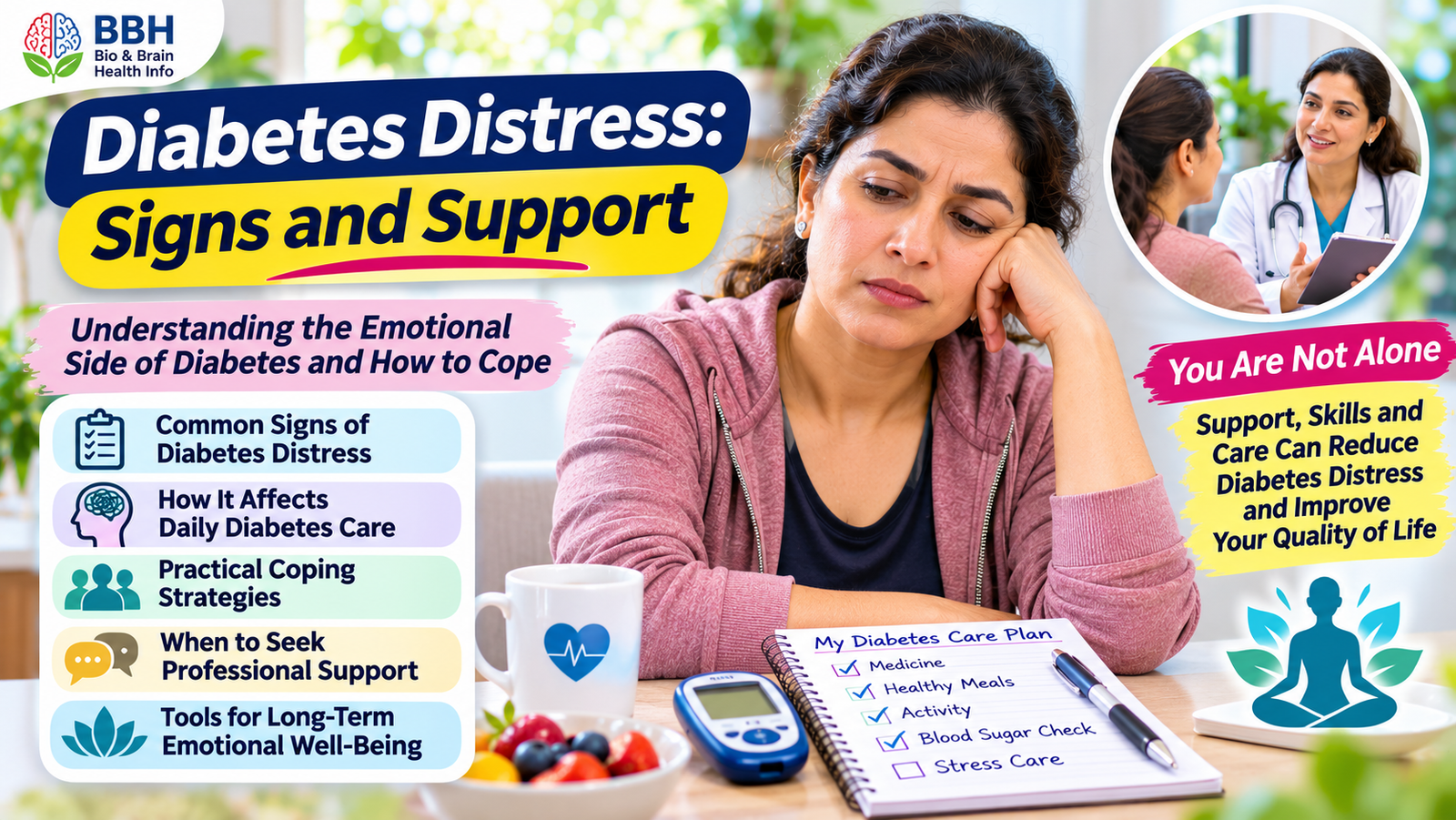
Medical Safety: When to Seek Urgent Help
Diabetes Distress: Frequently Asked Questions
Is diabetes distress a mental illness?
Not by itself. It is an emotional response related to the demands of diabetes, although depression or anxiety may coexist.
What are the most common signs?
Feeling overwhelmed, worried, guilty, frustrated, exhausted by diabetes tasks or disconnected from care are examples.
Is diabetes burnout the same as diabetes distress?
Burnout often describes deeper exhaustion or disengagement and can arise after prolonged distress; the terms overlap but are not identical.
Can diabetes distress affect blood sugar?
It may be associated with glucose patterns and self-management difficulties, though the relationship is complex and not identical for everyone.
How do clinicians assess it?
Validated questionnaires such as DDS and PAID, followed by a discussion of practical needs, may help.
How often should screening happen?
ADA 2026 recommends at least annual screening and further assessment at transitions, complications or unmet treatment goals.
Does distress require antidepressants?
Not automatically. Diabetes-specific education and psychosocial support may help; coexisting depression or anxiety needs its own clinical assessment.
Can a diabetes educator help?
Yes. Educators can assist with diabetes tasks, treatment problem-solving and practical support.
What if glucose devices make me anxious?
Discuss alarms, targets, monitoring needs and appropriate adjustments with the diabetes team rather than disabling essential safety features on your own.
Can family members experience distress?
Yes. Caregivers may also experience emotional strain and benefit from guidance.
What if medication costs are causing distress?
Tell the prescriber or pharmacist. Ask about financial help and medically appropriate options rather than rationing medicine.
Can diabetes distress happen with normal A1C?
Yes. Emotional burden is not determined by a single laboratory result.
What can I do today?
Identify the hardest diabetes task, contact a trusted healthcare professional or educator, and ask for a manageable next step.
When should I seek urgent help?
Seek urgent assessment for self-harm risk, inability to stay safe, severe physical symptoms, or inability to manage essential treatment.
BBH Menu, Submenu, Support and Five Related Articles
Medical and Research References
- ADA 2026: Facilitating Positive Health Behaviors and Well-being
- EASD 2026 Guideline: Assessing and Managing Diabetes Distress
- CDC: Diabetes and Mental Health
- CDC: Ten Tips for Coping with Diabetes Distress
- Diabetes UK: What Is Diabetes Distress and Burnout?
- Diabetes UK: Diabetes and Emotional Health — Professional Guide
- NIDDK: Diabetes Distress and Depression