Diabetes and Depression: What to Know
Diabetes and Depression: Signs and Support

Diabetes and depression can affect the same person, with physical health concerns, treatment demands, mood changes and daily routines influencing one another. Depression is a treatable health condition rather than simply feeling discouraged after a high blood sugar reading. Recognizing symptoms, talking with a professional and coordinating care are important steps toward better well-being.
Thank you for reading this post, don't forget to subscribe!This Bio & Brain Health Info guide explains the relationship between the two conditions, signs of depression, how it differs from diabetes distress, validated screening methods and evidence-based treatment. It draws on the American Diabetes Association (ADA) 2026 Standards of Care, the CDC, NIDDK and Diabetes UK, prioritizing US readers while noting relevant resources in the UK, Canada and Australia.
Diabetes and Depression: Understanding the Connection
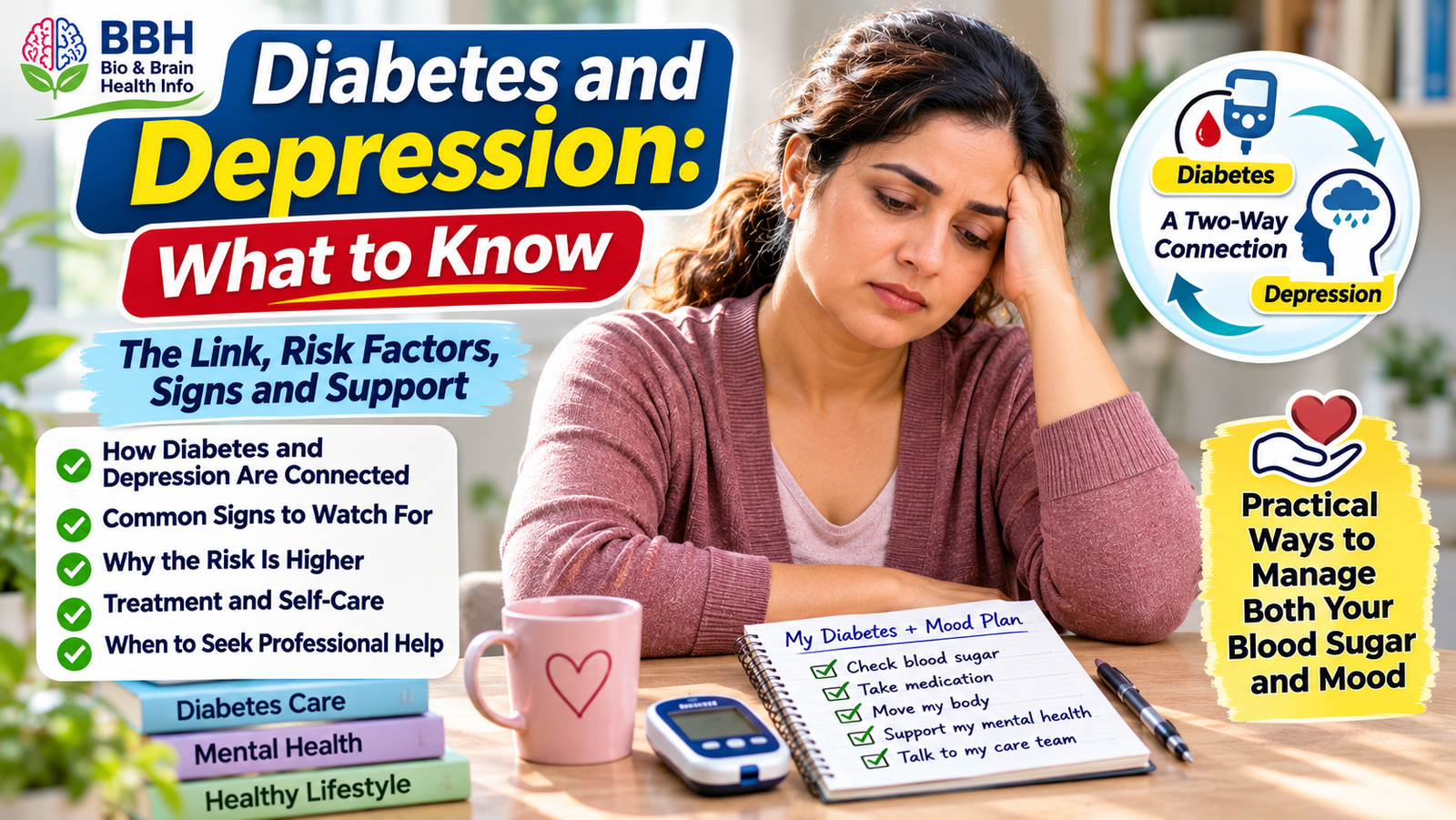
Research shows a two-way association between depression and type 2 diabetes: living with diabetes can increase psychological burden, while depression can affect sleep, activity, eating patterns, medication routines and metabolic health. Some studies also identify shared pathways involving inflammation, stress responses and social conditions. The evidence does not support a simple claim that sadness directly causes diabetes or that high glucose directly causes every episode of depression.
Both type 1 and type 2 diabetes can coexist with depression, although the causes and challenges differ. A new diagnosis, episodes of hypoglycemia, complications, medication costs or fear of future disability may make daily life difficult. Depression can also begin for reasons unrelated to diabetes and deserves its own assessment.
There is no single percentage that applies to every country or patient population. Prevalence estimates vary with age, diabetes type, study methods and whether studies measure symptoms or formally diagnosed depressive disorders. A useful article avoids presenting a depression questionnaire result as a confirmed clinical diagnosis.
Diabetes and Depression: Symptoms to Recognize
Depression may involve persistent sadness, emptiness or irritability, loss of pleasure or interest, feelings of worthlessness, hopelessness, changes in sleep and appetite, fatigue, poor concentration or reduced ability to function. Some people experience unexplained aches and other physical complaints. Symptoms often occur on most days over at least two weeks, but severity and clinical context matter.
A person might stop participating in activities they previously enjoyed, find routine decisions unusually difficult, avoid contacting friends or struggle to attend appointments. These changes warrant compassionate assessment, not criticism. Diabetes is not the only possible explanation for fatigue or changes in appetite.
Shaking, sweating, palpitations and confusion can arise with low glucose. High glucose, dehydration, anemia, thyroid conditions, sleep apnea, medications and other illnesses may also affect energy or mood. When symptoms change suddenly or are medically concerning, check for physical causes alongside mental-health evaluation.
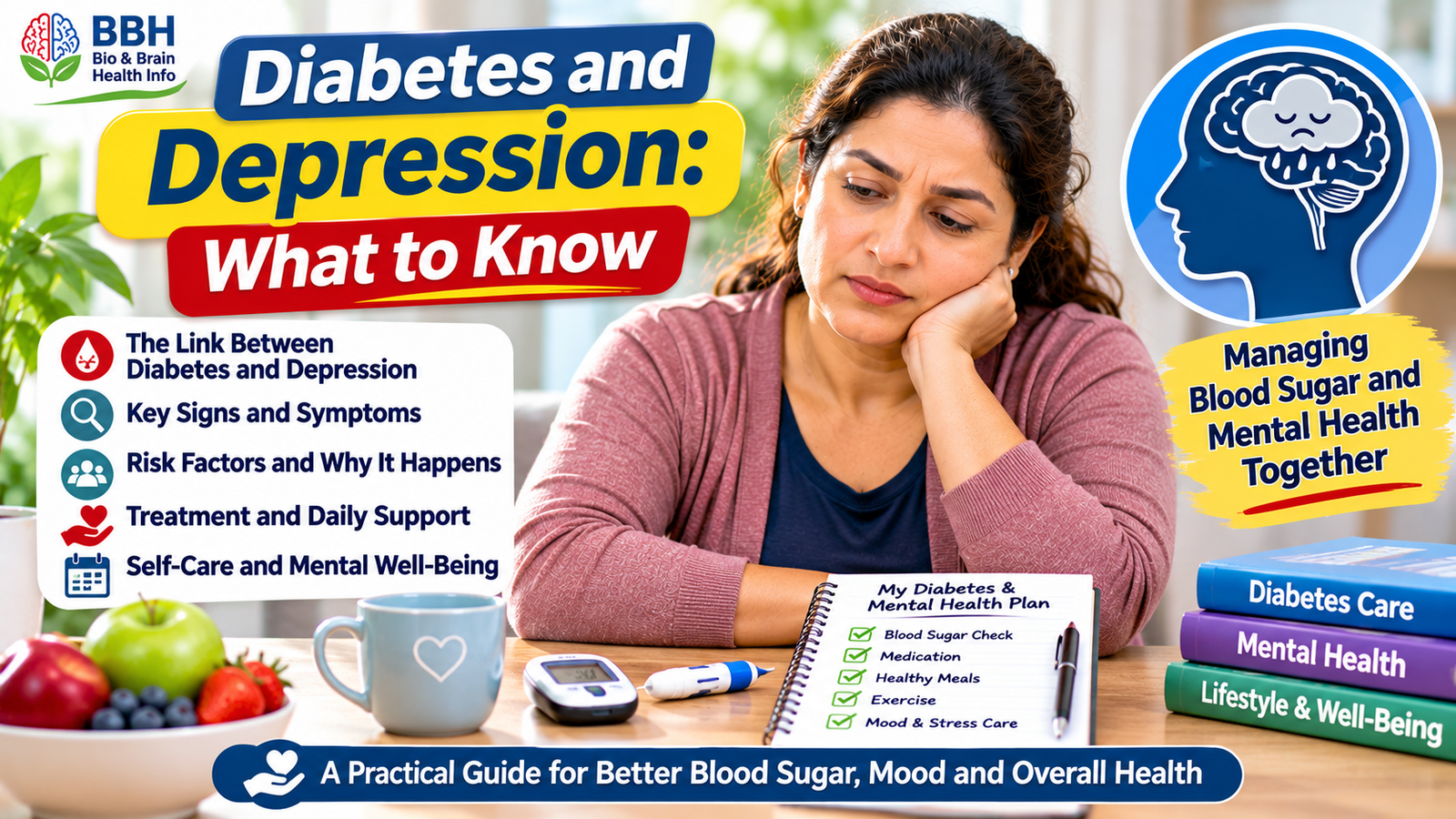
Diabetes and Depression vs Diabetes Distress
Diabetes distress is emotional strain linked specifically to the day-to-day work of managing diabetes, fear of complications, relationships or treatment costs. Depression involves a broader pattern of mood and interest symptoms that can affect many aspects of life. A person can experience both at the same time.
| Feature | Diabetes distress | Depression |
|---|---|---|
| Main concern | Emotional burden specific to living with diabetes | Broader symptoms affecting mood, interest and function |
| Diagnosis | Not itself a psychiatric diagnosis | Requires clinical assessment for a depressive disorder |
| Assessment | DDS or PAID and a supportive discussion | PHQ-2/PHQ-9 screening plus clinical evaluation |
| Support | Diabetes education, problem-solving and psychological support | Evidence-based mental-health treatment and coordinated diabetes care |
This difference matters: a patient exhausted by glucose alarms or treatment costs may benefit from modifying the care plan, whereas someone with major depression may need targeted therapy, medication or more intensive support. For a dedicated explanation, read Diabetes Distress: Signs and Support.
Why Depression and Diabetes May Influence One Another
The association reflects multiple pathways. Chronic disease management demands attention and resources, while symptoms of depression may make it difficult to prepare meals, exercise, collect prescriptions or remember appointments. Sleep problems, socioeconomic stress, pain and other medical conditions can intensify both challenges.
Research into inflammatory and neuroendocrine mechanisms is ongoing. These mechanisms may help explain links across populations, but they are not diagnostic tests and should not be presented as proof that every patient shares the same biological cause.
Some individuals develop depression long before diabetes, and others experience depressive episodes after a diagnosis or complication. That timing alone does not establish causation. Each condition should be assessed on its own merits.
How Depression Can Affect Glucose Management
Depression can interfere with the energy and motivation needed for everyday diabetes tasks. Someone may delay refilling medicines, avoid glucose checks because the readings cause fear, or eat irregularly. This can lead to difficulties managing blood glucose, although the relationship is not identical in everyone.
Health teams should ask about affordability, pain, sleep, medication side effects and social support rather than attributing every elevated HbA1c to depression or insufficient effort. A practical plan reduces the number of competing tasks and makes essential treatment accessible.
Treatment success should include mental-health outcomes, quality of life and confidence alongside appropriate glucose and cardiovascular measures. Improving one domain does not guarantee immediate improvement in another, but treating both together supports comprehensive care.
Depression Screening and Diagnosis With Diabetes
The ADA 2026 Standards recommend screening for depressive symptoms at least annually in people with diabetes, with additional assessment when symptoms or clinical circumstances warrant. The PHQ-2 is a brief screening tool; a positive result may be followed by the PHQ-9 and a professional interview. A questionnaire alone does not diagnose major depression.
Clinicians consider symptom duration, severity, effect on functioning, prior mood episodes, medicines, substance use and potential medical explanations. A history of mania or hypomania is particularly important before choosing depression medication because treatment differs for bipolar disorders. Suicide-related answers require timely safety assessment.
Screening only helps when a service can provide follow-up. Ask who will review the results, whether a referral is needed and when progress will be reassessed. Primary care, endocrinology and behavioral-health teams may share responsibility.
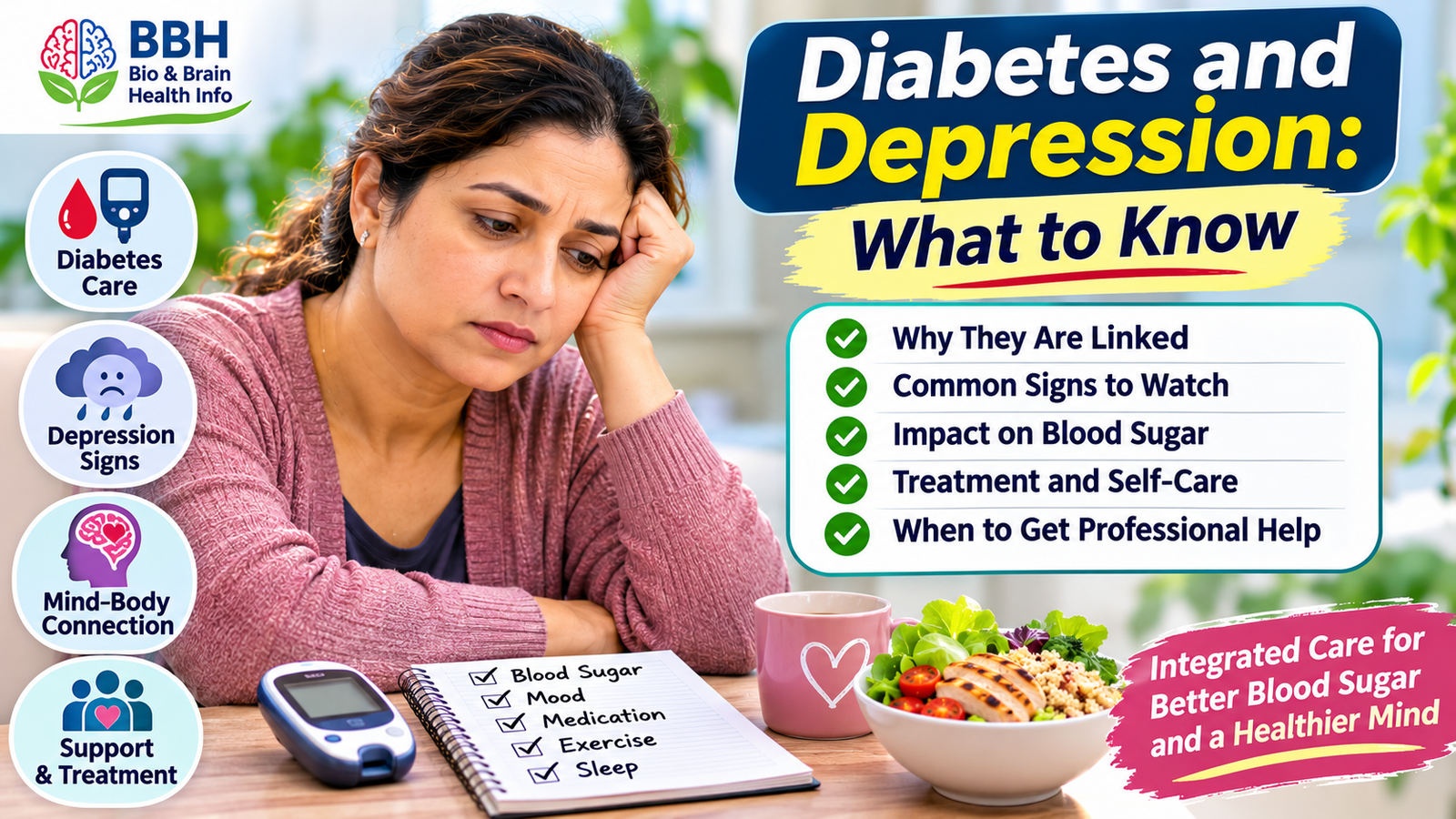
Treating Diabetes and Depression Together
Depression can be treated through psychotherapy, medication when indicated, or a combination depending on severity, preferences, medical history and safety needs. Approaches such as cognitive behavioral therapy, interpersonal therapy and behavioral activation have evidence for many people. Treatment should be provided by suitably qualified professionals.
Collaborative care coordinates the diabetes team, primary care and behavioral-health professionals rather than expecting a person to manage competing advice independently. ADA 2026 guidance supports referral to qualified behavioral-health professionals with evidence-based treatment expertise. Follow-up is needed to judge both mood symptoms and practical diabetes-related outcomes.
Diabetes self-management education is valuable but is not a substitute for treating major depression. Conversely, therapy alone may not resolve insulin affordability or an overly complicated medicine schedule. The treatment plan should address both the mental-health condition and the specific barriers to diabetes care.
Antidepressants, Diabetes Medicines and Treatment Safety
Antidepressant choices depend on the diagnosed condition, past response, potential interactions, weight or appetite effects, sleep, kidney and liver health and other medications. Some antidepressants may affect weight or glucose regulation, but effects vary and should not be generalized to every medicine or patient.
A clinician should review medicines and monitor relevant changes during treatment. Do not stop an antidepressant suddenly, double a missed dose or adjust insulin because an online article suggests an interaction. Changes in appetite or activity during recovery may also affect glucose patterns, requiring individualized diabetes follow-up.
For someone with a history of bipolar disorder or episodes of elevated mood, reduced need for sleep or unusually increased activity, disclose these to the prescriber before starting an antidepressant. Antidepressant monotherapy can be inappropriate in some bipolar conditions; professional diagnosis matters.
A Manageable Daily Plan for Mood and Glucose
When depression makes routines difficult, a shorter plan may be safer than a perfect-looking checklist. Agree on nonnegotiable medication and monitoring steps with the diabetes team; then choose one small action for sleep, food, movement or social contact. The plan must fit the actual person’s work schedule and available support.
| Area | Practical starting step |
|---|---|
| Medication | Use a prescribed schedule and ask about refill reminders or assistance |
| Food | Choose one simple, affordable meal that is easy to prepare |
| Activity | Try brief, safe movement when medically suitable |
| Sleep | Aim for a consistent routine and discuss persistent disruption |
| Emotional support | Book an assessment or check in with a trusted support person |
| Follow-up | Record the next appointment and the questions most important to you |
This is an educational planning example, not a requirement to track every feeling or glucose number. Avoid excessive self-monitoring that increases distress. Review essential medical tasks with the clinician before simplifying monitoring or medicines.
Sleep, Activity, Nutrition and Relationships
Regular meals, adequate hydration, suitable physical activity and sleep may support mood and diabetes care, but do not replace evidence-based depression treatment. For some patients, behavioral activation starts with a brief walk, sitting outdoors or resuming a manageable activity rather than a demanding exercise goal.
Sleep apnea, insomnia or shift work may need separate assessment. A person with kidney disease, a history of eating disorders or complex medication needs should not automatically copy restrictive diets or fasting plans. Discuss lifestyle changes with the care team.
Social connection can help reduce isolation. Family members can offer rides, listen during difficult days or help with practical tasks when invited, without policing food or making the person feel blamed for laboratory readings.
Support for Diabetes and Depression at Home and in Clinics
Useful questions include “Which part of diabetes care feels hardest?” and “What kind of help would make the next week more manageable?” Clinicians can offer clear instructions, a treatment review, education, mental-health referral and resources for medication costs or transport difficulties.
Caregivers need support too. Friends and family should respect privacy, avoid minimizing symptoms and learn urgent medical response steps when appropriate. Peer groups can provide encouragement but should not replace professional medication or mental-health advice.
A patient who feels dismissed can request a longer follow-up appointment or an alternate clinician where feasible. Emotional safety and shared decisions are important parts of ongoing chronic disease care.
Other Conditions That Can Resemble Depression
Hypoglycemia, chronic hyperglycemia, thyroid disease, iron or vitamin deficiencies, pain, medication effects and sleep disorders may affect mood and energy. Some people have both a physical problem and a depressive disorder, so an either/or approach can miss important needs.
Clinicians should consider the onset and timing of symptoms, recent medicine changes, glucose patterns and relevant medical history. Persistent low mood should not be dismissed after a single normal laboratory result, nor should abrupt confusion be treated as routine depression.
Diabetes and Depression Support in Four Countries
United States: ADA 2026 recommends mental-health screening and coordinated care. Ask about diabetes self-management education, primary-care depression services, counseling referral and insurance coverage. The CDC and NIDDK provide accessible educational resources.
United Kingdom: Diabetes UK offers depression and emotional well-being information. A GP, diabetes team or available NHS talking-therapy service can help with screening and referral. Service eligibility and waiting times vary by location.
Canada: Diabetes Canada emphasizes person-centered management, and provincial health services can provide mental-health assessment pathways. A family doctor, diabetes education centre or local mental-health service can help coordinate care.
Australia: A GP can assess mental-health symptoms and discuss appropriate psychological referrals or a mental-health treatment plan according to eligibility. Diabetes Australia and local diabetes educators provide disease-management information and support.
Seven Important Questions Other Articles Often Miss
1. Distress and depression can occur together
Diabetes-specific frustration does not rule out clinical depression. Screening for both matters because the types of support can differ.
2. Low glucose can look like a mental-health emergency
Sweating, shaking or confusion may be related to glucose, medicines or another medical cause. Sudden severe changes require physical assessment rather than assumptions about mood.
3. Mental-health treatment must consider diabetes medicines
Medication interaction, changes in appetite and sleep, and monitoring burdens may affect treatment choices. A coordinated plan is preferable to isolated prescribing.
4. Bipolar history changes treatment decisions
A history of mania or hypomania is an important clinical detail when assessing depressive symptoms and prescribing medicines.
5. Cost and access can worsen both conditions
Medication rationing, unavailable appointments, food insecurity and insurance gaps can intensify symptoms. Social and financial support may be essential parts of effective care.
6. Screening must lead to follow-up
A PHQ-9 number is not the treatment. The team must discuss what the score means, assess safety and offer an appropriate next step.
7. Quality of life deserves equal attention
Better mood, easier daily routines and meaningful activity are valuable outcomes even if a glucose metric improves slowly.
Medical Safety: When to Seek Urgent Help
Frequently Asked Questions
Can diabetes cause depression?
Living with diabetes is associated with higher rates of depression, but an individual’s symptoms have multiple possible causes.
Can depression increase type 2 diabetes risk?
Research finds a two-way association, with behavior, sleep, biology and social factors potentially contributing; it is not proof of a single direct cause.
How is diabetes distress different from depression?
Distress concerns emotional burden specifically related to diabetes; depression is a broader clinical mental-health condition.
What are common depression symptoms?
Persistent low mood, loss of interest, changes in sleep or appetite, fatigue, concentration problems and hopelessness are important examples.
Can high or low glucose affect mood?
Yes. Glucose changes may cause physical and behavioral symptoms, which need assessment separately from an ongoing depressive disorder.
Should every person with diabetes be screened?
ADA 2026 recommends at least annual screening for depressive symptoms, with further screening when clinically indicated.
Does PHQ-9 diagnose depression?
No. It is a screening and symptom-severity tool that requires clinical interpretation and follow-up.
Can counseling help with diabetes-related depression?
Evidence-based psychological therapies may help and can be coordinated with diabetes management.
Are antidepressants safe with diabetes?
Many can be used when appropriate, but selection and monitoring should be individualized with the prescriber.
Should I stop diabetes medicines when depressed?
No. Contact the healthcare team for a simpler, safer plan rather than independently changing essential treatment.
Can diabetes distress and major depression occur together?
Yes. The two conditions can coexist and may need different kinds of support.
What if I cannot afford medication or therapy?
Tell your care team; ask about social work, covered services, assistance programs and lower-cost clinically appropriate options.
Why does bipolar history matter?
Past mania or hypomania affects depression diagnosis and the safety of some antidepressant strategies.
When is emergency support necessary?
Immediate self-harm risk, inability to stay safe, severe confusion or serious glucose-related illness requires urgent care.
Related BBH Articles, Navigation and Support
Medical Research Citations and Disclaimer