Diabetes During Pregnancy: Care Basics
Diabetes During Pregnancy: Risks and Care


Diabetes during pregnancy requires a plan that protects both the pregnant person and developing baby, without encouraging fear or unrealistic expectations. Some people enter pregnancy with type 1 or type 2 diabetes, while others are diagnosed with gestational diabetes later in pregnancy. The appropriate testing, medicine decisions and postpartum care depend on which situation applies, as well as individual health and clinical findings.
Thank you for reading this post, don't forget to subscribe!Related reading: Explore our guides to diabetes in pregnancy versus gestational diabetes.
This evidence-based Bio & Brain Health Info guide prioritizes US readers and uses the 2026 American Diabetes Association (ADA) Standards of Care, CDC and NIDDK guidance, plus key resources for the UK, Canada and Australia. It explains practical care, treatment and monitoring with specific attention to content that is often missed: preconception planning, risk of ketoacidosis, pregnancy-specific CGM interpretation, newborn care and postpartum diabetes testing.
Diabetes During Pregnancy: Essential Care Principles
The CDC notes that high blood sugar before or during pregnancy can increase risks for the pregnant person and baby. However, early identification and appropriate management can improve outcomes. Most clinical recommendations emphasize teamwork: obstetric specialists, diabetes professionals, dietitians and educators collaborating with the person who is pregnant.
Care depends on the individual’s history. Someone with established type 1 diabetes often needs careful insulin adjustments throughout pregnancy and access to glucose monitoring and ketone supplies. A person with gestational diabetes may initially manage glucose with nutrition and activity, but some need medication. Neither plan should be treated as a universal template.
The 2026 ADA pregnancy standards emphasize glucose goals, preconception assessment, ongoing screening and postpartum follow-up. The article’s numerical targets below are general clinical examples, not instructions to alter medicines or substitute for a specialist’s plan. ADA 2026: Management of Diabetes in Pregnancy.
Diabetes During Pregnancy: Three Different Situations
Type 1 diabetes existing before conception: the pancreas produces little or no insulin. Insulin treatment remains essential, and interruption of delivery can cause ketosis or diabetic ketoacidosis. The clinical plan may include insulin pumps, CGM, finger-stick checks and specialized fetal care.
Type 2 diabetes existing before conception: insulin resistance and impaired insulin secretion were present before pregnancy. Medicines used before conception need review because some drugs are unsuitable in pregnancy and others require individualized decisions. People may need insulin even if it was not used previously.
Gestational diabetes: glucose intolerance first recognized during pregnancy that is not clearly overt preexisting diabetes. Pregnancy-related insulin resistance can lead to high glucose; it is commonly identified by pregnancy screening. A gestational diagnosis should not be assumed when early testing suggests previously unrecognized diabetes.
Gestational diabetes often resolves after delivery, but the person remains at increased risk for future type 2 diabetes. Conversely, preexisting type 1 and type 2 diabetes do not disappear simply because pregnancy has ended. Correct classification influences follow-up and long-term prevention.
Why Glucose Matters for Parent and Baby
Maternal glucose crosses the placenta and can influence fetal growth and newborn glucose regulation. Poorly controlled preexisting diabetes early in pregnancy raises the risk of certain congenital anomalies; later hyperglycemia may contribute to excessive fetal growth, delivery complications and neonatal hypoglycemia.
Diabetes in pregnancy is also associated with an increased risk of hypertensive disorders such as preeclampsia, depending on underlying conditions and other factors. Some pregnancies need additional surveillance for fetal growth and well-being. The existence of risk is not a prediction that a complication will happen.
Overly aggressive glucose lowering can cause maternal hypoglycemia, especially when insulin is used. The care team therefore balances glucose goals with the person’s ability to eat, recognize lows and follow the plan safely. Pregnancy requires more individualized advice than a standard adult diabetes target chart.
Preconception Planning for People With Diabetes
People with known type 1 or type 2 diabetes benefit from a preconception appointment when pregnancy is being planned. Clinicians may review A1C, glucose patterns, medicines, blood pressure, kidney and eye health, folic acid, vaccination status and other conditions that could affect pregnancy.
The ADA generally advises aiming for an A1C below 6.5% before conception when safely achievable, but individualized goals and the avoidance of significant hypoglycemia remain important. Some drugs commonly used outside pregnancy, including selected blood pressure and lipid-lowering medicines, may require discontinuation or substitution under medical supervision.
If pregnancy occurs unexpectedly, do not stop insulin or prescribed medicines abruptly. Contact the prenatal and diabetes team promptly for a medication review and early assessment. The goal is to make safe changes quickly and thoughtfully, not to assign blame.
When and How Gestational Diabetes Is Tested
In the United States, routine gestational diabetes screening commonly takes place at 24–28 weeks for people not previously diagnosed with diabetes. Practices may use a one-step 75-gram oral glucose tolerance test (OGTT) or a two-step approach involving an initial glucose challenge followed by a diagnostic test when indicated.
People with risk factors or signs of previously unrecognized diabetes may be assessed earlier. Early screening is not identical to the standard mid-pregnancy process, and diagnostic thresholds vary between methods and organizations. An elevated home meter reading is not a substitute for a properly performed laboratory diagnosis.
The 2026 ADA diagnosis section explains recognized testing strategies. Ask which approach your obstetric practice uses and whether fasting, medication instructions or follow-up testing are required. ADA 2026: Diagnosis and Classification of Diabetes.
Diabetes During Pregnancy: Blood Glucose Targets
Pregnancy targets are generally tighter than the goals used for many nonpregnant adults. The ADA 2026 recommends, for many pregnancies associated with diabetes, fasting glucose below 95 mg/dL (5.3 mmol/L), one-hour after-meal glucose below 140 mg/dL (7.8 mmol/L) or two-hour after-meal glucose below 120 mg/dL (6.7 mmol/L). Timing is usually counted from the beginning of a meal.
| Measurement | ADA general goal | Equivalent |
|---|---|---|
| Fasting / before breakfast | Below 95 mg/dL | Below 5.3 mmol/L |
| One hour after meal begins | Below 140 mg/dL | Below 7.8 mmol/L |
| Two hours after meal begins | Below 120 mg/dL | Below 6.7 mmol/L |
These are not mandatory goals for every individual. Severe or repeated hypoglycemia, concurrent illness and other circumstances require clinician-led adjustments. Pregnancy A1C goals may also differ and A1C is not a substitute for fasting and after-meal monitoring. ADA 2026 pregnancy glucose monitoring reference.
Finger-Stick Glucose Checks and CGM in Pregnancy
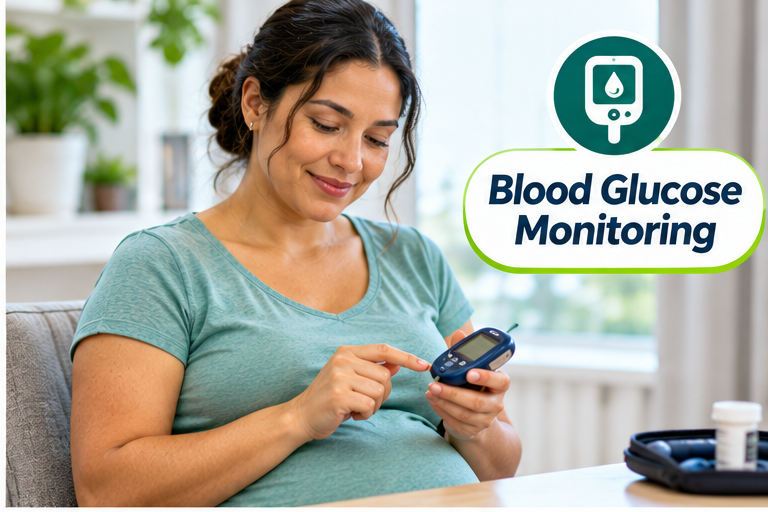
Many people check fasting glucose and one- or two-hour after-meal values using an approved home glucose meter. Those using multiple daily insulin injections or pumps may also need premeal, bedtime, overnight or symptom-triggered checks. Your team should specify when to check, how to record results and what warrants a call.
Continuous glucose monitoring can offer trend information and may help improve outcomes, particularly in type 1 diabetes during pregnancy. However, interstitial glucose can differ from capillary blood values and the 2026 ADA guidance emphasizes using pregnancy-appropriate glucose metrics. Do not substitute a general nonpregnant “time in range” threshold for pregnancy-specific goals.
Pregnancy can change insulin sensitivity and requirements over the weeks. A pattern from one trimester may not predict the next, and a sensor does not replace the clinician’s insulin plan. Confirm sensor readings with a meter when symptoms disagree, data are unavailable or manufacturer guidance requires confirmation.
Pregnancy Nutrition: Enough Food and Balanced Carbohydrates
Nutrition care aims to provide adequate energy and essential nutrients while managing glucose. A qualified prenatal dietitian can help plan carbohydrate distribution, fiber, protein, fats and appropriate meals that fit individual culture, appetite and finances. Pregnancy should not be approached as a time for aggressive weight loss or severe carbohydrate restriction.
Examples of balanced meals may include vegetables, whole grains or other fiber-rich carbohydrates, protein and unsaturated fats. Some people benefit from consistent meal timing and smaller carbohydrate portions distributed across the day, but the exact approach should be adjusted for nausea, activity, treatment and nutritional needs.
Skipping meals, fasting to obtain a better meter number or removing entire food groups without clinical guidance can be unsafe, especially when insulin is used. If persistent nausea or vomiting prevents food and fluids, contact the prenatal team promptly because dehydration and metabolic complications may develop.
The ADA 2026 standards emphasize medical nutrition therapy and sufficient carbohydrate intake during pregnancy. Supplements, including prenatal folic acid, should follow obstetric recommendations. An educational diet example cannot replace an individualized nutrition assessment.

Physical Activity, Sleep and Daily Pregnancy Routines
When the pregnancy clinician agrees that activity is safe, walking and other moderate exercise may support glucose management and general well-being. Some people find a gentle walk after meals useful. However, pregnancy complications, cardiovascular concerns or obstetric restrictions may change the recommended activity.
Sleep, stress and illness can affect glucose. Encourage realistic routines rather than strict performance goals. If repeated low glucose occurs with activity or reduced food intake, seek guidance about monitoring and medication; never adjust insulin based solely on generalized internet advice.
Hydration and rest are important, but people with conditions requiring fluid restrictions need individualized instructions. Stop activity and seek medical help for concerning symptoms such as chest pain, vaginal bleeding, significant dizziness or other obstetric warning signs.
Insulin, Metformin and Medicine Safety During Pregnancy
Insulin is commonly preferred or required for treating diabetes during pregnancy because it can be adjusted to individual glucose needs and does not cross the placenta in meaningful amounts in standard formulations. People with type 1 diabetes must continue insulin therapy. Glucose requirements can change markedly as pregnancy progresses and again after delivery.
For gestational diabetes, nutrition and activity may be sufficient for some people; others require insulin or another treatment after a shared decision with the obstetric-diabetes team. Metformin crosses the placenta and guideline recommendations differ by clinical scenario and country. It should not be presented as an interchangeable first-line replacement for insulin in every pregnancy.
Review all prescriptions and over-the-counter supplements. Certain medicines used for hypertension or cholesterol management outside pregnancy may not be suitable. Avoid starting herbal products, weight-loss drugs or glucose-lowering supplements based on online claims.
A person using an insulin pump should maintain a written backup injection and ketone-testing plan. Pump interruption can rapidly cause insulin deficiency. If vomiting, significant ketones or severe high glucose occurs, seek immediate professional guidance rather than repeatedly adjusting pump settings.
Low Blood Sugar, Ketones and Emergency Safety
Hypoglycemia can be more frequent in some people with type 1 diabetes, especially early in pregnancy. Symptoms include sweating, shaking, confusion and weakness, though some people may not recognize typical warnings. A documented response plan should cover rapid carbohydrates, glucose rechecks, emergency glucagon and when to call emergency services.
Diabetic ketoacidosis during pregnancy is particularly serious and may occur at lower glucose levels than expected. Vomiting, abdominal pain, deep breathing, worsening fatigue or confusion are urgent warning signs. The care team should explain when to check blood or urine ketones, especially during illness or insulin-delivery problems.
Do not give anything by mouth to someone unconscious or unable to swallow. Contact emergency services for seizures, loss of consciousness, severe dehydration, respiratory difficulty or other signs of serious illness. Read Diabetes Sick-Day Rules: Safety Guide for related information.
Prenatal Visits, Eye Health, Kidney Function and Blood Pressure
Pregnancy with preexisting diabetes may require eye examinations because diabetic retinopathy can progress in some individuals. Kidney health, blood pressure and cardiovascular history should be assessed, with extra attention to protein in urine and preeclampsia risk when clinically indicated.
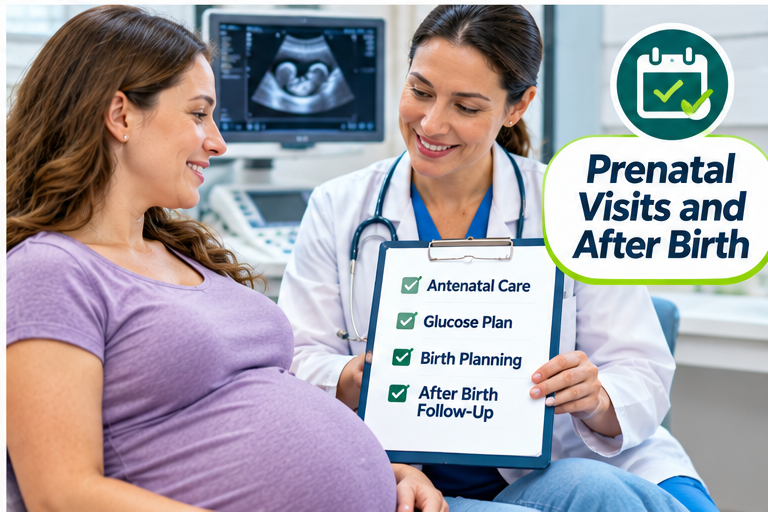
The care team may include an obstetrician, maternal-fetal medicine specialist, endocrinologist, dietitian and diabetes educator. Visits can become more frequent as pregnancy advances, particularly if medicines are being adjusted or fetal monitoring is needed.
The prenatal plan may include ultrasound assessments of growth and, in some pregnancies, antenatal fetal surveillance. These tests are individualized; not everyone with a gestational diabetes diagnosis requires exactly the same schedule or delivery plan.
Fetal Growth, Delivery Planning and Newborn Glucose
Some forms of diabetes in pregnancy increase the chance of a larger-than-expected baby, cesarean delivery, birth injury or newborn hypoglycemia. Other conditions can affect placental function and growth. Appropriate monitoring helps clinicians identify when additional surveillance or an individualized delivery strategy is needed.
Newborns exposed to elevated maternal glucose may produce more insulin and experience a fall in glucose after birth. The maternity and newborn care team may assess feeding and glucose based on the baby’s circumstances and local protocols.
Discuss timing and mode of delivery with the obstetric team. A diabetes diagnosis does not automatically mean cesarean birth, nor does it guarantee a particular delivery date. Individual factors include fetal growth, glucose management, blood pressure and any other obstetric complications.
After Delivery: Breastfeeding, Glucose Changes and Screening
Insulin needs can drop quickly after delivery for people with preexisting diabetes, particularly type 1. This change requires clinician-directed medication adjustment and continued monitoring. Breastfeeding is generally supported when medically appropriate, but insulin users may need help preventing low glucose while feeding and adjusting to disrupted sleep.
After gestational diabetes, the ADA recommends a 75-gram oral glucose tolerance test at approximately 4–12 weeks postpartum to check for persistent prediabetes or diabetes. A1C alone may be less reliable early postpartum because pregnancy and blood loss can affect its interpretation.
Long-term follow-up is important because prior gestational diabetes increases future type 2 diabetes risk. Ongoing diabetes screening is generally recommended at least every three years, with timing adjusted to health and clinical findings. A postpartum appointment should also address blood pressure, contraception, future pregnancy planning and emotional well-being.
Gestational diabetes may resolve after delivery, but that does not mean future risk disappears. Similarly, a person with type 1 or type 2 diabetes needs ongoing therapy and support after giving birth. Plans should be realistic for families managing newborn care, breastfeeding and fatigue.
Anxiety, Diabetes Distress and Practical Support
A pregnancy diagnosis can bring anxiety about the baby’s health, food choices and repeated testing. Avoid framing every glucose reading as a moral success or failure. People need understandable instructions and access to supplies, not blame. Depression, anxiety, food insecurity and limited transportation may interfere with care.
Request a written plan covering glucose targets, testing schedule, who to call for repeated abnormal readings, ketone testing, prescriptions and postpartum appointments. Partners or family members can help with meals and logistics while respecting privacy and autonomy.
Language interpretation, financial assistance and nutrition counseling can make evidence-based care more accessible. A care plan that cannot be followed because strips are unaffordable or appointments are inaccessible requires adjustment by the healthcare system, not criticism of the patient.
Diabetes During Pregnancy: USA, UK, Canada and Australia
United States: ADA 2026 guidance supports individualized glucose goals, screening for gestational diabetes, review of preexisting diabetes complications and postpartum testing. Obstetric and maternal-fetal medicine services coordinate higher-risk care. Coverage for CGM, insulin and nutrition support varies by insurance.
United Kingdom: NICE NG3 outlines preconception, antenatal and postnatal diabetes management, including specific glucose targets and real-time CGM for pregnant women with type 1 diabetes. UK units typically use mmol/L. NICE pregnancy guidance.
Canada: Glucose targets and gestational diabetes pathways are informed by Diabetes Canada and provincial care programs. Local coverage for glucose supplies, dietitians and maternity services differs across provinces; measurements generally use mmol/L.
Australia: Pregnancy diabetes care may involve GPs, obstetric providers, diabetes educators and dietitians. Australian resources and NDSS support may assist eligible patients with monitoring products; use Australian mmol/L targets and local obstetric instructions.
Seven Important Questions Many Pregnancy Guides Miss
1. Does a normal A1C guarantee glucose is safe in pregnancy?
No. Fasting and postmeal monitoring identify patterns that A1C alone may miss.
2. Can ketones develop when glucose is not extremely high?
Yes. Pregnancy can increase vulnerability to ketoacidosis in some circumstances.
3. Will gestational diabetes disappear after delivery?
Glucose may return to normal, but postpartum OGTT and future diabetes screening are still important.
4. Can a CGM replace all finger-stick testing?
Not necessarily. Pregnancy-specific goals and device indications require individualized backup testing.
5. Does eating fewer carbohydrates always help?
No. Adequate pregnancy nutrition is essential; overly restrictive diets may be unsafe.
6. Will insulin stay at the same dose after childbirth?
Often not. Requirements can change rapidly after delivery and need prompt clinical reassessment.
7. Does diabetes always mean a cesarean birth?
No. Delivery decisions depend on multiple maternal, fetal and obstetric factors.
Diabetes During Pregnancy: Frequently Asked Questions
Can a person with type 1 diabetes have a healthy pregnancy?
Many do with appropriate preconception planning, insulin therapy, monitoring and specialized prenatal care.
What is the difference between gestational and preexisting diabetes?
Gestational diabetes is first recognized during pregnancy when overt preexisting diabetes is not established; type 1 and type 2 diabetes may predate conception.
When is gestational diabetes screening done?
Usually around 24–28 weeks in many US practices, with earlier assessment in selected situations.
What is a typical fasting glucose goal?
ADA 2026 describes below 95 mg/dL for many pregnancies associated with diabetes; individual targets may differ.
When should I check glucose after eating?
The care team may recommend one or two hours after the beginning of meals.
Is insulin safe during pregnancy?
Insulin is a well-established treatment when prescribed and monitored by the prenatal diabetes team.
Is metformin always suitable?
No. It crosses the placenta and its role depends on the clinical situation and local recommendations.
Can I use a CGM while pregnant?
Yes, particularly for type 1 diabetes under specialist guidance; finger-stick backup may still be needed.
Does pregnancy increase the risk of ketones?
Ketoacidosis can occur in pregnancy and requires prompt assessment when symptoms or ketones are concerning.
Can I exercise?
Often yes if the obstetric team confirms appropriate activity for the pregnancy.
Can I eat fruit and whole grains?
These may be part of an individualized balanced meal plan, taking carbohydrate needs and glucose responses into account.
Does gestational diabetes cause birth defects?
The risks differ between early preexisting diabetes and gestational diabetes detected later; your team can explain the individual situation.
Will my baby need blood sugar checks?
Some newborns at risk may be screened based on maternal and delivery factors.
When should postpartum testing happen after gestational diabetes?
The ADA recommends a 75-gram OGTT around 4–12 weeks after delivery.
Does gestational diabetes mean I will develop type 2 diabetes?
Not inevitably, but it increases the future risk and warrants ongoing screening.
When should I get emergency care?
Seek urgent assessment for severe symptoms such as repeated vomiting, deep breathing, confusion, dehydration or serious obstetric warning signs.
BBH Main Menu, Submenu, Support and Five Related Articles
Medical Research References and Review Status