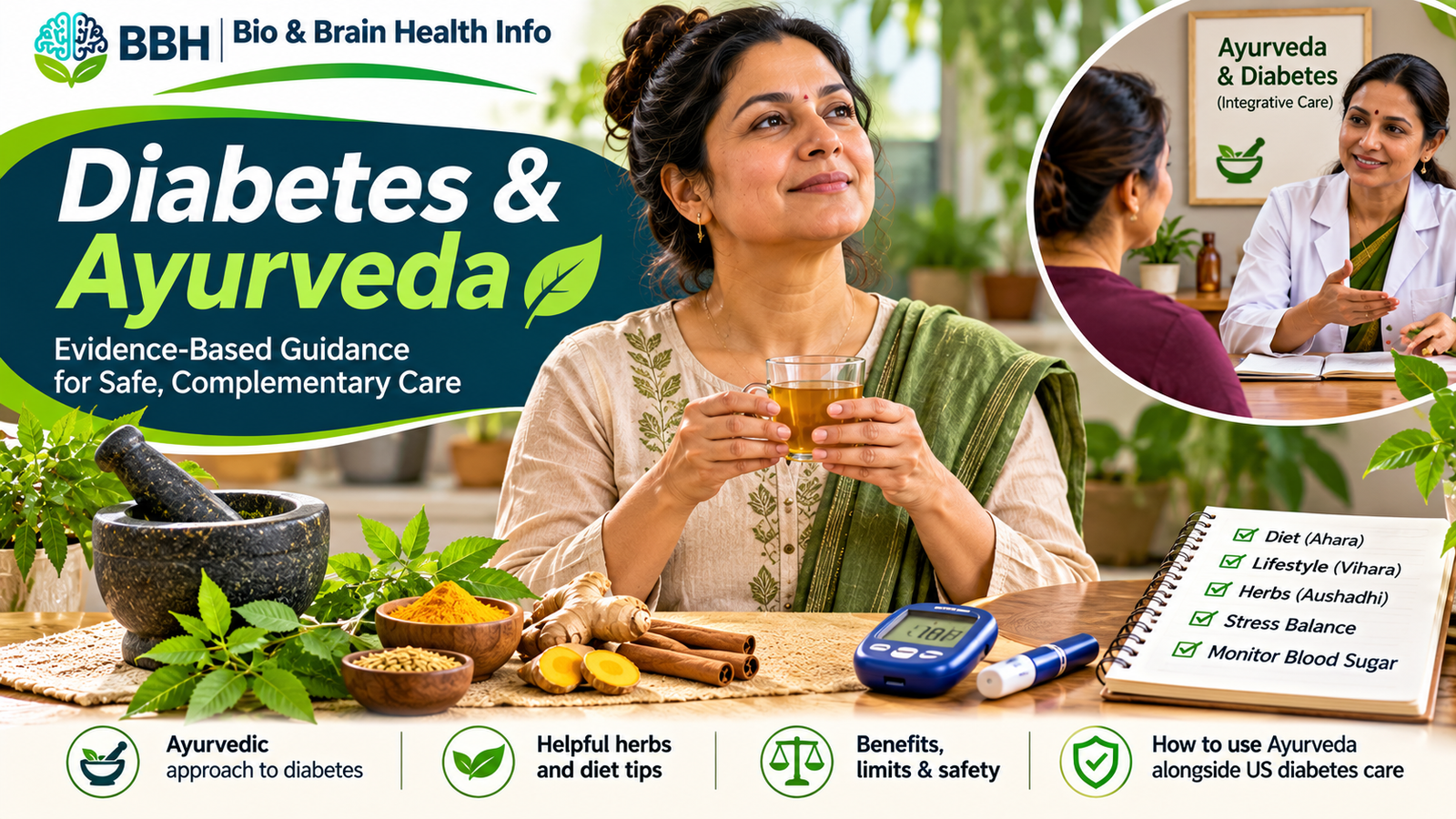
Diabetes and Ayurveda are often discussed together because Ayurveda includes traditional approaches to eating, movement, wellness and herbal preparations. These practices have cultural and historical significance, but a traditional use is not automatically proof that a product can safely treat diabetes. The most important distinction is between supportive lifestyle choices and unproven medicinal claims.
Thank you for reading this post, don't forget to subscribe!This article is written specifically for people living in the United States, using the American Diabetes Association (ADA) Standards of Care 2026, the National Institutes of Health’s NCCIH, FDA safety communications and systematic reviews. It explains the evidence, the limitations of herbal research, possible medicine interactions and practical ways to talk with clinicians without dismissing a patient’s background or beliefs.
What Ayurveda means in diabetes discussions
Ayurveda is a traditional medical system originating in India. It includes frameworks for understanding health as well as dietary traditions, daily routines, movement, massage and herbal, mineral or other products. Its historical vocabulary includes concepts such as madhumeha and prameha, which are sometimes discussed in relation to diabetes. These terms should not be treated as identical to a modern diagnosis established by laboratory testing.
A crucial distinction is the difference between adopting an ordinary food or a gentle wellness routine and consuming a concentrated medicinal formulation. A bowl of vegetables prepared with turmeric is not equivalent to a high-dose turmeric extract. Similarly, comfortable meditation is not equivalent to purchasing an untested capsule advertised to reverse diabetes.
For US readers, diabetes diagnoses and treatment decisions rely on validated clinical tests, monitoring and evidence-based medical care. Ayurveda can be discussed respectfully as a cultural tradition without assuming that traditional use establishes efficacy or safety for an individual medication.
Diabetes and Ayurveda: What clinical trials show
Research on Ayurvedic interventions for type 2 diabetes includes small randomized studies, multi-ingredient formulations, observational reports and several systematic reviews. Some reports describe improvements in fasting glucose or HbA1c with particular preparations, but differences in study quality, product contents, comparators, duration and adverse-event reporting make broad conclusions uncertain.
A Cochrane review judged the available evidence insufficient to recommend Ayurvedic treatments as routine diabetes therapy. A 2022 systematic review and meta-analysis published in Frontiers in Pharmacology examined trial evidence for numerous Ayurvedic medicines, highlighting research signals alongside quality and safety limitations. Studies of individual herbal ingredients cannot establish that Ayurveda as a whole provides a reliable treatment.
The NIH National Center for Complementary and Integrative Health (NCCIH) notes that some studied Ayurvedic medicines may improve glucose outcomes but that limitations of the research prevent firm conclusions. These data do not prove that herbal preparations can replace insulin, metformin or other effective therapy.
In its 2026 Standards of Care, the American Diabetes Association (ADA) says supplemental herbs and spices such as cinnamon, aloe vera and curcumin are not recommended for blood-glucose benefits. This is the appropriate current clinical baseline for US advice.
Type 1 diabetes: insulin cannot be replaced
Type 1 diabetes occurs when the pancreas produces little or no insulin because insulin-producing cells have been damaged, usually through an autoimmune process. Insulin is essential for life. Herbal teas, detox regimens, fasting, yoga or any Ayurvedic capsule do not replace that requirement.
Stopping insulin can rapidly lead to hyperglycemia, ketones and diabetic ketoacidosis (DKA), particularly in people using insulin pumps when delivery is interrupted. DKA may involve vomiting, abdominal pain, dehydration, deep breathing, confusion and severe illness and requires emergency care.
Someone with type 1 diabetes can discuss food traditions, gentle movement and emotional wellness with their diabetes team. But glucose monitoring, insulin administration, sick-day instructions and emergency supplies remain nonnegotiable parts of medical care.
Type 2 diabetes: choosing useful complementary habits
Type 2 diabetes is a chronic metabolic condition involving insulin resistance and reduced ability to produce enough insulin for the body’s needs. Clinical management may include nutrition counseling, physical activity, medication, glucose monitoring and treatment of blood pressure or cardiovascular risks.
Some practices commonly associated with Ayurveda, such as preparing vegetable-rich meals or observing consistent routines, overlap with general health behaviors already recommended in evidence-based care. Their benefit should be attributed to established nutrition, movement or behavioral mechanisms when evidence supports them, not to an unproven special glucose-cleansing effect.
People who want to follow traditional food patterns can often adapt them with a registered dietitian. Portion size, total carbohydrates, fiber, protein and overall food quality matter. A dish does not become glucose-neutral because it has spices or is described as Ayurvedic.
The 2026 ADA–EASD type 2 consensus supports individualized, evidence-based health behaviors and states that specific dietary supplements should not be recommended for glycemic management.
Common herbs: what is and is not known
Cinnamon is often marketed for blood sugar control. Trials have produced heterogeneous results and varied by species, preparation and dosage. There is not sufficient reliable evidence to recommend cinnamon supplements as routine diabetes treatment. Large amounts of certain cassia cinnamon products may expose a person to coumarin, which raises additional safety concerns.
Fenugreek, bitter melon and gymnema are frequently discussed in traditional medicine and online diabetes communities. Human research remains limited or variable; preparation concentrations differ widely. These ingredients should not be described as clinically proven replacements for prescribed medicines, and combinations with glucose-lowering drugs may increase the risk of low glucose.
Turmeric as a culinary spice is different from high-dose curcumin extracts. Concentrated formulations can have different effects and safety issues, including potential liver injury with certain products. Amla and other botanical preparations likewise vary in composition and have not established the necessary evidence for routine glucose treatment.
An ingredient’s presence in an ordinary meal does not establish the safety of its concentrated extract. Avoid recommending do-it-yourself medicinal doses, especially for children, pregnant patients or people with kidney or liver disease.
Diabetes and Ayurveda: Medication Interactions
A supplement that affects glucose could interact with insulin, sulfonylureas or other treatments, potentially contributing to hypoglycemia. Products may also interact with blood thinners, blood-pressure medication or medicines processed through the liver. The interaction risk depends on the exact formulation and the person’s treatment, so blanket assurances are inappropriate.
Some patients do not mention herbal remedies because they assume natural substances are harmless or because they fear criticism. An effective clinical conversation begins with an accurate list of every powder, tea, capsule, oil and prescription, including the product’s label and manufacturer.
If an individual experiences sweating, shaking, confusion or other symptoms after adding a supplement, follow the diabetes care team’s glucose-checking and low-glucose response plan. Do not respond by independently stopping essential prescribed insulin.
A pharmacist or diabetes clinician can identify ingredient and medication concerns, but absent product testing may still limit how confidently anyone can assess a commercial multi-herb mixture.

Heavy metals, adulteration and manufacturing quality
The FDA specifically warns that certain unapproved Ayurvedic products have contained harmful concentrations of lead, mercury, arsenic and other heavy metals. Exposure can cause kidney injury, neurological problems, high blood pressure, abdominal symptoms and other serious harm. The FDA does not claim every Ayurvedic product is contaminated, but the identified risk is real.
Traditional rasa shastra preparations may intentionally incorporate metals and minerals. Other products may become contaminated during sourcing or manufacturing. A label saying “natural,” “authentic,” “imported” or “traditional” cannot establish that a product is free of unsafe contaminants.
US dietary supplements are generally not preapproved by FDA for safety and effectiveness before sale. Independent quality testing can help assess some manufacturing issues, but it is not proof that a product treats diabetes or is free from every interaction. Be cautious about unsupported FDA-approved claims on supplement labels.
If someone taking a product develops unexplained neurological symptoms, abdominal pain, fatigue, blood pressure changes or kidney problems, seek medical evaluation and bring the bottle or packaging. A clinician may consider exposure testing based on the clinical picture. See the FDA heavy-metal warning.

How to evaluate an Ayurvedic product sold in the US
First identify whether the product is a food, dietary supplement or a drug making disease-treatment claims. Look for complete ingredient names, amounts per serving, manufacturing information, contact details, lot number and potential allergens. Products claiming to cure diabetes or eliminate insulin requirements are warning signs.
Second, investigate independent product quality and any FDA safety alerts. A certificate of analysis is only as useful as the laboratory, sample, testing methods and authenticity behind it. A manufacturer’s marketing page is not a substitute for independent evaluation.
Third, ask whether the product was tested in people with the same condition and whether clinically important outcomes and adverse events were documented. A laboratory experiment, animal study or testimonial is not proof of benefit in human diabetes.
Fourth, show the exact product to the care team before use. Even when a practitioner has traditional training, coordination with a licensed clinician responsible for diabetes care remains essential.
Food patterns: adapting traditions to US diabetes nutrition
A balanced meal can include fiber-rich vegetables, beans or lentils, suitable portions of whole grains, proteins and unsaturated fats. Many traditional recipes fit within this framework, though serving sizes and cooking methods may need individualized adjustment.
No particular herb neutralizes the carbohydrates in rice, bread, potatoes, sweets or sweetened drinks. Honey and jaggery still contain sugars; they should not be promoted as blood-glucose-free alternatives to table sugar. An individual may use a glucose meter or CGM under their care plan to understand meal responses.
A US registered dietitian with diabetes expertise can help integrate food preferences, cultural identity, finances and medication schedules. Nutrition advice should avoid unnecessary restrictions, shame and promises of rapid remission.
Avoid extended fasting or cleansing plans without specific medical assessment. People taking insulin or other medicines that cause low glucose may be at risk if food intake changes substantially.
Yoga, movement, breathing and sleep routines
Yoga, gentle movement and relaxation may support mobility, stress management and well-being when appropriate to the person’s health. Research on yoga in type 2 diabetes has reported some encouraging findings, but study designs vary and it remains an adjunct rather than a replacement for medication or medical follow-up.
A person with diabetic neuropathy, advanced eye disease, recent surgery, severe cardiovascular illness or recurrent low glucose may need modifications. Poses involving falls, prolonged inversion or excessive strain may be inappropriate for some individuals. Trained healthcare or exercise professionals can help.
Short breathing practices may be useful for stress, but slow breathing cannot treat hypoglycemia or DKA. Stop if a practice provokes dizziness, panic or physical discomfort. Do not ignore alarms from a prescribed glucose device.
Sleep and consistent routines matter independently of Ayurvedic philosophy. Persistent insomnia or sleep apnea needs clinical evaluation rather than herbal sedatives marketed for diabetes.
Pregnancy, older adults and chronic disease risks
Pregnant people with diabetes require specialized prenatal treatment, glucose goals and nutritional adequacy. Herbal formulations with uncertain composition and safety should not be assumed safe during pregnancy simply because they are traditional.
Older adults may take several medications and have decreased kidney function, increased fall risk or difficulty managing complicated regimens. New supplements can increase treatment complexity and the chance of interactions or adverse effects.
Kidney disease, liver disease, bleeding disorders and medication allergies also affect decisions. When someone has a serious illness, a product may be particularly risky even if it is tolerated by otherwise healthy adults.
Children and teenagers should never be given untested herbal preparations as substitutes for pediatric diabetes care. Type 1 diabetes in children requires insulin, and type 2 diabetes requires age-appropriate specialist assessment.
US regulation: FDA, FTC and marketing claims
The FDA regulates drugs, dietary supplements and foods differently. A supplement generally does not go through the same premarket evidence review as an approved drug. Its marketing should not lawfully claim to treat or cure diabetes as though it were an approved therapy.
The Federal Trade Commission also oversees deceptive advertising. Anecdotes, paid testimonials and before-and-after glucose screenshots cannot establish that a product is safe or effective. Claims that a person can stop prescription medication after buying a supplement should trigger caution.
Imported products and purchases from social media may be especially difficult to trace if ingredients or manufacturers are unclear. A professional-looking website, spiritual symbolism or high product rating does not replace verification.
A responsible article can describe traditional practices accurately while rejecting unsupported medical promises. This helps readers preserve cultural practices without placing their health at risk.
An integrated care conversation for patients
A practical appointment can start with the question: “I am considering an Ayurvedic product or practice; can we review its safety with my current medicines?” Bring the packaging, a complete medicine list and relevant medical history.
Ask the clinician whether the main interest is stress relief, dietary variety, sleep, weight management or glucose treatment. The answer changes what supportive options may be appropriate. A mindfulness class and a multi-herb capsule present very different levels of uncertainty and risk.
Choose a shared measurable goal, such as improving meal consistency or addressing diabetes distress, without promising that an herb will cure diabetes. Maintain agreed glucose monitoring, routine appointments and complication screening.
If the clinician identifies an unsafe product, ask about alternatives that meet the same underlying goal, such as culturally adapted nutrition support, counseling or supervised activity.
Five practical scenarios and safer choices
Scenario 1: An insulin-treated adult wants to stop injections and take a traditional powder instead. This is unsafe because insulin may be essential and sudden cessation can cause dangerous hyperglycemia or DKA. The immediate action is a discussion with the prescribing clinician, not a trial of replacement.
Scenario 2: A person enjoys vegetables, lentils and culinary spices in familiar family meals. These foods can be discussed within a balanced nutrition plan without claiming their spices cure diabetes.
Scenario 3: A person buys an imported mineral-herbal tablet from an online seller without complete ingredients. The absence of transparent composition and quality information warrants avoiding unsupervised use and checking FDA warnings.
Scenario 4: Someone taking sulfonylurea medication adds an herbal extract and notices sweating and shakiness. The person should follow their low-glucose plan, assess glucose when appropriate and seek professional advice about the interaction.
Scenario 5: A patient prefers gentle yoga for stress and mobility. With necessary safety modifications, the activity may be a reasonable supportive habit alongside regular diabetes treatment and monitoring.
Seven content gaps other diabetes–Ayurveda guides miss
Traditional food use and concentrated medicinal extracts are different exposures with different safety questions. Do not treat culinary turmeric as equivalent to high-dose curcumin capsules.
A positive glucose result from one small trial does not establish cardiovascular protection, kidney safety, sustained remission or benefit from a different commercial formulation.
Type 1 diabetes cannot be managed with an herbal replacement for insulin, regardless of testimonials or historical descriptions of madhumeha.
Some product risks arise from contamination or deliberate inclusion of heavy metals, not from the plant ingredient named prominently on the label.
The term “FDA registered” or a manufacturer’s certificate is not the same as FDA approval of a product to treat diabetes.
Changes in eating patterns, fasting or herb-drug interactions may affect glucose even before a person feels ill. Medical monitoring and open disclosure are essential.
Cultural respect and scientific skepticism are compatible. People can maintain meaningful food or wellness traditions while avoiding unproven disease-treatment claims.
Diabetes and Ayurveda: Evidence and Safety Overview
| Practice or product | Research conclusion | Safety consideration |
|---|---|---|
| Cinnamon supplements | Inconsistent glucose outcomes; ADA does not recommend | Product dose and species vary; potential coumarin exposure |
| Fenugreek | Limited, heterogeneous clinical evidence | Possible GI effects and glucose-drug interaction |
| Bitter melon | Insufficient reliable evidence for routine diabetes treatment | Possible glucose effects; avoid unsupported medicinal dosing |
| Gymnema | Preliminary limited research; no established replacement role | Formulations and drug interactions uncertain |
| Curcumin extracts | Insufficient evidence for routine glycemic use | Concentrated products differ from culinary turmeric |
| Multi-herb or mineral formulations | Highly variable; no generalizable efficacy | Contamination, heavy metals and unknown interactions |
| Food, gentle movement, stress management | Can overlap with evidence-based lifestyle habits | Individualize for nutrition, mobility and medicine safety |
The table is educational, not an endorsement of any product. Herbal formulas are not standardized like approved US prescription drugs, and evidence about one preparation does not establish the safety of an unrelated brand.
Diabetes and Ayurveda: Frequently Asked Questions
Can Ayurveda cure diabetes?
There is no reliable evidence that Ayurveda cures type 1 diabetes or provides a general cure for type 2 diabetes.
Can Ayurvedic medicines replace insulin?
No. Type 1 diabetes requires insulin and some people with type 2 diabetes also need it.
What does the ADA say about herbal diabetes supplements?
The ADA 2026 does not recommend herbal supplements such as cinnamon or aloe vera for glycemic benefits.
Are Ayurvedic products FDA-approved?
Do not assume they are. Many marketed products are dietary supplements or unapproved drugs rather than FDA-approved diabetes medicines.
Why are heavy metals a concern?
FDA has detected harmful heavy metals in certain unapproved Ayurvedic products, with possible kidney, nerve and other toxic effects.
Is cinnamon safe as a kitchen spice?
Typical culinary use differs from concentrated medicinal supplements; individual food allergies and clinical needs still matter.
Can fenugreek lower blood glucose?
Some small studies report signals, but evidence is insufficient for routine treatment and interactions are possible.
Is bitter melon a proven medicine?
No. Evidence is inconsistent or limited and it should not replace approved diabetes treatment.
What about gymnema?
Research remains preliminary and does not establish a safe, standardized, effective diabetes treatment.
Is turmeric the same as curcumin supplements?
No. Ordinary culinary turmeric and concentrated curcumin extracts have different exposure levels and safety considerations.
Can herbal products cause hypoglycemia?
Some may contribute to glucose-lowering effects when combined with medicine; discuss every product with the care team.
Are Ayurvedic detox or fasting plans safe?
Not automatically. Fasting and illness-related dehydration can be risky for people using glucose-lowering medicines.
Can people with type 2 diabetes practice yoga?
Many can participate in appropriately adapted movement with medical guidance, but yoga is not a diabetes cure.
Can Ayurveda help with diabetes stress?
Gentle mindful routines may help well-being, but significant distress requires appropriate practical or mental-health support.
What about diabetes during pregnancy?
Pregnancy requires specialist medical care, and herbal products without established pregnancy safety should not be assumed appropriate.
Should I stop metformin if I take herbs?
No. Ask the prescriber about interactions and do not change prescribed treatment independently.
How do I report a suspected unsafe product?
Seek medical advice and discuss FDA MedWatch reporting with your clinician or use the FDA reporting portal.
What should I bring to an integrative care appointment?
All product labels, doses, prescription medicines, glucose records and a list of symptoms and questions.
BBH Main Menu, Submenu, Support and Five Related Guides
Research Citations and Independent Clinical Review
- ADA 2026: Health Behaviors and Supplements
- ADA/EASD 2026 Consensus: Type 2 Diabetes Management
- NCCIH: Ayurvedic Medicine in Depth
- FDA: Heavy Metals in Unapproved Ayurvedic Products
- ADA: Vitamins and Supplements for Diabetes
- Cochrane: Ayurvedic Treatments for Diabetes Mellitus
- 2022 Systematic Review of Ayurvedic Medicines for Type 2 Diabetes
- FDA: Safety of Imported Herbal and Ayurvedic Products