Affordable Health Insurance in the US: 2027 Guide
Affordable Health Insurance: Costs and Savings


Finding affordable health insurance in the United States is not simply a matter of choosing the lowest monthly price. A policy should help you obtain necessary healthcare without exposing your household to expenses you cannot manage. For someone with diabetes, regular prescriptions or ongoing mental health needs, access to the right clinician and medication may matter just as much as the premium.
Thank you for reading this post, don't forget to subscribe!In this guide: Coverage options; financial assistance; metal categories; annual budget comparison; chronic illness coverage; enrollment; hidden costs; practical checklist; frequently asked questions and official resources.
Affordable health insurance: where to start
Begin by identifying which coverage pathways are available to your household. Employer-sponsored coverage may include contributions from your employer. Individual Marketplace coverage can be useful for people who are self-employed, between jobs or without a suitable workplace option. Medicaid and the Children’s Health Insurance Program (CHIP) provide another pathway for eligible households. Medicare has its own eligibility and enrollment rules.
Your ZIP code, household circumstances, age and projected income help determine available options and costs. Two people with similar medical needs may receive very different quotes because their locations, eligibility and household situations differ. Avoid relying on a national price advertised without explaining the assumptions behind it.
How to find low-cost health coverage in the Marketplace
The federal Marketplace directs residents to the appropriate enrollment system, including state-operated marketplaces. Start with the official plan preview to explore prices, then complete an application for an eligibility determination. A preview is not a binding quote or confirmation of coverage.
When comparing affordable health insurance, use the same household information across plans. Record the net monthly premium, annual deductible, maximum covered in-network spending, primary care charges, specialist charges and prescription benefits. Read the Summary of Benefits and Coverage rather than making decisions from an advertisement.
Premium tax credits for affordable health insurance
A premium tax credit can reduce Marketplace premiums for eligible applicants. Eligibility is determined through the application process and depends on applicable rules, including household income and access to other coverage. Check the current Marketplace savings guidance rather than assuming last year’s assistance will continue.
Some applicants qualify for additional help with healthcare expenses when they enroll in an eligible Silver plan. If your eligibility notice identifies this benefit, compare the Silver options carefully, even if a Bronze plan initially looks less expensive. See cost-sharing reductions for details.
For people with changing earnings, such as freelancers, it is important to report changes as instructed by the Marketplace. Keep copies of income estimates and eligibility notices and consult a qualified tax professional if you are uncertain about tax-credit reconciliation.
What changed for affordable health insurance in 2027?
The temporary enhanced federal premium assistance ended on December 31, 2025. Under current law, households above 400% of the applicable federal poverty level generally cannot receive a premium tax credit. Eligibility within the income range is not automatic. Check the IRS current credit guidance and submit accurate household information.
Starting with tax year 2026, the former repayment ceilings for excess advance premium tax credits no longer apply. If a household receives $4,000 in advance assistance and ultimately qualifies for $2,500, the $1,500 difference generally must be reconciled in full. This is a fictional example, not tax advice. See the IRS repayment update. People with fluctuating income can consider using less than their estimated advance credit and review forecasts periodically.
Bronze, Silver, Gold and Platinum plans explained
Marketplace metal categories describe how covered healthcare expenses are generally shared between the insurer and enrollees. They are not ratings of physician quality. Bronze options often trade lower premiums for greater expenses when receiving care; Gold and Platinum options generally shift more of the covered expense to the insurer. Silver deserves particular attention when extra cost-sharing assistance is available.
The correct choice depends on the individual policy and expected healthcare needs. A person with frequent specialist appointments may benefit from comparing higher-premium plans with smaller service charges. Someone with few planned medical visits might prefer a different arrangement, provided the financial exposure remains manageable. Compare actual contracts using the Marketplace plan-category guide.
Affordable health insurance: calculate the annual cost
A useful budgeting exercise separates predictable payments from uncertain medical expenses. Multiply the monthly premium by twelve, then estimate the amounts you might personally owe for routine appointments, laboratory work, medications and planned treatment. Avoid counting the same deductible spending twice.
For example, consider two entirely hypothetical plans. Plan A has a monthly premium of $200 and estimated personal healthcare expenses of $3,000 during the year. Its projected total is $5,400. Plan B has a monthly premium of $350 and estimated personal healthcare expenses of $900, producing a total of $5,100. Although Plan B costs more each month, it is less expensive under these assumptions. These figures are an illustration, not actual 2027 plan prices.
BBH Health Insurance Budget Worksheet — Printable Preview
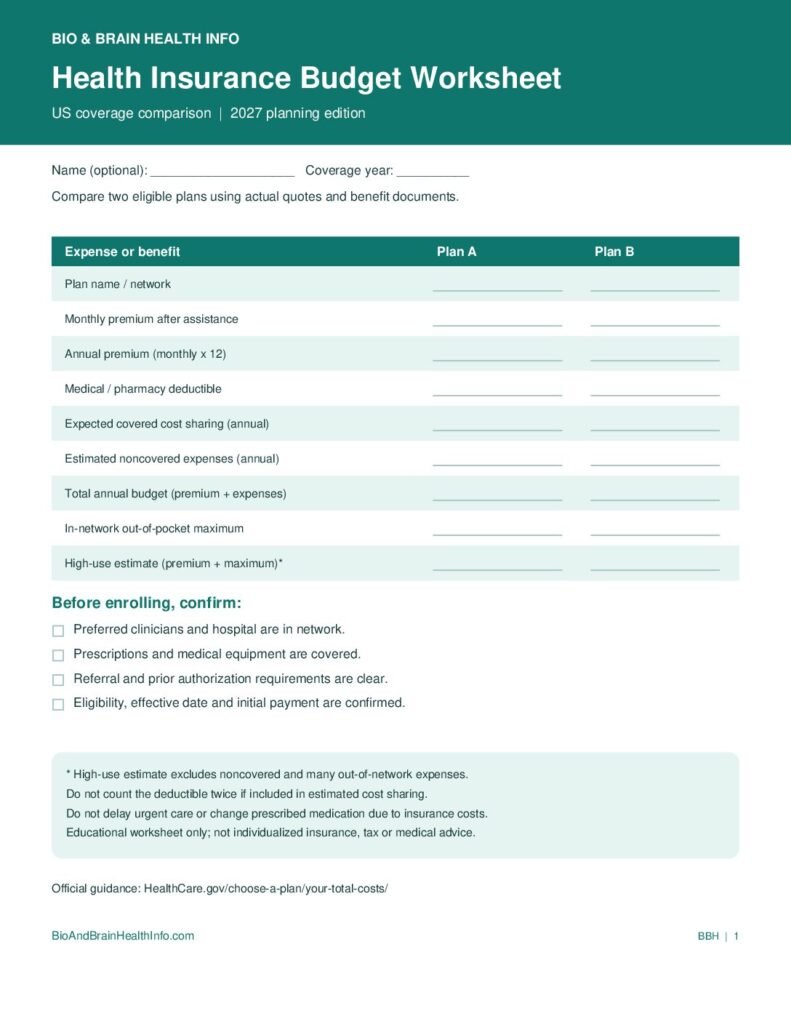
The official annual healthcare cost guide explains the main cost components. Remember that your actual spending can differ from an estimate if your health needs change.
The 2027 financial ceiling: what it does and does not protect
For 2027, the Marketplace out-of-pocket maximum cannot exceed $12,000 for individual coverage or $24,000 for family coverage. A specific policy may set a lower ceiling. These amounts protect eligible covered in-network spending, not premiums, excluded services or many out-of-network charges. See the official spending-limit guide.
A useful stress test adds twelve months of net premiums to the applicable spending ceiling, then identifies potential costs outside that protection. A fictional individual policy costing $300 monthly with a $6,000 limit would produce $9,600 in combined premiums and eligible cost sharing if that limit were reached. This is not a guarantee of maximum total household expenses.
Affordable medical insurance for chronic health conditions
People managing chronic conditions should build their coverage comparison around continuity of care. Write down current prescriptions, dosages, treating clinicians, preferred laboratories, medical equipment and expected follow-up appointments. Ask whether each item is covered under the exact policy being considered, rather than trusting a general description of an insurance company’s network.
Affordable healthcare plans for diabetes
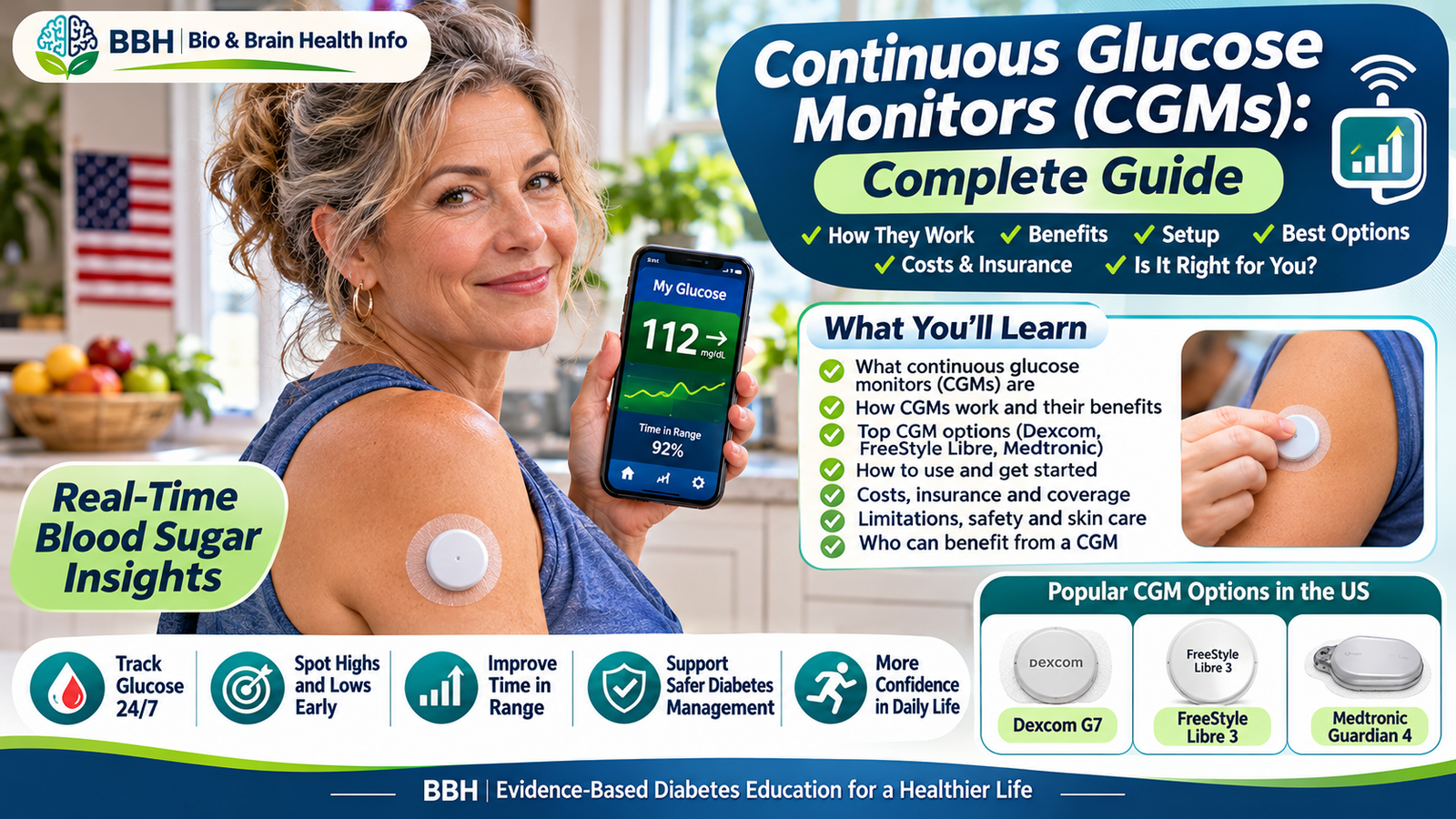
For diabetes, ask about insulin, other prescribed medicines, glucose testing supplies, continuous glucose monitoring and specialist visits. Coverage criteria, supply limits and the process for obtaining devices can differ. A device may be processed through a pharmacy benefit or a medical equipment benefit, which can affect how you obtain it and what you pay.
BBH provides background on continuous glucose monitors, blood glucose meters and diabetes eye examinations. Use these educational guides to prepare questions for your insurer and treating clinician, not as a guarantee of coverage.
Mental health and ongoing specialist care
Ask the insurer whether your therapist, psychiatrist or preferred clinic participates in the specific network. Verify appointment availability, telehealth options, referral requirements and the medication formulary. If you have a combined physical and mental health treatment plan, changing insurance can affect multiple providers at once. Our guide to diabetes and depression explains why coordinated care matters.
Medicaid, CHIP and Medicare: different coverage pathways
Medicaid and CHIP may be appropriate for eligible individuals and families. Eligibility varies by state and personal circumstances, so use the official Medicaid website and your state agency to check requirements. Applications for these programs can generally be made throughout the year.
Medicare is a separate federal program serving people who meet its eligibility rules, including many adults aged 65 and older and certain younger people. If you are approaching Medicare eligibility, review Medicare and Marketplace guidance before switching or renewing individual coverage. Timing can matter, and Marketplace coverage is not automatically an appropriate substitute for Medicare.
When can you enroll in affordable health insurance?
For 2027 coverage, HealthCare.gov identifies November 1, 2026 as the start of open enrollment. Enroll by December 15, 2026 and pay the required initial premium for coverage beginning January 1, 2027. The federal site lists January 15 as the end of open enrollment; confirm state-specific deadlines. Check the current enrollment dates and deadlines and your state Marketplace for the deadline applicable to your desired coverage start date. Enrollment schedules and eligibility requirements can change.
Outside the normal enrollment period, some qualifying circumstances may allow a Special Enrollment Period. Examples may include losing qualifying coverage or certain changes in household circumstances. Confirm the documentation and timing requirements on the official special enrollment page. Do not assume that every life change qualifies.
After selecting a plan, follow the insurer’s instructions for payment and confirm that the policy is active. Keep the enrollment confirmation, member information and policy documents accessible.
Hidden costs: what a cheap health insurance plan may miss
A low monthly payment can be misleading if the network does not include the providers you need. Check the exact plan name and network, not just the insurance company’s name. Contact both the insurer and your provider’s office, and retain dated confirmation. Provider directories and participation can change.
Review prescription tiers, quantity limits and prior authorization procedures. Ask how existing authorizations will be handled after a plan change. If a medication is not covered, discuss medically appropriate alternatives or an exception process with your prescriber; do not stop essential medication solely because of cost.
Be cautious with products marketed as inexpensive alternatives to comprehensive insurance. Fixed indemnity policies, discount programs and other limited-benefit arrangements may operate differently from comprehensive Marketplace plans. Read exclusions and benefit limits, and confirm the product’s regulatory status with your state insurance department.
Content gap: test the plan before you buy
Many comparisons focus on annual averages without asking whether a person can actually obtain care or afford a bill early in the year. Test four realistic situations: a January specialist visit, a recurring prescription refill, a diagnostic test and an unexpected hospital admission. For each, identify the participating provider, the benefit category, the applicable deductible, expected patient charges and approval requirements.
Ask the insurer for a reference number or written response and record the date. If the provider and insurer give contradictory answers, request clarification before planned care. A plan may appear inexpensive on paper but require lengthy travel or substantial upfront payment. Consider these practical burdens separately from the premium. Never delay urgent care to complete this exercise.
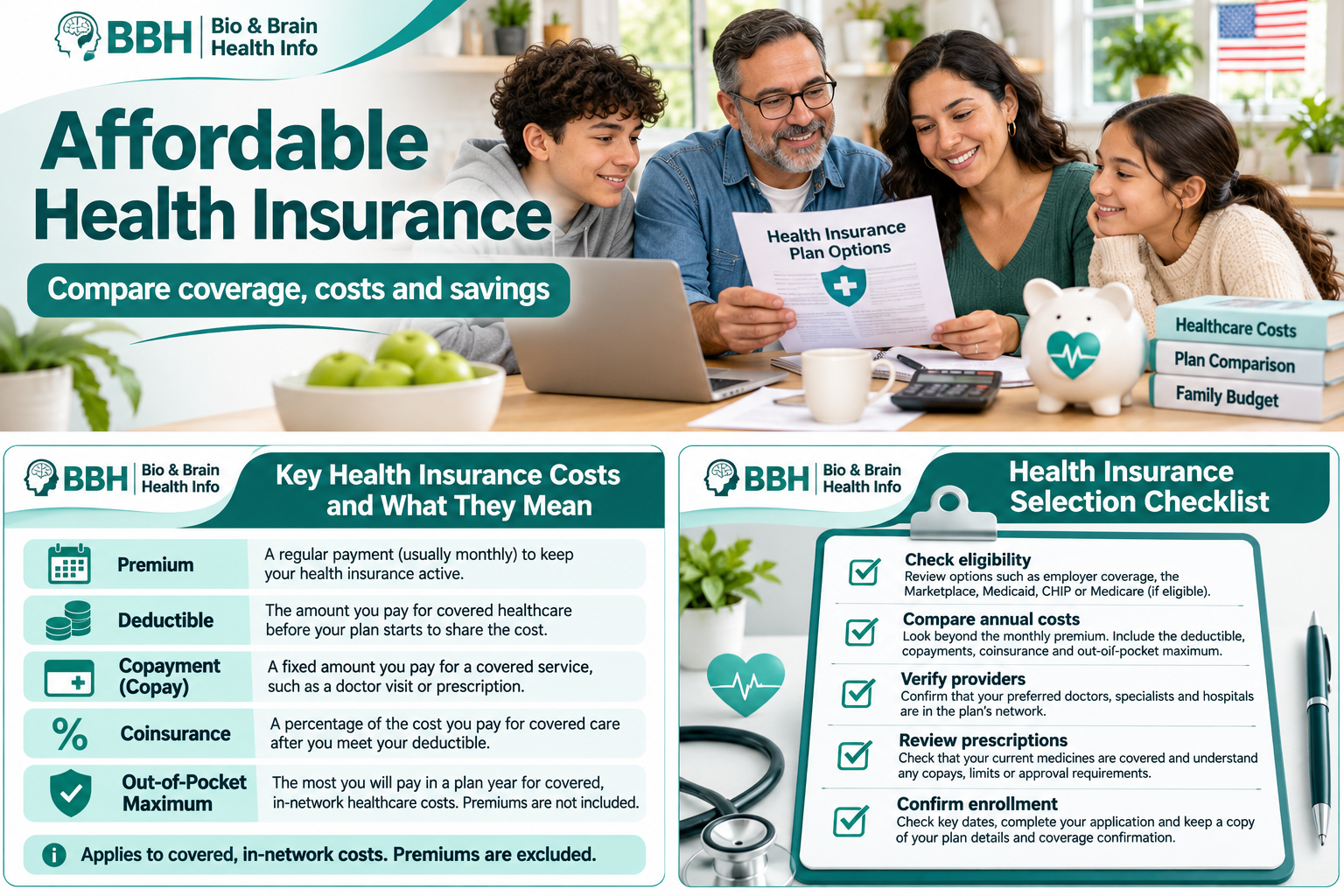
BBH practical checklist: compare coverage before enrolling
Create a comparison sheet for at least two eligible plans. For each one, record the premium after any confirmed assistance, deductible, in-network spending limit, primary and specialist charges, prescription access, hospital network, medical equipment benefits and estimated yearly cost. Note whether the plan requires referrals and whether a service needs authorization.
Test three scenarios: a routine year with regular prescriptions, a moderate-use year involving several specialist visits, and a high-use year involving substantial covered treatment. Consider whether you could afford the upfront costs in each scenario without delaying necessary care. The cheapest option in one scenario may not be the cheapest in another.
Ask how to obtain help with a denied claim or unexpected bill. Keep a record of the date, representative and reference number for each conversation. Written documents are more useful than relying on memory when a coverage dispute arises.
Health coverage in the UK, Canada and Australia
This guide is designed for the United States; its Marketplace subsidies and metal categories should not be applied to other countries. Readers in the United Kingdom should consult the NHS, Canadian readers should check their provincial or territorial health authority through Canada.ca, and Australian readers should consult Services Australia Medicare. Public entitlements and private insurance arrangements differ by country.
Frequently asked questions about affordable health insurance
What is the cheapest health insurance in the US?
There is no universally cheapest plan. Eligibility for public programs, employer contributions, Marketplace savings, local prices and healthcare use all influence the answer. Compare personalized quotes and total yearly spending.
Can I get health insurance if I am self-employed?
Yes, individual coverage through the Marketplace may be an option. Check your household eligibility and projected income, and compare it with any other coverage available to you.
Can Marketplace plans charge more because I have diabetes?
Marketplace premiums cannot be increased because of medical history or health status. However, you should still verify the specific prescription and equipment benefits. See the official premium-setting guidance.
Is a zero-premium plan completely free?
No. Even if financial assistance reduces your monthly payment to zero, you may still owe money when receiving care. Examine service charges, deductibles, prescription expenses and exclusions.
Should I choose a plan with a low deductible?
Not automatically. Compare the additional annual premium with expected healthcare expenses and your ability to pay unexpected bills. A low deductible alone does not establish overall affordability.
Where can I get help choosing coverage?
Use the official Marketplace or state exchange to find enrollment assistance. For Medicare, the Medicare website can direct you toward relevant counseling resources. Verify the identity and credentials of anyone offering to enroll you.
Explore our Health Insurance and Healthcare Costs guide for additional coverage options, official resources and free budget worksheets.
Related BBH educational resources
For additional background, explore diabetic kidney disease and ongoing care, alongside the four diabetes and mental health resources linked earlier. These resources help identify treatment needs to discuss with your insurer.
Conclusion
Affordable health insurance should support access to necessary care while keeping financial risk manageable. Start with eligibility, compare annual expenses, confirm your providers and prescriptions, and review the actual contract before enrolling. A thoughtful decision based on your healthcare needs is more useful than selecting a policy solely because its advertised premium is low.
Editorial note: Key 2027 enrollment, spending-limit and IRS repayment rules checked November 28, 2026. Other resource links require a final pre-publication check. This article provides general education, not individualized insurance, legal, tax or medical advice. Confirm current eligibility and policy terms with official agencies and qualified professionals. BBH does not guarantee savings or recommend a particular insurer.