Apple: Nutrition, Benefits and Side Effects
Apple Health Benefits, Nutrition and Risks

Apples are affordable, portable and available throughout the year. But does eating an apple every day really improve health? If you manage blood sugar, experience bloating or are trying to eat more fiber, the answer depends on more than the fruit itself. Understanding apple health benefits means separating established nutritional facts from promising research and exaggerated claims.
Thank you for reading this post, don't forget to subscribe!This guide explains the nutritional profile of a whole apple, the evidence behind its potential benefits, practical serving sizes and situations where apples may not be the best choice. It is designed for readers in the United States, United Kingdom, Canada and Australia.
Medical Safety & Disclaimer
This article is educational, not medical advice. Do not change insulin, medicines or prescribed diets without professional guidance. People with diabetes, kidney disease, IBS or food allergies should consult their healthcare professional or registered dietitian.
Quick Answer
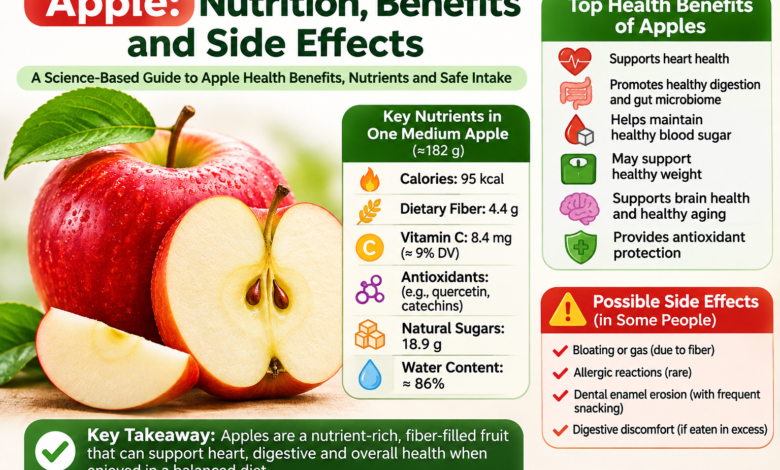
One medium apple (182 g) provides approximately 95 calories, 25.1 g carbohydrate and 4.4 g fiber. Apples contribute to a balanced diet but are not a treatment for chronic disease.
In This Guide
In This Guide
Nutrition facts • Evidence-based benefits • Brain health • Blood sugar • Whole fruit versus juice • Portions • Digestive symptoms • Allergy and safety • Practical food combinations • Frequently asked questions
Apple nutrition facts: What does one apple contain?
Most of an apple’s weight is water. Its energy comes mainly from carbohydrates, including naturally occurring sugars. The peel and flesh contain fiber, while vitamin C and potassium contribute smaller amounts of essential nutrients. An apple is not a meaningful protein source, so it is best considered one component of a varied diet rather than a complete meal.
| Nutrient | Per 100 g | Medium apple (182 g) |
|---|---|---|
| Energy | 52 kcal | 95 kcal |
| Carbohydrate | 13.8 g | 25.1 g |
| Total sugars | 10.4 g | 18.9 g |
| Fiber | 2.4 g | 4.4 g |
| Protein | 0.26 g | 0.47 g |
| Fat | 0.17 g | 0.31 g |
| Potassium | 107 mg | 195 mg |
| Vitamin C | 4.6 mg | 8.4 mg |
| Water | 85.6 g | 156 g |
Source: USDA FoodData Central, raw apple with skin, reference record 171688. Values vary with variety and size. Fiber and sugars are included in total carbohydrate, not added to it.
What contributes to apple health benefits?
Pectin is a soluble fiber that can be fermented by intestinal microbes. Apples also supply insoluble fiber and plant compounds such as quercetin and chlorogenic acid. These compounds are interesting to researchers, but antioxidant activity measured in a laboratory is not proof that an apple prevents illness in people. The whole food, rather than an isolated compound, is the relevant starting point for everyday nutrition.
Apple health benefits: What human research actually shows
1. Contributing to normal bowel function
The fiber in apples helps people meet their daily fiber needs. Insoluble fiber contributes to stool bulk, while soluble fiber interacts with water and gut bacteria. A medium apple can make a useful contribution, particularly when the rest of the diet includes vegetables, legumes and whole grains. Increase fiber gradually and drink fluids according to your individual needs. Constipation that persists or is accompanied by blood, weight loss or severe pain warrants medical assessment.
2. Supporting a heart-healthy eating pattern
A randomized crossover study involving 40 adults with mildly elevated cholesterol compared two whole apples daily with a matched beverage over eight-week periods. LDL and total cholesterol were lower during the whole-apple intervention. This is encouraging, but a small trial using a particular variety does not establish a universal prescription. A 2019 systematic review and meta-analysis found no clear pooled trial effect on several cardiometabolic markers, while observational studies suggested favorable associations. The 2020 crossover trial and a 2026 review of human intervention studies illustrate why the overall evidence should be interpreted cautiously. Continue prescribed cholesterol treatment.
3. Helping build satisfying snacks
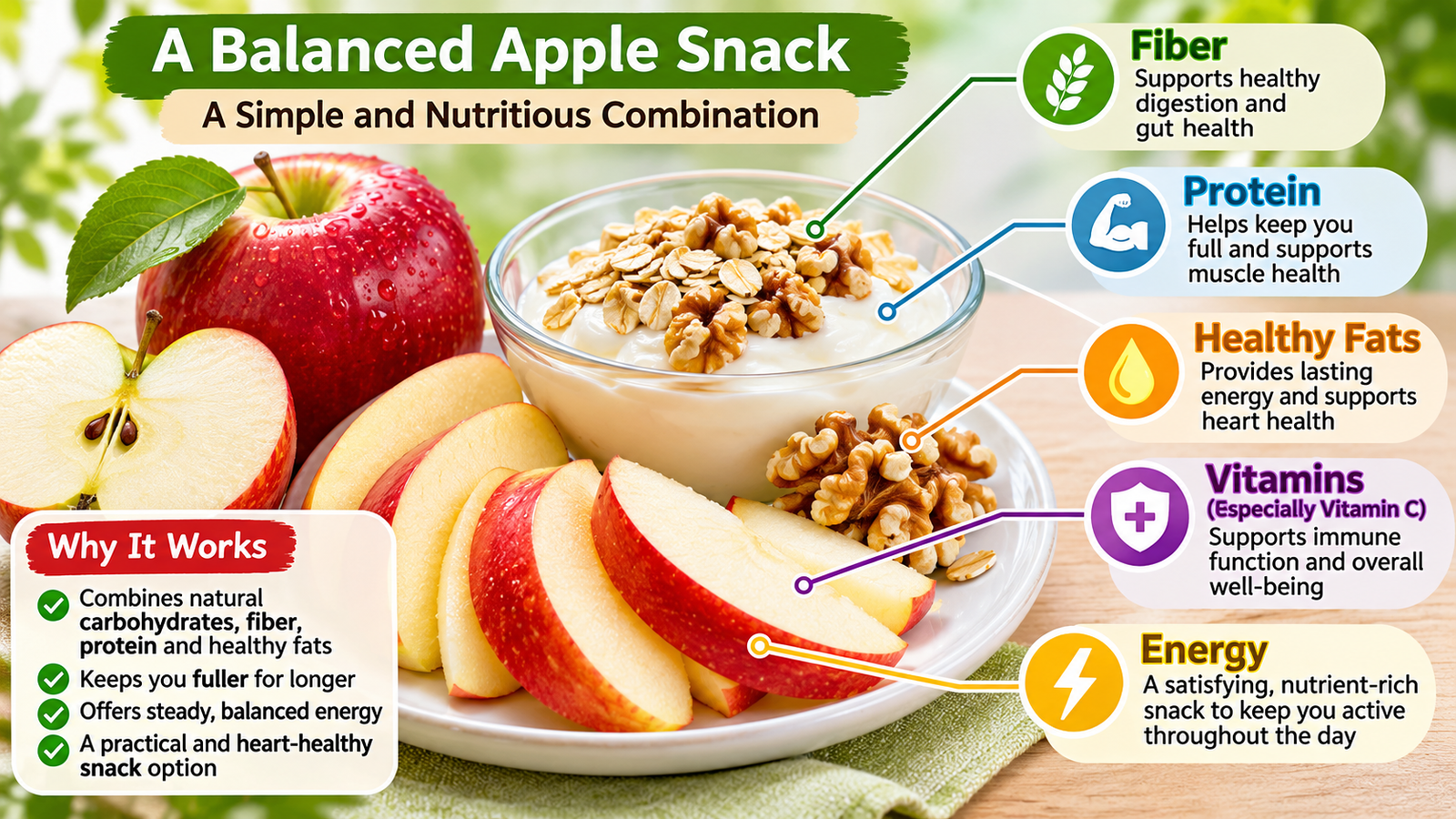
Chewing a whole apple takes time, and its water and fiber provide volume. For someone replacing an energy-dense snack, this may help with appetite management. It does not mean that apples burn fat or that adding apples without considering overall energy intake causes weight loss. Combining a fruit with unsweetened yogurt or a small serving of nuts can provide protein or fat when a more substantial snack is needed.
4. Supporting dietary variety and immune nutrition
Vitamin C contributes to normal immune function and collagen formation. An apple offers a modest amount, not enough to meet the entire day’s requirement. Citrus fruit, peppers and other vegetables can help fill the gap. The benefit comes from a varied diet rather than consuming large amounts of a single fruit.
5. Providing a practical source of fluid and carbohydrates
An apple is largely water and can contribute to fluid intake. Its carbohydrates provide energy for everyday activities. Neither property makes it a substitute for drinking water, an oral rehydration solution when indicated, or a complete recovery meal after strenuous exercise.
Apple health benefits for brain health: Evidence versus claims
A balanced diet that includes fruit can support overall vascular and metabolic health, both relevant to brain function. However, direct clinical evidence that apples improve memory, treat depression or prevent dementia remains insufficient. Laboratory studies of apple polyphenols cannot establish a therapeutic effect in humans. For readers interested in the broader nutritional picture, see vitamins and minerals for brain health.
Apples and blood sugar: Can people with diabetes eat them?
Yes, many people with diabetes can include whole apples within an individualized carbohydrate plan. A medium apple provides around 25 grams of carbohydrate, even though its sugars occur naturally. Fiber does not cancel those carbohydrates. The size of the fruit, other foods eaten at the same time, activity and medication all influence the glucose response.
A small apple weighing about 100 grams provides around 14 grams of total carbohydrate. Half a medium apple provides roughly 12.5 grams. These estimates are more useful than assuming every apple is one standard carbohydrate serving. Read Fruit and Diabetes: Portions and Choices and Carb Counting for Diabetes for more context.
A practical way to evaluate your own response
If your diabetes team recommends glucose monitoring, record the weight of the apple, the rest of your meal and the glucose readings at the times agreed in your care plan. Repeat under reasonably comparable conditions before drawing conclusions. A single reading can be affected by sleep, stress, activity or illness. Do not adjust insulin or other medicines on the basis of this experiment without appropriate guidance. An apple is not a reliable first-line treatment for hypoglycemia because fiber can slow absorption; follow your prescribed fast-acting carbohydrate plan.
Blood Sugar Safety
Count total carbohydrate rather than just sugar. Half a medium apple contains about 12.5 g carbohydrate. For low blood sugar, follow your prescribed fast-acting carbohydrate treatment plan.
Whole apples versus juice, applesauce and dried apples
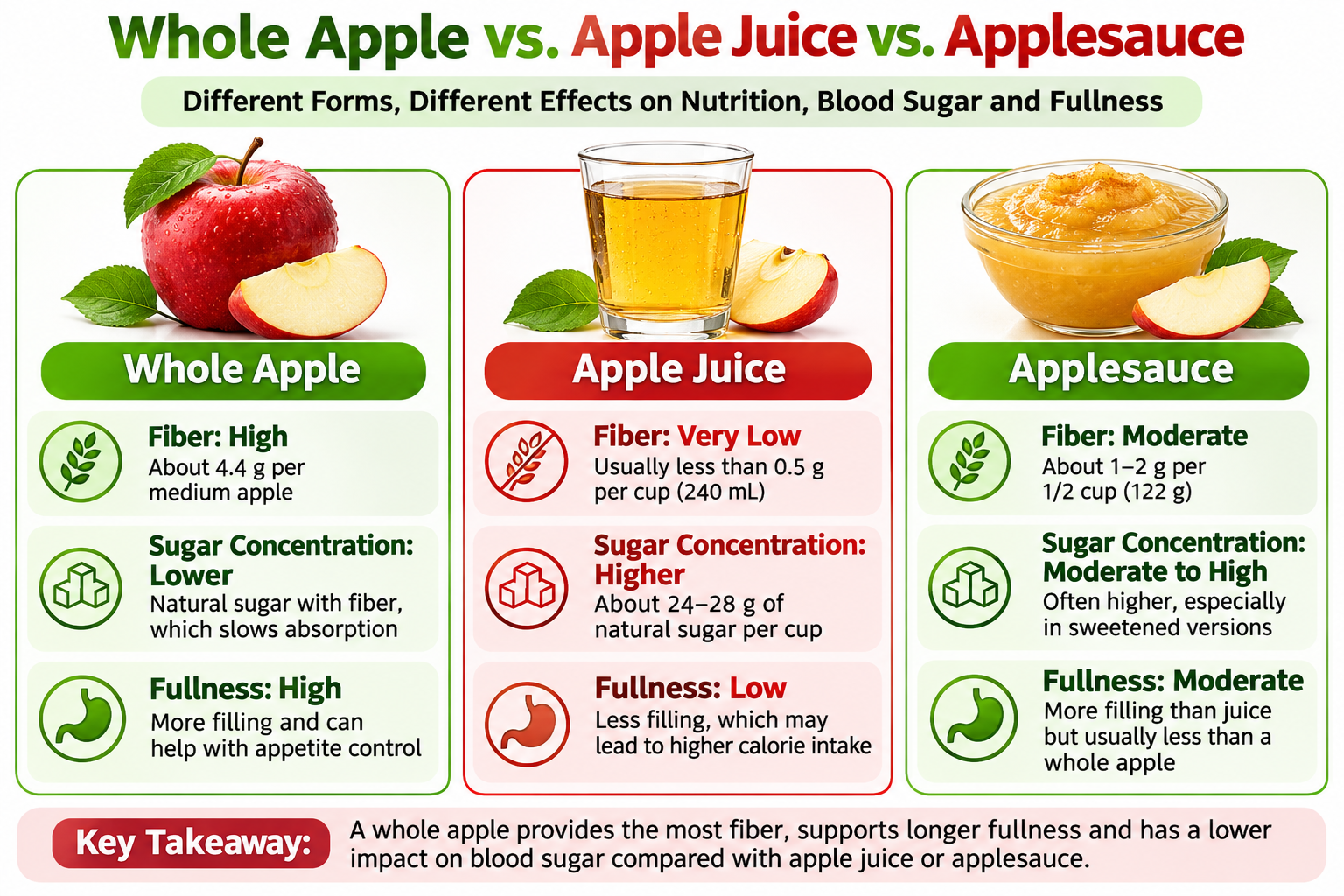
The physical structure of a food matters. Whole apples retain their fiber and require chewing. Juice is easier to consume rapidly and generally contains much less fiber. Unsweetened applesauce can retain some fiber, but its texture and portion size differ. Dried apple slices concentrate carbohydrates per gram because water has been removed. A product labeled no added sugar can still contain considerable natural sugar.
For routine fruit intake, whole fruit is generally a useful default. Applesauce may suit people who need a softer texture. Check labels for added sugar, serving size and total carbohydrate. A smoothie made with the entire edible fruit retains more fiber than strained juice, but it may be easy to drink more fruit than you would otherwise eat.
Red versus green apples: Which is healthier?
Granny Smith, Gala, Fuji, Honeycrisp and other varieties differ in sweetness, acidity, texture and plant compound concentrations. Color alone cannot tell you which has fewer carbohydrates or better clinical effects. A tart apple can still contain substantial sugar. Choose based on taste, affordability and tolerance; compare actual weight or reliable nutrition data when carbohydrate counting matters.
Eating apples daily: How much is reasonable?
There is no medically established apple dose that everyone should consume. One small or medium apple can fit into many balanced diets, while some people prefer half an apple at a time. U.S. food guidance generally emphasizes a variety of fruits rather than one specific fruit every day. The UK, Canada and Australia likewise encourage fruit within broader healthy eating patterns. Individual energy needs and medical conditions should guide portions.
For example, a person who needs a portable snack might take a small apple to work, while someone who finds a whole apple uncomfortable might choose another fruit. The objective is sustainable dietary variety, not achieving a fixed number of apples each day.
Apple side effects: Who should exercise caution?
Digestive discomfort and IBS
Apples can be high in fermentable carbohydrates, particularly excess fructose and sorbitol. In some people with irritable bowel syndrome, these can contribute to gas, bloating, cramps or diarrhea. Monash University’s FODMAP food guidance identifies apples as a high-FODMAP fruit. A low-FODMAP diet is typically a structured, temporary approach with reintroduction, ideally supported by a dietitian. Peeling or cooking an apple does not reliably eliminate its FODMAP content.
Apple allergy and pollen-food syndrome
People with birch pollen allergy may experience itching or tingling in the mouth after eating raw apples because certain proteins cross-react. Some tolerate cooked apples, but this is not universal and should not be tested at home after a serious reaction. Difficulty breathing, throat swelling, faintness or widespread allergic symptoms require emergency care. Follow an existing allergy action plan and seek specialist advice.
Dental health and apple seeds
Apples contain natural acids and sugars. Frequent grazing may expose teeth repeatedly to acid and carbohydrate. Water after eating and regular fluoride toothpaste use are sensible measures. Apples do not replace brushing. Apple seeds contain amygdalin, which can release cyanide when crushed or chewed. Avoid deliberately eating or grinding seeds; seek poison-control advice if a concerning amount has been consumed.
Kidney disease and restricted diets
Apples are relatively modest in potassium compared with some fruits, but kidney nutrition depends on laboratory values, disease stage, medicines and dialysis status. Do not assume an apple is automatically appropriate for every renal diet. Consult the renal dietitian and see our guide to diabetic kidney disease.
When to Seek Medical Help
Difficulty breathing, throat swelling or faintness after eating requires emergency help. Use prescribed epinephrine promptly if indicated. Persistent digestive symptoms, blood in stool or unexplained weight loss warrant professional assessment.
Content gap: Why a healthy apple can still be the wrong snack
Nutrition advice often focuses on whether a food is good or bad. A more useful framework asks what the person needs at that moment. If you need additional protein, an apple alone is inadequate. If you have active IBS symptoms, its fermentable sugars may be poorly tolerated. If you need urgent hypoglycemia treatment, a whole apple may act too slowly. If you have swallowing difficulties, raw apple chunks can pose a choking risk. These examples show why apple health benefits must be considered alongside the purpose of the meal.
Food combinations that make apples more useful
Pairing foods is not a magical way to increase nutrient absorption, but it can improve the overall nutritional balance of a meal. Apples with plain Greek yogurt add protein; apples with oats add fiber and carbohydrates; apples with a modest amount of nut butter provide fat and some protein. Use unsweetened products where appropriate, and avoid nuts if allergic. For more ideas, read Diabetes Snacks: Balanced Options.
Try diced apples stirred into oatmeal, apple slices alongside an egg-based breakfast, or chopped apple in a cabbage and bean salad. A baked apple flavored with cinnamon can be a dessert without necessarily needing added sugar. Cinnamon is a flavoring, not a substitute for diabetes treatment.
How to select, wash and store apples
Choose firm fruit without significant bruising, mold or decay. Wash under clean running water before cutting or eating, even when you intend to remove the peel. Do not wash fruit with soap or detergent. Refrigeration can help maintain quality. Store cut fruit in a clean covered container in the refrigerator and follow local food-safety guidance. Lemon juice can slow browning, but does not make spoiled food safe.
Frequently asked questions
Is an apple a day good for you?
It can be a convenient way to include fruit and fiber, provided you tolerate it and it fits your nutritional needs. It is not a guarantee of good health.
Should I eat the apple peel?
The peel supplies fiber and plant compounds, so leaving it on is reasonable if you enjoy it and tolerate it. Wash the apple first. Removing the peel may be appropriate for texture or individual digestive preferences.
Are apples good for weight loss?
They can fit into a satisfying, energy-appropriate diet. They do not directly burn body fat. The overall eating pattern matters more than a single food.
Do apples contain too much sugar?
A medium apple has around 19 grams of natural sugars. For most people, whole fruit is nutritionally different from a sugary drink. People managing diabetes should account for the total carbohydrate portion.
Can apples lower cholesterol?
Some human trials suggest modest improvements, but findings are inconsistent. Apples can complement a heart-healthy eating pattern, not replace prescribed medication.
Is there a best time to eat an apple?
There is no established universal best time. Choose a time that suits your routine, symptoms, carbohydrate plan and appetite.
Are cooked apples less nutritious?
Cooking changes texture and may reduce some heat-sensitive nutrients, but cooked apples still provide fiber if the edible solids are retained. Added ingredients and preparation methods affect the final nutritional profile.
Conclusion
The most dependable apple health benefits come from its fiber, water, modest micronutrient content and role within a varied diet. Promising research on cardiovascular markers deserves attention, but does not establish apples as a medical treatment. Choose a form and serving size that suits your needs, and seek professional guidance if you have persistent digestive symptoms, allergies or a condition requiring a specific diet.
BBH Key Takeaway
Choose whole fruit and suitable portions. Apples supply fiber, water and modest vitamin C; they cannot replace prescribed medical treatment.
Scientific references
USDA FoodData Central: apple composition data. Koutsos et al. (2020): randomized crossover trial. 2019 systematic review: apple and pear cardiometabolic outcomes. 2026 systematic review: human intervention studies. Monash University: FODMAP guidance.
Explore more: BBH Weight, Nutrition & Metabolic Health.