Banana: Nutrition, Benefits and Side Effects
Banana Health Benefits, Nutrition and Risks

Do bananas raise blood sugar? Is a green banana healthier than a yellow one? Can eating bananas every day improve digestion, energy or heart health? These are common questions for people trying to make informed food choices. Bananas are convenient, relatively affordable and easy to include in everyday meals, but their reputation as either a perfect health food or a fruit to avoid can be misleading.
Thank you for reading this post, don't forget to subscribe!Understanding banana health benefits means considering the amount eaten, the stage of ripeness, the rest of the meal and individual medical needs. A banana can contribute useful nutrients without being a treatment for disease. This guide brings together food composition data, human research and practical advice for readers in the United States, United Kingdom, Canada and Australia.
Medical Safety & Disclaimer
This article provides general nutrition education and does not replace individualized medical or dietetic advice. People with diabetes, kidney disease, elevated blood potassium, food allergies or prescribed dietary restrictions should discuss suitable portions with their healthcare team. Do not change medicines or insulin based on this article.
Quick Answer
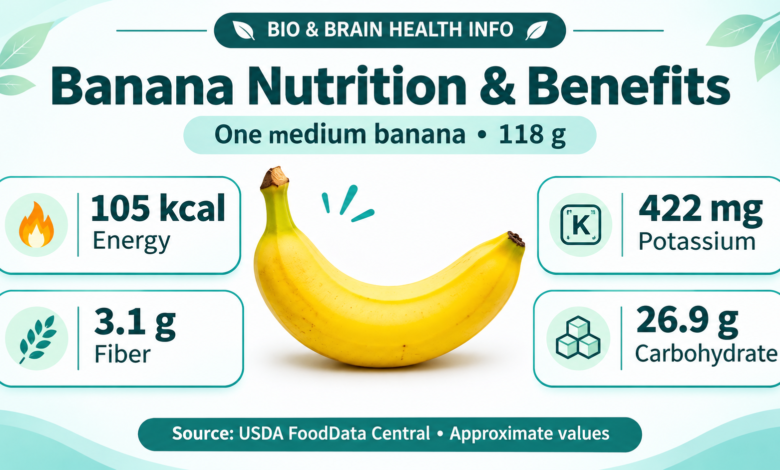
A medium raw banana (118 g edible portion) provides approximately 105 calories, 27 g carbohydrate, 3.1 g fiber and 422 mg potassium. Bananas can contribute to dietary fiber and energy intake. Greener fruit generally contains more resistant starch, while ripening changes starch into sugars. Individual glucose and digestive responses vary.
In This Guide
What you will learn
Nutrition facts • Evidence-based health benefits • Green vs ripe bananas • Blood sugar and portion sizes • Kidney safety • Brain health claims • Exercise nutrition • Food preparation • Side effects • Practical food combinations • FAQs
1. Banana nutrition facts: What does one banana contain?
Most of the energy in bananas comes from carbohydrate. They also provide water, fiber, potassium, vitamin B6 and vitamin C, with comparatively little fat or protein. These amounts help explain the nutritional role of a banana: it is a useful fruit, rather than a complete meal or a concentrated protein source.
| Nutrient | Per 100 g | Medium banana (118 g) |
|---|---|---|
| Energy | 89 kcal | 105 kcal |
| Total carbohydrate | 22.8 g | 26.9 g |
| Total sugars | 12.2 g | 14.4 g |
| Dietary fiber | 2.6 g | 3.1 g |
| Protein | 1.09 g | 1.29 g |
| Fat | 0.33 g | 0.39 g |
| Potassium | 358 mg | 422 mg |
| Vitamin B6 | 0.367 mg | 0.43 mg |
| Vitamin C | 8.7 mg | 10.3 mg |
| Magnesium | 27 mg | 32 mg |
| Water | 74.9 g | 88.3 g |
Source: USDA FoodData Central, bananas, raw (record 173944). Values are approximate and based on edible weight without the peel. Total sugars and fiber are components of total carbohydrate. Different cultivars, ripeness stages and analytical methods can produce different results.
Which nutrients contribute to banana health benefits?
Potassium supports normal nerve transmission, muscle function and fluid regulation. Vitamin B6 participates in amino acid metabolism and neurotransmitter synthesis. Vitamin C is involved in normal immune function and collagen production. Fiber contributes to a varied eating pattern that supports digestive health. None of these facts establishes that a banana can cure a deficiency or neurological condition. People with a diagnosed deficiency may need targeted assessment and treatment.
2. Banana health benefits: What the evidence supports
Supporting normal bowel function
Dietary fiber contributes to normal bowel function. Some carbohydrates in bananas, particularly resistant starch in less ripe fruit, can reach the large intestine and be fermented by intestinal bacteria. This process can produce short-chain fatty acids. However, the effects of isolated resistant starch preparations do not automatically apply to a single banana. People who experience gas or abdominal discomfort may tolerate different portions or ripeness stages.
Contributing to a heart-supportive diet
Potassium is an important mineral in blood pressure regulation. The NIH Office of Dietary Supplements explains the role of potassium intake in cardiovascular health, including its interaction with sodium. A banana can help contribute potassium to a varied diet, alongside vegetables, legumes and other fruits. Eating bananas does not independently guarantee a reduction in blood pressure, and potassium intake needs individual assessment in people with impaired kidney function.
Providing convenient energy for physical activity
Carbohydrate supplies energy that the body can use during activity. A banana can be a convenient snack because it is portable and requires little preparation. For a short walk, additional food may not be necessary. For prolonged or demanding exercise, carbohydrate and fluid requirements depend on duration, intensity, environmental conditions and the person’s medical history. Athletes should not assume that bananas alone provide enough sodium, fluid or protein for recovery.
Helping create satisfying meals
A banana contains fiber and water, but its low protein and fat content mean it may not keep every person satisfied for long. Pairing it with plain yogurt, oats or nut butter can produce a more varied snack. This does not guarantee stable glucose or weight loss. The overall energy content, portion size and individual appetite response matter. A practical benefit is convenience: a fruit-based snack may be easier to maintain than a complicated meal plan.
3. Banana health benefits for brain and nervous system function
Bananas contain vitamin B6, which is involved in pathways that help the body synthesize neurotransmitters. They also provide carbohydrate and potassium, nutrients relevant to normal physiological function. However, it is a substantial leap from these nutritional facts to claiming that bananas increase brain serotonin, improve memory or treat depression.
Dietary serotonin does not simply pass into the brain. Research on a nutrient’s biochemical role is not the same as evidence that eating one particular food changes a person’s mood or cognitive performance. Bananas can fit into a balanced eating pattern that supports overall nutritional adequacy, but persistent mood, memory or sleep problems deserve appropriate assessment.
4. Green vs ripe bananas: Why ripeness matters
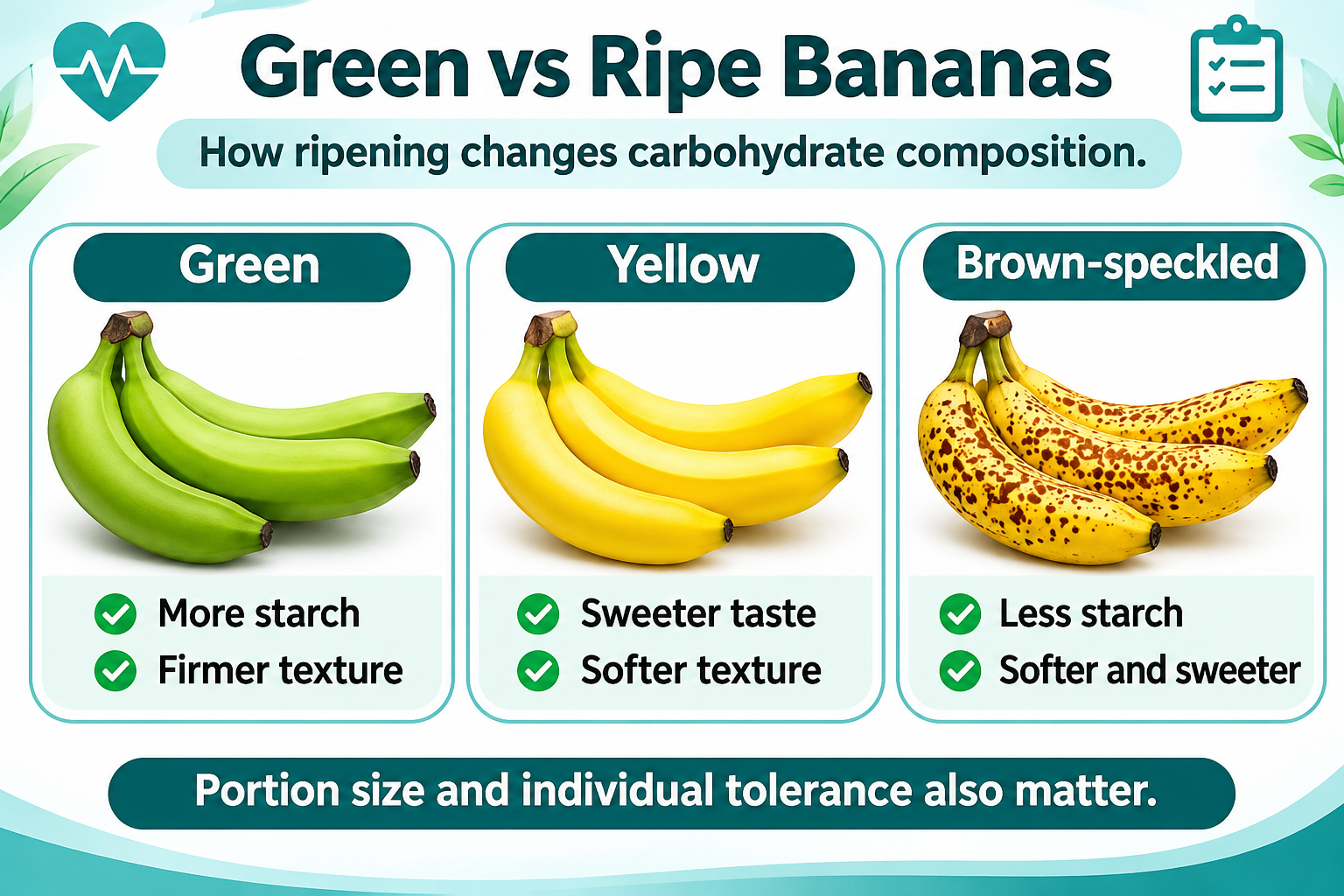
Ripening changes the chemical composition of bananas. Starch is progressively converted into sugars, contributing to the sweeter taste and softer texture of ripe fruit. Green bananas generally contain more resistant starch, which resists digestion in the small intestine. A study of retail bananas published in 2021 documented changes in starch, sugars and dietary fiber across ripeness stages.
| Ripeness stage | Typical characteristics | Practical consideration |
|---|---|---|
| Green | Firm texture, more starch | May require cooking; digestive tolerance varies. |
| Yellow with green tips | Firmer and less sweet than very ripe fruit | A possible option for people who prefer a less sweet banana. |
| Yellow | Softening texture and sweet taste | Convenient for everyday snacks. |
| Brown-speckled | Softer and generally sweeter | Useful for baking; still contains carbohydrate. |
These descriptions are qualitative, not a precise nutrition label. Variety, storage conditions and cooking alter the final food. Do not assume that a green banana contains no sugar or that a brown-speckled banana is unsuitable for everyone. Small older clinical studies comparing ripeness stages in people with type 2 diabetes found differing glucose responses, but their limited sample sizes do not support a universal prescription.
Research Insight: Ripeness Is Not the Whole Story
A greener banana generally has more resistant starch, but the amount of digestible carbohydrate, preparation method and individual response all matter. Ripeness cannot replace portion-based nutrition planning.
5. Bananas and blood sugar: Can people with diabetes eat bananas?
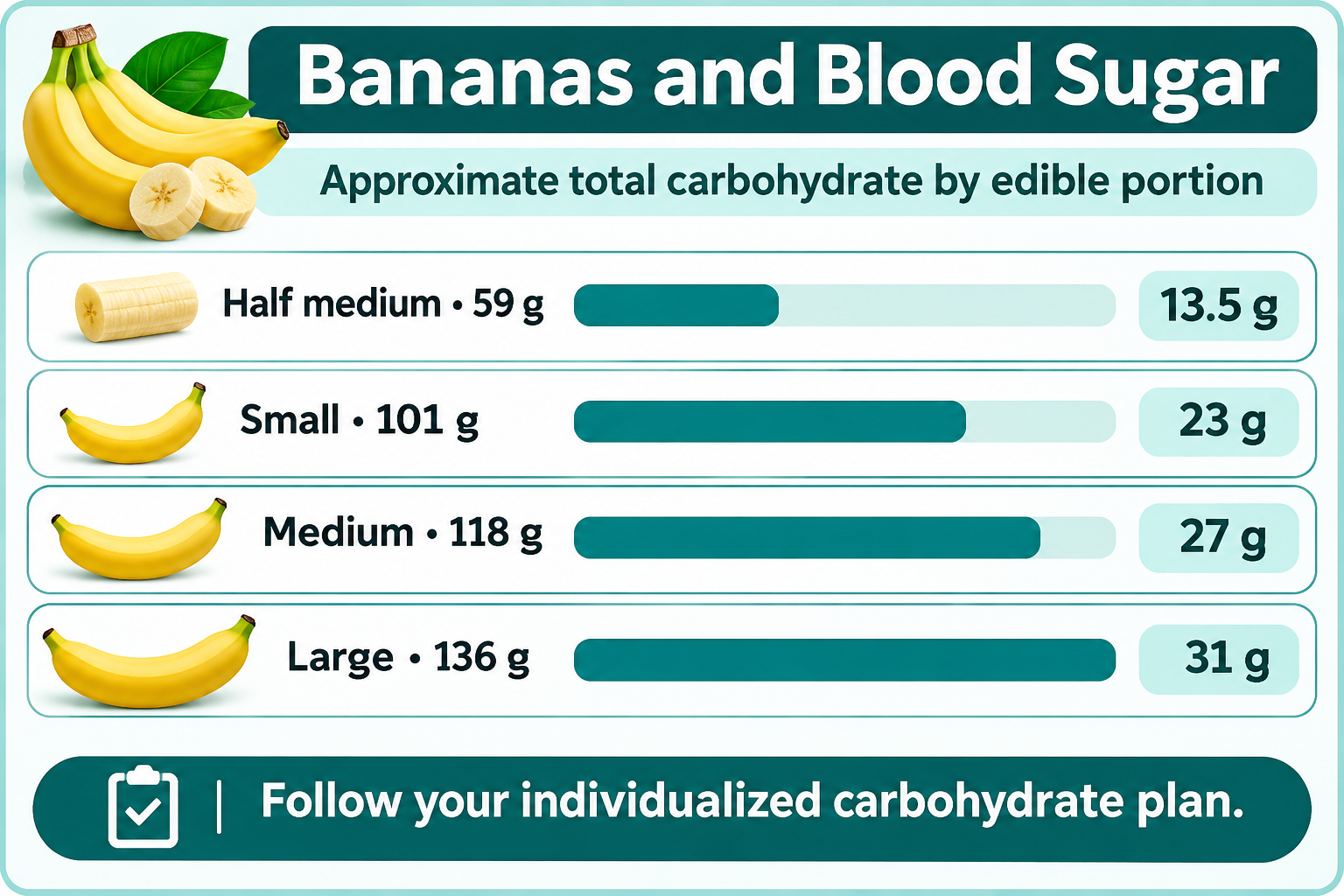
Many people with diabetes can include bananas in an individualized eating plan. Whole fruit contains naturally occurring sugars along with fiber and other nutrients. The presence of fiber does not eliminate the need to consider total carbohydrate. A medium banana has around 27 grams of carbohydrate, which is close to two 15-gram carbohydrate servings in common US diabetes education materials.
| Edible portion | Approximate total carbohydrate |
|---|---|
| 50 g | 11.4 g |
| Half a medium banana (59 g) | 13.5 g |
| Small banana (101 g) | 23 g |
| Medium banana (118 g) | 27 g |
| Large banana (136 g) | 31 g |
These estimates use the USDA reference composition and are not individualized insulin dosing instructions. In the United States, total carbohydrate on a food label includes fiber. Label conventions differ internationally, so people in the UK, Canada and Australia should follow the carbohydrate-counting method recommended by their local diabetes care team.
Read Fruit and Diabetes: Portions and Choices and Carb Counting for Diabetes: Beginner Guide for more practical education.
Content gap: Compare equal weights, not simply one banana
Two bananas that look similar may have different edible weights. Comparing the glucose response after a small green banana with that after a large ripe banana cannot isolate the effect of ripeness. If monitoring is recommended by your care team, record the edible weight, ripeness, meal ingredients and glucose readings at agreed times. Compare similar portions under reasonably similar conditions. Sleep, stress, illness, exercise and medication can affect results. Do not change insulin or other treatments based on a single food experiment.
Blood Sugar Safety
Whole bananas can raise blood glucose. For hypoglycemia, follow your prescribed fast-acting carbohydrate treatment plan rather than assuming a banana will work quickly enough. Seek emergency help for severe symptoms or inability to swallow.
6. Potassium and kidney health: When banana health benefits need context
A medium banana contains approximately 422 mg potassium. For many healthy adults, potassium from food is useful. However, the kidneys play a central role in maintaining safe blood potassium concentrations. Chronic kidney disease and certain medicines can impair potassium excretion, increasing the risk of hyperkalemia.
Examples of medicines that may affect potassium levels include ACE inhibitors, angiotensin receptor blockers and potassium-sparing diuretics. This does not mean everyone taking these medicines must avoid bananas. Dietary advice should reflect laboratory results, kidney function, other foods and the medication plan. Do not stop prescribed treatment to accommodate a food choice.
High blood potassium can be present without obvious symptoms. If your clinician has recommended potassium restriction, discuss fruit portions with a renal dietitian. See Diabetic Kidney Disease: Complete Guide for related education.
Medical Safety: Potassium
If you have chronic kidney disease or a history of high blood potassium, ask your clinician whether bananas fit your prescribed diet. Do not use bananas or potassium supplements to self-treat muscle cramps or an assumed deficiency.
7. Banana side effects and individual digestive tolerance
Some people experience bloating, gas or changes in bowel habits after eating bananas. Resistant starch can be fermented by gut bacteria, and fermentable carbohydrates may provoke symptoms in susceptible people. Tolerance can vary with portion, variety and ripeness. A food diary may help identify patterns, but persistent symptoms require medical assessment. A restrictive diet should not be continued unnecessarily without professional guidance.
Banana allergy and latex–fruit syndrome
Bananas can cause food allergies, including reactions associated with latex allergy in some individuals. Symptoms may include itching, hives or swelling. Difficulty breathing, throat swelling, faintness or rapidly progressing symptoms require emergency help. Follow your allergy action plan and use prescribed epinephrine promptly if indicated. Do not test a suspected food allergy at home after a serious reaction.
8. Whole bananas, smoothies, chips and banana bread
| Preparation | What changes |
|---|---|
| Whole banana | Retains edible fruit structure and fiber. |
| Blended banana | Retains fiber when the whole edible portion is used; portion and added ingredients matter. |
| Dried banana | Water removal concentrates nutrients and carbohydrate by weight. |
| Banana chips | May contain added oil, sugar or salt. |
| Banana bread | Nutrition depends on flour, added sugar, fats and serving size. |
A banana smoothie can be a practical option, but adding juice, sweetened yogurt or several fruits may substantially increase carbohydrate and energy. A product containing bananas is not necessarily nutritionally equivalent to fresh fruit. Compare nutrition labels for serving size, added sugars where listed, saturated fat and sodium.
9. How to include bananas in balanced meals
Try half a banana with unsweetened Greek yogurt and oats, sliced banana on whole-grain toast with a modest portion of nut butter, or banana alongside an egg-based breakfast. These pairings provide other nutrients that the fruit alone cannot supply. Substitute foods if you have allergies or dietary restrictions. Read Diabetes Snacks: Balanced Options.
For exercise, match food intake to the duration and intensity of the activity and your medical needs. If using insulin or other medicines that cause hypoglycemia, follow a personalized exercise plan. See Exercise and Blood Sugar: Safety Tips.
10. How to select and store bananas
Choose fruit according to your preferred ripeness and intended use. Store unripe bananas at room temperature until they reach the desired texture. Refrigeration can slow further ripening, although the peel may darken. Freeze peeled banana portions for later use. Wash hands and use clean utensils. Discard fruit with visible mold or signs of spoilage rather than relying on color alone to assess safety.
11. Frequently asked questions
Is it healthy to eat a banana every day?
A daily banana can fit into many balanced diets if its carbohydrate and potassium content suit your needs. No universal daily banana requirement exists.
Do bananas cause weight gain?
No individual food inevitably causes weight gain. Total energy intake, activity and longer-term eating patterns matter. Portions and preparation methods can influence energy intake.
Are green bananas better for diabetes?
They generally contain more resistant starch, but individual responses and portion sizes matter. Green bananas are not a treatment for diabetes.
Do bananas prevent muscle cramps?
They provide potassium, but cramps can have many causes. Eating bananas has not been established as a reliable way to prevent or treat all cramps.
Can bananas replace breakfast?
A banana alone contains little protein or fat. Adding suitable protein-rich foods and other ingredients can make breakfast more nutritionally complete.
Conclusion
The most dependable banana health benefits come from the fruit’s nutritional composition and its role in a varied diet. Ripeness, carbohydrate portions and potassium needs deserve particular attention. Choose a preparation that suits your circumstances, and seek individualized guidance when medical conditions affect food choices.
BBH Key Takeaway
Bananas provide carbohydrate, fiber, potassium and vitamin B6. Choose the portion, ripeness and preparation that suit your needs. A balanced diet matters more than any single fruit.
Scientific references
USDA FoodData Central: Bananas, raw. NIH Office of Dietary Supplements: Potassium. Dietary fiber, starch and sugars in bananas at different stages of ripeness in the retail market (2021). Influence of banana ripeness on blood glucose and insulin responses in type 2 diabetes (1992). American Diabetes Association: Fruit choices. Indian Health Service: Potassium and chronic kidney disease.
Related reading on BBH
Explore: Physical Health → Weight, Nutrition & Metabolic Health support page