Health Insurance for Pregnancy: 2027 Guide
Pregnancy Health Insurance: US Coverage Guide

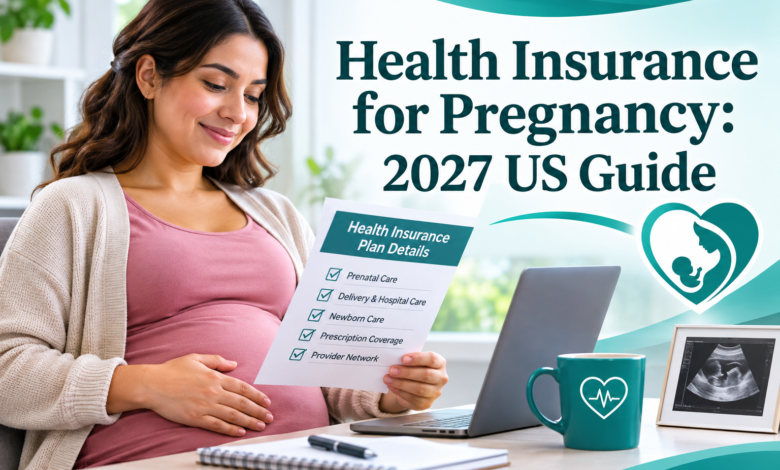
Health insurance for pregnancy helps families plan for prenatal appointments, diagnostic tests, childbirth and recovery after delivery. In the United States, selecting maternity coverage requires more than comparing monthly premiums. The expected delivery facility, obstetric team, newborn benefits, prescription coverage and timing of enrollment can influence both access to care and the amount a household pays.
Thank you for reading this post, don't forget to subscribe!In This Guide: Maternity insurance protections; enrollment during pregnancy; Medicaid and CHIP; prenatal care; delivery and hospital costs; newborn and neonatal services; postpartum care; annual budgeting; coverage across two plan years; appeals; comparison checklist and FAQs.
What does health insurance for pregnancy cover?
Maternity care is an essential health benefit under the Affordable Care Act for qualified individual health plans. The relevant benefit includes services associated with pregnancy, childbirth and newborn care. Specific charges, treatment criteria and provider arrangements depend on the policy and circumstances.
A comprehensive plan may include prenatal consultations, medically necessary testing, hospital care and treatment of pregnancy-related complications. The obstetric clinician determines which investigations and interventions are appropriate. The insurer determines reimbursement according to the contract and applicable protections. A clinical recommendation should not be confused with a guarantee of payment for every service.
Start with the official HealthCare.gov pregnancy coverage guide and request the complete benefits summary. Confirm the exact medical network and whether relevant maternity services have separate charges.
Can you buy maternity health insurance while already pregnant?
An existing pregnancy does not disqualify an eligible applicant from ACA Marketplace coverage. However, the ability to enroll depends on the applicable enrollment period or another eligibility pathway. Pregnancy itself generally does not create a special enrollment opportunity through the federal Marketplace, although state-operated marketplaces may have different rules.
If you are already pregnant and uninsured, investigate whether you can enroll through an applicable qualifying event, Medicaid, CHIP where relevant, or a workplace benefit. Do not assume that a private insurance advertisement offering immediate coverage includes comprehensive maternity benefits. Ask for the policy exclusions and effective date in writing.
Birth creates a Marketplace special enrollment opportunity, generally allowing enrollment within 60 days with coverage effective from the birth date. Review the official special enrollment guidance promptly rather than assuming you can enroll at any later date. Employer plans may have different notification deadlines; contact the administrator immediately.
Health insurance for pregnancy: compare your coverage options
Employer health insurance for pregnancy
Ask the employer’s benefits administrator for the current medical policy and available dependent arrangements. Compare the employee premium contribution, family premium after birth, individual and family cost-sharing limits, maternity network and prescription benefits. Employer coverage varies according to the type of plan and applicable rules.
If both partners have workplace insurance, compare the incremental cost of adding the pregnant family member and the newborn. Check whether each obstetric practice and hospital participates. Having two available plans does not automatically mean that using both will eliminate all expenses.
Marketplace health insurance for pregnancy
Eligible applicants can compare comprehensive individual plans through HealthCare.gov or their state marketplace. Complete the application to determine whether financial assistance is available. Compare actual policy terms rather than relying only on metal categories. An eligible Silver plan with additional cost-sharing assistance may be worth investigating.
Medicaid and CHIP during pregnancy
Pregnancy-related Medicaid eligibility may differ from ordinary adult eligibility, depending on the state. Some CHIP arrangements also provide pregnancy-related coverage. Apply through the appropriate state agency rather than assuming that previous income eligibility results still apply.
Medicaid and CHIP applications can generally be made throughout the year. Ask about the effective date, provider participation, postpartum eligibility and the baby’s coverage after delivery. If the mother has Medicaid at childbirth, the newborn is automatically enrolled and generally remains eligible for at least one year. Consult the state agency through Medicaid.gov for the applicable arrangements.
Health insurance for pregnancy: prenatal care and testing
Prenatal healthcare may involve physical assessments, blood pressure monitoring, laboratory investigations, ultrasound examinations and other testing recommended by the clinician. Some services are routine, while others address specific symptoms or clinical concerns. Their billing classifications and patient charges may differ.
Applicable preventive services may be available without patient cost sharing when provided under qualifying circumstances. A visit that includes diagnostic investigations or treatment can generate additional charges. See the official women’s preventive care guide and ask how the expected services will be processed.
If a clinician recommends additional testing, discuss the clinical purpose and confirm whether insurance approval is required. Do not assume that every genetic test or additional ultrasound is automatically reimbursed. Equally, do not reject medically necessary investigation solely because the initial insurance explanation is unclear.

Does maternity insurance cover normal delivery and cesarean delivery?
Comprehensive maternity coverage may support both vaginal and cesarean delivery according to the clinical circumstances and benefit rules. The total bill can include the delivering clinician, hospital accommodation, anesthesia, medications, laboratory services and newborn care. Request an estimate that separates the major components. Federal No Surprises Act protections apply to certain out-of-network services at participating facilities, including some anesthesia services; they do not eliminate ordinary cost sharing.
Some obstetric practices use bundled billing for routine pregnancy care and delivery. Ask what the package includes, which services are billed separately and what happens if you change insurers or providers during pregnancy. The timing of billing does not necessarily reflect the timing of every individual service.
Under the federal Newborns’ and Mothers’ Health Protection Act, plans subject to the law generally cannot restrict covered hospital stays associated with childbirth to less than 48 hours after vaginal delivery or 96 hours after cesarean delivery. Earlier discharge can occur when the attending provider, in consultation with the mother, determines it is appropriate. This protection does not eliminate normal patient cost sharing. See the CMS hospital stay protections.
How much does health insurance for pregnancy cost?
There is no single national premium or universal out-of-pocket delivery price. Household eligibility, plan design, provider charges, pregnancy complications and the timing of treatment can influence the final expense. Compare personalized quotations and ask for estimates based on your planned care.
A fictional comparison illustrates how a household can assess costs. Plan A costs $350 per month and leaves an estimated $5,000 in annual covered maternity-related cost sharing. The combined annual total is $9,200. Plan B costs $550 per month and leaves $2,000 in estimated cost sharing, for a total of $8,600. Although Plan B has the higher premium, it is less expensive in this particular example.
These figures are invented illustrations, not actual hospital quotations or national maternity averages. They do not include additional premiums after adding the baby, uncovered services or separate newborn expenses. Ask the insurer how maternity and newborn claims accumulate toward individual and family spending limits.
Content gap: pregnancy spanning two insurance years
A pregnancy that begins late in one calendar year and continues into the next may involve two deductible periods. For a calendar-year policy, amounts credited toward the deductible before renewal generally do not transfer to the next year. Employment-based arrangements can use different benefit years.
Suppose a fictional pregnancy involves $1,000 in eligible patient expenses before renewal and $3,000 after renewal. Even though the same pregnancy continues, the insurer may process claims according to the cost-sharing requirements applicable to each period. Obtain the actual benefit-year dates and confirm how any bundled obstetric charges will be handled.
Compare the current policy and its renewal terms. Verify that the planned hospital and obstetric team will remain available under the new coverage. Include the possibility of changed premiums, deductibles and network arrangements in the family budget.
BBH two-year, two-patient maternity budget
Create separate columns for maternal care in each benefit year and newborn care after birth. Record the actual service date, patient, deductible balance, network status, estimated cost sharing and enrollment confirmation. Ask how bundled obstetric billing is allocated if the policy changes. Do not assume the mother’s deductible payments automatically satisfy the baby’s individual requirements.
Add premium changes and postpartum coverage end dates. Mark unknown neonatal expenses as uncertain rather than zero. This is a BBH educational budgeting exercise, not a clinical tool or insurance quotation.

Newborn health insurance and neonatal care
A baby may generate separate medical claims immediately after birth, including pediatric assessments, screening and hospital treatment. The mother’s maternity benefit does not establish that the newborn is automatically enrolled in every private policy. Confirm the baby’s enrollment requirements, effective date and applicable charges with the plan administrator.
If additional neonatal care is required, expenses can involve specialist services and neonatal intensive care. These services may be medically necessary and cannot always be predicted before delivery. Investigate the hospital’s neonatal capabilities and insurance network in advance where possible, without assuming a particular level of care will be needed.
After childbirth, notify the relevant insurer or marketplace promptly and retain proof of enrollment. Check that claims have been assigned to the correct member. If the newborn has Medicaid eligibility through the mother, confirm the identification and ongoing enrollment arrangements with the state program.
Postpartum insurance benefits and breastfeeding support
Insurance planning should extend beyond the date of delivery. The CMS postpartum coverage resource identifies participating states offering 12 months of extended postpartum Medicaid coverage. Confirm eligibility and the end date with your state. Postpartum care may involve clinical follow-up, recovery from childbirth, treatment of complications, emotional healthcare and ongoing prescriptions. Discuss the appropriate schedule with the healthcare team rather than relying on a fixed insurance-related timeline.
Most Marketplace policies must include eligible breastfeeding equipment and support. Ask about approved suppliers, equipment options, timing and documentation requirements. The official breastfeeding benefits guide explains the relevant protections. Coverage for a particular equipment model or additional accessories should be verified separately.
Mental health benefits can also be important during pregnancy and after childbirth. Ask whether participating clinicians are available, whether referrals are required and how therapy or medication management is billed. If concerning emotional or physical symptoms develop, contact a qualified healthcare professional promptly.
Maternity insurance when pregnancy involves chronic health conditions
Some people need additional specialist care during pregnancy because of diabetes, cardiovascular conditions, kidney disease or other medical issues. Verify that the policy supports coordination between obstetric and relevant specialist services. Do not select an insurance policy based solely on the benefits for an uncomplicated delivery.
For readers managing glucose levels, BBH’s continuous glucose monitor guide and blood glucose meter guide explain monitoring technology in general. Pregnancy-specific glucose targets, testing and treatment should be determined by the clinical team.
Explore the BBH women’s health education guide and heart health and blood pressure hub for broader educational background. These resources do not provide individualized pregnancy management or guarantee coverage.
What to do if maternity coverage is denied
Request a written explanation of the claim or authorization denial. Establish whether the issue concerns eligibility, provider participation, missing documentation, a coding problem or a disputed benefit. Ask the obstetric practice or hospital billing department to help identify the relevant service.
Keep the policy, dated correspondence, claim references and any enrollment confirmations. Ask about the applicable internal appeal and external review process. If the dispute concerns urgent medical treatment, contact the clinical team and ask the insurer about expedited review. Do not allow administrative questions to delay medically necessary emergency care.
BBH checklist for health insurance for pregnancy
Record the coverage effective date, benefit-year renewal date, monthly premium before and after adding the baby, medical and pharmacy deductibles, individual and family spending limits, obstetric network, delivery hospital and newborn benefits. Ask about prenatal testing, anesthesia, specialist referrals, neonatal care, postpartum appointments and breastfeeding support.
Obtain written estimates for anticipated care and compare ordinary and higher-use scenarios. Verify enrollment requirements for every affected household member. Include the possibility of two insurance years and separate newborn claims. If financial assistance is relevant, use the official eligibility process rather than assuming the amount available.
Related BBH guides and budget worksheet
Compare High-Deductible Health Insurance Plans alongside the four related healthcare resources linked above. Explore the Health Insurance and Healthcare Costs support page.
Frequently asked questions
Can I get health insurance if I am already pregnant?
Yes, eligible applicants can obtain Marketplace coverage without pregnancy-based rejection. Enrollment timing and other eligibility requirements still apply.
Does insurance pay the full cost of childbirth?
Not necessarily. Deductibles, copayments, coinsurance and excluded services may apply. Request an individualized estimate.
Can I apply for Medicaid during pregnancy?
Yes. Applications can generally be made year-round, subject to state eligibility rules.
Is a newborn automatically covered under private maternity insurance?
Do not assume so. Follow the applicable enrollment requirements and confirm the baby’s effective coverage date.
Does insurance cover breast pumps?
Most Marketplace plans provide eligible breastfeeding equipment and support. Confirm the specific equipment, supplier and requirements.
Conclusion
Health insurance for pregnancy should support access to appropriate prenatal, delivery, newborn and postpartum care while helping families prepare for realistic expenses. Compare comprehensive coverage, verify the complete maternity network, understand enrollment deadlines and budget for the possibility of separate newborn claims or two benefit years. Seek professional assistance when eligibility or medical needs are complex.
Editorial disclosure: Core HealthCare.gov pregnancy and enrollment guidance, CMS postpartum coverage and surprise billing guidance checked November 29, 2026. Other linked resources and individual plan terms require confirmation. General educational information only, not individualized medical, financial, legal or insurance advice. Verify current eligibility and contract terms.