Coconut: Nutrition, Benefits and Side Effects
Coconut Health Benefits, Nutrition and Risks

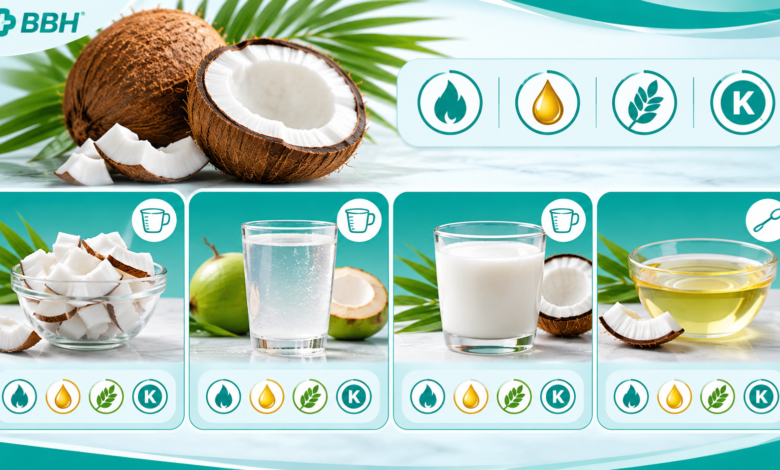
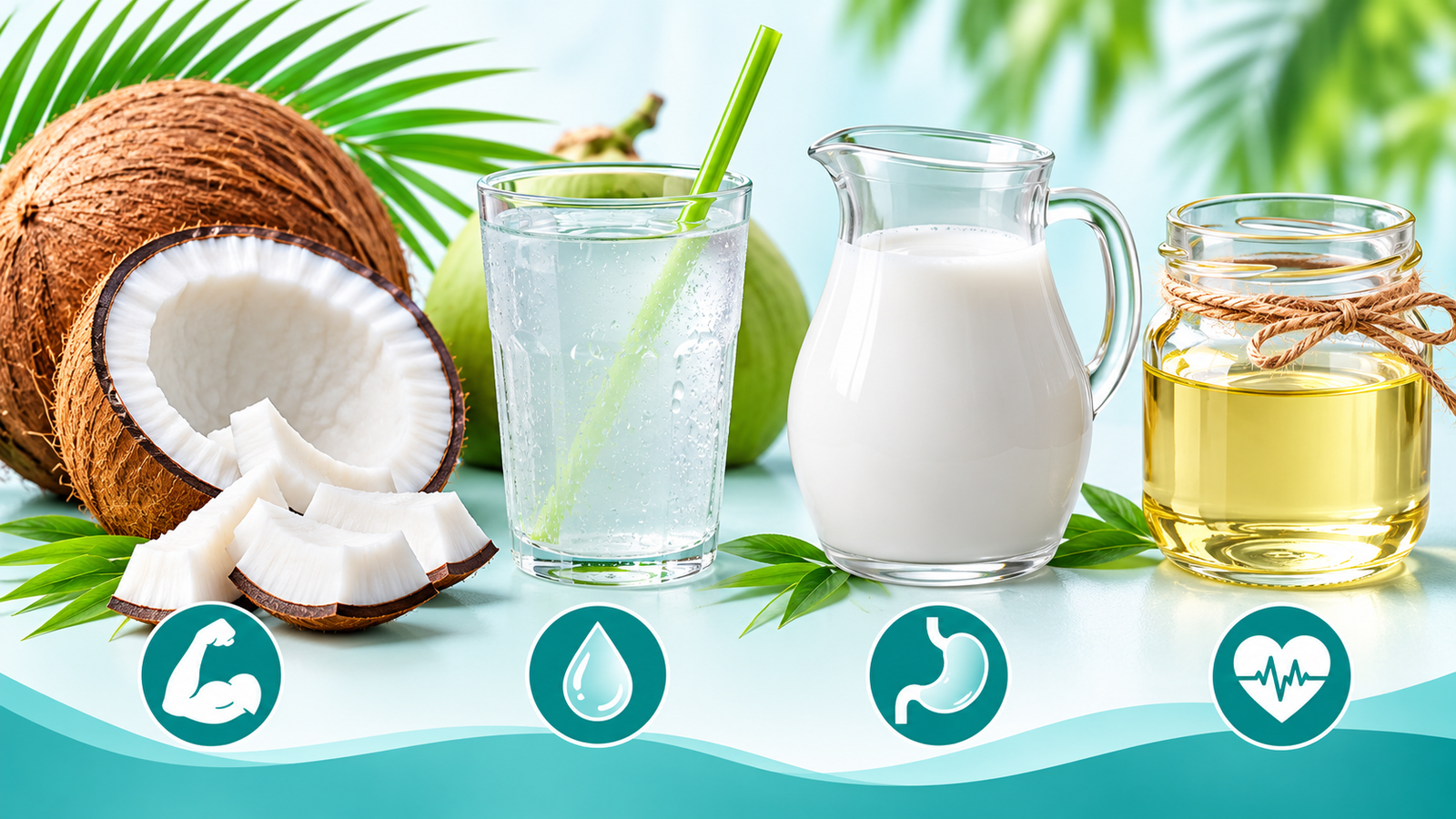
A glass of coconut water, a spoonful of coconut oil and a handful of coconut flakes may all carry a coconut label, yet they are very different foods. If you are trying to manage cholesterol, plan a diabetes-friendly breakfast or choose a dairy-free beverage, that distinction can materially change your decision. Coconut has useful culinary and nutritional properties, but its reputation as a universal wellness remedy often exceeds what clinical research supports.
Thank you for reading this post, don't forget to subscribe!Understanding coconut health benefits starts with identifying the product and the amount consumed. This US-focused guide uses American Nutrition Facts conventions, edible weights and clinical research to explain how coconut can fit a varied diet. It also addresses why a concentrated oil should not inherit the nutritional reputation of whole fruit, and why evidence about purified medium-chain triglycerides cannot automatically be transferred to coconut oil.
Independent Clinical Review
Review status: Pending independent clinical review. This article draws on the research and public guidance linked below. BBH will add the reviewer’s name, credentials, and review date once an independent review is documented.
Medical Safety & Disclaimer
This article provides general nutrition education, not diagnosis or treatment. Follow individualized guidance for diabetes, high cholesterol, kidney disease and food allergies. Do not replace medication or necessary medical care with coconut products.
Quick Answer
Raw coconut meat supplies fiber and minerals but is energy dense and high in saturated fat. Coconut water is a separate beverage containing water, carbohydrate and electrolytes. Coconut oil has no meaningful fiber and can raise LDL cholesterol compared with unsaturated plant oils. Choose the product and portion according to your needs rather than treating all coconut foods as equivalent.
In This Guide
What you will learn
Raw coconut nutrition • Whole fruit versus oil • Saturated fat budget • Cholesterol evidence • Coconut water and hydration • Diabetes meal planning • Coconut milk labels • MCT and brain health claims • Allergy and kidney precautions • FAQs
1. Coconut nutrition facts: What raw coconut meat contains
The edible white flesh of a mature coconut contains substantially more fat than most commonly eaten fruits. The following USDA reference values describe raw mature coconut meat, not young coconut jelly, dried sweetened flakes or coconut water. The 30 g column is an illustrative weighed portion. Actual nutrient composition can vary with maturity and preparation.
| Nutrient | Per 100 g | Per 30 g |
|---|---|---|
| Energy | 354 kcal | 106 kcal |
| Total fat | 33.49 g | 10.0 g |
| Saturated fat | 29.70 g | 8.9 g |
| Total carbohydrate | 15.23 g | 4.6 g |
| Dietary fiber | 9.0 g | 2.7 g |
| Total sugars | 6.23 g | 1.9 g |
| Protein | 3.33 g | 1.0 g |
| Potassium | 356 mg | 107 mg |
Source: USDA FoodData Central: raw coconut meat, SR Legacy 170169. Values are approximate. A 30 g portion supplies about one tenth of the US label Daily Value for fiber and roughly 45% of the 20 g Daily Value for saturated fat. Daily Values are general labeling benchmarks, not personalized intake targets.
Which nutrients explain coconut health benefits?
Fiber contributes to normal bowel function and dietary adequacy. Coconut also provides minerals including manganese, copper and potassium. However, it supplies relatively little protein per typical serving. Its high energy density and saturated fat content distinguish it from water-rich fruits. Rather than classifying coconut as good or bad, assess the quantity and the rest of the meal.
For example, a small measured amount of unsweetened coconut can add texture and flavor to oatmeal. Adding a large quantity to an already energy-dense meal changes the nutrient balance considerably. A food can provide fiber and still be an important contributor to saturated fat intake. Both properties deserve consideration.
2. Coconut health benefits depend on the product
| Product | Main nutritional distinction |
|---|---|
| Raw coconut meat | Fiber, fat and minerals in intact edible flesh. |
| Unsweetened dried coconut | Water removed; concentrated energy and fat. |
| Coconut water | Fluid, carbohydrate and electrolytes; little fat. |
| Canned coconut milk | Culinary ingredient often high in fat. |
| Carton coconut beverage | Diluted product; fortification and protein vary. |
| Coconut oil | Concentrated fat with essentially no fiber. |
| Purified MCT oil | Different fatty acid composition from ordinary coconut oil. |
These products cannot be substituted for one another in a nutrition calculation. A recipe that uses coconut oil does not provide the fiber associated with raw coconut flesh. A carton beverage may contain added calcium or vitamin D, while a culinary milk may be intended mainly to provide richness. Coconut water is naturally located inside the fruit and is not the same liquid as coconut milk prepared from coconut flesh.
This distinction matters when reading research. A study of coconut oil cannot establish the clinical effects of eating a portion of raw meat. Similarly, a trial using coconut water after exercise cannot establish that coconut cream improves hydration. Identify the exact food, dose, comparator and outcome before interpreting a health claim.
3. Coconut oil and heart health: What clinical trials show
The 2020 Circulation meta-analysis of coconut oil clinical trials pooled clinical trials comparing coconut oil with other fats. Relative to nontropical vegetable oils, LDL cholesterol rose by an average of 10.47 mg/dL (95% confidence interval 3.01 to 17.94). HDL cholesterol also increased. An HDL increase does not establish that the LDL increase is harmless or that cardiovascular risk falls.
A 2022 randomized trial systematic review and meta-analysis included trials with a broader range of comparison fats and found no statistically significant pooled improvement in LDL cholesterol or body weight. Differences in comparator oils, study designs and populations help explain why summaries may differ. The research mainly measures risk markers, not whether coconut oil prevents heart attacks or strokes.
The American Heart Association saturated fat guidance advises replacing saturated fats with unsaturated alternatives to support cardiovascular health. For routine cooking, olive, canola and other suitable unsaturated oils are generally preferable to coconut oil when lowering LDL is a priority. This recommendation is about replacement, not simply removing fat or adding a second oil on top of existing intake.
Heart Health Safety
Do not stop cholesterol-lowering medication or replace a clinician-recommended dietary plan with coconut oil. Discuss dietary fat choices in the context of your cardiovascular risk and lipid results.
4. Content gap: Coconut health benefits and the saturated fat budget
Nutrition claims often highlight one desirable nutrient without accounting for the amount of saturated fat supplied by the same food. The table below uses USDA raw coconut meat values and the American Heart Association’s recommendation of less than 6% of calories from saturated fat. For an illustrative 2,000-calorie diet, 6% corresponds to about 13.3 g saturated fat. This is an example, not an individualized prescription.
| Raw coconut meat | Approximate saturated fat | Share of 13.3 g example |
|---|---|---|
| 10 g | 3.0 g | 22% |
| 20 g | 5.9 g | 45% |
| 30 g | 8.9 g | 67% |
| 50 g | 14.8 g | 112% |
A 30 g portion can therefore account for about two thirds of this illustrative daily amount even before counting other foods. The FDA label Daily Value of 20 g is a different benchmark. Confusing these two numbers can make a portion look smaller or larger relative to a particular dietary goal. The relevant benchmark depends on the guidance being followed.
A practical approach is to examine the full meal: coconut milk in a sauce, coconut flakes in a topping and coconut oil used for frying can accumulate even if each ingredient appears in a modest quantity. If a recipe serves four people, calculate the coconut ingredient amount per actual serving rather than counting the whole recipe for one person. Compare Avocado: Nutrition, Benefits and Side Effects for a contrasting fruit with a different fat profile.
5. Coconut water benefits: Hydration and electrolytes
Coconut water provides fluid and naturally occurring carbohydrate and electrolytes, especially potassium. Commercial products vary in serving size, maturity of the source fruit and added ingredients. Some are unsweetened, while others contain additional sugar or juice. Water remains an effective everyday hydration option for most people.
The 2025 review of alternative exercise rehydration beverages evaluated alternatives to carbohydrate-electrolyte beverages after exercise. The coconut-water evidence came from four small randomized trials totaling 42 participants. Overall certainty was limited, and the results do not establish coconut water as superior to plain water for routine rehydration. MedlinePlus coconut water likewise describes limited evidence for exercise-related benefits.
For prolonged strenuous activity, substantial sweat loss or clinical dehydration, fluid and electrolyte requirements may differ. Coconut water is not a standardized oral rehydration solution and may not provide adequate sodium for a particular situation. Do not rely on it to manage severe dehydration or significant vomiting and diarrhea. Seek medical guidance when symptoms warrant it.
Hydration Safety
People with kidney disease, prescribed fluid restrictions or potassium restrictions should discuss coconut water intake with their clinician. Severe dehydration, confusion, fainting or inability to keep fluids down may require urgent assessment.
6. Coconut health benefits and blood sugar: A practical US guide
Raw coconut meat contains approximately 4.6 g total carbohydrate per 30 g serving, including 2.7 g fiber. That does not make coconut a treatment for diabetes. Fat also contributes energy and may influence the timing of glucose responses when consumed with other foods. A sweetened coconut snack may have a very different composition.
Coconut water contains carbohydrate even when no sugar is added. Read the label for total carbohydrate, serving size and added sugars. If a fictional bottle contains 12 g carbohydrate per serving and two servings per container, drinking the entire bottle provides 24 g carbohydrate. This example illustrates label arithmetic, not a universal value for coconut water.
Coconut oil contains essentially no carbohydrate, but substituting oil for carbohydrate does not prove improved glucose regulation or reversal of diabetes. A person’s medication, overall eating pattern, physical activity and health status matter. Follow your individualized carbohydrate-counting method and monitoring recommendations. Read Fruit and Diabetes: Portions and Choices and Carb Counting for Diabetes: Beginner Guide.
Blood Sugar Safety
Do not replace insulin or other prescribed diabetes medicines with coconut oil or water. Treat low blood sugar according to your individualized fast-acting carbohydrate plan rather than assuming coconut products provide a reliable rescue dose.
7. Coconut health benefits: Milk versus carton beverages
US grocery stores may stock thick canned coconut milk alongside thinner carton beverages marketed as milk alternatives. Their nutrient profiles differ considerably. Culinary coconut milk can provide substantial saturated fat, while a diluted beverage may contain less fat and energy. Neither name alone establishes calcium, vitamin D or protein content.
The FDA plant-based milk nutrition guidance recommends comparing protein, calcium, vitamin D and potassium on the Nutrition Facts label when choosing plant-based alternatives. Also check saturated fat and added sugars. A fortified coconut beverage may provide calcium without supplying protein comparable to dairy milk. A person replacing dairy should consider where the missing protein and other nutrients will come from.
| Label question | Why it matters |
|---|---|
| How many servings will I use? | A cooking ingredient can contribute several label servings. |
| How much saturated fat? | Compare actual portions, not only front-label claims. |
| Is calcium or vitamin D added? | Fortification varies across products. |
| How much protein? | Coconut beverages may not replace milk nutritionally. |
| Are sugars added? | Unsweetened and sweetened versions differ. |
Use the FDA Nutrition Facts guide to interpret the actual product label. Infants require appropriate infant feeding, not ordinary coconut beverages in place of breast milk or infant formula. For children or adults with complex dietary restrictions, a clinician or dietitian can help plan suitable alternatives.
8. Coconut health benefits, MCT oil and brain health claims
Coconut oil contains a large proportion of lauric acid. Purified medium-chain triglyceride products often concentrate shorter fatty acids such as caprylic and capric acids. Their absorption and metabolic effects are not identical. The 2018 coconut oil evidence review and 2026 cardiovascular nutrition clinical review discuss this distinction and the limitations of applying MCT research to ordinary coconut oil.
Ketone production is a biochemical outcome. It does not automatically establish better memory, preserved independence or reduced dementia risk. A 2024 dementia research review examined research involving coconut-derived products and metabolites in dementia. Findings warrant further study, but heterogeneous preparations and limited evidence do not establish coconut oil as a standard Alzheimer’s treatment. Continue appropriate medical assessment and prescribed care.
Likewise, evidence from purified MCT products does not prove that adding ordinary coconut oil causes weight loss. The 2022 review cited above did not find meaningful pooled weight reduction. Adding oil increases dietary energy unless it replaces something else. The Harvard Nutrition Source: coconut oil offers additional context about coconut oil and popular health claims.
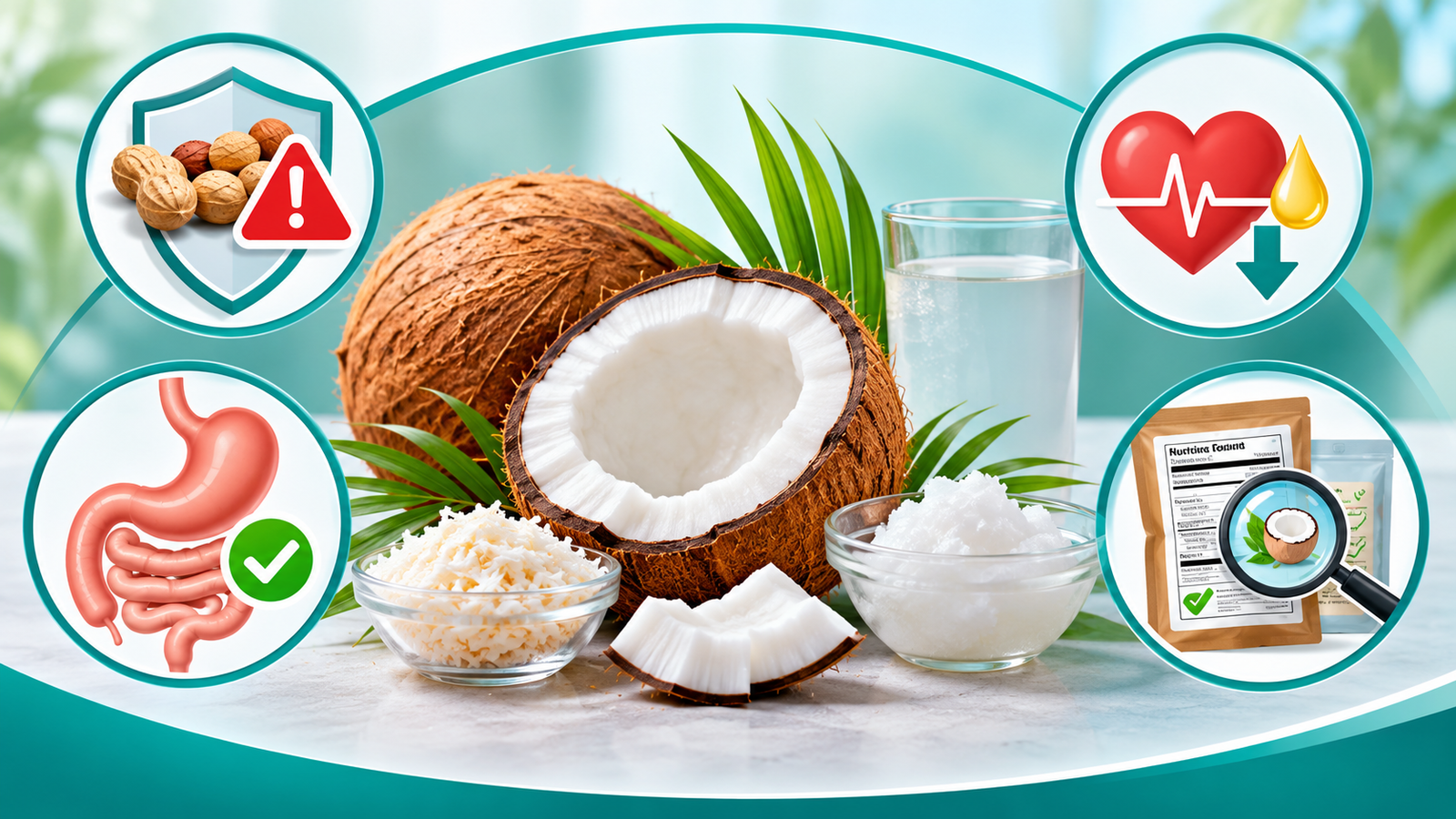
9. Coconut side effects and US medical precautions
Potassium and kidney health
The NIH potassium fact sheet explains that impaired kidney function or certain medicines can increase the risk of high blood potassium. Coconut water may contribute considerable potassium depending on the product and amount consumed. People with individualized potassium targets should compare labels and consult their renal dietitian or clinician rather than assuming all coconut products are forbidden or unrestricted.
Coconut allergy and the FDA labeling change
The FDA food allergen labeling FAQ explains that coconut was removed from the FDA tree-nut list in its January 2025 food-allergen labeling guidance. This is a US labeling distinction, not a declaration that coconut cannot cause allergy. Coconut may still appear in the ingredient list, even if it no longer appears in a separate tree-nut Contains statement. Anyone with confirmed coconut allergy should read the full ingredients and contact the manufacturer when cross-contact is a concern.
Tree-nut allergy does not automatically establish coconut allergy. An allergist can assess individual reactions and appropriate testing. Do not deliberately reintroduce coconut after a suspected serious reaction without professional guidance. See FDA food allergy information for US food allergy information.
Digestive sensitivity and energy intake
Large amounts of coconut meat or concentrated fat may cause gastrointestinal discomfort in some people. Introduce dietary changes according to tolerance. People with a medically prescribed low-fat diet or fat malabsorption may need specific guidance. Persistent pain, diarrhea or unexplained weight changes warrant assessment rather than progressively increasing coconut intake.
Allergy and Medical Safety
For breathing difficulty, throat swelling, faintness or other serious allergic symptoms, use prescribed epinephrine if indicated and call 911. Do not delay emergency care. Seek individualized advice about kidney-related restrictions and medically prescribed diets.
10. How to enjoy coconut health benefits in everyday US meals
Use a measured amount of unsweetened coconut meat or flakes for flavor, texture and fiber. When preparing a coconut-milk curry, compare regular and lighter products and account for the portion actually served. Choose unsaturated oils for most cooking when appropriate. A varied diet with vegetables, whole grains, protein foods and other fruit is more informative than concentrating on a single ingredient.
For additional meal-pattern context, see Mediterranean Diet and Type 2 Diabetes. For another example of how processing changes nutrient concentration, read Figs: Nutrition, Benefits and Side Effects. Choose foods according to your medical needs, taste, budget and tolerance. No special coconut supplement is required to obtain a balanced diet.
11. Frequently asked questions
Is coconut good for cholesterol?
Coconut oil can increase LDL compared with unsaturated vegetable oils. Whole coconut also supplies saturated fat; portion and dietary context matter.
Is coconut water better than water?
Research does not establish consistent superiority for everyday hydration. Consider added sugars, potassium and individual fluid requirements.
Can people with diabetes eat coconut?
Many can include measured portions. Count carbohydrate where relevant and consider saturated fat and total energy.
Is coconut oil the same as MCT oil?
No. Their fatty acid profiles and metabolic effects differ.
Does the FDA labeling change mean coconut allergy is impossible?
No. Read the ingredient list and follow your allergy action plan.
Conclusion
Coconut products have distinct nutritional properties. Raw coconut meat provides fiber and minerals, coconut water provides fluid and electrolytes, and coconut oil supplies concentrated fat. The most reliable advice is to compare actual portions, prioritize evidence-based dietary patterns and avoid converting preliminary research into disease-treatment claims.
BBH Key Takeaway
Choose the coconut product that fits your individual needs. Consider saturated fat, carbohydrate, potassium and label information. Food can support nutrition without being a medical treatment.
Scientific references
USDA FoodData Central: raw coconut meat, SR Legacy 170169 • 2020 Circulation meta-analysis of coconut oil clinical trials • 2022 randomized trial systematic review and meta-analysis • American Heart Association saturated fat guidance • 2025 review of alternative exercise rehydration beverages • MedlinePlus coconut water • FDA plant-based milk nutrition guidance • FDA food allergen labeling FAQ • NIH potassium fact sheet • 2018 coconut oil evidence review • 2024 dementia research review • Harvard Nutrition Source: coconut oil • FDA food allergy information • FDA Nutrition Facts guide • 2026 cardiovascular nutrition clinical review
Related reading on BBH
Explore: Physical Health → Weight, Nutrition & Metabolic Health support page