Best Food Sources of Vitamin A
15 Vitamin A-Rich Foods for Better Nutrition


Are you trying to improve your nutrition without buying another supplement? The best food sources of vitamin A may already be in your refrigerator or neighborhood grocery store. Yet a list of foods alone rarely explains how much to eat, how to interpret a label, or why preparation and the rest of a meal can make a difference.
Thank you for reading this post, don't forget to subscribe!Vitamin A supports normal vision, immune function and cellular development. For most healthy Americans, a varied eating pattern is a sensible starting point for meeting nutritional needs. This guide compares ordinary servings, explains the difference between plant and animal sources, and offers practical grocery and meal planning ideas without encouraging excessive intake.
Quick Answer
Sweet potatoes, spinach and carrots are excellent plant sources. Eggs, fortified milk and certain fish provide preformed vitamin A. Beef liver is exceptionally concentrated and requires special caution. Healthy US adults generally need 900 mcg RAE daily for men and 700 mcg RAE for women. A little dietary fat alongside vegetables can support carotenoid absorption.
Medical Safety Notice
This article is general nutritional education, not treatment for deficiency. People who are pregnant, have liver disease, have had bariatric surgery or have a fat-malabsorption disorder should discuss individualized intake with their healthcare team. Avoid self-prescribed high-dose vitamin A.
In This Guide
Vitamin A forms • 15 food sources • Plant and animal choices • Grocery labels • Absorption • Affordable shopping • Meal planning • Safety • FAQs
1. Food Sources of Vitamin A: Two Forms to Understand
The nutrient in food occurs primarily as preformed vitamin A or as carotenoids that the body can convert into vitamin A. The distinction matters because the amount listed on a nutrition chart is not simply the total weight of orange plant pigments. Preformed vitamin A is found in animal foods and some fortified products. Beta-carotene and certain other carotenoids occur in plant foods.
Retinol versus beta-carotene
Retinol and related compounds contribute directly to the body’s vitamin A supply after digestion and processing. Provitamin A carotenoids require conversion. The conversion efficiency varies according to the food matrix, individual physiology and meal composition. US dietary recommendations use retinol activity equivalents (RAE) to account for differences in biological activity. For requirements by life stage, read Vitamin A: Benefits and Daily Requirements.
A useful comparison from NIH Office of Dietary Supplements is that 1 mcg of retinol and 12 mcg of beta-carotene from ordinary foods each correspond to 1 mcg RAE. The ratio is a dietary reference conversion, not a guarantee that every person absorbs the same amount.
2. Fifteen Foods High in Vitamin A: US Serving Guide
The following examples use representative portions rather than arbitrary equal weights. Values are approximate reference amounts from the NIH food table; ingredients, variety, preparation and fortification can change actual values. The FDA general Daily Value is 900 mcg RAE.
| Food | Reference serving | mcg RAE | Approx. % DV |
|---|---|---|---|
| Beef liver, pan fried | 3 oz | 6,582 | 731% |
| Sweet potato, baked in skin | 1 whole | 1,403 | 156% |
| Spinach, frozen and boiled | ½ cup | 573 | 64% |
| Carrots, raw | ½ cup | 459 | 51% |
| Ricotta, part skim | ½ cup | 263 | 29% |
| Herring, pickled | 3 oz | 219 | 24% |
| Milk, skim, fortified | 1 cup | 149 | 17% |
| Cantaloupe, raw | ½ cup | 135 | 15% |
| Red sweet pepper, raw | ½ cup | 117 | 13% |
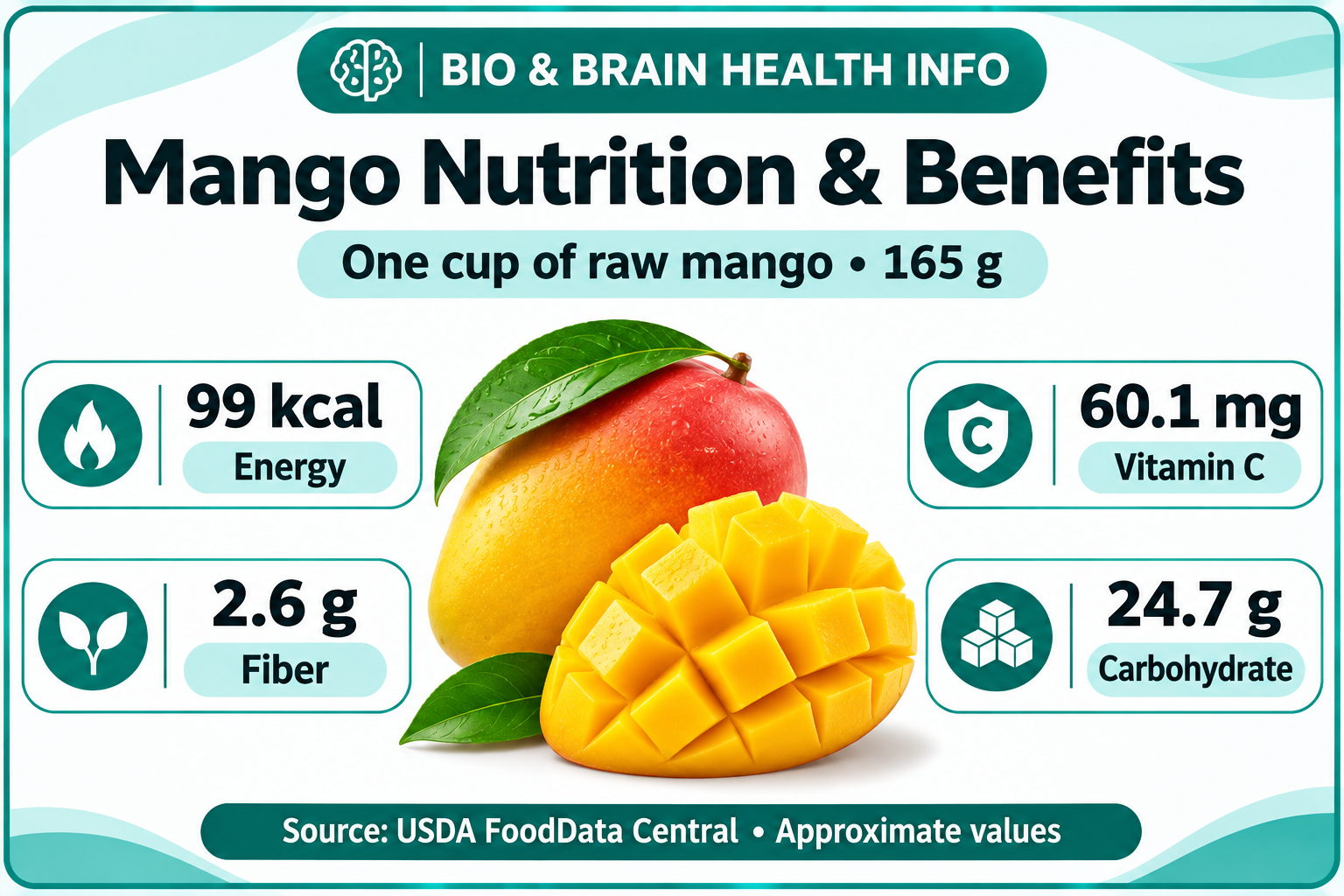
| Mango, raw | 1 whole | 112 | 12% |
| Fortified breakfast cereal | 1 serving (10% DV example) | 90 | 10% |
| Egg, hard boiled | 1 large | 75 | 8% |
| Black-eyed peas, boiled | 1 cup | 66 | 7% |
| Broccoli, boiled | ½ cup | 60 | 7% |
| Sockeye salmon, cooked | 3 oz | 59 | 7% |
Source: NIH Office of Dietary Supplements; cross-check other serving sizes in USDA FoodData Central. A high ranking does not mean a food should be eaten every day. In particular, liver contains concentrated preformed vitamin A and is not a routine daily recommendation.
3. Vitamin A Fruits and Vegetables for Everyday Meals
Orange and dark green vegetables are practical choices for people who want to increase provitamin A intake without relying on concentrated animal sources. Color can provide a clue to carotenoid content, although it does not replace nutrient data.
Sweet potatoes and carrots
A baked sweet potato can contribute substantial vitamin A activity while providing carbohydrates and fiber. Carrots work in soups, stir-fries and snacks. These vegetables are often affordable and can be purchased fresh or frozen. Choose the portion that fits the rest of your meal, especially if you manage blood glucose or have other individualized dietary requirements.
Spinach and other leafy vegetables
Leafy greens contain carotenoids even though their orange pigments are masked by chlorophyll. A half cup of cooked spinach is not equivalent to a half cup of raw spinach because cooking reduces volume. When comparing nutrient values, match the preparation and serving size to what you actually eat. Frozen spinach can be useful for reducing waste and adding vegetables to omelets, beans or soups.
Mango, cantaloupe and red peppers
Fruits and peppers contribute variety as well as vitamin A activity. A fruit serving need not provide the entire daily requirement to be worthwhile. Mango and cantaloupe can complement meals with leafy vegetables or other nutrient-rich foods. See BBH’s mango nutrition guide and papaya nutrition guide for more fruit options.
4. Animal Food Sources of Vitamin A
Egg yolks, dairy products and some fish contain preformed vitamin A. These foods may suit omnivorous and some vegetarian eating patterns. Their nutrient contributions vary with product type, serving size and whether vitamin A has been added through fortification.
Eggs, milk and cheese
Eggs provide a modest contribution per serving. Fortified milk can be particularly useful when it is already part of a household’s eating pattern. Dairy alternatives vary, so compare the nutrition label rather than assuming an oat, soy or almond beverage provides the same vitamin A as fortified cow’s milk. Cheese can contribute vitamin A but may also contribute sodium and saturated fat. Consider the whole nutritional profile.
Fish and liver: different nutritional profiles
Fish can contribute protein and other nutrients, but vitamin A content varies among species. Liver is different because it stores vitamin A and can provide a very large amount of preformed vitamin A in a single serving. A three-ounce reference portion of beef liver contains more than twice the adult daily upper limit. This does not mean that one serving necessarily causes toxicity, but regular high intake can raise safety concerns.
BBH Liver Safety Reminder
The adult tolerable upper intake level for preformed vitamin A is 3,000 mcg RAE daily from food and supplements. This limit does not apply to ordinary food carotenoids. Pregnant people should discuss liver and retinol-containing supplements with their obstetric clinician.
5. Fortified Foods and Vitamin A Daily Value Labels
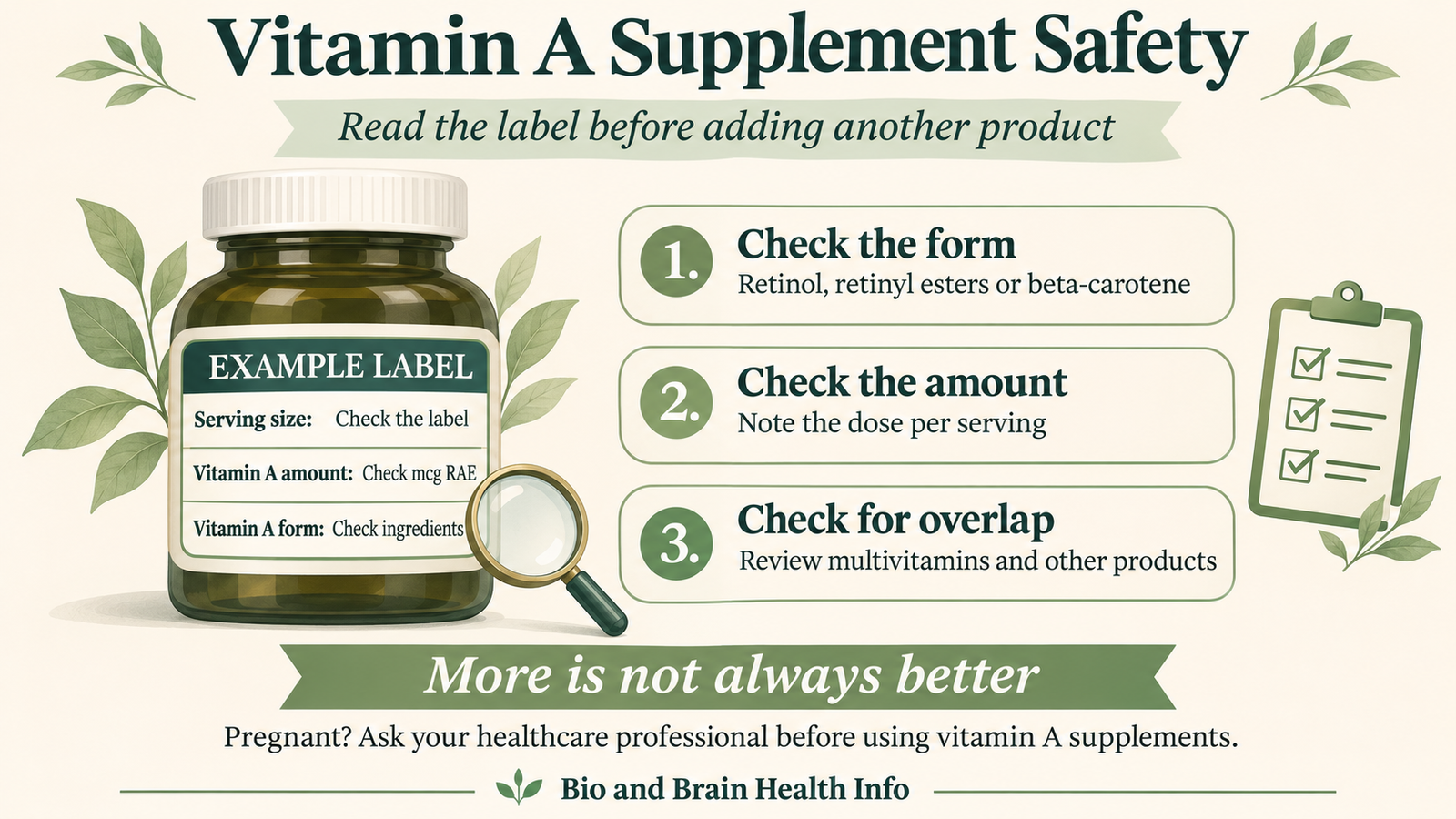
Food labels can help shoppers compare products when natural nutrient content is uncertain. The FDA Daily Value is 900 mcg RAE for adults and children aged four and older. Individual requirements are not identical to this general reference.
A product labeled 15% DV supplies about 135 mcg RAE per labeled serving. If you drink twice the stated serving, the amount consumed is approximately twice as much. Read the serving size first, then compare the percentage Daily Value and other nutritional information. A label without a vitamin A declaration does not automatically establish that the food contains none.
When selecting breakfast cereals or beverages, compare added sugars, fiber, sodium and other nutrients as well. The largest vitamin A percentage is not necessarily the best overall choice. See FDA Daily Value guidance.
6. Vitamin A Absorption: What Human Research Shows
Carotenoids are fat-soluble. Their release from food and uptake in the digestive tract are influenced by the food structure and other meal components. A moderate amount of dietary fat can support absorption, although more is not necessarily better.
A 2005 human feeding study examined adding avocado or avocado oil to salad and salsa. The researchers observed improved absorption of several carotenoids. A 2014 study examined avocado consumed with carrots or a high-beta-carotene tomato sauce and found enhanced uptake and conversion under the study conditions. These studies investigated short-term nutrient handling, not proof that avocado prevents disease or corrects clinical deficiency.
Research: Unlu and colleagues, 2005; Kopec and colleagues, 2014.
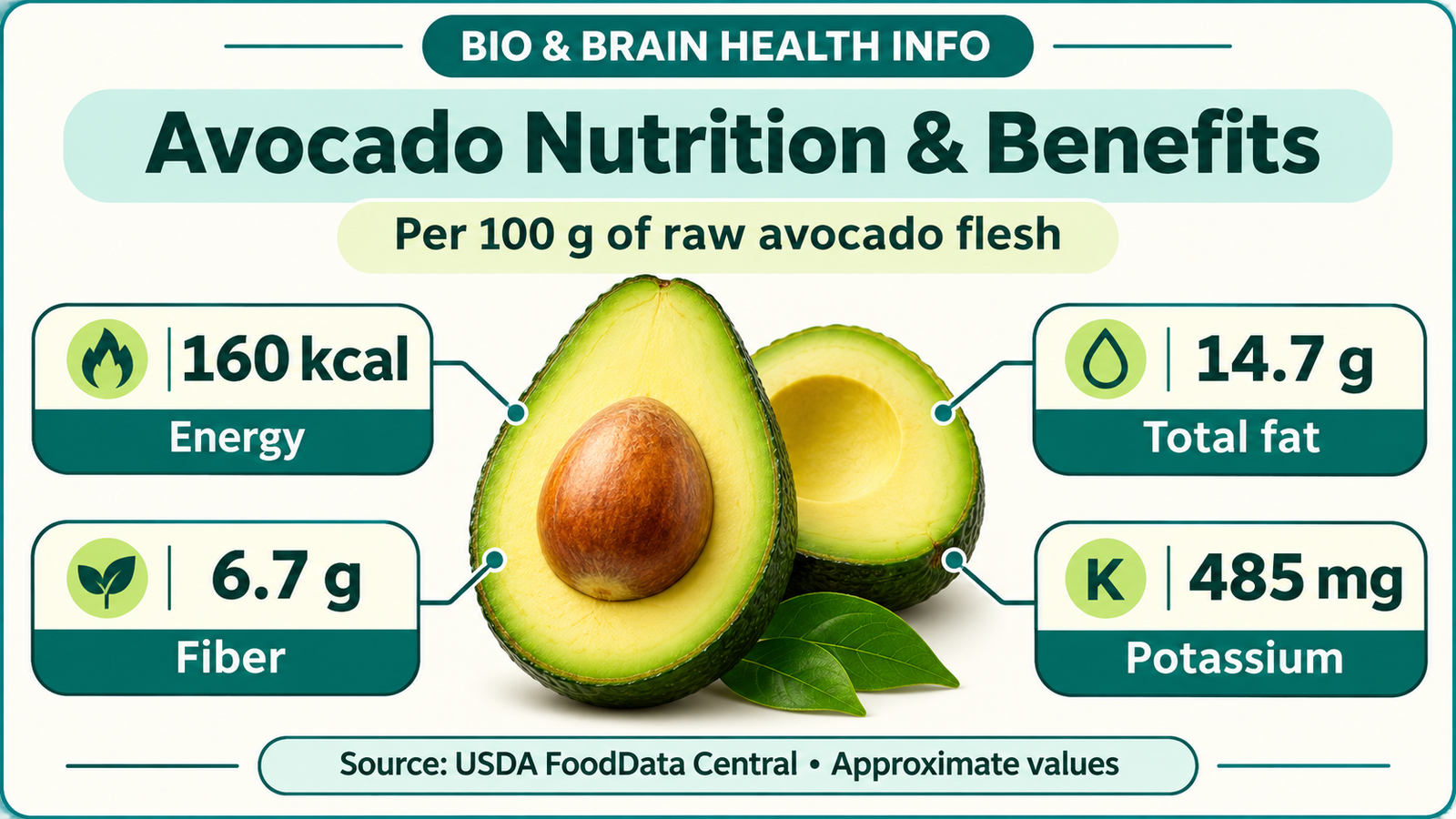
Avocado is one option rather than a requirement. Olive oil, seeds, nuts and other suitable sources of fat can be incorporated according to individual dietary needs. Read BBH’s avocado nutrition guide for further information.
7. Raw or Cooked Foods Rich in Vitamin A?
Cooking and chopping can change the structure of plant tissues and influence carotenoid availability. Heat can also degrade some compounds, so there is no universal rule that cooked vegetables are always nutritionally superior. Include both raw and cooked produce as appropriate for preferences, food safety and digestion.
A practical approach is to steam or roast carrots until tender, serve cooked spinach alongside a meal, and use raw peppers in salads. Avoid comparing a cooked cup with a raw cup without considering differences in water content and volume. A nutrient database entry should match the preparation method.
8. Affordable Vitamin A Food Sources in US Grocery Stores
A nutrition plan is useful only if it fits the household budget and daily routine. Frozen spinach, bagged carrots and sweet potatoes are reasonable items to compare at local supermarkets. Store-brand frozen produce may offer good value, particularly if fresh vegetables often spoil before use. Prices vary by region and season, so this guide does not assume a fixed national grocery price.
| Shopping area | Practical choices |
|---|---|
| Produce | Carrots, sweet potatoes, seasonal peppers, cantaloupe |
| Frozen | Plain spinach, mixed vegetables |
| Dairy or alternatives | Fortified milk or suitable fortified beverages |
| Pantry | Canned pumpkin, fortified cereal, beans |
| Protein | Eggs and suitable fish |
For households facing food insecurity, ask about SNAP eligibility, local food banks or WIC where applicable. WIC has specific participant and food eligibility requirements. A registered dietitian or community clinic may help identify appropriate resources.
9. Vitamin A Daily Intake: A Practical Meal Planner
A healthy adult does not need to hit the exact RDA in every individual meal. The RDA is a daily reference for usual intake over time. Use the following examples to see how ordinary food servings contribute to a total.
| Example food combination | Approx. mcg RAE |
|---|---|
| ½ cup cooked spinach + ½ cup raw carrots | 1,032 |
| ½ cup carrots + 1 cup fortified skim milk + 1 egg | 683 |
| ½ cup cooked spinach + ½ cup cantaloupe + ½ cup red pepper | 825 |
These totals describe reference food composition, not measured absorption. They are examples, not mandatory daily targets or personalized menus. The carotenoid-rich combinations can exceed the RDA without exceeding the upper limit for preformed vitamin A.
BBH Food Pairing Planner
Choose one carotenoid-rich vegetable, add a suitable source of dietary fat and include protein or another food group as needed. Examples: roasted carrots with olive oil and beans; spinach with avocado and eggs; sweet potato with tahini and lentils. Vary the meals rather than repeating one food every day.
10. Plant-Based Diets, Pregnancy and Absorption Disorders
A well-planned vegetarian or vegan diet can provide provitamin A through a range of vegetables and fruits. A vegan reader should not assume that all fortified plant beverages have the same composition. Check labels and discuss concerns about overall adequacy with a registered dietitian.
Pregnancy raises nutritional requirements, but concentrated preformed vitamin A exposure can be harmful. The RDA for pregnant adults aged 19 to 50 is 770 mcg RAE. Review prenatal supplements and liver consumption with the obstetric team. See NIH pregnancy nutrition guidance.
People with pancreatic insufficiency, cystic fibrosis, certain intestinal disorders or previous bariatric surgery may have reduced absorption even when dietary intake looks adequate. Food choices alone may not correct a clinical deficiency. See BBH’s Vitamin A Deficiency: Symptoms and Causes for signs that deserve medical assessment.
11. Common Food-Based Vitamin A Mistakes
One common mistake is assuming all orange foods supply the same amount of vitamin A. Another is comparing supplement IU values with food mcg RAE without considering the nutrient form. A third is selecting liver as a daily shortcut to nutritional adequacy. Finally, people sometimes treat a high percentage Daily Value as proof that a product is healthier overall.
A more useful strategy is to check serving sizes, vary food choices, use moderate fat with carotenoid-rich foods and review concentrated supplements separately. A person with persistent night vision changes should seek an eye examination rather than assuming that eating more carrots will resolve the problem.
Frequently Asked Questions
Which food has the most vitamin A?
Beef liver is exceptionally concentrated in preformed vitamin A, but it is not an appropriate daily shortcut. Sweet potatoes are a practical rich plant source.
Are carrots enough to meet daily requirements?
They can contribute substantially, but a varied diet is preferable to relying on a single food.
Is spinach better raw or cooked?
Both can contribute. Serving volume and food preparation affect comparisons and availability.
Do eggs contain vitamin A?
Yes. A large hard-boiled egg provides a modest amount, primarily from the yolk.
Does avocado contain much vitamin A?
Its main role in this guide is as a dietary fat source that can accompany carotenoid-rich foods.
Can I get vitamin A without dairy?
Yes. Plant foods and suitable fortified products can contribute; check labels.
Can eating carrots cause vitamin A toxicity?
Ordinary food carotenoids do not have the same toxicity profile as excessive preformed vitamin A. Very high carotenoid intake may discolor skin.
Do I need a supplement if I eat these foods?
Not necessarily. Supplement needs depend on intake, medical history and professional assessment.
For a deeper explanation of food preparation and dietary fat, read vitamin A absorption: what affects it?.
Conclusion
The best food sources of vitamin A are not simply those with the highest number. Practical choices fit your diet, budget and health needs while supporting adequate intake. Use vegetables, fruit, suitable animal foods or fortified products, and meal combinations that support absorption. Avoid unnecessary concentrated supplements and seek professional advice when a medical condition affects nutrition.
Independent Clinical Review
Review status: Pending independent clinical review. This article draws on the research and public guidance linked below. BBH will add the reviewer’s name, credentials, and review date once an independent review is documented.
Research References
NIH Vitamin A professional fact sheet
Human carotenoid absorption study, 2005
Human provitamin A conversion study, 2014