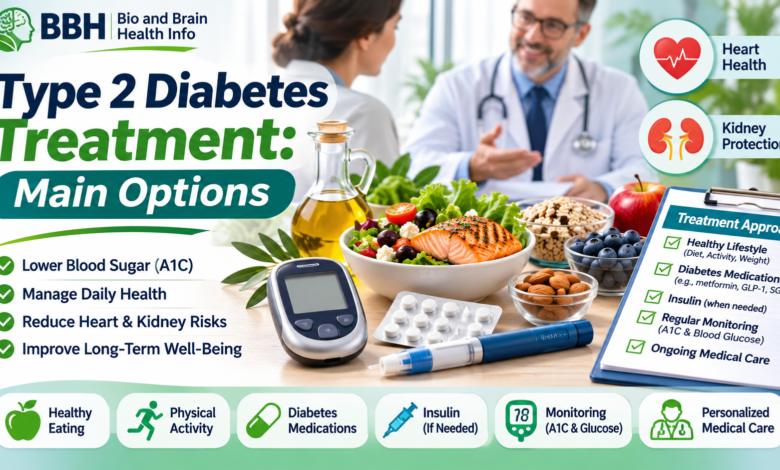
Type 2 Diabetes Treatment: Main Options
Type 2 Diabetes: Treatments and Medicines

diabetes care is more than lowering a blood glucose number. Contemporary care aims to protect the heart and kidneys, reduce symptoms, support day-to-day wellbeing and help each person reach realistic, individualized glucose goals. Different treatments work in different ways, and the most suitable combination depends on health history and preferences.
Thank you for reading this post, don't forget to subscribe!This educational guide covers available diabetes treatments, type 2 diabetes medications, nutrition and movement, insulin, monitoring, adverse effects and when specialist care may be useful. It prioritizes 2026 US recommendations, with updated guidance from the UK, Australia and Canada. There is no universal medicine list that everyone must follow in the same order.
Type 2 Diabetes Treatment: Main Options at a Glance
The American Diabetes Association (ADA) Standards of Care in Diabetes—2026 recommend considering glucose lowering, cardiovascular and kidney protection, weight management, risk of hypoglycemia, treatment burden and cost together. A person with newly diagnosed diabetes and no other major condition may receive a different plan than someone with heart failure or albuminuria.
Related BBH reading: Type 2 Diabetes: Symptoms, Causes and Treatment.
How Is a Type 2 Diabetes Treatment Plan Chosen?
The starting point is a shared conversation, not simply the highest blood glucose reading. Clinicians examine diagnosis, symptoms, A1C, kidney function, blood pressure, cardiovascular history, weight-related needs, current medicines and ability to follow a treatment safely.
Glucose goals are individualized
An A1C below 7% is a common goal for many nonpregnant adults, but stricter or less stringent goals may be appropriate depending on overall health, life expectancy, hypoglycemia risk and treatment burden. It is better to agree on a safe target with a clinician than copy another person’s result.
Comorbidities can change drug choice
For established cardiovascular disease, heart failure or chronic kidney disease, particular SGLT2 inhibitors or GLP-1 receptor agonists with demonstrated benefit may be recommended regardless of current A1C or whether metformin is used. The relevant medicine and its indication matter; not every drug in a class has identical evidence.
Person-centered diabetes management options also consider adverse effects, insurance coverage, medication availability, injections versus tablets and how a treatment affects daily life.
Related BBH reading: Mediterranean Diet and Type 2 Diabetes.
Lifestyle Changes and Diabetes Education
Nutrition therapy, physical activity, adequate sleep, tobacco cessation and practical self-management education are important throughout treatment. Lifestyle care is not a test people must pass before they deserve medication. Many individuals benefit from medicines and lifestyle support at the same time.
Eating patterns rather than strict universal diets
The ADA supports individualized approaches including Mediterranean-style, lower-carbohydrate or plant-forward patterns. The general emphasis is on nutrient-dense vegetables, whole grains when suitable, legumes, appropriate protein, unsaturated fats and reduced intake of sugar-sweetened drinks and highly refined foods.
Activity and physical function
Walking, appropriate aerobic movement and resistance exercise can support insulin sensitivity, strength and cardiovascular health. A person with neuropathy, foot ulcers, severe vision problems or other complications may need medical clearance and adapted activity.
Diabetes self-management education and support
Diabetes self-management education and support (DSMES) helps with glucose readings, meal planning, medication use, sick-day plans and coping. It can be valuable at diagnosis, annually, when complications arise and when treatment changes.
The best available diabetes treatments become more effective when the person understands why each action matters and has enough support to maintain it.
Type 2 Diabetes Medicines: A Practical Comparison
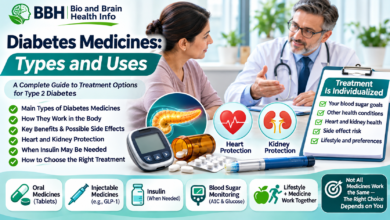
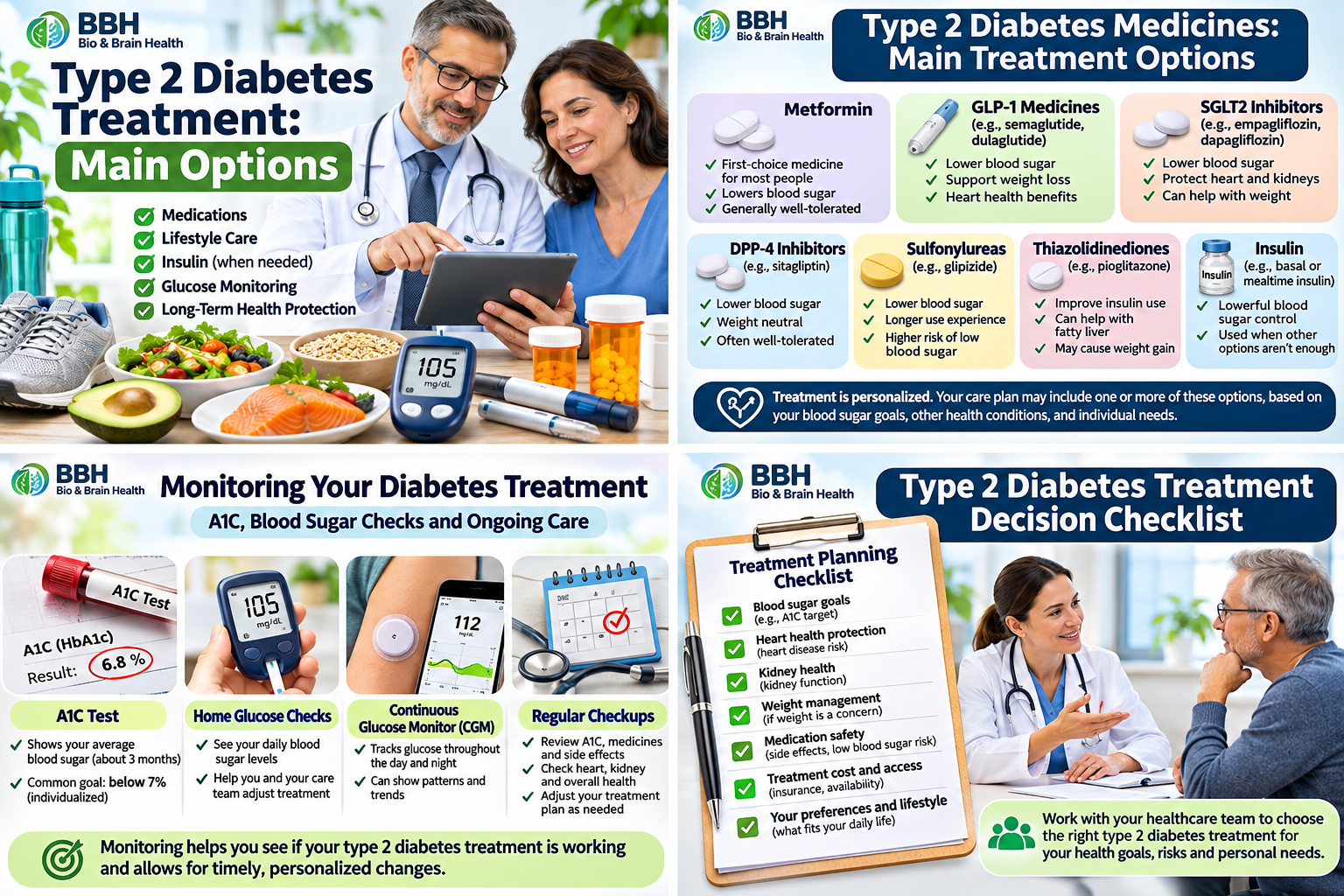
Medicine choice depends on whether the main priority is glucose control, reduced cardiovascular or kidney risk, weight-related outcomes, affordability or avoidance of low blood glucose. The following is a simplified educational comparison rather than a prescribing algorithm.
| Class / example | Potential role | Important cautions |
|---|---|---|
| Metformin | Common initial or combination treatment; effective, affordable glucose lowering | Gastrointestinal symptoms, kidney-function considerations, vitamin B12 monitoring |
| GLP-1 receptor agonists; dual GIP/GLP-1 therapy | Glucose improvement and often clinically meaningful weight reduction; selected agents have cardiovascular benefits | Nausea, vomiting, gastrointestinal effects, contraindications and cost |
| SGLT2 inhibitors | Some agents reduce heart failure and CKD-related risks in eligible adults | Genital infections, dehydration, ketoacidosis risk in specific situations |
| DPP-4 inhibitors | Oral glucose lowering with relatively low hypoglycemia risk when used alone | Typically modest efficacy; some combinations are inappropriate |
| Sulfonylureas | Inexpensive glucose lowering for some people | Hypoglycemia and weight gain |
| Thiazolidinediones | Improve insulin sensitivity in selected patients | Fluid retention, weight gain, heart failure concerns |
| Insulin | Essential for marked insulin deficiency or severe hyperglycemia; useful at any stage when needed | Hypoglycemia, dosing burden, monitoring and training |
This overview of type 2 diabetes medications does not capture all combinations or health conditions. A clinician must review kidney function, other medicines, allergies, side effects and local licensing before making changes.
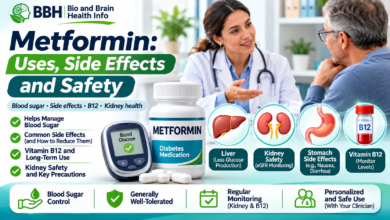
Metformin: Benefits, Kidney Function and Vitamin B12
Metformin helps reduce liver glucose production and can improve glucose control. It is familiar, usually inexpensive and may be used alone or with other medicines. However, 2026 recommendations recognize that some patients should receive medications with heart or kidney benefits irrespective of whether metformin is their first medicine.
Common adverse effects
Nausea, loose stools, bloating or abdominal discomfort are common when starting treatment. Taking the medicine with food or using an extended-release formulation may help some people under clinician direction. Kidney function matters because the drug may be unsuitable in significant renal impairment.
Why B12 belongs in the treatment discussion
Long-term metformin use can contribute to vitamin B12 deficiency. Testing may be appropriate for people with anemia, neuropathy or other risk factors, and periodically in long-term users according to clinician guidance. New tingling or numbness should not automatically be attributed only to diabetes.
GLP-1 and Dual GIP/GLP-1 Therapies
GLP-1 receptor agonists improve glucose regulation by acting on several pathways affecting glucose-dependent insulin secretion, glucagon and appetite. Examples of the class include semaglutide and dulaglutide, although product indications, routes and cardiovascular outcomes vary.
Dual GIP/GLP-1 receptor agonists such as tirzepatide act on two incretin pathways and can improve glycemia and weight outcomes in eligible people. Drugs should not be chosen solely because they are popular or because a social media post claims rapid results.
Benefits beyond the A1C
Some GLP-1 agents have demonstrated reductions in cardiovascular events and, for selected products and populations, kidney-related benefits. Patients with cardiovascular disease, obesity or other relevant conditions may be considered for these treatments irrespective of the A1C number in the appropriate context.
Important side effects and access questions
Nausea, vomiting, constipation, diarrhea and reduced appetite may affect tolerability. Pancreatitis history, pregnancy plans, certain endocrine conditions, cost and product-specific warnings require clinical review. Drug shortages and insurance limitations can also affect continuity.
SGLT2 Inhibitors: Glucose, Heart Failure and Kidney Protection
SGLT2 inhibitors reduce glucose reabsorption by the kidneys, increasing urinary glucose excretion. Depending on the drug and indication, they can help manage glucose while also reducing heart failure hospitalization or slowing progression of certain kidney conditions.
A major 2026 update is the emphasis on using evidence-based heart and kidney protective agents when those conditions are present, even if glucose is already near target. This does not mean every person should take an SGLT2 inhibitor.
Safety and sick-day planning
Genital yeast infections, volume depletion and changes in urination can occur. A rare but serious complication is diabetic ketoacidosis, which may develop even when glucose is not dramatically elevated. During illness, fasting or surgery, clinicians may provide specific temporary withholding instructions. Never invent your own sick-day schedule.
People with reduced kidney function need a medication and indication review, because kidney thresholds for starting or continuing treatment depend on the drug, the reason for treatment and current recommendations.
Other Oral Type 2 Diabetes Medications
DPP-4 inhibitors
DPP-4 inhibitors such as sitagliptin may provide modest glucose lowering with little intrinsic hypoglycemia risk when taken without insulin or sulfonylureas. They generally do not provide the same weight-loss effect as GLP-1 agents and should not automatically be combined with GLP-1 receptor agonists.
Sulfonylureas
Medications such as glimepiride or gliclazide stimulate insulin release and can be relatively affordable. They may cause hypoglycemia, especially with skipped meals or in some older adults. A person should understand warning signs and appropriate treatment of low glucose.
Thiazolidinediones and other treatments
Pioglitazone can improve insulin sensitivity in selected people but may cause weight gain or fluid retention and can be unsuitable with heart failure. Alpha-glucosidase inhibitors and other therapies also exist, with availability differing by country. Medication choices need to be individualized.
An online list of diabetes management options cannot determine which of these drugs is appropriate for a particular patient. Risk-benefit discussions matter more than ranking every pill by a single glucose metric.
When Is Insulin Used for Type 2 Diabetes?
Insulin is sometimes needed early, including when a person has significant symptoms of high blood glucose, severe hyperglycemia or suspected insulin deficiency. The ADA 2026 guidance recommends considering insulin when A1C exceeds 10%, glucose is at least 300 mg/dL, or symptoms and other clinical concerns suggest it is needed.
Those thresholds are clinical considerations, not home instructions to start insulin. Some people later reduce insulin under medical supervision, while others need long-term use. Insulin use does not mean a person has failed at nutrition or exercise.
Basal and mealtime insulin
Basal insulin primarily helps control glucose between meals and overnight. Mealtime insulin may be added when required, with dosage adjusted by trained clinicians based on monitoring, food, timing and other factors.
Avoiding low blood glucose
Insulin can produce dangerous hypoglycemia. Education should cover dosing technique, storage, glucose monitoring, recognizing low glucose, emergency glucagon where indicated, and when to seek urgent care. Never borrow another person’s insulin dose or regimen.
Heart and Kidney Protection Beyond Glucose
Treating blood pressure, cholesterol, smoking and kidney risk is fundamental to comprehensive diabetes care. Some people require statins, blood pressure medications or kidney-protective therapies alongside glucose-lowering drugs.
Why A1C alone is insufficient
Heart attacks, strokes, heart failure and kidney disease depend on several risk factors. The ADA encourages use of appropriately selected GLP-1 and SGLT2 therapies for eligible people with cardiovascular or kidney disease, regardless of current A1C. Good glycemic control remains important, but it is not the only outcome.
Testing that informs protective treatment
Clinicians may use estimated glomerular filtration rate (eGFR) and urine albumin-to-creatinine ratio (UACR) to assess kidney health. Blood pressure and lipid measurements help guide preventive care. Preventive medication decisions depend on both benefits and side effects.
The right diabetes care strategy therefore considers future organ protection as well as how a person feels today.
Related BBH reading: Diabetes Diagnosis: Which Tests Are Used?.
A1C Goals and Glucose Monitoring
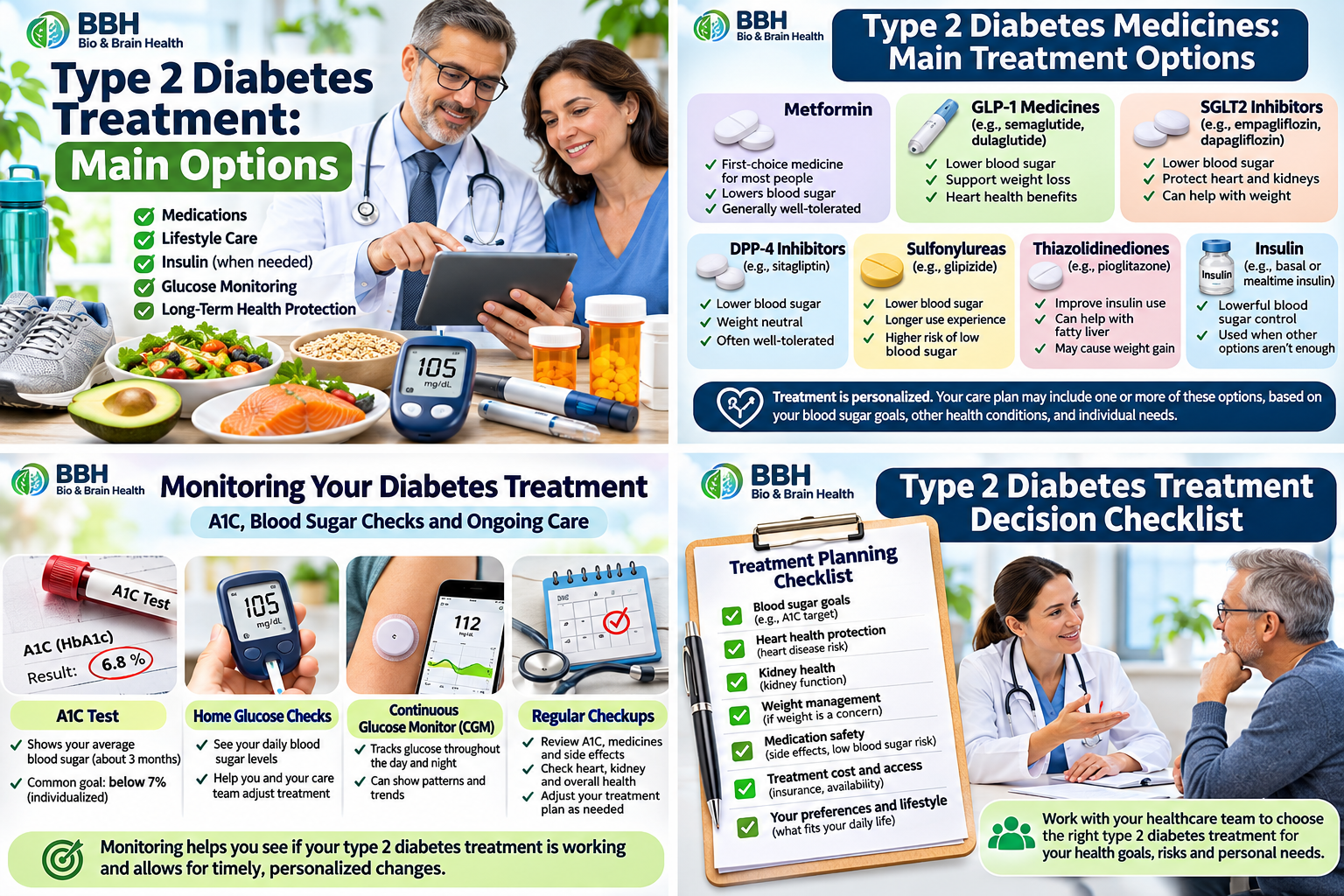
HbA1c estimates longer-term glucose exposure and is often checked periodically to assess treatment effectiveness. Individual targets vary; a common target for many adults is below 7%, while others require different goals due to age, health conditions or hypoglycemia risk.
A home blood glucose meter can help people using medicines that cause low glucose, while continuous glucose monitoring may be beneficial for selected insulin users and some others. Device access, personal preferences and insurance eligibility vary by country.
Time in Range and glucose patterns
For someone using a continuous glucose monitor, clinicians may discuss time in a personalized glucose range, meal-related rises and overnight patterns. A1C and CGM provide complementary information. A few readings do not tell the full story or automatically justify changing treatment.
Goals should also include being able to afford therapy, recognize side effects and follow the plan safely. available diabetes treatments should serve health outcomes rather than create an unsustainable tracking burden.
Related BBH reading: Can Type 2 Diabetes Go Into Remission?.
Weight Management and Diabetes Remission
When weight reduction is an appropriate goal, sustained changes in eating, activity, medication selection or specialist obesity treatment can support glucose outcomes. Intensive structured weight-management programs can help some people achieve type 2 diabetes remission, but this is not guaranteed.
Remission is generally defined as an A1C below 6.5% persisting for at least three months without glucose-lowering medicines. It is not the same as a cure, and periodic screening remains important even after successful remission.
Weight-neutral care is also important: people at lower body weights develop type 2 diabetes, and everyone deserves treatment without stigma. The best program is the one compatible with the person’s health conditions and ability to sustain it.
Cost, Insurance and Staying on Treatment
A treatment can be clinically effective yet difficult to sustain because of cost, availability, injection burden or side effects. US insurance formularies, prior authorization, copayments and discount programs vary. Clinicians can often help explore affordable alternatives without compromising essential safety.
Generic medicines, combination products and different dosing frequencies may affect affordability. A pharmacist can also check interactions and administration details. Do not split, ration or stop medication without discussing a safer plan with your care team.
Medication adherence is not simply willpower. Practical barriers include shift work, caregiving responsibilities, pharmacy access, language, health literacy and side effects. Discussing barriers openly can improve the plan.
Type 2 Diabetes Treatment in the USA, UK, Australia and Canada
| Country | Guidance used | Key practical point |
|---|---|---|
| USA — primary | ADA Standards of Care 2026 | Individualized glucose and weight care plus cardiovascular/kidney protection based on comorbidities |
| United Kingdom | NICE NG28, updated February 2026 | Comorbidity- and risk-guided medication choices, affordability and shared decision-making |
| Australia | Australian Diabetes Society glycaemic algorithm, September 2026 | Locally recommended sequencing and access under Australian prescribing arrangements |
| Canada | Diabetes Canada clinical practice guidelines and 2024 pharmacologic update | Person-centred medication selection with cardiovascular and kidney risk considerations |
National guidelines and funding arrangements can produce different treatment pathways even when the scientific evidence overlaps. Someone in the UK may face different eligibility rules than a patient under US insurance, and drug availability may change across Australia and Canada.
A type 2 diabetes treatment guide should therefore distinguish the clinical rationale for a medicine from its price, reimbursement and formal product indication in each region.
Special Situations: Pregnancy, Older Age and Complex Conditions
Pregnancy and pregnancy planning
Many diabetes medicines are not appropriate during pregnancy or while trying to conceive. People who may become pregnant need medication review before conception where possible, along with individualized glucose targets and specialist obstetric care.
Older adults and frailty
Older people with falls, cognitive difficulties, multiple illnesses or limited life expectancy may benefit from simpler medicine schedules and less stringent glucose goals to avoid hypoglycemia or treatment burden. A lower A1C is not always better if achieving it causes harm.
Chronic kidney disease and liver disorders
Kidney or liver conditions can change medication eligibility, dosing and monitoring. Some therapies have organ-protective evidence while others accumulate or increase risks in advanced disease. This is a reason for specialist review, not self-adjustment.
Mental health and diabetes distress
Managing appointments, diet and medications can be stressful. Supportive education, counseling and realistic routines may help. Distress should not be framed as lack of discipline; mental wellbeing is part of health care.
Related BBH reading: Low Blood Sugar: Symptoms and Treatment.
Hypoglycemia, Side Effects and Sick-Day Safety
Low blood glucose is more likely with insulin or certain insulin-stimulating medicines. Symptoms can include shaking, sweating, hunger, confusion or palpitations. Someone who can safely swallow should follow their personalized fast-acting carbohydrate treatment plan. Severe confusion, seizure or inability to swallow is an emergency.
High glucose during illness can also become dangerous. Repeated vomiting, dehydration, severe abdominal pain, deep or rapid breathing, extreme drowsiness or confusion require prompt urgent evaluation. People taking SGLT2 inhibitors should know that ketoacidosis may occasionally occur without unusually high glucose.
A Practical Checklist for Choosing Treatment
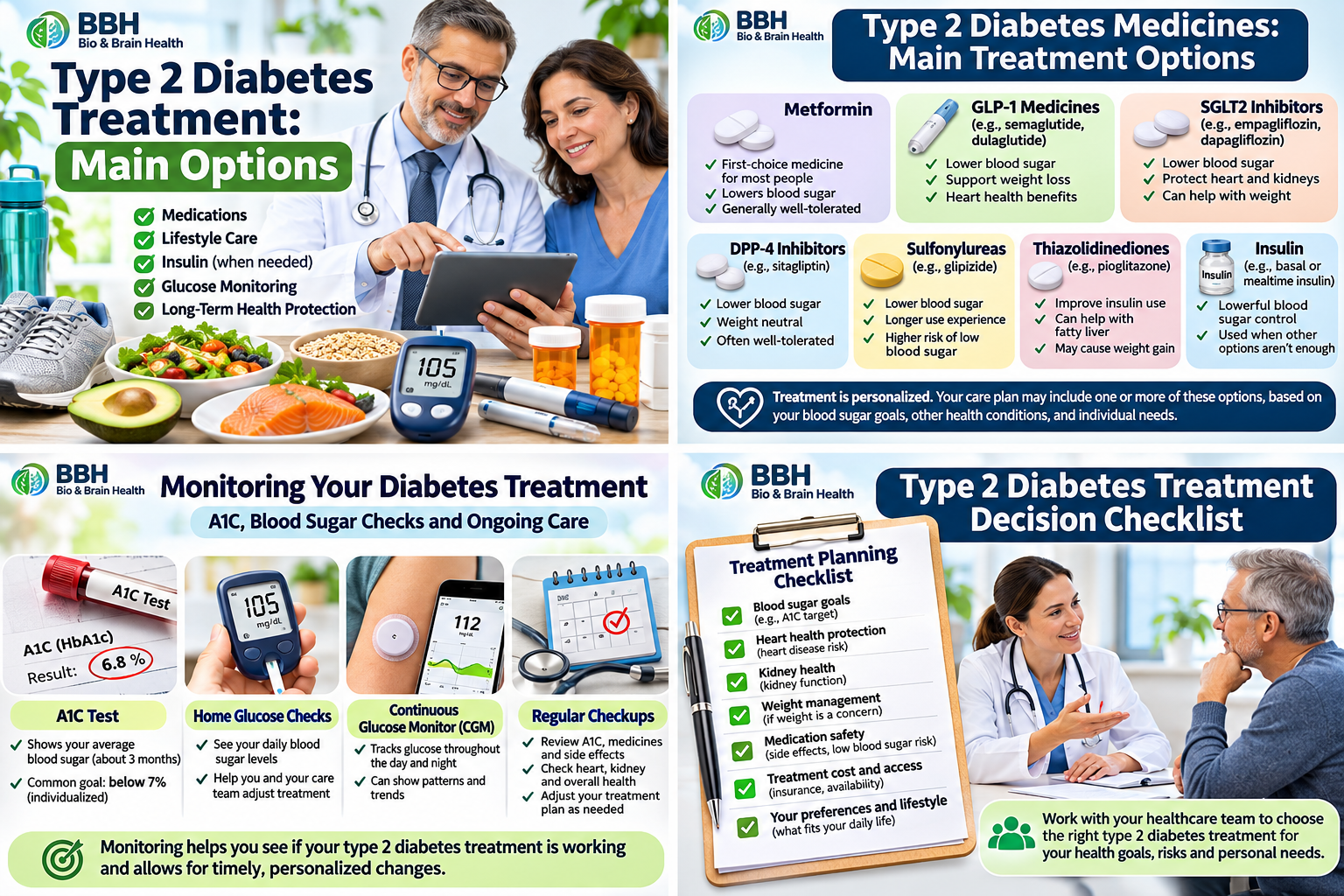
Before an appointment, gather the current medicine list, recent glucose or A1C results, insurance or affordability concerns, any history of heart failure or kidney disease and the symptoms that affect daily living. Ask the care team to explain the primary purpose of each medicine.
| Question to discuss | Why it matters |
|---|---|
| What is my personalized A1C or glucose goal? | Avoids applying the same target to every person |
| Do I need treatment with proven heart or kidney benefits? | May change medicine choice independently of A1C |
| What side effects or low-glucose risks should I know? | Makes treatment safer |
| How will we monitor kidney function and urine albumin? | Supports preventive care |
| What happens during illness, fasting or travel? | Helps prepare a sick-day plan |
| Can I afford and obtain the prescribed medicine? | Supports adherence and continuity |
The aim is a plan that balances efficacy, safety, daily functioning and individual goals. You can revisit this conversation as evidence, preferences or health circumstances change.
Common Myths and Important Treatment Gaps
Myth: Metformin must always be the first or only medicine
Metformin remains useful, but cardiovascular and kidney conditions may make other agents important early in care. Choice depends on the person and guideline context.
Myth: Normal A1C means heart and kidney risk is solved
Glucose is only one risk factor. Some medicines protect organs beyond their glucose effect, and blood pressure and cholesterol may still require treatment.
Myth: Starting insulin means failure
Insulin can be lifesaving when insulin supply is inadequate or glucose is severely elevated. It is a medical treatment, not a judgment.
Myth: Newer medicines have no adverse effects
All medicines require review of potential benefits, risks, contraindications, interactions and cost. A treatment effective for one person may not be suitable for another.
Myth: A special supplement can replace treatment
No vitamin, herb or supplement has been established as a universal replacement for evidence-based glucose-lowering or organ-protective therapy. Some products interact with medicines or offer uncertain doses.
Frequently Asked Questions About Type 2 Diabetes Treatment
What is the first treatment for type 2 diabetes?
There is no single first drug for everyone. Nutrition and education are ongoing, while medication selection depends on A1C, weight goals, heart and kidney conditions, preferences and access.
Are GLP-1 medicines better than metformin?
They serve different purposes. Some GLP-1 medicines offer substantial weight or cardiovascular benefits, whereas metformin remains effective and affordable for many. A clinician may use both or choose alternatives.
Can a person avoid insulin forever?
Some people do not need insulin, but others require it at diagnosis or later. Avoiding medically indicated insulin can be harmful.
What is the safest diabetes medicine?
Safety depends on kidney function, other conditions, other medicines and treatment goals. No drug is safest for everyone.
Can treatment lead to remission?
Some people achieve medication-free remission after sustained weight-management interventions, but remission is not guaranteed and screening should continue.
Do people need glucose monitoring if they do not use insulin?
Needs vary. Some people benefit from intermittent meter or sensor use, while others primarily use periodic laboratory assessment. The care team should explain the reason for monitoring.
Are treatment recommendations identical worldwide?
No. Evidence overlaps, but national recommendations, regulatory approvals, funding, drug costs and availability differ.
Related BBH Articles and Support
Research Sources and Medical Disclaimer
- American Diabetes Association, Standards of Care in Diabetes—2026: Pharmacologic Approaches
- ADA 2026 Pharmacologic Approaches — Full Text
- ADA 2026: Glycemic Goals and Hypoglycemia
- NICE NG28: Type 2 Diabetes in Adults, Updated February 2026
- Australian Diabetes Society: September 2026 Algorithm
- Diabetes Canada Clinical Practice Guidelines, 2024 Pharmacologic Update