Insulin Resistance: Causes and Management
Insulin Resistance: Signs and Treatment

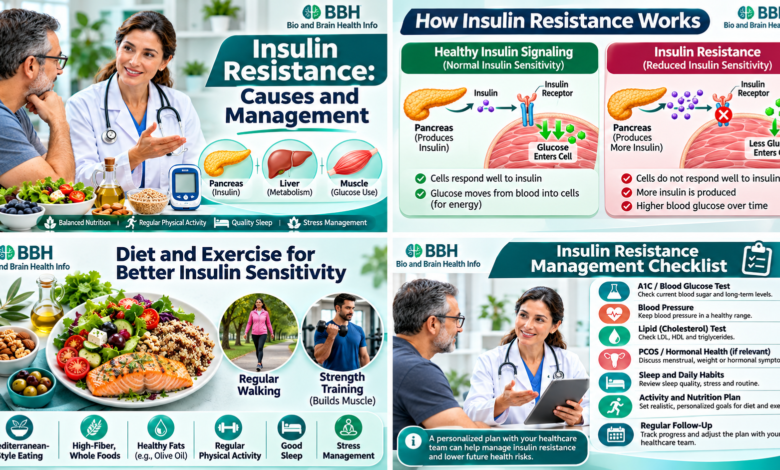
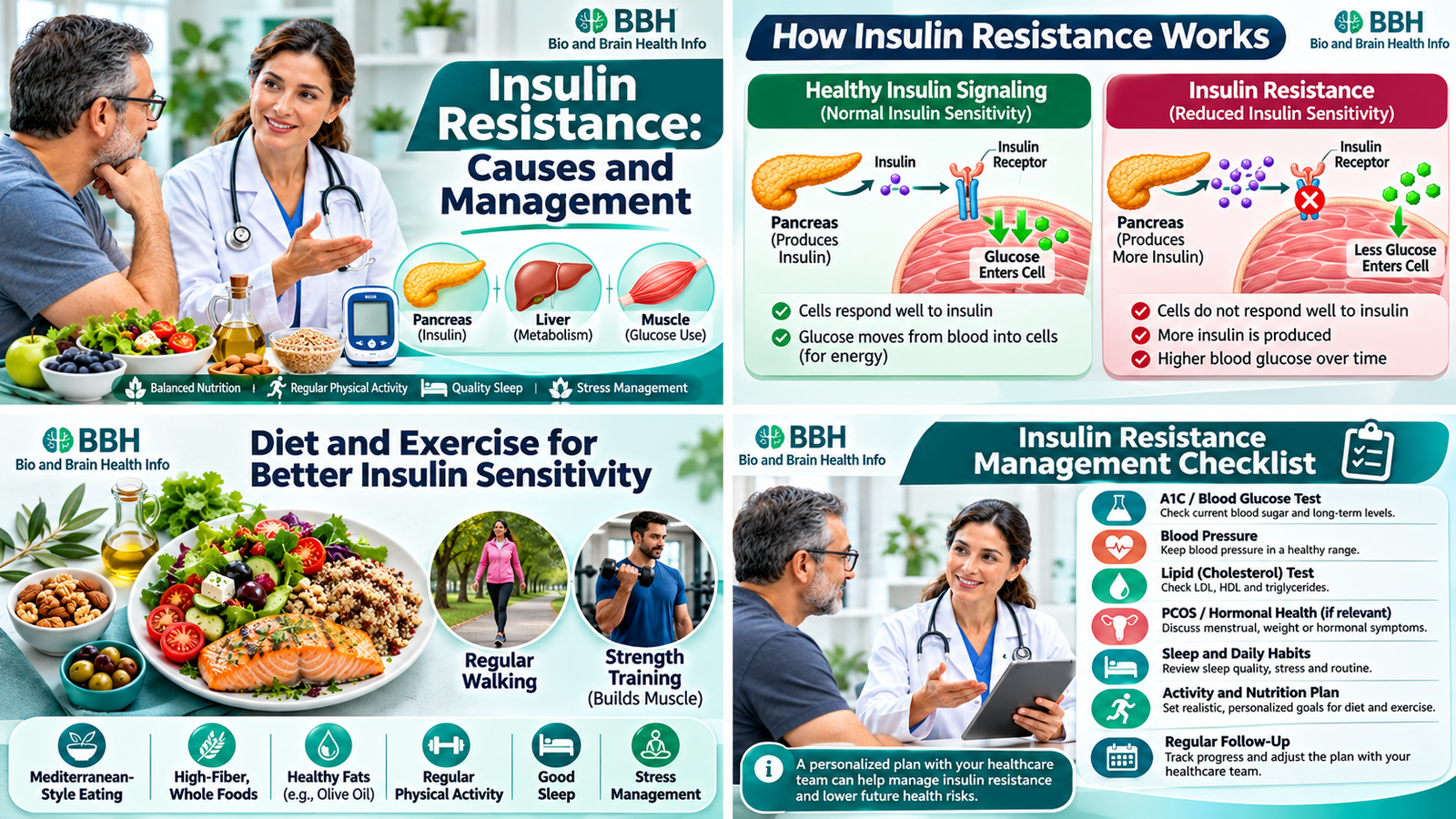
Insulin resistance occurs when cells in the muscles, liver and other tissues respond less effectively to insulin, a hormone that helps regulate blood glucose. The pancreas may compensate by making more insulin. Over time, if compensation becomes insufficient, blood sugar can rise into the prediabetes or type 2 diabetes range. This process is common, complex and often develops before a person notices a problem.
Thank you for reading this post, don't forget to subscribe!This evidence-based guide explains causes of reduced insulin sensitivity, reduced insulin sensitivity symptoms, risk assessment, healthy eating, physical activity, weight-related considerations and medical treatment. We prioritize US recommendations from the American Diabetes Association, CDC and NIDDK, with practical comparisons for the UK, Australia and Canada. The goal is to explain what is known without promising an overnight cure or encouraging self-diagnosis.
Insulin Resistance: Causes and Management — Quick Answer
reduced insulin sensitivity is not the same as having diabetes, although it is an important part of the pathway to type 2 diabetes for many people. A person can have reduced sensitivity while glucose remains in the usual range because the pancreas is making enough insulin to compensate. Other individuals develop impaired fasting glucose or elevated A1C despite having no obvious symptoms.
Related BBH reading: Type 2 Diabetes: Symptoms, Causes and Treatment.
How Insulin Works in Muscles, Liver and Fat
After a meal, carbohydrate is digested and glucose enters the bloodstream. The pancreas responds by releasing insulin. In muscle cells, insulin helps stimulate glucose uptake; in the liver, it helps regulate glucose production and storage. Fat tissue also participates in metabolic signaling. These coordinated actions keep glucose within a healthy range.
Why the pancreas may work harder
When cells respond less effectively, more insulin may be needed to achieve a similar biological effect. The pancreas can sometimes increase production for years, but not indefinitely for everyone. Genetic predisposition, age and other metabolic stresses influence when glucose begins to rise.
The body’s response is not controlled by one switch. Muscle activity, liver fat, hormones, inflammation and sleep all interact. This explains why the most helpful approach usually addresses multiple habits and medical risk factors rather than one supplement or food.
Causes of Insulin Resistance: What Research Shows
There is no single cause that explains every case. Central or visceral fat accumulation, especially alongside reduced physical activity, is strongly associated with impaired insulin signaling. However, people of any body size can be affected. Family history and genetic predisposition also matter.
Other contributors include changes in hormone regulation, some medicines, aging-related shifts in muscle mass, long-term insufficient sleep and conditions such as obstructive sleep apnea. The NIDDK also identifies PCOS, Cushing syndrome and acromegaly among conditions that may be associated with reduced sensitivity.
Do stress and poor sleep cause it?
Chronic stress and disrupted sleep can influence appetite, activity, hormonal patterns and glucose control, but the relationship is complex. Improving sleep is valuable for overall health and may support metabolic goals. It should not be presented as a cure for hormonal disease or a substitute for medical assessment.
Certain prescribed medicines can affect blood glucose or insulin action, but the risks depend on the medicine and diagnosis. Never stop steroids, psychiatric medicines or any necessary treatment without discussing alternatives and monitoring with the prescriber.
Risk Factors: Who Should Consider Screening?
| Risk factor or clinical finding | Why it matters |
|---|---|
| Close family history of type 2 diabetes | Inherited risk and shared environmental factors |
| Overweight, increased waist circumference, or visceral adiposity | Associated with metabolic dysfunction, though not required for it |
| Limited physical activity | Muscle tissue uses less glucose during inactivity |
| History of gestational diabetes or PCOS | Can signal increased future metabolic risk |
| Hypertension, low HDL or elevated triglycerides | Often cluster with reduced insulin sensitivity |
| Metabolic dysfunction–associated steatotic liver disease | Can coexist with reduced insulin sensitivity |
| Sleep apnea and certain endocrine conditions | May contribute to metabolic or hormonal disruption |
The ADA 2026 diagnostic guidelines advise risk-based testing, including adults with overweight or obesity and relevant additional risk factors. Screening thresholds vary by age, ancestry and clinical history. For example, ADA guidance recognizes a lower BMI threshold for assessing some adults of Asian ancestry; clinicians should apply current local standards.
Insulin Resistance Symptoms: Can You Feel It?
Most people cannot reliably identify reduced insulin sensitivity by symptoms alone. Often there are no obvious warning signs until prediabetes or diabetes develops. Thirst, frequent urination, blurry vision or unexplained weight loss can indicate significant hyperglycemia and deserve prompt testing.
Acanthosis nigricans and skin tags
Some people develop darker, thicker, velvety skin, particularly around the neck or underarms, called acanthosis nigricans. Skin tags can also accompany metabolic risk. These findings are not diagnostic by themselves, and other causes of skin change are possible.
Are fatigue and cravings reliable clues?
Fatigue, hunger after eating and cravings are nonspecific. They can reflect sleep quality, stress, eating patterns, medications, anemia or other conditions. Assigning them automatically to metabolic dysfunction may delay appropriate medical care.
Persistent symptoms or a family history of diabetes merit an appropriate clinical discussion rather than home testing kits marketed as definitive insulin-sensitivity tests.
Related BBH reading: HbA1c Test: Levels, Results and Meaning.
Diagnosis: Blood Tests and Medical Assessment
Clinicians commonly use A1C, fasting plasma glucose or an oral glucose tolerance test to detect prediabetes or diabetes. These assess blood glucose status—not a direct measurement of insulin sensitivity. In routine primary care, measuring fasting insulin or calculating HOMA-IR is usually not necessary to make decisions about diabetes prevention.
| Common US screening test | Prediabetes range | Diabetes range |
|---|---|---|
| A1C | 5.7%–6.4% | 6.5% or higher |
| Fasting plasma glucose | 100–125 mg/dL | 126 mg/dL or higher |
| Two-hour 75-g OGTT | 140–199 mg/dL | 200 mg/dL or higher |
In the absence of unequivocal hyperglycemia, a diabetes diagnosis usually requires confirmation according to professional standards. Results may differ when anemia, pregnancy, kidney disease or hemoglobin variants affect test interpretation. UK, Australian and Canadian thresholds or preferred diagnostic pathways may differ, so local laboratory interpretation matters.
A medical review may additionally include blood pressure, lipid profile, waist measurements, medication history, liver tests where appropriate and sleep-related symptoms. These findings guide cardiovascular risk reduction even if the glucose result is still normal.
Related BBH reading: Prediabetes: Symptoms, Tests and Prevention.
Insulin Resistance Versus Prediabetes and Type 2 Diabetes
Reduced insulin sensitivity refers to a biological mechanism. Prediabetes refers to elevated blood glucose that has not reached the diagnostic threshold for diabetes. Type 2 diabetes involves blood sugar above a clinical diagnostic threshold, usually arising from a combination of reduced insulin sensitivity and declining pancreatic insulin secretion.
A person can have one without a formal diagnosis of the other. The distinction prevents overdiagnosis and helps choose what needs follow-up. No single supplement or commercial “insulin test” can replace appropriate evidence-based screening.
For someone with prediabetes, the ADA 2026 Standards recommend structured prevention support rather than simply telling the person to “eat less.” Intensive programs can help build sustainable eating, activity and self-monitoring habits.
Exercise for Insulin Resistance: Aerobic and Strength Training
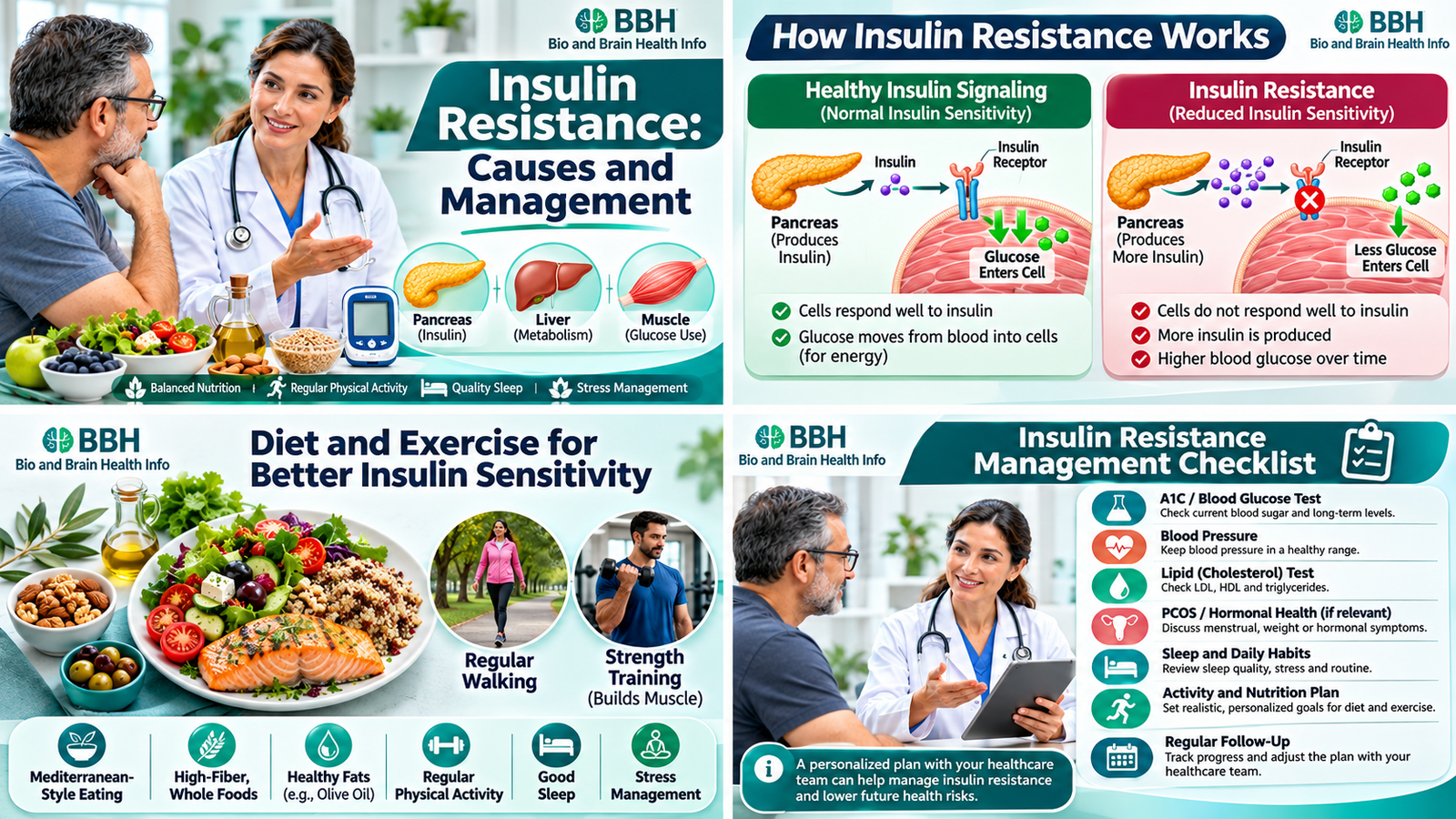
Physical activity is one of the best-supported strategies for improving glucose regulation. Working muscles can take up glucose during activity, and regular exercise supports insulin sensitivity over time. Both aerobic and resistance exercise contribute benefits, including improved strength and cardiometabolic fitness.
For adults at high risk of diabetes, ADA prevention recommendations commonly target at least 150 minutes per week of moderate-intensity activity when appropriate. Brisk walking, cycling, swimming, dancing or other enjoyable activities can count. People who have been inactive can begin gradually and increase activity based on their health and capacity.
Why resistance training matters
Building or preserving muscle helps the body manage glucose and maintain function. Suitable exercises may involve resistance bands, bodyweight movements or supervised weights. An individualized program is especially helpful for people with arthritis, heart conditions, neuropathy or physical limitations.
Does walking after meals help?
Light movement after eating can reduce prolonged sitting and may improve post-meal glucose patterns. It is a useful option, not a requirement for everyone. The best exercise plan is one that can be performed safely and repeated consistently.
Related BBH reading: Mediterranean Diet and Type 2 Diabetes.
Diet Patterns That May Improve Insulin Sensitivity
No single diet is proven to be the best choice for every person. Balanced patterns built around vegetables, legumes, whole grains, fruit, nuts, unsaturated fats and suitable protein sources can support glucose management and cardiovascular health. Mediterranean-style eating is one well-studied option.
Reducing excess sugar-sweetened drinks and highly processed foods, considering portion sizes and choosing fiber-rich carbohydrates can make meals more satisfying while supporting glycemic goals. People should not be told that all carbohydrates are harmful or must be eliminated.
Quality and context matter more than a miracle ingredient
Beans, oats, vegetables and whole fruit provide nutrients and fiber. The glucose effect of a meal depends on preparation, amount eaten and what accompanies it. A dietitian can help tailor choices around culture, cost, preferences and other medical conditions.
Extreme fasting, very low carbohydrate intake or rigid food rules may be inappropriate for pregnant people, those with eating disorder risk, and anyone taking insulin or other medicines with hypoglycemia or ketoacidosis concerns.
Weight, Waist Circumference and Metabolic Health
For adults with overweight or obesity who are at high risk of type 2 diabetes, the ADA 2026 prevention guideline recommends a structured lifestyle program aiming for at least 5%–7% weight reduction together with regular activity. These are population-level program targets, not instructions or a judgment of anyone’s worth.
Even small changes to physical fitness, blood pressure, food quality and sleep can be worthwhile independent of the scale. Waist circumference and body composition may help assess risk, but clinicians should consider ethnicity, sex, age, medical conditions and individual goals.
For those with prediabetes and a healthy weight range, prevention may emphasize regular activity and nutritious eating rather than pursuing weight loss. A clinician can help determine whether weight-focused treatment would be appropriate.
Sleep, Stress, Shift Work and Metabolic Health
Sleep duration, quality and timing influence many metabolic processes. People with sleep apnea, chronic sleep restriction or irregular schedules may experience higher glucose variability, fatigue and reduced capacity for exercise. Screening for sleep apnea may be appropriate when someone snores heavily or has excessive daytime sleepiness.
Stress-reduction practices, mindfulness, relaxation and manageable routines can support adherence and well-being, though they are not substitutes for evidence-based treatment of diabetes or endocrine conditions. The goal is to make beneficial habits feasible.
Shift workers may need a specially adapted plan for meal timing, rest and activity. A plan that ignores family responsibilities or work schedules is less likely to be sustained than one designed around everyday realities.
PCOS, Pregnancy and Hormonal Conditions
Polycystic ovary syndrome (PCOS) frequently coexists with reduced insulin sensitivity, although diagnosis and treatment involve more than one hormone or glucose test. Management may include appropriate nutrition, physical activity, evaluation of menstrual irregularity and individualized medical treatment.
Pregnancy naturally changes insulin requirements. Gestational diabetes screening follows pregnancy-specific rules, and people with a history of gestational diabetes face increased later type 2 diabetes risk. No one should use a weight-loss product or start a diabetes medicine during pregnancy based on an online article.
Rare endocrine conditions or marked reduced insulin sensitivity beginning at a young age can require specialist investigation. Persistent high glucose despite treatment, unusual physical findings or complex hormonal symptoms deserve professional evaluation.
Fatty Liver, Heart Risk and Metabolic Syndrome
reduced insulin sensitivity can occur alongside metabolic dysfunction–associated steatotic liver disease, elevated triglycerides, hypertension and low HDL cholesterol. The clustering is sometimes called metabolic syndrome. Importantly, the risk is broader than type 2 diabetes alone and can involve future cardiovascular disease.
A clinician may evaluate lipids, blood pressure, liver risk and tobacco use even in a person whose A1C remains below the prediabetes threshold. Comprehensive management includes sleep health, nutrition and physical activity as well as prescribed treatment for hypertension or abnormal cholesterol when needed.
Not everyone with fatty liver has reduced insulin sensitivity, and not everyone with reduced insulin sensitivity has fatty liver. These are related but not interchangeable diagnoses.
Related BBH reading: Metformin: Uses, Side Effects and Safety.
Medicines for Prediabetes and Insulin-Related Conditions
There is no universal prescription recommended solely because someone suspects reduced insulin sensitivity. In selected people at high risk of type 2 diabetes, a clinician may consider metformin for diabetes prevention, especially where ADA-defined risk factors support its use. Lifestyle intervention remains central.
For adults who already have type 2 diabetes, treatment may involve metformin, GLP-1 receptor agonists, SGLT2 inhibitors, insulin or other options, chosen according to glucose targets and conditions such as cardiovascular and kidney disease. These medicines are not interchangeable and require individual prescribing.
Treatment of PCOS, sleep apnea or another endocrine condition may also improve metabolic health in appropriate cases. The most useful medical plan addresses the actual diagnosis rather than chasing a laboratory insulin value.
Are Supplements Useful for reduced insulin sensitivity?
Online advertising often promotes cinnamon, berberine, chromium, detox products or “insulin reset” capsules. Research quality varies, formulations are inconsistent and none should be described as a proven replacement for approved diabetes care or structured prevention. Some supplements interact with medicines or have purity and safety concerns.
A person with a documented nutrient deficiency may benefit from appropriate replacement, but taking more than needed is not evidence of better insulin sensitivity. Laboratory testing and treatment should be guided by a clinician when symptoms or risk factors justify assessment.
Four-Week Practical Starting Plan
| Week | Practical focus | What to observe |
|---|---|---|
| 1 | Discuss screening needs; note daily walking, sleep and meals | Build a realistic baseline without judgment |
| 2 | Add short bouts of comfortable activity on most days | Comfort, energy and schedule barriers |
| 3 | Introduce appropriate resistance exercises and fiber-rich meals | Consistency, strength and food preferences |
| 4 | Review progress; identify one or two sustainable next steps | Adherence, symptoms and questions for healthcare team |
This example is flexible, not a medical exercise prescription. People with chest pain, unstable cardiovascular disease, severe neuropathy, significant mobility limits or insulin-treated diabetes may need individualized precautions. Small, repeatable changes are often more sustainable than trying to overhaul every habit overnight.
Use a calendar or simple habit tracker for actions under your control, not as proof of a biochemical cure. If symptoms develop or glucose readings are concerning, obtain medical advice rather than waiting for the end of the four weeks.
Monitoring Progress: What Should Change?
Longer-term monitoring may include glucose or A1C when indicated, blood pressure, lipids, waist size, sleep patterns and physical capacity. Improvement is not measured only by losing weight or obtaining a low fasting insulin result. Many health benefits occur through reduced cardiovascular risks and better functioning.
People with prediabetes may need periodic glucose reassessment, usually at least annually or more often based on clinical judgment. For others without abnormal screening, recommended intervals depend on age, history and changing risk. A doctor may tailor testing based on family history, PCOS or previous gestational diabetes.
If someone already takes diabetes medicines, do not independently stop treatment after several favorable readings. A1C and glucose trends are interpreted together with medications, symptoms and medical history.
USA, UK, Australia and Canada: Screening and Prevention
| Country | Useful clinical framework | Reader takeaway |
|---|---|---|
| United States — priority | ADA Standards of Care 2026, NIDDK and CDC | Risk-based screening, evidence-based lifestyle prevention, selected metformin use |
| United Kingdom | NHS, NICE and Diabetes UK | NHS prevention services, HbA1c pathways and lifestyle support |
| Australia | Diabetes Australia, Australian type 2 diabetes guidance | GP-led risk assessment, AUSDRISK-style screening and local prevention services |
| Canada | Diabetes Canada clinical practice guidance | Risk assessment and preventive care adapted to Canadian thresholds and coverage |
Definitions of high risk, reference ranges and screening intervals can differ. The US A1C and fasting glucose table above should not be copied directly as a diagnostic rule for every country or individual, particularly in pregnancy.
The broad message is shared internationally: identify people at risk, offer accessible physical activity and nutrition support, address sleep and associated conditions, and assess the need for medications based on individual medical findings.
Questions to Ask Your Clinician
| Question | Reason it matters |
|---|---|
| Do my A1C or glucose values suggest prediabetes? | Clarifies whether an established diagnostic category applies |
| Should I be screened for sleep apnea or PCOS? | Looks for associated treatable conditions |
| Are my blood pressure, cholesterol and liver risks being addressed? | Prevention reaches beyond diabetes |
| Would structured diabetes prevention support be useful? | Provides coaching and sustainable habit change |
| Do my medications affect glucose or appetite? | Allows safer review without self-discontinuation |
| When should I repeat blood tests? | Creates an individualized monitoring plan |
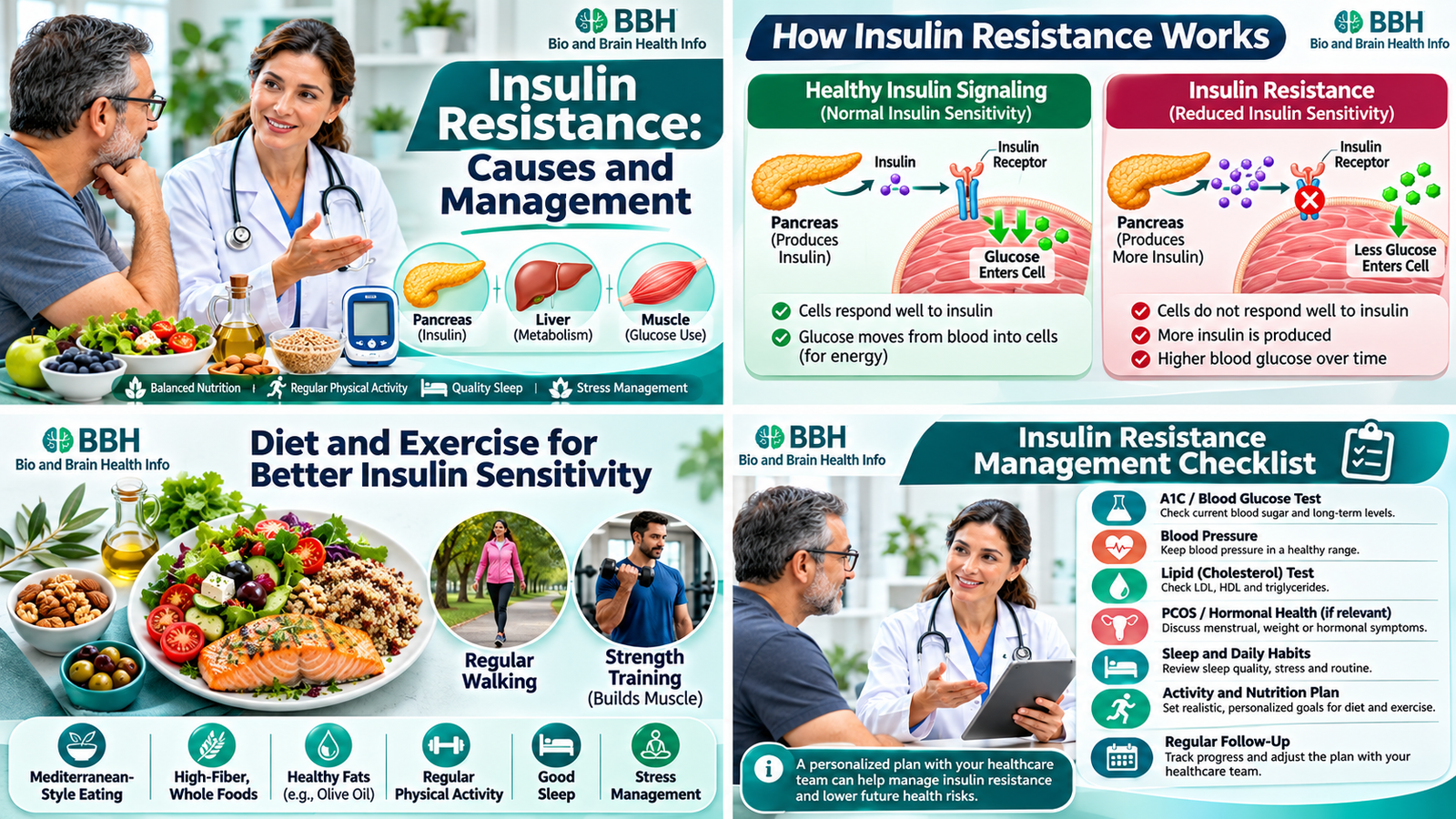
Bring an updated medication list and relevant family history. If possible, explain what has already been tried and what barriers exist, such as cost, caregiving, accessibility or shift work. A plan that fits your circumstances is more likely to help.
Common Myths About Insulin Sensitivity
Myth: Everyone with reduced insulin sensitivity has diabetes
No. The two are related but distinct. Blood glucose may remain in the normal range for years while the pancreas compensates.
Myth: Normal A1C proves perfect insulin sensitivity
A normal A1C does not directly measure insulin action. It is still a useful screening and monitoring test for glycemic status.
Myth: Only people with obesity can be affected
Genetic, hormonal, age-related and lifestyle factors mean reduced insulin sensitivity can occur at many body sizes.
Myth: Avoiding all carbohydrates is mandatory
Balanced food quality, fiber, overall dietary patterns and appropriate portions matter. Extreme restriction is not required for everyone.
Myth: A special supplement can reverse the condition quickly
Strong clinical evidence does not support guaranteed rapid reversal through proprietary detox products or unverified supplements.
Frequently Asked Questions About Insulin Resistance
What is the simplest explanation?
The body needs more insulin than usual to help cells respond to glucose. Over time, glucose may rise if the pancreas cannot compensate.
Can it occur with normal blood sugar?
Yes. Compensatory insulin production may keep fasting glucose and A1C within usual ranges.
What is the most useful test?
A1C, fasting glucose and sometimes an oral glucose tolerance test are used to assess prediabetes and diabetes, alongside clinical risk factors. A single fasting insulin value is not usually a standard diagnostic test.
Can walking help?
Regular movement, including walking, improves muscular glucose use and supports long-term cardiometabolic health.
Is metformin necessary for everyone?
No. Clinicians consider metformin for selected high-risk people or established medical indications, not as an automatic treatment for everyone.
Can PCOS be related?
Yes. PCOS commonly coexists with reduced insulin sensitivity and merits individual evaluation and care.
How quickly can things improve?
Activity can have immediate effects on glucose handling, while lasting metabolic and disease-risk changes depend on sustained habits and personal circumstances.
Does being tired after eating prove reduced insulin sensitivity?
No. Fatigue is nonspecific and may have many causes, including sleep problems, anemia, medication effects or elevated glucose.
Related BBH Diabetes Articles and Support
Research Sources and Medical Disclaimer
- NIDDK: reduced insulin sensitivity and Prediabetes
- CDC: reduced insulin sensitivity and Type 2 Diabetes
- ADA Standards of Care 2026: Prevention or Delay of Diabetes
- ADA Standards of Care 2026: Diagnosis and Classification
- ADA Standards of Care 2026: Healthy Behaviors
- Diabetes UK: reduced insulin sensitivity
- Australian NDSS: Type 2 Diabetes Education
- Diabetes Canada: Clinical Practice Guidelines