Diabetic Foot Care: Everyday Prevention
Diabetic Foot Care: Daily Safety Tips

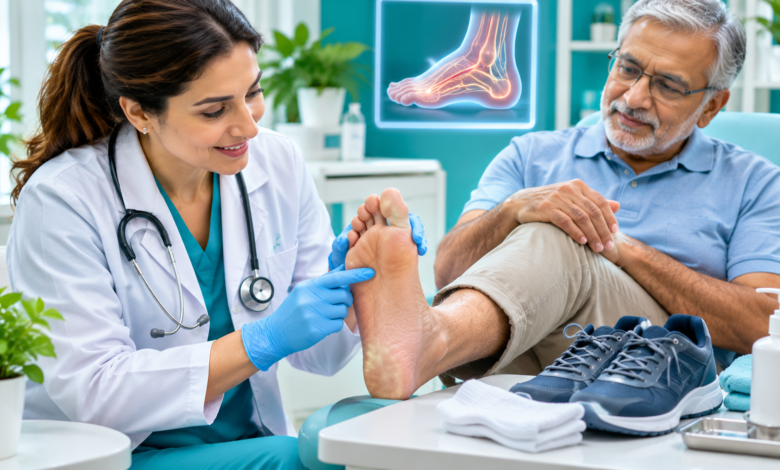
Diabetic foot care everyday prevention starts long before a sore or infection appears. People with diabetes may gradually lose protective feeling in their feet, develop poor circulation, or experience changes in foot shape. A small blister, burn, or repeated pressure from shoes can then become an injury that is difficult to heal—sometimes without causing much pain.
Thank you for reading this post, don't forget to subscribe!An effective foot-care plan does not need to be complicated. It needs to be consistent, adapted to individual risk, and connected to professional examinations. This BBH guide explains safer daily routines, footwear, early wound recognition, referral decisions and the evidence behind them. Its primary audience is in the United States, with notes for readers in the United Kingdom, Canada and Australia.
Why Is Diabetic Foot Care Everyday Prevention Important?
In diabetic foot care everyday prevention, understanding risk means recognizing that diabetes can increase the risk of foot ulceration through a combination of peripheral neuropathy (nerve dysfunction), peripheral artery disease (reduced blood flow), repetitive pressure, skin changes and infection. Loss of protective sensation is especially important: people may not feel a pebble inside a shoe, a burn from hot water or the discomfort of an ill-fitting seam.
Reduced blood circulation may delay healing and make infection harder to manage. Foot deformities, calluses and prior ulcers can concentrate pressure on vulnerable areas. Most importantly, a painless foot injury is not necessarily harmless. Early recognition and rapid care can help avoid a progression from minor injury to deep ulceration or severe infection.
The American Diabetes Association’s 2026 Standards recommend comprehensive foot evaluations at least once annually for everyone with diabetes, with more frequent follow-up for higher-risk people. The International Working Group on the Diabetic Foot (IWGDF) emphasizes regular inspection, appropriately fitted footwear and tailored professional care. These are preventive strategies, not guarantees against every complication.
Who Needs Extra Attention to Their Feet?
Anyone with diabetes benefits from understanding foot health, but risk rises if there is numbness, past ulceration, prior amputation, poor circulation, kidney disease, foot deformity, heavy callus, visual impairment or difficulty bending to inspect the soles. Smoking and difficulty accessing preventive services can create additional challenges. A person who has had an ulcer before needs closer monitoring than someone with fully intact sensation and circulation.
Signs of neuropathy include tingling, burning, electric-shock sensations and reduced awareness of temperature or injury. However, many people with advanced loss of sensation have no pain at all. See Diabetic Neuropathy: Symptoms and Care for a fuller explanation of the different nerve disorders.
Diabetic Foot Care Everyday Prevention: Your Daily 3-Minute Routine
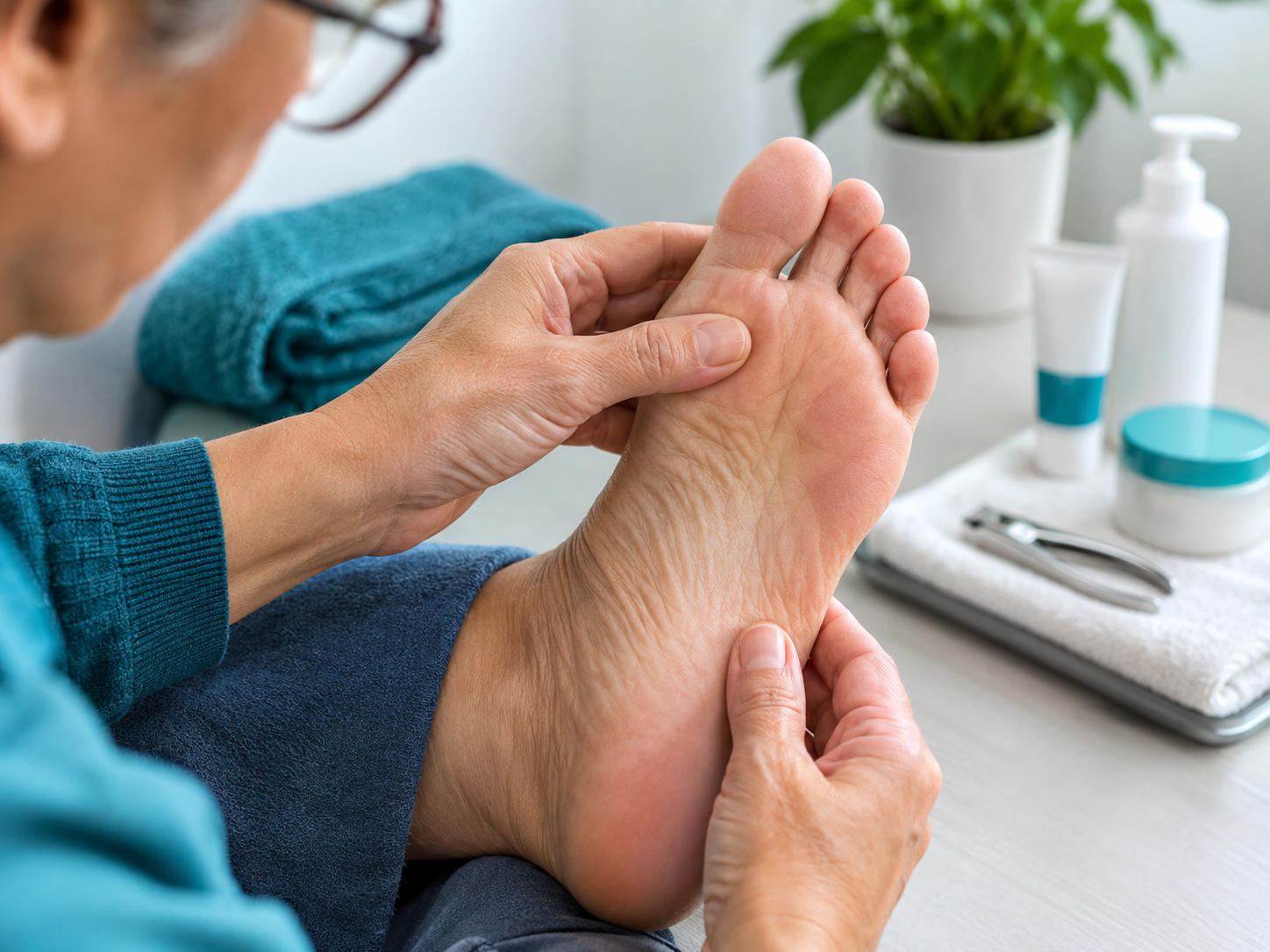
Choose a predictable moment—after bathing, before putting on shoes, or while preparing for bed. Inspect the tops and soles of both feet, heels, sides, between the toes, toenails and pressure points. Use a mirror or phone camera if you cannot see underneath; a caregiver may help with your permission. Look for blisters, redness, cracks, unusual swelling, discoloration, wet skin, cuts, calluses and drainage.
Notice whether one foot appears noticeably warmer or larger than the other. Unusual heat and swelling may occur with infection or a condition called acute Charcot neuro-osteoarthropathy, which can damage joints and bones. Do not rely on pain to decide whether a change is serious. Keep a brief note or photograph for communicating with the clinician, but do not delay assessment to collect more images.
Before putting on footwear, feel inside both shoes for objects, sharp edges, loose insoles or folded lining. Choose clean socks without tight bands or prominent seams. A check that takes only a few minutes can reduce exposure to pressure and accidental injury.
Washing, Moisturizing and Toenail Care
Wash feet gently with lukewarm water and mild cleanser, then dry carefully—especially between toes. If sensation is reduced, use a hand or thermometer rather than testing bathwater with the feet. Prolonged soaking can soften and damage fragile skin and is generally best avoided for those at risk.
A non-irritating moisturizer may reduce dryness and cracks on the tops, heels and soles. Avoid applying cream between toes where excess moisture can encourage skin breakdown or fungal infection. Do not use heating pads, hot-water bottles or harsh chemical corn treatments on numb feet.
Trim nails straight across and smooth sharp corners only when safe to do so. If nails are thick, ingrown or difficult to reach, or if circulation or sensation is poor, professional podiatry care is safer than aggressive home trimming. Do not use razors, scissors or callus-removal acids to cut away corns. A callus can be a marker of excessive pressure that deserves professional assessment.
Footwear That Helps Prevent Diabetes-Related Injuries
Diabetic foot care everyday prevention also depends on shoes: protective footwear should fit the foot’s length, width and shape without squeezing or allowing excessive friction. The toe box should have adequate room, the heel should remain secure, and the sole should reduce irritation and impact. Try shoes with the socks you usually wear, check their fit while standing, and inspect feet after wearing new footwear for short periods.
People with loss of protective sensation should generally avoid barefoot walking, including inside the home, because a sharp object or hot surface may go unnoticed. Flip-flops, very narrow shoes and footwear with hard internal seams may be unsafe for some people. Inspect the interior every time you put shoes on.
Special therapeutic footwear or custom insoles may be recommended for people with high ulcer risk, deformity, pressure points or a history of ulceration. These products should be assessed and fitted by qualified professionals: not everyone with diabetes needs an expensive special shoe. If you already have an ulcer, ordinary “comfortable” shoes may be insufficient because pressure reduction—called offloading—often requires prescribed devices.
Diabetic Foot Screening: What Clinicians Should Check
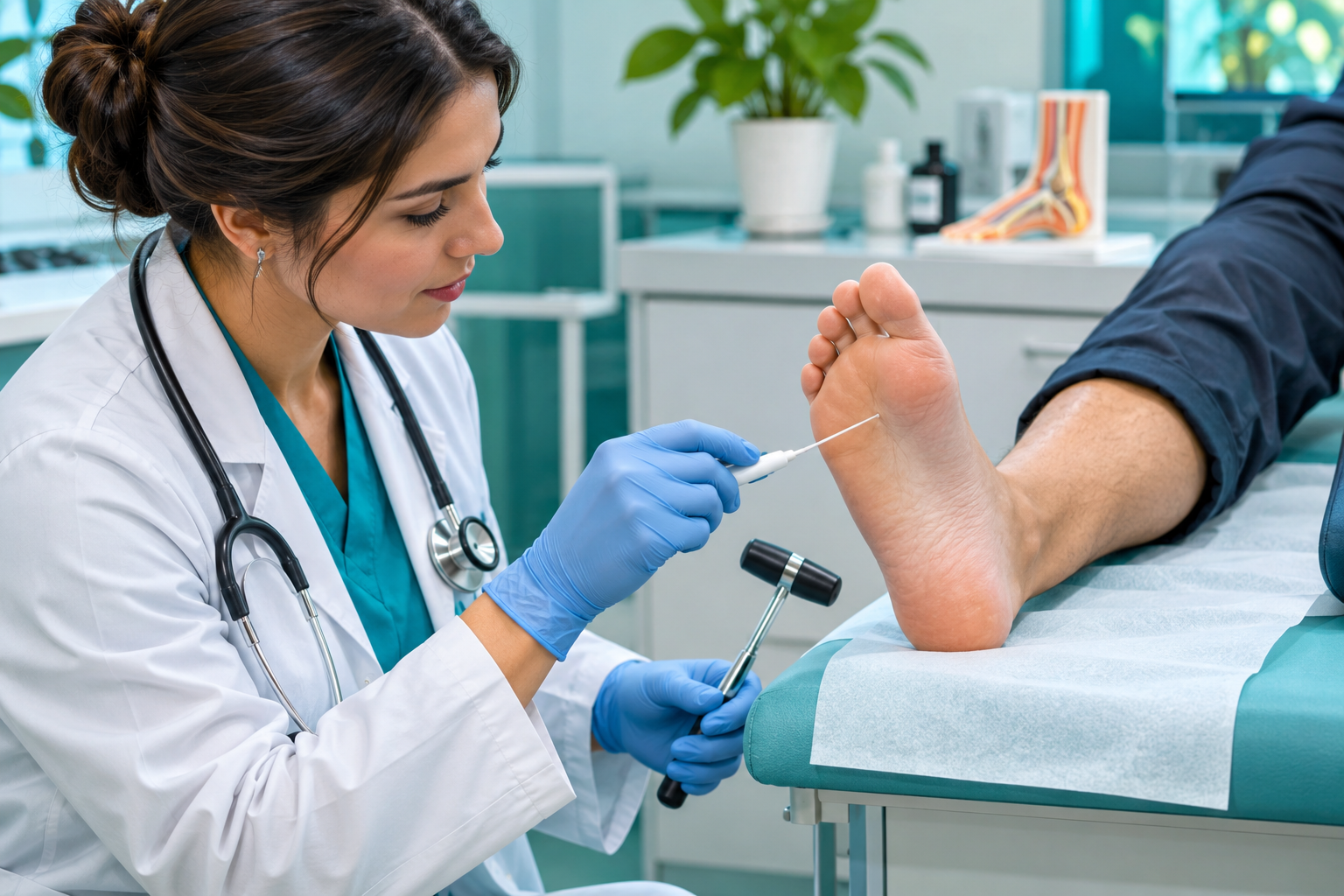
A key part of diabetic foot care everyday prevention is a scheduled examination: the ADA recommends at least an annual comprehensive foot examination. This generally includes skin and nail inspection, deformity assessment, neurological testing for protective sensation, and assessment of circulation including foot pulses. A 10-gram monofilament test—or an accepted alternative such as the Ipswich touch test—should be combined with at least one other assessment such as vibration, pinprick or temperature as clinically appropriate.
A monofilament check is useful for finding significant loss of protective sensation, but a normal result does not rule out every early nerve problem. Circulation findings may prompt ankle-brachial index or other vascular testing; interpretation can be more complex in diabetes because calcified arteries may affect measurements.
| Foot-risk pattern | Typical clinical follow-up |
|---|---|
| No known loss of sensation or arterial disease | At least annually |
| Loss of protective sensation or peripheral artery disease | Often every 6–12 months |
| Higher risk, such as combined problems or deformity | Often every 3–6 months |
| Previous ulcer or amputation / very high risk | Often every 1–3 months |
These intervals reflect broad risk-based recommendations and can change with active disease or local clinical pathways. Your clinician should document your foot-risk classification and next visit date. If you are unsure whether a comprehensive examination occurred, ask which sensation, circulation and skin checks were performed.
Nerve Damage, Circulation Problems and Charcot Foot
Neuropathy and peripheral artery disease can coexist, but they are not identical. Neuropathy reduces feeling and may affect balance or foot shape. Peripheral artery disease reduces the delivery of blood to tissues and can cause leg pain when walking, rest pain, cool skin, poor pulses or delayed wound healing. In diabetes, some patients do not experience typical walking pain, making examination important.
Acute Charcot foot deserves special attention. It may present with one foot that becomes warm, red and swollen in a person with neuropathy, sometimes without an open wound or much pain. This is not a situation to “walk it off.” Prompt foot-specialist assessment and avoiding weight-bearing until evaluated can prevent further structural injury. Other conditions such as gout, fracture and infection can look similar and also need evaluation.
Medical Safety Box: Urgent Diabetic Foot Warning Signs
What to Do If You Find a Blister, Cut or Foot Ulcer
Stop activity that is rubbing or putting pressure on the injured area. Do not intentionally burst blisters. For a small superficial cut, gentle cleaning and a clean protective dressing may be reasonable while arranging prompt clinical guidance, but a person with neuropathy, poor blood flow or a previous ulcer should not treat the problem as routine home first aid. Deep, infected or nonhealing injuries need professional wound evaluation.
Clinicians may assess wound depth, infection, blood flow and pressure sources and develop a plan that can include offloading, wound dressings, debridement when appropriate, antibiotics for a diagnosed infection, and vascular or surgical evaluation. Antibiotics are not routinely appropriate for an uninfected ulcer. Do not begin leftover antibiotics or remove tissue yourself.
Photographs can document progress but cannot determine whether bone infection, poor circulation or a serious infection is present. Request an explicit review date, referral pathway and instructions for what to do if the foot becomes redder, more swollen, painful or warm.
Walking, Exercise and Diabetic Foot Safety
Diabetic foot care everyday prevention should support safe movement. Physical activity is valuable for glucose control, cardiovascular health and mobility. For people without active foot problems, walking and other comfortable activities may be appropriate. Those with substantial neuropathy, deformities or past ulcers should discuss footwear, balance, pressure and safe activity choices. Alternative exercises that reduce foot loading may be preferable during some injuries.
Gradually increase activity, inspect feet after unfamiliar exercise, and stop when new redness, swelling or skin breakdown occurs. If an active ulcer or suspected Charcot foot is present, follow a professional offloading plan rather than an internet walking challenge. Exercise-related glucose lows may also need planning for insulin users; see Exercise and Blood Sugar: Safety Tips.
Diabetic Foot Care Everyday Prevention: A Sustainable Weekly Plan
Daily: check feet, wash and dry safely, inspect shoes, wear suitable socks and footwear, and note any new skin changes. Weekly: review whether a pair of shoes causes redness or pressure, check supplies and revisit any recurring callus or nail issue. At regular diabetes appointments: discuss glucose patterns, blood pressure, cholesterol, tobacco use, mobility and kidney health. Keep the date of your last clinical foot exam and risk category in your records.
Consider an easy five-column checklist: Date, Skin or nail changes, Footwear pressure, Symptoms or temperature difference, Action taken. The goal is spotting meaningful changes early, not obsessively checking an unchanged foot many times each day.
People with vision difficulties, arthritis, limited mobility or cognitive challenges may need a mirror, a comfortable inspection position or assistance from a family member or caregiver. If food insecurity or financial barriers make recommended footwear hard to access, tell the care team; suitable options and referral programs may be available. Foot prevention is stronger when the routine is realistic for the person carrying it out.

Content Gaps: Important Things Other Foot-Care Guides May Miss
A painless wound may carry more risk than a painful one
An absence of discomfort is not always reassuring when protective sensation has been lost. Readers may search for diabetic foot pain and miss the more important signs of numbness, callus, temperature asymmetry or an unnoticed blister. The correct response depends on injury and circulation risk, not pain intensity alone.
More expensive footwear is not automatically more protective
Proper fit and pressure distribution matter more than marketing claims. A person with a prior ulcer may need custom devices and clinical assessment, while lower-risk individuals may only need well-fitting ordinary shoes. Footwear should be judged by clinical needs and skin response.
Foot temperature monitoring is for selected higher-risk people
IWGDF guidance suggests that some individuals at moderate or high ulcer risk may benefit from structured daily foot temperature monitoring, using a validated approach and professional instructions. It is not a universal requirement and does not replace examination or prompt evaluation of a hot swollen foot.
A cosmetic pedicure is not medical podiatry
Cutting calluses, scraping thick skin or aggressive nail treatment can injure insensate feet. People with poor circulation or high-risk feet should discuss nail and callus management with a qualified foot-care professional rather than assuming salon care is appropriate.
Prevention requires a reliable follow-up system
It is useful to know the foot-care instructions, but missed referrals, unclear wound ownership and unaffordable supplies may undermine prevention. A better plan includes the name of the clinician responsible, the next scheduled review, what symptoms require urgent contact, and how to obtain supplies or protective shoes.
Foot-Care Guidance in the USA, UK, Canada and Australia
United States: ADA 2026 guidance supports annual comprehensive examinations with more frequent high-risk follow-up, while podiatry and therapeutic-footwear coverage depend on individual eligibility and insurers. Ask about diabetes self-management education and covered referral pathways.
United Kingdom: NICE guidance requires rapid assessment and referral for active diabetic foot problems, and NHS pathways use risk categories. A new ulcer or suspected Charcot foot should not be left until the next annual review.
Canada: Diabetes Canada and provincial care systems support structured foot examinations and risk assessment. Local access to podiatry, chiropody and specialized services varies. Confirm whether your care plan identifies your risk level.
Australia: The National Diabetes Services Scheme and Australian diabetes foot-care services support screening, education and high-risk foot referrals. Community pathways and eligibility may vary by location; request a plan adapted to your specific circumstances.
Frequently Asked Questions About Diabetic Foot Care
Should everyone with diabetes check their feet every day?
Daily inspection is especially important for people with reduced feeling, circulation problems or other foot-ulcer risks. A clinician can recommend a routine based on personal risk.
How often is a professional diabetic foot exam needed?
At least annually under ADA guidance, with more frequent evaluations for people with neuropathy, peripheral artery disease, foot deformity, past ulcers or amputation.
Can diabetic foot ulcers happen without pain?
Yes. Loss of protective sensation means an ulcer, blister or burn may not hurt.
Is moisturizing between toes safe?
Excess moisture between toes is usually best avoided; moisturize dry tops, heels and soles while drying carefully between the toes.
Can I cut a callus myself?
If you have diabetes-related neuropathy, poor circulation or other foot risk, avoid sharp callus removal and chemical corn treatments; seek appropriate professional care.
Do I need special diabetic shoes?
Not necessarily. People with high-risk feet, deformities or prior ulcers may benefit from professionally fitted therapeutic footwear.
Why is one foot warm and swollen?
Infection, injury, gout and Charcot changes are possibilities. A newly hot swollen foot in someone with neuropathy needs urgent clinical evaluation.
What should I do if I find a foot blister?
Avoid friction or pressure and obtain prompt advice, particularly if feeling or blood flow is reduced. Do not pop it yourself.
Is walking good for diabetic neuropathy?
Appropriate activity can support health, but balance, skin integrity, foot deformity and ulcer status should guide exercise choices.
Does a normal A1C rule out foot problems?
No. Foot risk depends on current and past glucose exposure, sensation, circulation, deformities and prior injuries.
What if I cannot see the soles of my feet?
Use a mirror or phone camera or ask for help, and discuss adaptive inspection methods with your diabetes or podiatry team.
Can foot-care creams cure neuropathy?
No cream reliably reverses diabetes-related nerve damage. Moisturizers can support skin care but are not a substitute for neurological or vascular assessment.
Five Related BBH Guides and Support
Evidence-Based Sources and Medical Disclaimer