Diabetes and Gum Disease: Oral Health
Diabetes and Gum Disease: Signs and Care

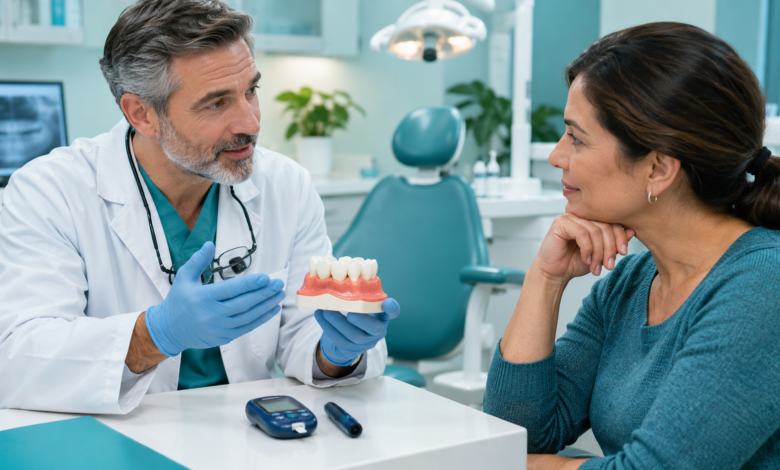
Diabetes and gum disease have an important two-way relationship. Living with diabetes can increase the risk of inflamed gums and periodontal disease, while serious gum inflammation can make diabetes management more challenging. Bleeding gums, persistent bad breath or loose teeth should never be dismissed as merely cosmetic.
Thank you for reading this post, don't forget to subscribe!The encouraging news is that dental assessment, appropriate periodontal treatment, regular brushing and cleaning between teeth can protect oral health. Research also suggests that treating periodontitis may modestly improve average blood glucose levels in people with diabetes. That does not make dental care a replacement for prescribed diabetes treatment.
This BBH educational guide focuses primarily on US evidence from the American Diabetes Association, the American Dental Association, the CDC and the NIH, while adding practical guidance for the UK, Canada and Australia. It also addresses neglected questions such as dental visits for insulin users, medication-related dry mouth, dental costs and when oral infection becomes urgent.
Diabetes and Gum Disease: Why Oral Health Matters
Gum disease, also called periodontal disease, involves inflammation and infection in the tissues supporting the teeth. Bacterial plaque accumulates around the gumline, and the immune response can damage gum tissue and—in more advanced disease—the bone supporting teeth. Poorly controlled blood glucose may increase susceptibility to infection and affect healing and inflammatory responses.
The relationship is not deterministic. Not everyone with diabetes develops gum disease; gum disease also occurs in people without diabetes. Smoking, oral hygiene, genetics, age, access to dentistry and some medicines influence risk. A professional diagnosis depends on a dental examination rather than an isolated blood sugar result.
The US CDC identifies periodontal disease as an important oral-health concern in diabetes. The American Diabetes Association’s 2026 Standards also recognize that periodontal disease can adversely affect diabetes outcomes and that treatment may improve glycemic measures. This supports making oral health part of routine diabetes care rather than treating it as an unrelated topic.
Diabetes and Gum Disease Symptoms: What to Notice
Early gum inflammation may cause redness, swelling or bleeding when brushing or flossing. Other signs include persistent bad breath, tender gums, recession that makes teeth appear longer, spaces opening between teeth, sensitivity, discomfort when chewing or a change in how dentures fit.
More advanced periodontitis can result in loose teeth and loss of supporting bone. However, gum disease may develop quietly, especially when a person rarely visits a dental professional. The absence of bleeding or pain is not proof that the gums and bone are healthy.
Look for persistent bleeding rather than treating it as a reason to avoid brushing. Bleeding may have more than one cause—such as vigorous brushing, medicines affecting bleeding or an underlying dental condition. A dentist can assess the cause and recommend safe techniques.
Gingivitis vs Periodontitis: Key Differences
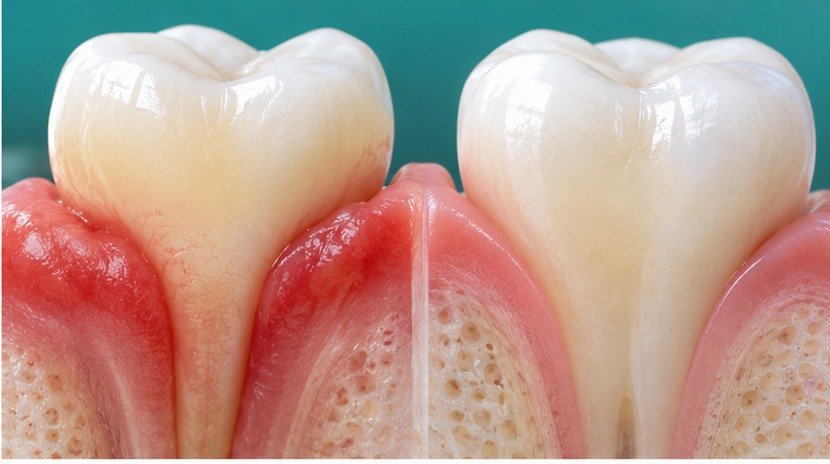
Gingivitis refers to inflammation of the gums without the irreversible attachment and bone loss that defines periodontitis. With effective plaque control and professional care, gingivitis is usually reversible. Periodontitis, by contrast, can destroy the tissues and bone supporting teeth. Treatment can control inflammation and limit progression, but lost supporting structures do not always return spontaneously.
| Feature | Gingivitis | Periodontitis |
|---|---|---|
| Typical problem | Inflamed or bleeding gums | Inflammation plus loss of attachment or bone |
| Symptoms | Redness, swelling, bleeding | May include recession, deeper pockets, tooth mobility |
| Reversibility | Usually reversible with proper treatment | Can be stabilized; structural damage may persist |
| Assessment | Gum examination and plaque review | Periodontal probing, attachment measures and possibly X-rays |
| Treatment | Home plaque control and professional cleaning | Subgingival instrumentation, maintenance, sometimes surgery |
A dentist or periodontist can distinguish these conditions. A patient should not infer the severity of periodontitis from how much blood appears on the toothbrush or from a photograph found online.
Why Diabetes and Gum Disease Affect Each Other
Persistent hyperglycemia may alter immune and inflammatory responses and increase vulnerability to periodontal breakdown. Chronic periodontitis, in turn, adds inflammatory burden and can be associated with less favorable glucose control. Researchers describe this as a bidirectional relationship, although the exact biology is complex and not every study establishes cause and effect.
This does not mean bacteria from the mouth automatically cause diabetes, or that a person can “cure” type 2 diabetes by having a deep cleaning. A more accurate message is that periodontal care is one worthwhile component of comprehensive diabetes management—alongside medicines, blood-pressure management, appropriate nutrition and physical activity.
Consider the bigger picture using BBH’s Diabetes Treatment Goals: Individualized Care guide. Better care means managing multiple risks safely, not chasing the lowest possible glucose number.
Can Treating Gum Disease Improve HbA1c?
A Cochrane review of randomized trials found that periodontal treatment using subgingival instrumentation was associated with a mean reduction in HbA1c of approximately 0.43 percentage points at three to four months compared with no active treatment or usual care. Benefits varied across studies and time points. This is meaningful evidence but not a guarantee that an individual patient’s A1C will fall by a particular amount.
Professional periodontal treatment also aims to reduce bleeding, pocket inflammation and the likelihood of further tooth-supporting tissue loss. Even when glucose metrics do not visibly improve, treating dental disease has an independent purpose: preserving comfort, chewing ability, function and teeth.
What Happens During Gum Disease Screening?
For diabetes and gum disease, a dental visit may include questions about diabetes type, recent glucose stability, A1C if known, medicines, low-glucose episodes, smoking, dry mouth and previous dental treatments. They inspect teeth and gums, check for plaque, bleeding or recession, and measure the space between teeth and gums with a periodontal probe. Dental radiographs may be considered when bone loss or other findings are suspected.
A pocket-depth measurement is not a diagnosis on its own. Periodontitis assessment considers clinical attachment, bleeding, tooth mobility, radiographs and the entire pattern of disease. Your dentist may classify severity and decide whether specialist periodontal treatment is appropriate.
Ask for a simple written answer to four questions: Do I have gingivitis or periodontitis? How severe is it? Which treatment is needed? What is the maintenance and follow-up plan? This creates clarity and helps the diabetes team understand the situation.
Diabetes and Gum Disease Treatment: What Works?
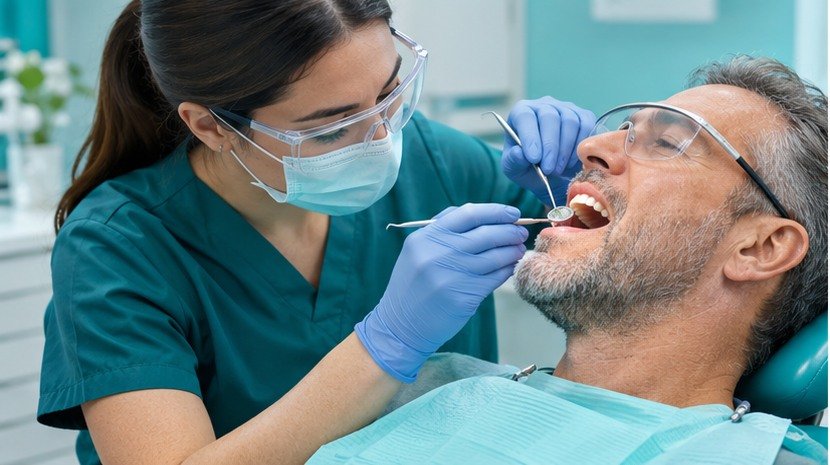
Treating diabetes and gum disease together begins with appropriate professional care, which may include counseling about plaque control and cleaning above the gumline. For periodontitis, subgingival instrumentation—often called scaling and root planing—removes deposits and disrupts harmful biofilm below the gumline. The dentist may organize therapy over multiple visits and review healing at a later appointment.
People with more advanced disease can require periodontal surgery, management of tooth mobility or referral to a periodontist. Maintenance visits remain important because periodontal disease can recur even when symptoms improve. The suitable interval depends on the individual’s gum findings and risk; a strict six-month schedule is not optimal for everyone.
Antibiotics are not a routine cure for all bleeding gums or periodontitis. A dentist should determine whether a particular infection warrants them and consider allergies, interactions and other risks. Mouth rinses may be recommended for specific circumstances, but they do not replace mechanical plaque removal or necessary professional treatment.
If the person uses insulin or medicines that can cause hypoglycemia, appointment timing and the ability to eat afterward matter. Tell the dentist about the treatment plan, recent severe lows and any planned fasting or sedation. The prescribing diabetes clinician should advise on medication adjustments when needed.
Everyday Oral Health: A Sustainable Daily Routine
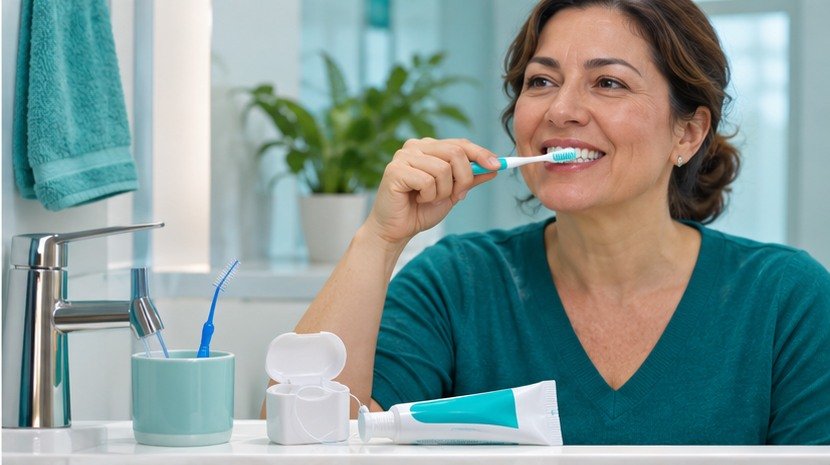
A practical home routine begins with brushing twice daily for two minutes with fluoride toothpaste. Use a soft-bristled toothbrush and clean gently along the gumline; a powered brush can help some people, but technique and consistency matter more than branding. Replace the brush when bristles are worn.
Clean between teeth daily with floss or appropriately sized interdental brushes. The best tool depends on tooth spacing, dexterity and what your dental team recommends. Do not force a large brush into a tight space or injure the gum with sharp objects. If flossing causes persistent bleeding, request an examination rather than abandoning interdental cleaning indefinitely.
Reduce frequent exposure to sugary drinks and snacks, use water rather than constantly sipping sweetened beverages, and avoid tobacco. Chewing sugar-free gum may help stimulate saliva for some people with dry mouth, although dental conditions, jaw symptoms and other factors may make it unsuitable. Oral hygiene supports health but does not remove established deep calculus that requires professional care.
A useful routine is to connect brushing and interdental cleaning to existing morning and evening habits. Keep the focus on consistent care rather than excessive checking. Record your dental checkup date alongside routine diabetes measures.
Dry Mouth, Thrush and Other Diabetes Oral Problems
Diabetes-related oral concerns extend beyond gum disease. Dry mouth (xerostomia) can increase discomfort, difficulty swallowing or speaking, and vulnerability to dental decay. Dehydration, medicines and other conditions may contribute. Persistent dry mouth deserves review rather than assuming it is caused solely by glucose.
Oral candidiasis (thrush) can cause white patches, redness, soreness or burning sensations. Denture problems and other mouth infections may also occur. Some conditions have overlapping appearances, so a clinician should confirm the diagnosis before recommending an antifungal or other treatment.
People with reduced saliva may benefit from small sips of water when medically appropriate, fluoride-based prevention and products specifically recommended for dry mouth. Do not rely on acidic sweets or frequent sugared drinks to stimulate saliva, as these can worsen dental decay and glucose exposure.
Medical Safety: Dental Procedures, Infections and Diabetes
People with well-managed diabetes can often receive routine dental treatment safely. However, a clinician may need additional planning for major procedures, infection, fasting, sedation, significant kidney disease or unstable glucose. Tell the dental team about insulin, sulfonylureas, GLP-1 medicines, anticoagulants and other prescriptions.
Never stop diabetes medicines, blood thinners or antibiotics on the basis of generic dental advice. If a procedure changes when you can eat, ask your diabetes prescriber for a personalized plan that prevents both hypoglycemia and marked hyperglycemia. Have your usual emergency glucose supplies available when advised.
Five Oral-Health Content Gaps Worth Understanding
1. Bleeding does not tell you the full periodontal stage
A person may have bleeding with early gingivitis or substantial attachment loss with surprisingly little pain. Professional periodontal measurements and sometimes X-rays are needed to understand progression.
2. Gum treatment is not an alternative diabetes therapy
The Cochrane average HbA1c effect is a group-level result. It should not be used as a personal promise, or as a reason to reduce insulin, metformin or another prescription without clinical advice.
3. Dental costs can be a health barrier
Dental coverage differs between insurance plans and public health systems. Ask for a prioritized written treatment plan, essential versus optional procedures, follow-up intervals and lower-cost community options. Delaying active infection care can be dangerous.
4. A dentist needs the medication and hypoglycemia history
Dental clinicians need to know about low-glucose episodes, whether a procedure may limit eating, medication-related dry mouth, kidney impairment and anticoagulants. A coordinated plan is safer than asking the dentist to guess at glucose medicine adjustments.
5. Oral health belongs in the diabetes annual review
Kidney, eye and foot screening often receive attention, while dental evaluation is forgotten. Keep a one-page prevention record with the date of the dental examination, gum diagnosis, recommended treatment, next review and any unresolved symptoms.
Oral Health Guidance: USA, UK, Canada and Australia
United States: The CDC, NIH and American Diabetes Association recommend regular dental assessment and home oral care. Dental insurance and Medicaid adult dental benefits vary by plan and state; community health centers or dental schools may offer lower-cost care. Share your diabetes treatment details with the dental team.
United Kingdom: NHS and Diabetes UK resources advise people with diabetes to attend appropriate dental reviews. Diabetes alone does not automatically provide free NHS dental treatment, and eligibility for cost assistance depends on circumstances. Follow your dentist’s individual recall interval.
Canada: Dental coverage and eligibility for public programs vary by province and personal circumstances. Ask whether a local dental clinic or community program offers preventive visits and periodontal care, and tell the dentist about diabetes and related conditions.
Australia: Dental care may involve private practitioners, public dental services for eligible groups and state-based pathways. Your GP, diabetes educator and dentist can coordinate oral health needs; the appropriate review schedule depends on personal dental risk and access.
Frequently Asked Questions
Does diabetes cause gum disease?
Diabetes increases susceptibility to gum disease, especially with prolonged high glucose, but plaque, tobacco, genetics and other factors also contribute. Not everyone with diabetes develops periodontitis.
Can gum disease make blood sugar harder to control?
Periodontal inflammation may be associated with less favorable glucose control. Treating periodontitis may modestly improve HbA1c in some populations.
Can a deep dental cleaning lower HbA1c?
A Cochrane review reported an average HbA1c reduction of about 0.43 percentage points at three to four months. Individual results vary and this is not a substitute for diabetes treatment.
Is bleeding when flossing normal?
Persistent bleeding should be evaluated because it may signal inflammation or another problem. Ask for a demonstration of safe flossing technique.
How often should someone with diabetes visit a dentist?
At least an annual dental assessment is a commonly recommended minimum, but periodontitis or other risk factors may require more frequent maintenance. Follow the dentist’s advice.
Can diabetes cause dry mouth?
Yes, although dehydration, medicines and other disorders can also cause it. Persistent dryness should be assessed because it increases dental risks.
Are antibiotics needed for every gum infection?
No. Professional plaque and calculus control is central to periodontal treatment; antibiotics are reserved for selected clinical circumstances.
Can gingivitis be reversed?
Gingivitis is generally reversible with improved plaque control and appropriate professional care. Periodontitis may involve lasting loss of support structures.
Should I skip breakfast before a dental appointment?
Do not fast unless your dental or medical team instructs you for a particular procedure. People taking insulin or certain tablets should discuss meal timing and hypoglycemia prevention.
Can mouthwash replace flossing?
No. Some mouthwashes have specific uses, but they do not replace brushing, cleaning between teeth or professional periodontal treatment.
Five Related BBH Articles, Menu and Support
Research Sources and Medical Disclaimer
- American Diabetes Association, Standards of Care in Diabetes—2026
- CDC: Oral Health and Diabetes
- American Dental Association: Diabetes and Oral Health
- Cochrane: Periodontal Treatment and Diabetes Glycemic Control
- National Institute of Dental and Craniofacial Research: Diabetes and Oral Health
- NHS: Gum Disease
- Diabetes UK: Diabetes and Gum Disease