Diabetes and Sexual Health: Questions Answered
Diabetes and Sexual Health: Signs and Care


Diabetes and sexual health are connected, but changes in desire, comfort, erections or intimacy do not mean that someone has failed to manage diabetes. Blood vessels, nerves, hormonal changes, medications, urinary symptoms, mood and relationships all play a role. Many concerns can improve with a tailored assessment and treatment, and sexual well-being deserves the same respectful attention as other parts of health.
Thank you for reading this post, don't forget to subscribe!This educational BBH article prioritizes adults in the United States and draws on the American Diabetes Association (ADA) Standards of Care 2026, NIDDK, CDC and professional clinical references. It also includes relevant resources for the UK, Canada and Australia. It covers both men’s and women’s concerns without assuming that sexual function, relationships or identities are the same for everyone.
Diabetes and Sexual Health: Key Questions Answered
Sexual health is broader than sexual performance. It includes physical comfort, pleasure, intimate relationships, autonomy, emotional well-being and freedom from untreated conditions. Not every person wants to be sexually active, and a decision not to have sex is not a medical problem. Symptoms become clinically important when they cause distress, interfere with desired intimacy or could signal another condition.
Diabetes increases the likelihood of some sexual and bladder concerns, but diabetes alone does not prove the cause. The National Institute of Diabetes and Digestive and Kidney Diseases (NIDDK) explains how circulation and nerve injury can alter sexual response and urinary function. It also emphasizes that people should feel comfortable seeking help from healthcare professionals.
The ADA 2026 Standards recommend that clinicians screen men with diabetes or prediabetes for erectile dysfunction, particularly when cardiovascular or other risk factors are present. They also recommend asking women about sexual desire, arousal and orgasm difficulties, especially in the presence of depression, anxiety or recurrent urinary infections. ADA Standards 2026, Section 4.
How Diabetes and Sexual Health Are Connected
Persistently elevated blood glucose can contribute over time to damage in small blood vessels and nerves. In men, these changes may reduce blood flow or alter signaling required for erections. In women, similar mechanisms may affect lubrication, genital sensation and arousal. The pattern differs among individuals, and blood glucose is not the only factor.
Other contributors include high blood pressure, smoking, cardiovascular disease, pelvic conditions, thyroid problems, menopause, medicines, relationship stress and sleep disorders. A person may have multiple causes simultaneously. Treating glucose alone cannot automatically reverse a long-standing vascular or hormonal condition.
A clinician should also ask about timing. Did symptoms begin after a new medicine? Do they occur only in a specific context? Is there pain or urinary burning? Are mood and energy affected? These questions guide the next steps more accurately than attributing everything to diabetes.
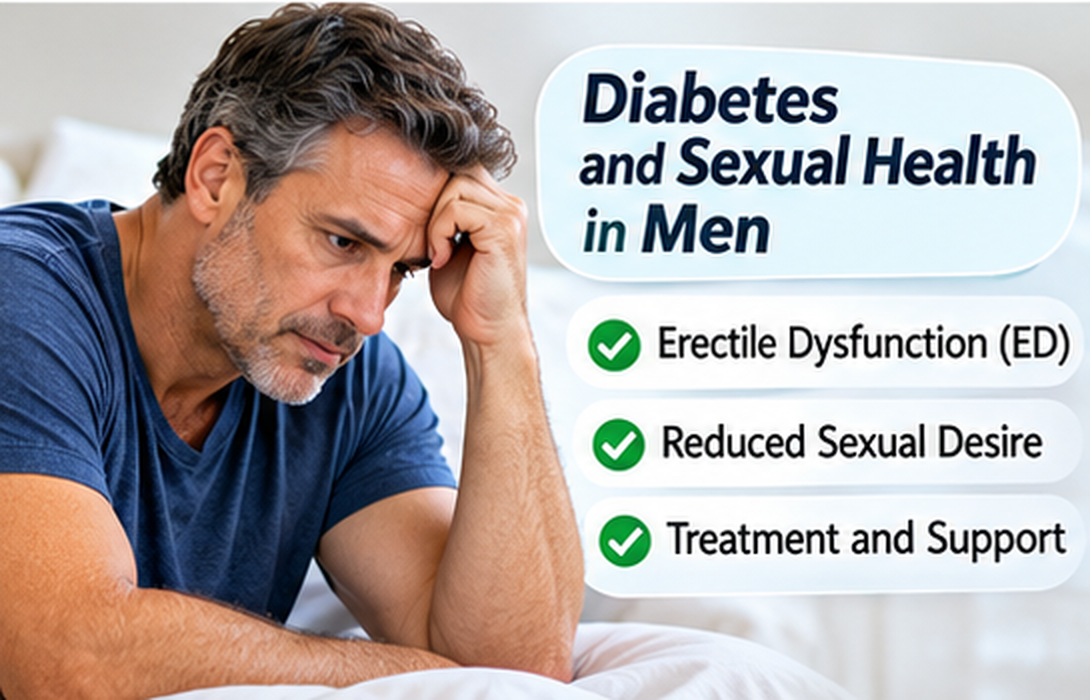
Diabetes and Sexual Health in Men: Erections and Desire
Erectile dysfunction (ED) means persistent difficulty obtaining or maintaining an erection sufficient for desired sexual activity. Men with diabetes may experience ED due to vascular and nerve changes, but psychological factors, blood pressure medicines, alcohol, tobacco, low testosterone and other conditions can contribute. An occasional difficulty is not necessarily a disorder.
NIDDK notes that men with diabetes may experience ED earlier than men without diabetes. It may affect confidence, relationships or emotional well-being, yet effective treatments exist. A clinical review can address glucose, blood pressure, lipids, smoking, physical activity, medicines and conditions requiring specific investigation.
Ejaculation changes and reduced desire may also occur. Retrograde ejaculation, which involves semen moving into the bladder instead of out through the penis, may occur with autonomic nerve dysfunction. Fertility concerns require specialist assessment because sexual function and the ability to conceive are related but different issues.
Treatment for ED may include phosphodiesterase-5 inhibitors, vacuum erection devices, counseling and other specialist interventions. The safest choice depends on cardiovascular status, other prescriptions and personal preferences. ED medicines are not appropriate for everyone and must never be combined casually with nitrate medication.
Diabetes and Sexual Health in Women: Comfort and Response
Women with diabetes may report vaginal dryness, discomfort or pain during sex, reduced desire, difficulty with arousal or orgasm, and distress about changes in intimacy. These symptoms may relate to nerve and blood-vessel changes, infections, menopause, pelvic-floor conditions, medication effects or emotional strain.
Painful sex is not something to endure as a normal consequence of diabetes or aging. A clinician may check for infections, genitourinary syndrome of menopause, skin disorders, pelvic conditions or inadequate lubrication. Depending on the cause, appropriate lubricants, vaginal moisturizers, local hormonal treatments, pelvic-floor therapy or other targeted care may help.
The ADA 2026 guidance specifically recommends asking women about desire, arousal and orgasm difficulties. This matters because symptoms can be missed when appointments focus exclusively on A1C, kidney tests and weight. A compassionate assessment asks what is bothersome to the person rather than presuming a treatment is needed.
People experiencing recurrent urinary tract infections or genital symptoms may have a different problem from low sexual desire. A medical review is useful before trying repeated over-the-counter antifungal treatments or supplements, especially when symptoms return or the diagnosis is uncertain.

Yeast Infections, UTIs and Bladder Symptoms
High glucose can increase susceptibility to some infections. CDC materials note that women with diabetes have a higher risk of vaginal yeast infections and urinary tract infections, particularly when blood glucose is elevated. Burning, itching, abnormal discharge, urinary urgency, pain or recurrent symptoms warrant evaluation.
Not every episode of vaginal irritation is yeast infection, and not every urinary symptom is a UTI. Skin disease, vaginal dryness, sexually transmitted infections, overactive bladder or medication effects may cause overlapping symptoms. The correct treatment depends on identifying the cause.
Certain SGLT2 inhibitor medicines are linked to genital fungal infections. Do not discontinue a prescribed drug without discussing risk, symptoms and appropriate treatment with the clinician. Fever, flank pain, significant pelvic pain or worsening illness may indicate an infection needing urgent medical care.
Diabetes can also affect bladder nerves, causing urgency, leakage or incomplete emptying. These issues can alter confidence and intimacy. A urologist, gynecologist or pelvic-floor specialist may help depending on the symptoms. NIDDK: Diabetes, Sexual and Bladder Problems.
Diabetes Distress, Depression, Anxiety and Sexual Confidence
Living with a chronic condition can change body image, energy and confidence. Fear of hypoglycemia, device visibility, frustration with treatment or worries about complications may affect intimacy. Depression and anxiety can also reduce desire or contribute to sexual difficulties, sometimes independently of diabetes.
Some antidepressants, particularly certain serotonergic medicines, can affect desire, orgasm and arousal. Stopping psychiatric medication abruptly can be harmful; if symptoms began after treatment, discuss adjustments or alternatives with the prescriber. Any medication choice should account for the original mental-health diagnosis and other risks.
Sexual counseling or couples therapy may help with communication, expectations and intimacy-related anxiety. A conversation focused on well-being and mutual respect can be valuable even when a physical treatment is also needed. BBH resources include Diabetes and Depression: What to Know.
Why New Erectile Dysfunction May Signal Vascular Risk
An important clinical gap is the connection between erectile difficulties and systemic vascular health. Blood vessels involved in erections can be affected by the same conditions that raise cardiovascular risk. Some men develop erectile symptoms before recognized coronary disease, although ED does not diagnose heart disease.
A clinician may review blood pressure, lipids, smoking, activity tolerance, glucose management and cardiovascular symptoms. People experiencing chest discomfort, unusual breathlessness or exercise intolerance should be assessed before resuming strenuous sexual activity or taking medicines for erections.
The ADA recommends ED screening particularly for men with diabetes who also have cardiovascular or kidney disease, neuropathy, longer diabetes duration, depression, hormonal problems or difficulty meeting glucose goals. The purpose is better overall care, not causing unnecessary alarm.
Diabetes and Sexual Health: What Happens at an Appointment?
A useful appointment begins with a confidential, nonjudgmental discussion. The professional may ask when symptoms began, what the person finds distressing, their goals, the relationship context, current medicines, sleep, mood and other symptoms. Examination or tests depend on the concern rather than a universal checklist.
For ED, assessment may include cardiovascular risk, medicines and selected laboratory tests; testosterone tests are considered when clinical symptoms suggest deficiency rather than offered routinely without context. For genital pain or vaginal dryness, evaluation may focus on infections, menopause, pelvic health and medications.
Validated instruments such as the International Index of Erectile Function or Female Sexual Function Index may help characterize concerns, but do not replace clinical assessment. These tools are not BBH self-diagnostic tests. Patients can ask for a clinician experienced in sexual medicine, urology, gynecology or psychological care.
Diabetes and Sexual Health: Evidence-Based Treatment Options
Treatment should address the identified cause. Optimizing glucose and cardiovascular risk factors supports long-term health, but is not a guarantee that sexual symptoms will disappear. Lifestyle strategies such as appropriate exercise, smoking cessation and sleep treatment may help some people; they are most effective when combined with targeted care.
| Concern | Possible contributors | Clinical response |
|---|---|---|
| Erectile dysfunction | Vascular, nerve, medication or psychological contributors | Clinical evaluation; selected prescriptions, devices or therapy when appropriate |
| Vaginal dryness and pain | Menopause, infection, low lubrication or pelvic condition | Assessment; lubricants, moisturizers or targeted medical therapy |
| Reduced desire | Mood, hormones, relationship strain, pain or medicines | Review contributing causes, counseling and selected treatments |
| Recurrent genital infections | High glucose, specific medicines or other infection risks | Confirm diagnosis, treat infection, review prevention and diabetes care |
| Urinary symptoms affecting intimacy | Bladder nerve function, infection or pelvic-floor disorders | Urinalysis and specialist evaluation as indicated |
Avoid treatments promoted online as instant diabetes-related sexual cures. Unregulated supplements may contain undisclosed active drugs or interact with prescribed medicines. Seek an evidence-based prescription and discuss unwanted effects, contraindications and realistic expectations before treatment.
Medication Safety, ED Treatments and Hormonal Claims
Medicines for erectile dysfunction can dangerously lower blood pressure when combined with nitrates used for angina. Some alpha-blockers and other antihypertensive treatments also require careful prescribing decisions. Cardiovascular fitness and recent cardiac events are important considerations.
Testosterone replacement is not a universal treatment for erectile problems or fatigue. Clinicians should confirm the presence of appropriate symptoms and biochemical deficiency, assess risks and monitoring requirements, and avoid unsupported “hormone boosting” products.
For women, the use of local estrogen, systemic menopausal hormone therapy or medicines affecting desire depends on the specific condition, medical history and contraindications. The mere presence of diabetes does not automatically make one therapy necessary or appropriate.
Diabetes and Sexual Health: Glucose and Device Safety
Sexual activity is physical activity, and some people using insulin or medicines that cause hypoglycemia may experience changes in glucose. Others see little change. Discuss a personalized plan for glucose checks and rapid carbohydrate access when hypoglycemia is a known risk rather than assuming every person must test before and after sex.
People using insulin pumps or continuous glucose monitors may have questions about device comfort, adhesives and privacy. Review manufacturer guidance for temporary disconnection, water exposure and device placement; never disconnect an insulin-delivery device for prolonged periods without a safe professional plan.
Pain, fatigue and emotional pressure can also affect enjoyment. Intimacy may include affectionate touch, communication and closeness without sexual activity. Consent and comfort should guide decisions at every stage.
Talking With a Partner Without Blame
A helpful discussion describes the change without assuming that one partner is at fault: “I have noticed discomfort or changes in sexual response, and I would like us to understand what is happening.” This can reduce misunderstandings about attraction or commitment.
Partners can help by respecting privacy, attending an appointment if invited, learning low-glucose emergency signs where relevant and supporting shared health goals. Neither partner should pressure the other into painful or unwanted sexual activity.
If anxiety, communication difficulties or relationship conflict continue, a qualified sex therapist or couples therapist may provide practical support alongside medical care. Therapy should be tailored and consensual, not framed as a substitute for investigating physical symptoms.
Menopause, Low Testosterone, Fertility and Life Stage
Menopause can cause vaginal dryness and changes in comfort or sexual response independently of diabetes. Hormonal and metabolic changes may overlap, making it useful to assess both rather than attribute all symptoms to blood sugar.
Some men with diabetes have lower testosterone levels, but testing and treatment should be clinically targeted. Fertility, contraception and pregnancy planning are distinct topics. People planning pregnancy need specialized diabetes preconception care because glucose management and medication safety are important before and during pregnancy.
Sexual health remains relevant in older adulthood and in people with disabilities or chronic illness. The decision about what constitutes satisfactory intimacy belongs to the individual, and age alone should not exclude someone from respectful evaluation.
A Practical Five-Step Sexual Health Support Plan
| Step | Practical action |
|---|---|
| Identify the concern | Note whether the difficulty relates to erections, desire, pain, dryness, orgasm, infections or urinary symptoms |
| Review timing and context | Consider whether symptoms began after medicine changes, illness, mood changes or menopause |
| Arrange a confidential appointment | Ask a primary-care clinician or relevant specialist for a targeted assessment |
| Discuss safe treatment options | Review blood pressure, heart risk, medicines and the evidence for each suggested therapy |
| Set one realistic follow-up goal | Monitor comfort, confidence, relationship well-being and symptoms rather than aiming for perfection |
An appointment script may help: “I have diabetes and have noticed a change in my sexual comfort or function. Could we review possible causes, including circulation, nerves, hormones, infections, mood and my medicines? I would like to know what treatments are appropriate for me.”

Seven Often-Missed Questions
1. Can ED be an early cardiovascular warning?
Yes. It may warrant assessment for vascular risk factors rather than treatment of the symptom alone.
2. Are women’s concerns screened as routinely as men’s?
Not always. ADA 2026 explicitly recommends asking women about sexual desire, arousal and orgasm.
3. Can genital irritation be something other than yeast?
Yes. Dryness, skin conditions, other infections and pelvic problems can have similar symptoms.
4. Could an antidepressant be affecting desire?
Possibly. Review the timing and other medical causes with the prescriber rather than stopping treatment.
5. Can a normal A1C exclude a sexual-health problem?
No. Hormonal, cardiovascular, nerve, pelvic and relationship factors may still be relevant.
6. Does a glucose sensor make intimacy unsafe?
Not automatically. Consider comfort, adhesive, device instructions and personal preferences.
7. Is sexual inactivity itself a disorder?
No. The presence of distress, symptoms and personal goals determines whether help is wanted.
Sexual Health Resources: USA, UK, Canada and Australia
United States: ADA 2026 supports discussions of sexual health in routine diabetes care. NIDDK provides educational resources about sexual and bladder concerns; primary care, urology, gynecology, endocrinology and qualified mental-health clinicians can help depending on symptoms.
United Kingdom: Diabetes UK provides information on sex and diabetes, including separate material on women’s concerns. An NHS GP or sexual-health service may assess symptoms and arrange specialist referrals. Eligibility and pathways vary by location.
Canada: A family physician, diabetes care team, urologist, gynecologist or sexual-health clinician can evaluate symptoms. Provincial coverage and referral arrangements differ, and Diabetes Canada provides wider resources for diabetes self-care.
Australia: A GP or diabetes educator can help identify appropriate referral options. Sexual-health, urology, gynecology and mental-health services may be available through different public or private pathways.
When Sexual or Urinary Symptoms Need Urgent Help
Diabetes and Sexual Health: Frequently Asked Questions
Can diabetes cause erectile dysfunction?
Diabetes-related vascular and nerve changes can contribute, but medicines, hormones, heart health and other causes should be considered.
Is erectile dysfunction reversible?
Improvement is possible for some people, depending on the cause and available treatment. No universal cure is guaranteed.
Can diabetes affect women’s sexual desire?
Yes, although desire is influenced by mood, hormones, relationships and other factors too.
Why can sex be painful with diabetes?
Dryness, infections, pelvic conditions and other causes are possible; pain merits a clinical assessment.
Are recurrent yeast infections linked to diabetes?
Higher blood glucose can increase susceptibility, but symptoms require accurate diagnosis.
Could ED mean heart disease?
It may be a marker of vascular risk and should prompt appropriate cardiovascular assessment.
Do erectile dysfunction medicines interact with heart drugs?
Yes. Combining PDE5 inhibitors with nitrates can cause dangerous blood pressure reductions.
Can low testosterone explain symptoms?
It may contribute in selected cases, but diagnosis needs appropriate symptoms and laboratory confirmation.
Does better glucose management always resolve sexual issues?
No. It supports overall health but other causes may require additional treatment.
Can depression or anxiety affect intimacy?
Yes. Emotional health and some medications can influence sexual response.
Are diabetes devices compatible with sex?
Often they are manageable, but follow manufacturer instructions and personalized insulin safety guidance.
Can sex cause low blood sugar?
Physical activity may change glucose in some insulin-treated people; discuss a safe monitoring plan if at risk.
Is it normal to discuss sexual health at a diabetes checkup?
Yes. ADA guidance recognizes sexual well-being as part of comprehensive diabetes care.
When should I see a clinician?
Seek evaluation for persistent concerns, painful sex, recurrent infections, new ED, urinary problems or distressing changes.
BBH Main Menu, Submenu, Support and Five Related Articles
Medical Research Citations and Clinical Review
- ADA Standards of Care 2026: Comprehensive Medical Evaluation
- ADA Standards of Care 2026: Neuropathy and Autonomic Health
- NIDDK: Diabetes, Sexual and Bladder Problems
- CDC: Diabetes and Women
- Diabetes UK: Sex and Diabetes
- Diabetes UK: Sexual Problems in Women
- NIDDK: Diabetes Sexual and Urinary Health — Clinician Interview
- Endotext: Sexual Dysfunction in Diabetes