Can Type 2 Diabetes Go Into Remission?
Type 2 Diabetes Remission: What Works?


Can type 2 diabetes go into remission? Yes, for some people. A carefully supervised intervention may bring blood glucose below the diabetes diagnostic threshold without glucose-lowering medication for a sustained period. However, not everyone reaches remission, and a normal reading while taking medication does not automatically meet the formal definition.
Thank you for reading this post, don't forget to subscribe!This evidence-based guide examines type 2 diabetes remission, how it is defined, the role of a diabetes remission diet, and whether weight loss and diabetes remission are connected. It also explains the evidence for structured weight-management programs, medication questions, long-term follow-up and the reasons clinicians avoid promising a permanent cure.
Can Type 2 Diabetes Go Into Remission? Quick Answer
Evidence-based answer
Some people with type 2 diabetes reach remission after substantial sustained weight loss, structured dietary treatment or metabolic surgery. The widely used international consensus definition is HbA1c below 6.5% (48 mmol/mol) that persists for at least three months without glucose-lowering medicine. Remission does not mean that ongoing screening or risk management can stop.
It is possible to reverse type 2 diabetes in the everyday sense of returning glucose below the diabetes range, but medical professionals generally prefer the word remission. A cure would imply that the condition cannot return, which current evidence does not establish.
What Is Type 2 Diabetes Remission?
An international group convened by diabetes organizations agreed on a practical definition in 2021: HbA1c must remain below the diagnostic threshold of 6.5% for at least three months without usual glucose-lowering drugs. Testing should occur no sooner than three months after stopping such treatment, under clinician supervision.
This definition prevents confusion between excellent control on medication and medication-free remission. A person taking medicines to reduce glucose can have outstanding results and still not qualify for the formal remission label. That does not make their achievements less medically valuable.
Why an HbA1c number is not the whole picture
HbA1c reflects average blood glucose over roughly two to three months. It may be unreliable when red blood cell lifespan is altered, in certain anemias or with some hemoglobin variants. If necessary, clinicians consider alternative glucose measurements under consensus guidance.
The formal type 2 diabetes remission definition is a standardized research and care tool, not a reason to prioritize a label over kidney protection, cardiovascular treatment or quality of life.
Type 2 Diabetes Remission vs Cure
| Term | What it means | What it does not mean |
|---|---|---|
| Good glucose control | Glucose meets a target, potentially with medicines | It does not automatically establish remission |
| Remission | HbA1c below 6.5% for at least 3 months without glucose-lowering medicines | Risk of recurrence and some complications may remain |
| Cure | A permanent disappearance of the disease process | Not established by a period of normal glucose |
The phrase diabetes reversal is frequently used in marketing. It can create false certainty about stopping insulin or tablets. Remission is the more accurate term because glucose can return to the diabetes range over time.
Someone who never reaches remission can still experience substantial improvements in glucose, blood pressure, activity, sleep and overall health. Those outcomes are worthwhile regardless of the label.
For an explanation of the underlying insulin resistance and pancreatic changes, visit Type 2 Diabetes: Symptoms, Causes and Treatment.
How Can Type 2 Diabetes Remission Happen?
Type 2 diabetes involves insulin resistance and a pancreas that cannot fully compensate with enough insulin. In some people, reducing excess energy stored in the liver and pancreas is associated with better insulin sensitivity and improved beta-cell function. This can lower glucose substantially.
The opportunity to recover function differs between individuals. Length of time since diagnosis, remaining insulin-producing capacity, weight patterns and other health factors may influence the result. That helps explain why the same intervention does not produce remission for everybody.
Does remission mean the pancreas has healed permanently?
No. Better glucose regulation may reflect improvements in insulin response and secretion, but the underlying susceptibility can remain. Changes in weight, health or disease progression may lead to renewed hyperglycemia. The mechanism is more complicated than simply removing sugar from the diet.

What Does the DiRECT Remission Trial Show?
The UK Diabetes Remission Clinical Trial, known as DiRECT, investigated a primary-care-led weight management program in selected adults whose type 2 diabetes had been diagnosed within six years and who were not receiving insulin. Participants received a carefully structured low-energy dietary intervention and support to maintain weight changes.
In the original intervention group, about 46% met the study’s remission criteria after one year and 36% after two years. These results show remission is achievable for a meaningful proportion of selected participants, but are not an expected success rate for everyone with diabetes.
What happened at five years?
The DiRECT extension study found that maintaining remission for several years was possible for some participants, while many experienced recurrence. In the extension group with available year-five data, 13% were in remission. Because this was a selected follow-up subgroup, that figure should not be presented as the rate for every patient.
The key lesson of type 2 diabetes remission research is the importance of continuing support. Remission is not a one-time challenge completed by a short diet; maintaining metabolic improvements can require attention over many years.
Weight Loss and Type 2 Diabetes Remission
In many clinical studies involving people with overweight or obesity, greater sustained weight reduction is associated with a higher probability of remission. However, weight loss is not a guarantee, and people at lower body weights may also have type 2 diabetes.
How much weight loss is required?
There is no single kilogram target suitable for everyone. Trial participants had different baseline weights, medical histories and remaining insulin secretion. A clinician can discuss whether weight reduction is appropriate and, if so, what health goals are realistic and safe.
The relationship between weight loss and diabetes remission should be interpreted without blame. Genetic background, food access, medicines, sleep, other health problems and past weight changes all influence what a person can achieve and maintain.
Why keeping changes sustainable matters
Regaining lost weight can coincide with rising glucose for some people. Long-term dietary support, movement and follow-up appointments may therefore matter more than a rapid initial result. A plan that cannot be maintained safely is unlikely to provide lasting benefit.
Diabetes Remission Diet: What Evidence Supports

A structured diabetes remission diet is not the same as an ordinary online meal plan. Programs studied in clinical trials can involve intensive dietary restriction, supervision, medication adjustment, nutritional monitoring and a staged transition back to regular meals.
Low-energy programs require clinical support
Very-low-energy or total-diet-replacement programs should not be attempted independently by someone using insulin, sulfonylureas or medicines that affect fluid balance. Hypoglycemia, dehydration and nutritional inadequacy can occur if treatments are not carefully adjusted.
Does a low-carbohydrate diet cause remission?
Reducing refined carbohydrates may help some people manage glucose, but evidence varies across dietary patterns, and medication-free remission is not guaranteed by carbohydrate restriction alone. Some interventions improve glucose while medication continues, which is beneficial but is not the formal remission definition.
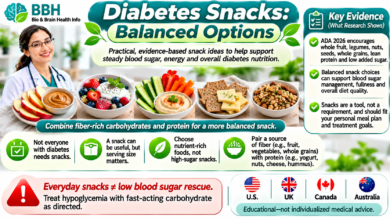
Practical balanced choices for daily life
Vegetables, pulses, suitable protein, fiber-rich grains, unsaturated fats and appropriately sized meals can form part of an individualized plan. For an Indian eating pattern, clinicians or dietitians can work with roti, rice, dal, vegetables, curd and local foods rather than imposing unfamiliar menus. Cultural fit helps support long-term consistency.
The best diabetes remission diet is one that matches a person’s medical needs, nutritional adequacy and ability to continue, not one promoted as an instant cure. Pregnancy, eating disorders, frailty and advanced kidney disease require particular caution.
Physical Activity, Sleep and Sustainable Habits
Movement can improve insulin sensitivity, cardiovascular fitness and emotional wellbeing. Walking, gentle cycling, strength training or other suitable activities may complement dietary treatment. The activity plan should be adapted for mobility limitations, heart disease and medications that create a risk of low glucose.
Sleep and stress management help people maintain regular routines, although meditation cannot replace glucose-lowering treatment. Avoid making normal glucose a test of willpower. Progress is often easier when support is practical, nonjudgmental and repeatable.
For people pursuing type 2 diabetes remission, consistency over time is more meaningful than short periods of extreme exercise or fasting.
Remission and Diabetes Medicines
A major content gap in many remission articles is what happens when medicines serve purposes beyond lowering glucose. Some newer medicines provide benefits for the heart, kidneys or weight management. Stopping them solely to qualify for a remission label may be clinically inappropriate.
Can I stop metformin or insulin to test remission?
No one should independently stop insulin, metformin or other prescribed glucose-lowering treatment. If a clinician considers changing medication, the decision requires a safety plan and follow-up glucose testing. People with substantial insulin deficiency can become seriously ill after stopping insulin.
What if medicine also protects my heart or kidneys?
The consensus acknowledges that when medication is continued for other beneficial effects, remission may not be formally classifiable under its definition. That does not make continued treatment a failure. Preventing complications may be more important than meeting the research definition.
Does a normal reading on GLP-1 medicine mean remission?
A low HbA1c while taking a glucose-lowering medicine demonstrates treatment effectiveness, not necessarily medication-free remission. Whether medication should be continued is a clinical decision that accounts for broader health benefits.
Medication safety
Never stop insulin, sulfonylureas, metformin, GLP-1 medicines, SGLT2 inhibitors or other prescribed treatment to pursue an HbA1c number or a remission label. Some medication combinations and restrictive diets can create hypoglycemia, dehydration or ketoacidosis risks.
Metabolic Surgery and Diabetes Remission
Metabolic or bariatric surgery can lead to major improvements in glucose regulation and remission in some appropriately selected people with type 2 diabetes. The likelihood and durability depend on factors such as disease duration, pancreatic function and postoperative weight changes.
Surgery also involves anesthesia, nutritional monitoring, possible complications and lifelong follow-up. It is not suitable or necessary for everybody. A specialist multidisciplinary team evaluates eligibility and compares surgical and nonsurgical options.
Claims that surgery permanently cures diabetes are misleading. Even following substantial early improvements, glucose may rise again. Continuing preventive screening and nutritional care remains important.
Read more about inherited and metabolic influences in What Causes Diabetes? Major Risk Factors.
Who Is More Likely to Achieve Remission?
People with a shorter duration of type 2 diabetes and greater preserved insulin secretion may be more likely to achieve remission during structured interventions. Sustained metabolic improvements can be easier to achieve when health changes begin earlier, although no professional can guarantee an outcome.
A history of insulin use does not automatically make improvement impossible, but trial results from participants who were not on insulin should not be extrapolated to people with long-standing or insulin-dependent diabetes. A correct diagnosis matters because established autoimmune type 1 requires insulin.
For a person with substantial cardiovascular disease, advanced chronic illness or previous disordered eating, aggressive weight-loss programs may cause more harm than benefit. Individualized management should take priority over the goal of remission.
Can Remission Happen Without Major Weight Loss?
Some people may experience improved glucose after surgery, dietary changes or other interventions without a dramatic change on the bathroom scale. Yet strong evidence from structured programs often involves weight reduction and long-term maintenance.
Blood glucose can also fall below the diabetes threshold with medication, but this is different from formal remission while medication is still being used. If the clinical goal is fewer symptoms, better cardiovascular health or easier daily management, improvements may be worthwhile without seeking a particular label.
Discuss the possible routes to type 2 diabetes remission with an appropriate care team rather than relying on individual anecdotes or social media before-and-after results.
If your tests are above normal but below diabetes thresholds, compare the findings with Prediabetes: Symptoms, Tests and Prevention.
How Doctors Confirm Diabetes Remission
| Step | What is checked | Why it matters |
|---|---|---|
| 1. Review diagnosis | Confirm type 2 diabetes rather than another form | Different diabetes types require different treatment |
| 2. Review medicines | Clinician considers whether glucose-lowering drugs can safely be changed | Prevents dangerous unsupervised withdrawal |
| 3. Recheck laboratory HbA1c | Below 6.5% at least 3 months without glucose-lowering drugs | Supports the international consensus definition |
| 4. Schedule follow-up | HbA1c at least yearly, and ongoing complication checks | Remission can end and other risks can remain |
A single home glucose reading, a few symptom-free weeks or a normal fasting glucose while on medication does not independently confirm remission. When HbA1c is unreliable, clinicians may consider alternative validated measurements according to the consensus report.
The question “can type 2 diabetes go into remission?” is best answered through a documented clinical process, not self-testing and self-discontinuation of treatment.

See Early Signs of Diabetes: What to Look For for symptoms that may prompt reassessment, while remembering that rising glucose can also occur without symptoms.
Can Type 2 Diabetes Return After Remission?
Yes. This is often called recurrence or relapse. The underlying risk can remain even when HbA1c moves below the diagnostic threshold. Weight regain, illness, changes in medication or progressive insulin secretion problems may contribute.
Regular testing allows a clinician to recognize renewed hyperglycemia early. Requiring additional treatment later should not be regarded as a personal failure. The objective is protecting health, regardless of whether the medical record says “remission” or “active diabetes.”
The long-term relationship between weight loss and diabetes remission varies. Continuing support can be helpful when maintaining behavior changes becomes difficult.
Do Eye, Kidney and Heart Checks Continue?
Yes. One of the most important gaps in online remission advice is the false implication that monitoring becomes unnecessary. The consensus recommends continued observation for recurrence and for diabetes-related complications.
Routine eye examinations, kidney assessments, blood pressure monitoring and foot or nerve examinations may still be indicated. Some long-term risks reflect earlier periods of elevated glucose, as well as other cardiovascular and kidney risk factors.
A clinician should advise on screening intervals, blood pressure management and whether heart- or kidney-protective medicines remain appropriate. People with a history of diabetes should not remove it from their medical history after achieving remission.
What remission does not erase
Past exposure to elevated glucose, other chronic conditions, or the possibility of diabetes returning. Continued health checks remain important even when laboratory glucose has improved.
For a broader overview of diabetes types, screening and treatment, review our complete diabetes guide.
A Safe Plan for Discussing Remission
Start with a review of your diabetes type, most recent HbA1c, medicines, kidney function and any relevant cardiovascular history. Ask the clinician whether remission is a reasonable goal and what other improvements deserve priority.
If intensive weight management is appropriate, request evidence-based dietary support and a medication safety plan. Learn which glucose symptoms should prompt urgent advice. A clinician may want more frequent checks as nutrition, activity and medicine schedules change.
During follow-up, assess weight changes, glucose trends, nutritional adequacy, energy levels, emotional wellbeing and the feasibility of sustaining the plan. A good program should have an alternative pathway when remission does not occur.
For someone whose principal goal is safer glucose control rather than medication-free status, the best treatment plan may look different. Shared decision-making allows the goal to fit the person instead of the other way around.

Motivation, Mental Health and Weight Stigma
A remission goal can feel hopeful, but it may also create anxiety when glucose readings fluctuate. Some people interpret a setback as evidence that they have failed or lost discipline. Medical care should avoid that framing.
Helpful support can include realistic meal planning, a less demanding activity routine, conversations with family members and psychological assistance when stress becomes overwhelming. Brief breathing exercises or mindfulness may support coping, but do not treat insulin deficiency or replace prescribed medicines.
People who cannot achieve remission are not receiving second-class care. The value of treatment is measured by safer glucose control, fewer complications and better quality of life, not only by whether medicines can be stopped.
Common Myths About Reversing Diabetes
Myth: Every person can reverse type 2 diabetes
Remission is possible for some individuals but is never guaranteed. Disease duration, pancreatic function and other health conditions influence likelihood.
Myth: Three normal glucometer readings prove remission
Formal remission relies on appropriate laboratory assessment and a sufficient medication-free interval, not a few isolated readings.
Myth: A diabetes remission diet should be extremely restrictive
Highly restrictive programs require clinical oversight. Unmonitored fasting may lead to hypoglycemia, dehydration or nutritional difficulties.
Myth: Once in remission, diabetes screening can stop
Glucose can rise again, and monitoring for cardiovascular, eye, kidney and nerve complications may still be needed.
Myth: Taking medicine means failing
Medicines may improve glucose and provide important protective benefits. Appropriate treatment is a success, not a personal shortcoming.
BBH Support and Diabetes Resources
For further educational support, visit BBH Support and Resources or browse the Diabetes & Blood Sugar Hub. Medical decisions must be made with your clinical team.
Type 2 Diabetes Remission FAQs
Can type 2 diabetes go into remission naturally?
Some people achieve remission through structured lifestyle and weight-management interventions, but “natural” does not mean unsupervised. Medication adjustments and safety monitoring are important.
How long does remission take?
The consensus definition requires at least three months below the HbA1c threshold without glucose-lowering medication. The time needed to reach that position varies, and intensive lifestyle programs can take many months.
Is an HbA1c of 6.4% a cure?
No. If the result persists for the required period without glucose-lowering medication, it may meet the remission definition. A single result or a value measured while on medicine does not establish a cure.
Will I need medicine again after remission?
Possibly. Glucose can rise in the future, and some people take medicines for heart, kidney or weight-related benefits even when glucose is well controlled.
Can long-standing diabetes go into remission?
It may be less likely, but suitability depends on the individual. Treatment can still deliver substantial benefits without remission.
Should I try a very-low-calorie diet at home?
Not without healthcare supervision, particularly when taking glucose-lowering medicines or living with other medical conditions.
Does remission eliminate the need for eye or kidney screening?
No. Continue the monitoring advised by your diabetes clinician.
Related BBH Guides and Support
Explore the BBH Diabetes Library
Visit BBH Support and Resources and our Diabetes & Blood Sugar Hub for additional education. These resources are not substitutes for individual medical care.
Scientific References and Safety Disclaimer
- International Consensus Report: Definition and Interpretation of Remission in Type 2 Diabetes, 2021
- DiRECT: Five-Year Extension Study, Lancet Diabetes & Endocrinology, 2024
- Diabetes UK: What Is Type 2 Diabetes Remission?
- Diabetes UK: How to Go Into Remission
- ADA/EASD 2026: Management of Type 2 Diabetes — Consensus Report
- ADA 2026 Standards: Diagnosis and Classification
Medical and editorial safety
This article is educational and cannot diagnose remission or prescribe weight-loss treatment. Do not independently stop or change diabetes medicines, insulin, or heart- and kidney-protective therapy. Seek urgent medical care for severe weakness, vomiting, confusion or significant breathing changes. Clinical decisions require an individualized plan. Independent clinician review of this article is not claimed.
Written by Shubhangi Halande · Bio and Brain Health Info (BBH) · Physical Health → Diabetes & Blood Sugar