Oatmeal and Diabetes: What to Know
Is Oatmeal Good for Diabetes?

BBH Physical Health · Diabetes & Blood Sugar · Evidence-based U.S.-priority nutrition guide with UK, Canada and Australia comparisons
Thank you for reading this post, don't forget to subscribe!A bowl of oatmeal can be a nutritious, convenient breakfast. Yet people with diabetes may hear contradictory claims that oats always stabilize glucose or that instant oatmeal must be avoided. The evidence is more practical: oatmeal is a carbohydrate food, and its type, portion, processing and added ingredients all matter.
This guide to oatmeal and diabetes covers steel-cut, rolled and instant oats, beta-glucan fiber, dry-versus-cooked serving sizes, healthy toppings and safer breakfast planning. It uses ADA 2026 recommendations as the primary U.S. reference, with guidance from the UK, Canada and Australia.
The goal is to help readers interpret nutritional choices without promising that oats cure diabetes or recommending unapproved insulin changes. Individual carbohydrate requirements, treatment and health conditions may affect the most appropriate breakfast.
Is oatmeal suitable for people with diabetes?
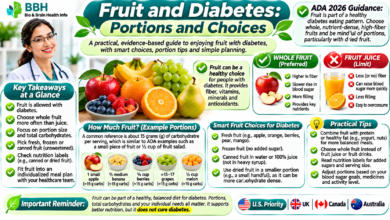
Yes. Oats are a whole-grain carbohydrate food and can be included in an individualized diabetes eating pattern. The American Diabetes Association’s 2026 nutrition standards encourage minimally processed, nutrient-dense carbohydrate sources and whole grains; they do not require everyone to exclude oatmeal.
However, oats contain starch that is digested into glucose. A large bowl with honey, sweetened milk and dried fruit can contribute more carbohydrate than expected. The type of oats, measured amount and additional ingredients all influence the resulting meal.
A balanced bowl might include plain oats, berries, chopped walnuts and unsweetened yogurt. Some people prefer a savory oat dish with vegetables and egg or tofu. These combinations can improve variety and provide protein or unsaturated fats.
No food works identically for every person. Glucose response can change with diabetes treatment, activity, sleep, illness and preparation. Personal patterns and safe nutrition advice are more useful than a blanket claim that oats always lower glucose.
How oat carbohydrate influences blood glucose
Oats contain carbohydrate, including starch, alongside protein, fat and fiber. During digestion, much of the starch becomes glucose that enters the bloodstream. A person’s body and medications determine how that glucose is handled.
Less processed oat kernels and thicker flakes often preserve more grain structure than finely ground or highly processed products. That may influence the speed of digestion, although the glycemic response also depends on cooking, serving size and other foods.
Total carbohydrate matters. A smaller bowl of oats with plain yogurt is not nutritionally identical to a restaurant portion containing large quantities of syrup and sweetened granola. The ingredient label and complete meal help explain differences.
The glycemic index ranks glucose responses to standardized portions of available carbohydrate, whereas glycemic load also takes the consumed carbohydrate amount into account. Neither should replace attention to fiber, food quality or personal needs.
Oatmeal and Diabetes: Steel-Cut vs Instant
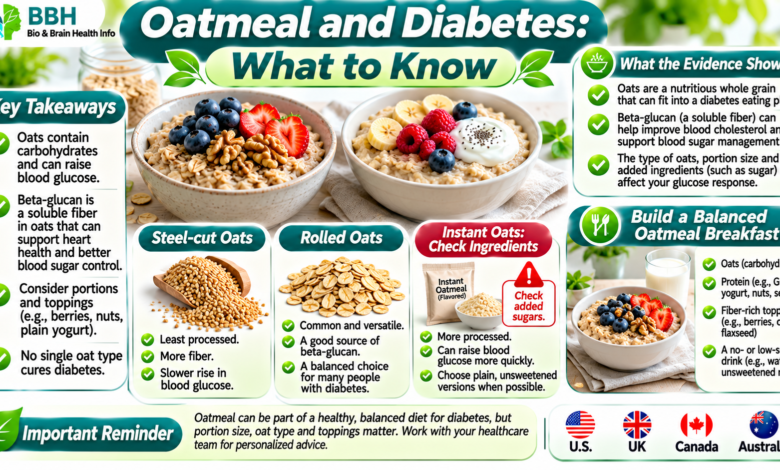
Steel-cut oats are oat groats chopped into smaller pieces, generally retaining a firm texture and requiring longer cooking. Rolled oats are steamed and flattened, making them useful for porridge, overnight oats and baking.
Instant oats are more finely processed or precooked for convenience. Some versions may be digested more quickly, but instant oatmeal is not automatically bad for diabetes. Diabetes UK specifically says porridge oats or the instant variety can both be included, while advising avoidance of added free sugars.
| Oat type | Typical preparation | What to consider |
|---|---|---|
| Steel-cut oats | Chopped whole groats, longer cook | Firm texture, usually less processed |
| Rolled oats | Steamed and flattened | Convenient, wholegrain, versatile |
| Plain instant oats | Finely cut or precooked | Check portion, not automatically high in sugar |
| Flavored instant packets | Sugar or sweeteners may be added | Read total carbs and added sugars |
| Oat bran | Fiber-rich bran component | Serving and carbohydrate still matter |
The bigger practical distinction is often plain versus flavored. A plain instant packet without added sugars can be a convenient breakfast, while a large flavored packet with syrup or sugar may change the carbohydrate load and nutritional profile.
Oat bran contains concentrated parts of the grain rich in fiber and may suit some recipes, whereas granola and oat bars require careful label checking. Their added sugar, portion size and oils vary considerably.
The role of beta-glucan soluble fiber
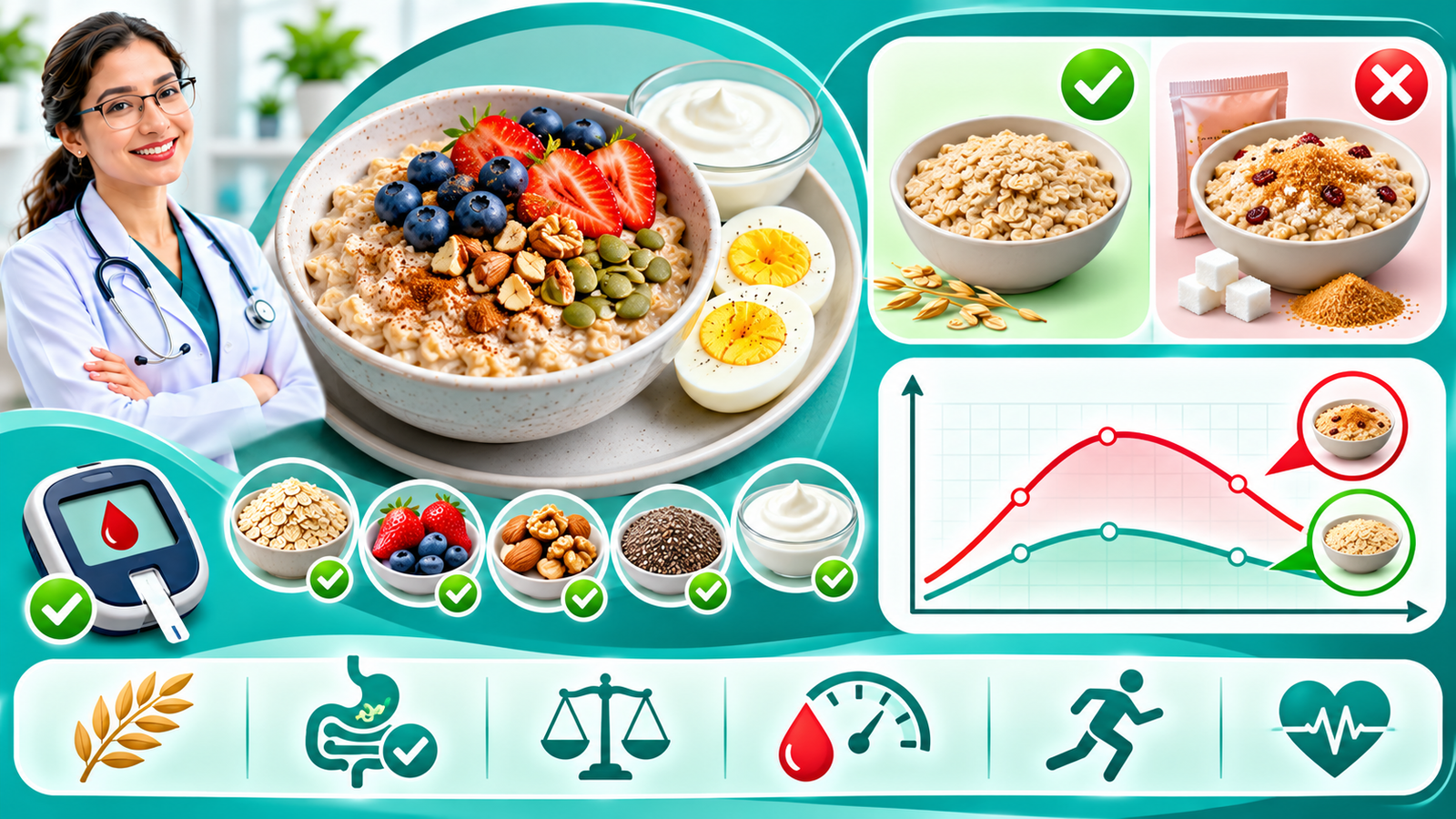
Oats contain beta-glucan, a soluble fiber that forms a viscous mixture in the digestive system. Oat beta-glucan has evidence for helping lower LDL cholesterol and can slow the absorption of some nutrients, including carbohydrate, under certain meal conditions.
That does not mean every serving of oatmeal delivers a clinically meaningful glucose reduction. Effects vary by the oat product, its beta-glucan content, molecular properties, dose and the rest of the meal. Claims of immediate glucose normalization are not supported.
Heart-health benefits are relevant because people with diabetes often need attention to cardiovascular risk as well as glucose. Oats can contribute to the ADA’s broader dietary fiber recommendation of at least about 14 grams per 1,000 calories.
Fiber increases should be gradual if a person experiences bloating or gastrointestinal discomfort. Adequate fluids and varied whole grains, legumes, fruits and vegetables help build a more balanced pattern than relying on one breakfast food.
A personalized oatmeal and diabetes approach considers the carbohydrate from oats, sweeteners, fruit and the entire meal.
Oatmeal and Diabetes: Portion Sizes
The amount of oatmeal suitable for one person depends on their carbohydrate needs, energy requirements and treatment. There is no universal ADA rule that everyone with diabetes must eat a specific number of tablespoons.
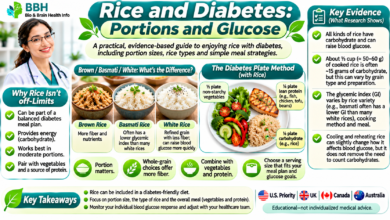
For an illustrative U.S. product, a one-half-cup dry serving of plain rolled oats often supplies roughly 27 grams of total carbohydrate, but brands and serving weights differ. Read the exact Nutrition Facts label before relying on that example for insulin or carbohydrate planning.
| Oat measure | Meaning | Important reminder |
|---|---|---|
| ½ U.S. cup dry rolled oats | Often around 27 g carbohydrate for some products | Use your own label; brand and weight vary |
| ⅓ cup dry oats | Sample Diabetes Canada balanced-breakfast amount | Cooked yield depends on water |
| 1 cup cooked oatmeal | Contains a variable amount of original dry oats | Do not substitute for a dry measure |
| Added milk, fruit and sweetener | Contributes more carbohydrate | Include in total meal if counting |
Diabetes Canada illustrates one-third cup of dry oats making approximately one cup cooked as an option in its balanced-breakfast materials. The amount of cooked porridge depends on added liquid and cooking time; a cooked-volume measure is not interchangeable with a dry measure.

A kitchen scale or marked measuring cup can help with consistency. If the packet lists a serving by dry weight, measure the oats dry. Add any carbohydrate from milk, berries, honey or other toppings when accurate counting matters.
Healthier toppings and combinations
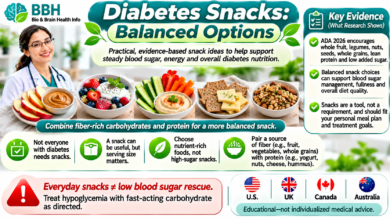
Whole berries, sliced apple, cinnamon, chopped nuts, chia or flax seeds and a modest quantity of plain yogurt are practical additions. They supply varied nutrients without necessarily adding free sugars or highly processed ingredients.
A tablespoon of nut butter or chopped walnuts contributes unsaturated fat and some protein. These foods are energy-dense, so a measured amount is useful, especially when an individual is managing total energy intake.
Milk and yogurt contribute carbohydrate as well as other nutrients. Unsweetened fortified soy drinks may offer an alternative for some readers, while sweetened flavored plant milks can add sugars. Compare labels rather than assuming dairy-free means carbohydrate-free.
Protein and fiber can help a meal feel satisfying and affect digestion, but they do not cancel the carbohydrate in oats. A bowl topped with honey, maple syrup, chocolate chips and sweetened dried fruit may contain far more carbohydrate than the base oats alone.
A personalized oatmeal and diabetes approach considers the carbohydrate from oats, sweeteners, fruit and the entire meal.
Sweet, savory and overnight oatmeal ideas
For a simple sweet bowl, cook plain rolled oats, then add berries, unsweetened Greek-style yogurt and a small quantity of walnuts. Cinnamon or vanilla can add aroma without requiring sugar syrup.
Overnight oats can be prepared with plain oats, unsweetened milk or a suitable alternative, chia and fruit. Keep the jar refrigerated; adjust the amount of oats and milk to the person’s nutritional requirements. Overnight preparation does not make the carbohydrate disappear.
A savory option combines cooked oats with mushrooms, spinach and a boiled egg or tofu scramble. This can suit readers who dislike sweet breakfasts and want to include non-starchy vegetables early in the day.
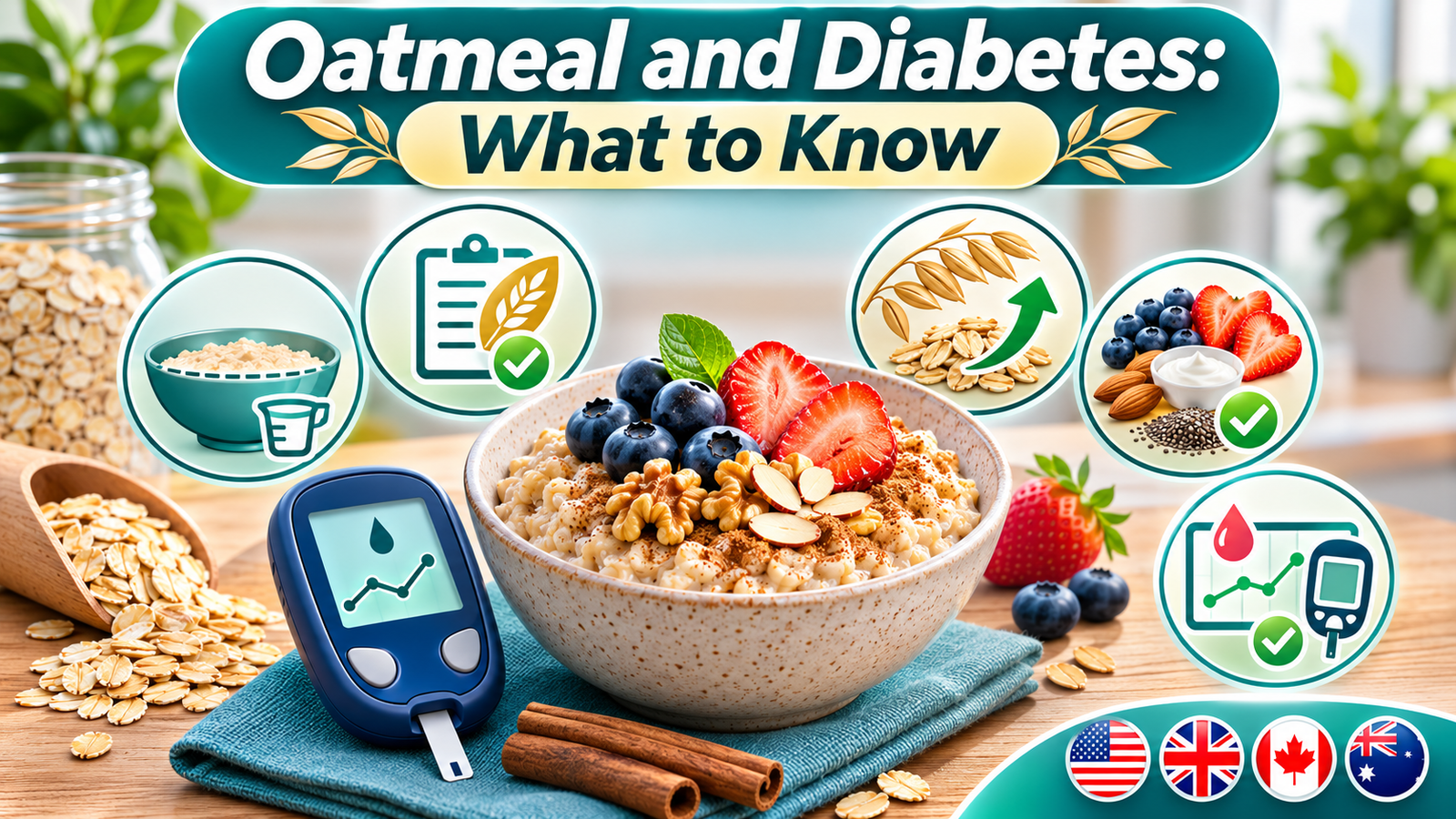
Another option is a small bowl of plain oats alongside eggs and tomatoes. These are meal ideas rather than carbohydrate-calculated prescriptions; exact recipes would need measured ingredients before calculating an insulin-related carbohydrate total.
Instant oatmeal, granola and oat products
Plain instant oatmeal offers convenience and can fit an individualized eating pattern. Flavored packets, breakfast bars and granola are less predictable because sweeteners, dried fruit, serving sizes and processing vary by product.
Review the Nutrition Facts or local food label for serving weight, total carbohydrate, fiber, added sugar and saturated fat. An oat product may be described as natural or wholesome even when a single serving contains substantial sweetener.
Granola can be very energy-dense because it combines oats with oils, syrups and nuts. A small measured portion over plain yogurt may be easier to include than an oversized bowl treated as ordinary cereal.
A label saying ‘no added sugar’ does not necessarily mean low carbohydrate. Oats themselves contain starch, while fruit and milk contribute natural sugars. The complete ingredient list matters as much as the front-of-pack claim.
Oatmeal compared with refined breakfast cereals
Compared with many low-fiber refined cereals, minimally processed oats can deliver more soluble fiber and a less heavily sweetened foundation for breakfast. That is a food-quality advantage, not proof that oats cannot raise blood glucose.
Some refined cereals are fortified with vitamins and minerals, but they may contain little fiber and substantial added sugar. Packaging can be confusing, so compare similar serving weights rather than comparing a tiny labeled portion with an oversized bowl.
The ADA’s diabetes nutrition recommendations prioritize whole grains and high-fiber carbohydrate sources. Diabetes UK recommends porridge without syrups as a simple swap. Australian guidance similarly includes traditional rolled or steel-cut oats among lower-GI cereal choices.
Consider enjoyment, affordability and preparation. A simple plain instant oat option with appropriate toppings may be a more sustainable improvement than purchasing expensive imported ‘superfood’ cereals.
How to interpret post-breakfast glucose readings
People using glucose meters or continuous glucose monitors may notice that oatmeal produces different results on different days. Sleep quality, stress, dawn physiology, medications, activity and the preceding meal can influence the response.
For many nonpregnant adults with established diabetes, a commonly used individualized management goal is peak postmeal glucose below 180 mg/dL, measured around one to two hours after the start of eating. This is not a diagnostic test or a universal target.
If a pattern of higher readings appears, record the dry oat quantity, milk, fruit and sweeteners rather than blaming oats alone. Compare similar meals over time and seek professional interpretation when needed.
An unexpectedly high or low sensor value may require confirmation according to device instructions. Do not independently adjust insulin or stop eating breakfast because one glucose curve differs from a diagram found online.
Oatmeal and Diabetes in Four Countries
In the United States, ADA 2026 guidance supports minimally processed whole grains and high-fiber carbohydrate foods. The ADA’s Food Hub recommends rolled or steel-cut oats as higher-fiber hot cereal options while acknowledging that convenient instant foods may be used.
In the UK, Diabetes UK advises porridge or plain instant oats and warns about adding syrups or honey. It also encourages considering the total amount of carbohydrate, especially for people who count carbohydrates.
Diabetes Canada includes oats among balanced-breakfast examples, with a one-third-cup dry serving shown in a sample plate resource. This is an illustration, not a mandatory limit for all patients.
| Region | Oatmeal recommendation | Practical note |
|---|---|---|
| United States | ADA 2026: whole grains and high-fiber carbohydrates | Use Nutrition Facts and individual portions |
| United Kingdom | Diabetes UK: porridge or instant fine, limit free sugars | Check syrups and flavored packets |
| Canada | Diabetes Canada: oats in balanced breakfast | ⅓ cup dry in one educational example |
| Australia | NDSS/healthdirect: traditional oats among lower-GI options | Read serving sizes and choose less-sweetened products |
In Australia, healthdirect and NDSS list traditional oats among lower-GI breakfast options. Standard package sizes and units vary by country, but all four approaches emphasize individual needs, high-fiber food choices and attention to added sugar.
Special considerations and safety
For type 1 diabetes and for people using mealtime insulin, oatmeal carbohydrates may need to be counted using a prescribed insulin-to-carbohydrate approach. A blog cannot safely determine medication doses or personal portion limits.
People taking sulfonylureas or insulin may be at risk of low glucose if they skip or sharply reduce breakfast without appropriate medication planning. A low-carbohydrate breakfast does not automatically make that risk disappear.
Individuals with celiac disease should seek oats that are certified gluten-free and medically appropriate because oats may be contaminated with wheat, barley or rye during growing or processing. Some individuals with celiac disease may also react to oat proteins.
Pregnancy and chronic kidney disease may require specific nutrition advice. The glycemic goals and protein or mineral restrictions for these conditions differ from general adult guidance, so a registered dietitian and treating clinician should tailor recommendations.
Frequently asked questions
Does oatmeal raise blood sugar? Yes, its carbohydrate can increase glucose; fiber, preparation and other foods influence the response.
Are steel-cut oats always best? They retain more texture and may be digested differently, but portion size, preparation and personal needs remain important.
Can instant oats be eaten with diabetes? Yes. Plain instant oats are not automatically unsuitable; check flavored packets for added sugar and total carbohydrate.
How much dry oatmeal should I use? There is no universal amount. Use your chosen product’s label and your individualized meal plan.
Does beta-glucan cure diabetes? No. It supports nutrition and has cholesterol-related benefits, but oats do not replace diabetes treatment.
Can I add bananas? Yes, in a suitable portion; fruit contributes carbohydrate and should be included in the complete meal calculation.
Is oatmeal better than sugary cereal? Plain whole-grain oatmeal often provides more fiber and less added sugar, depending on the products compared.
Are overnight oats safe? They can be a practical meal if stored safely, and they still contain carbohydrate.
Conclusion: Enjoy Oatmeal With Portion Awareness
The strongest oatmeal and diabetes guidance is practical: oats can provide useful whole-grain fiber, while their carbohydrate content still matters. Plain oats are usually easier to personalize than heavily sweetened breakfast products.
Measure the product serving consistently, build a balanced bowl, and discuss persistent postmeal highs or medication concerns with a diabetes dietitian or clinician. Favor sustainable eating patterns rather than relying on any one food to prevent complications.
Research Sources and Further Reading