Diabetes and Stroke: Understanding Risk
Diabetes and Stroke: Risks and Prevention


Diabetes and stroke: understanding risk is about much more than the number on a glucose meter. Diabetes, particularly when combined with high blood pressure, unhealthy cholesterol levels, smoking or kidney disease, can increase the likelihood of blood-vessel injury and stroke. Yet stroke is not inevitable, and prevention can begin well before symptoms arise.
Thank you for reading this post, don't forget to subscribe!This evidence-based BBH guide explains why diabetes affects brain blood vessels, how to recognize a medical emergency, which screenings matter, and what treatment options have shown cardiovascular benefit. It prioritizes US guidance while noting differences for readers in the UK, Canada and Australia. Sources include the American Diabetes Association (ADA) 2026 Standards of Care and American Heart Association/American Stroke Association (AHA/ASA) guidance.
Diabetes and Stroke: Understanding Risk
Understanding diabetes and stroke risk starts with how a stroke occurs: part of the brain does not receive adequate blood supply, or a blood vessel in or around the brain ruptures. Brain cells can be injured quickly, making timely emergency treatment crucial. Diabetes increases risk, but the magnitude varies with age, duration of diabetes, blood pressure, cholesterol, smoking, atrial fibrillation, kidney function, and previous cardiovascular problems.
Both type 1 and type 2 diabetes may be associated with vascular complications. In type 2 diabetes, insulin resistance frequently coexists with other cardiovascular risk factors. In type 1 diabetes, long-term glucose exposure and other risk factors are also important. A single A1C result cannot establish whether brain vessels are healthy or predict an individual’s next event.
Some people will have few recognizable symptoms until a stroke occurs. For this reason, the most useful question is not simply “Is my blood sugar normal?” but “What is my complete risk profile, and which risks can we reduce safely?”
How Diabetes May Increase Stroke Risk
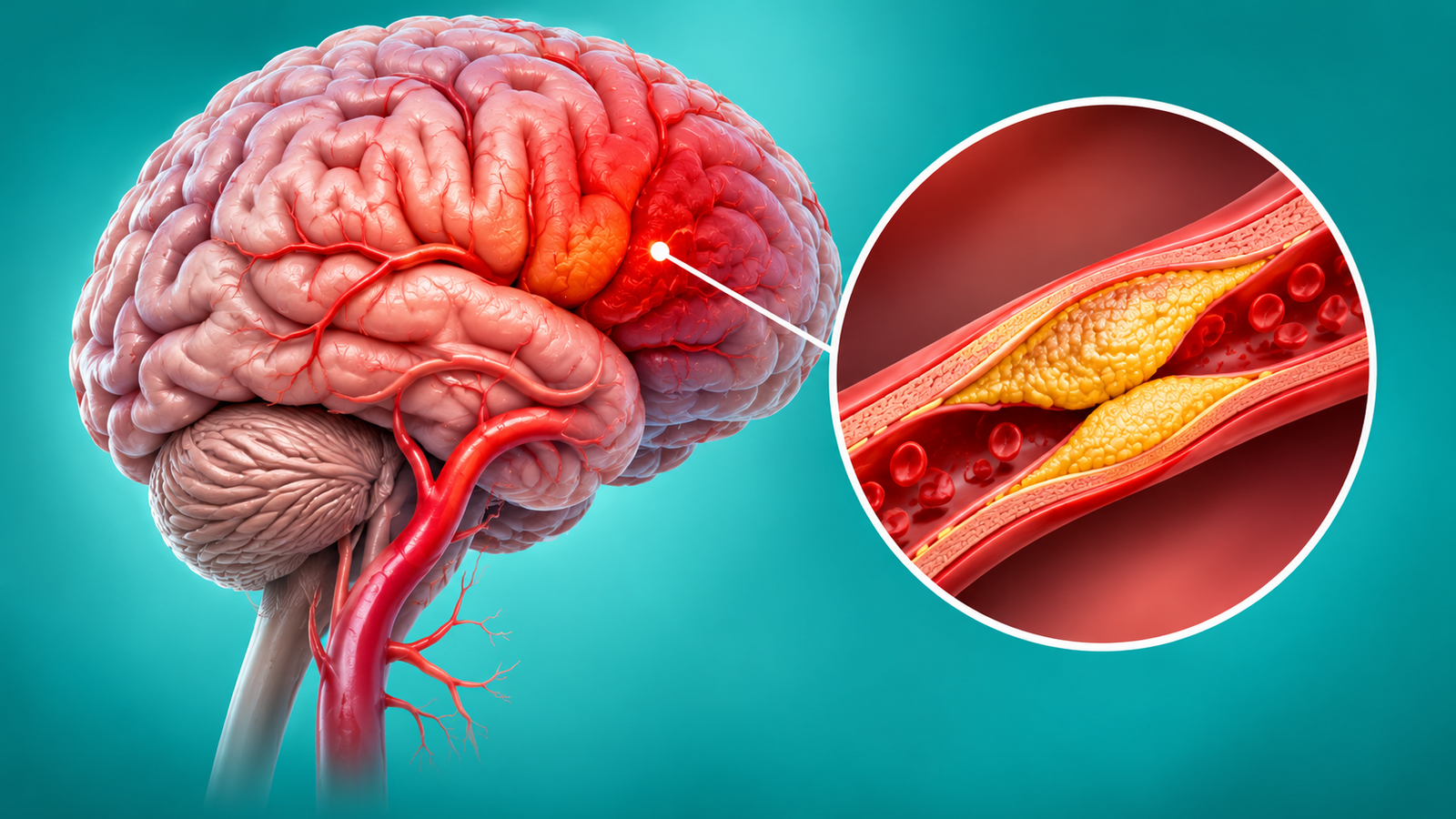
Research on diabetes and stroke risk shows that glucose exposure and metabolic disturbances can influence the lining of blood vessels, inflammatory pathways, and the development of atherosclerosis. Atherosclerosis is the gradual accumulation of fatty deposits in artery walls; plaques may narrow vessels or contribute to clot formation. High blood pressure can compound damage, while abnormal lipids and tobacco further increase vascular risk.
An ischemic stroke may occur when a blood clot blocks an artery supplying the brain. Some clots form in arteries narrowed by atherosclerosis; others travel from the heart, including with atrial fibrillation. Diabetes does not explain every stroke: heart rhythm disorders, carotid artery disease, inherited conditions and other causes can be involved.
Stroke risk is not reduced simply by taking more glucose-lowering medication. Treatment must consider the benefits and potential harms of glucose goals, antihypertensive medicines, cholesterol treatment and selected diabetes therapies with demonstrated cardiovascular outcomes.
Ischemic Stroke, Hemorrhagic Stroke and TIA
| Condition | What happens | Response |
|---|---|---|
| Ischemic stroke | Blood flow to part of the brain is blocked | Emergency stroke assessment and time-sensitive treatment |
| Hemorrhagic stroke | A blood vessel bleeds in or around the brain | Emergency evaluation and treatment of bleeding and its cause |
| Transient ischemic attack (TIA) | Temporary interruption of brain blood supply with resolving symptoms | Emergency assessment; can warn of a subsequent stroke |
The type cannot reliably be identified at home. Imaging and professional assessment are necessary, and the treatments differ dramatically. For example, medicines used to dissolve a clot in certain ischemic strokes may be dangerous when a stroke is caused by bleeding. This is why self-treating a suspected stroke with aspirin is inappropriate.
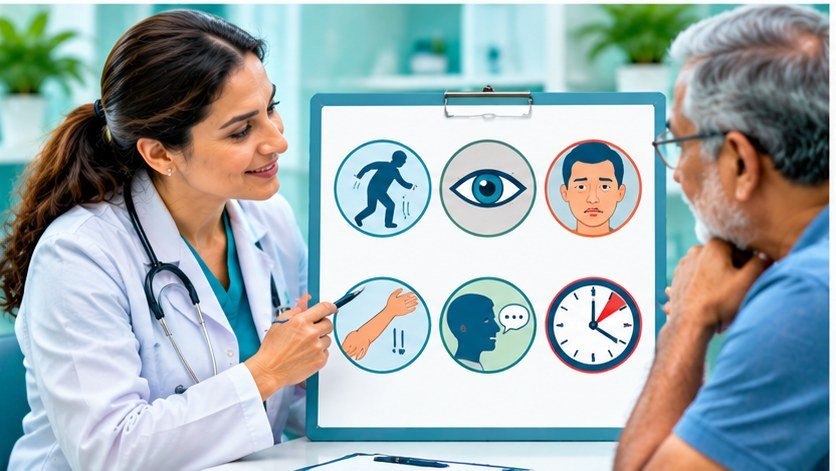
Diabetes and Stroke Warning Signs: BE FAST
Remember B for sudden balance trouble, E for sudden eye or vision changes, F for face drooping, A for arm weakness, S for speech difficulty and T for time to call emergency services. A stroke may also produce sudden numbness, severe unexplained headache, confusion or difficulty walking. Not every stroke follows the classic FAST pattern.
If symptoms begin, use your country’s emergency number immediately and explain that stroke is suspected. Record the time symptoms started, or when the person was last known to be well. Do not allow the person to drive, and do not delay while checking blood pressure or glucose. Emergency responders can evaluate glucose and other causes during treatment. If the person is unconscious or not breathing normally, follow dispatcher instructions.
A TIA can be brief, and the person may feel completely normal afterward. This does not make it safe to postpone evaluation. Timely assessment can identify vascular disease, abnormal heart rhythm and other preventable causes.
Risk Factors Beyond Blood Sugar
For diabetes and stroke risk, hypertension is a particularly important modifiable risk factor. High LDL cholesterol, smoking, low physical activity, sleep apnea, obesity, chronic kidney disease, and existing cardiovascular disease may add to risk. Age and family history affect baseline risk but do not mean prevention is pointless. Risk often accumulates rather than coming from a single exposure.
Diabetes and stroke risk can also be elevated when kidney disease is present. eGFR and urine albumin-to-creatinine ratio are helpful for kidney assessment, and albuminuria can be an important vascular risk marker. Read Diabetic Kidney Disease: Complete Guide to understand these tests.
Some people have atrial fibrillation, an irregular heart rhythm that can allow clots to form in the heart and travel to the brain. This requires a different prevention decision from plaque-related stroke. Symptoms such as palpitations, dizziness or unexplained breathlessness should be discussed with a clinician, although atrial fibrillation can occur without obvious symptoms.
A Practical Diabetes Stroke-Risk Health Review
To assess diabetes and stroke risk, at routine appointments discuss blood pressure readings, lipid results, diabetes duration and treatment, kidney tests, tobacco use, activity, sleep and any cardiovascular history. Depending on age and risk, a clinician may estimate a ten-year cardiovascular risk to guide prevention. A glucose check alone is insufficient.
| Check | Reason | What to ask |
|---|---|---|
| Blood pressure | A major stroke risk factor | What is my individual target and home-monitoring plan? |
| Lipids / LDL cholesterol | Guides atherosclerosis prevention | Do I need a statin or additional lipid treatment? |
| A1C and glucose patterns | Supports safe diabetes treatment | Are my targets appropriate without excessive hypoglycemia? |
| eGFR and urine UACR | Identifies kidney involvement | Have both tests been checked this year? |
| Heart rhythm assessment | May identify atrial fibrillation | Do symptoms or history warrant an ECG? |
| Lifestyle and medication review | Finds practical barriers and interactions | Which changes would offer the greatest benefit? |
Diabetes and Stroke: Understanding Risk Reduction
Reducing diabetes and stroke risk is most effective when modifiable risks are addressed together. The ADA and AHA/ASA recommend individualized attention to blood pressure, dyslipidemia, tobacco, activity, nutrition and glucose, with clinically appropriate therapies. No single diet, supplement or glucose reading can provide complete protection.
Build a safe blood-pressure routine
Blood pressure should be checked during routine clinical care, and home measurements can help track control when taught correctly. Many adults with diabetes have a treatment goal below 130/80 mmHg if it can be achieved safely, but more intensive approaches or less stringent goals depend on individual circumstances. Repeated dizziness, falls, pregnancy and other health factors matter. Do not independently double medication after a high reading.
Treat cholesterol according to cardiovascular risk
Statin treatment is often recommended for adults with diabetes, depending on age and other risk factors, with more intensive LDL-lowering in people who have established atherosclerotic cardiovascular disease. Clinicians may consider additional lipid-lowering therapy when goals are not met. Diet helps, but it is not necessarily a substitute for evidence-based medication.
Choose sustainable food and activity habits
Vegetables, fruit, whole grains, beans, nuts, appropriate protein and unsaturated fats are central to many heart-healthy eating patterns. Mediterranean-style patterns can support cardiometabolic health, but cultural preferences, kidney disease, and cost should inform plans. Regular walking and resistance activity may help blood pressure, mobility and overall health. Begin at a safe level, especially with heart symptoms or foot ulcers.
Avoid smoking and address sleep health
Smoking cessation is a high-value preventive action. Ask about counseling and appropriate cessation medicines. Sleep apnea and chronic sleep disruption can complicate cardiometabolic care; symptoms such as loud snoring, witnessed breathing pauses or excessive daytime sleepiness should be discussed. Limit alcohol according to personal health advice.
For practical glucose-management routines, see Managing Blood Sugar: Daily Habits. The aim is steady improvement, not perfection or extreme lifestyle rules.
Medicines: What Actually Helps Prevent Stroke?
Medicines for diabetes and stroke risk depend on whether prevention is primary (no previous stroke or cardiovascular event) or secondary (after an event), and on heart rhythm, kidney function, bleeding risk, age and other factors. Treating diabetes more aggressively is not automatically protective if it creates frequent severe hypoglycemia.
Blood-pressure medicines: when indicated, lowering elevated blood pressure is a major element of stroke prevention. Statins and other lipid-lowering treatments: reduce atherosclerotic cardiovascular risk in appropriate patients. GLP-1 receptor agonists: selected agents have demonstrated cardiovascular benefits, and AHA/ASA guidance recognizes a role in certain people with type 2 diabetes and high cardiovascular risk. Read GLP-1 Medicines for Type 2 Diabetes for background.
SGLT2 inhibitors: have important heart-failure and kidney benefits in selected people with type 2 diabetes; their benefits should not be misrepresented as a universal stroke-prevention effect. Antiplatelet therapy: aspirin is not recommended automatically for every person with diabetes. Its possible benefit in primary prevention must be balanced against bleeding, and it may be prescribed after an ischemic event according to specialist guidance.
Anticoagulants: for certain people with atrial fibrillation, a clinician may recommend an anticoagulant to reduce clot-related stroke risk. These are not the same as aspirin and must be selected carefully. Never begin or stop any blood thinner based on an article, and do not take aspirin during suspected stroke unless a medical professional tells you to.
An Overlooked Gap: Stroke Risk Is Not Always From Plaque
An article about diabetes and stroke should not assume every event is caused by cholesterol deposits. Heart rhythm abnormalities, carotid artery disease, structural heart conditions, hypertension-related bleeding and other mechanisms matter. The correct secondary-prevention medication depends on the diagnosed cause.
People with new irregular palpitations, unexplained faintness or a history of TIA may benefit from an ECG or rhythm monitoring when clinically indicated. This is not a reason to screen everyone with repeated tests without discussion; it is a reason to ask a targeted question. A stroke or TIA evaluation may also involve vascular imaging, heart testing and other assessments.
Can Low Blood Sugar Look Like a Stroke?
Severe hypoglycemia can cause confusion, weakness, abnormal behavior, sweating, seizures or difficulty speaking, and some symptoms may resemble a neurological emergency. Yet symptoms cannot reliably distinguish low glucose from stroke without professional evaluation. People with diabetes can experience either condition, sometimes in overlapping circumstances.
When stroke is suspected, call emergency services immediately; do not wait to rule it out at home. If a person is awake and safely able to swallow, follow their established hypoglycemia treatment plan if appropriate without delaying emergency response. Never give food or drink to a person who is unconscious, having a seizure or unable to swallow safely.
What Changes After a Stroke or TIA?
Secondary prevention is more individualized. A clinician may recommend blood-pressure and lipid treatment, antiplatelet or anticoagulant medicines depending on stroke subtype and mechanism, rehabilitation, smoking cessation and management of diabetes. Time-sensitive rehabilitation and follow-up matter, and recurrent symptoms require emergency care rather than waiting for a routine visit.
After an event, managing diabetes and stroke risk includes keeping a list of prescribed medicines, the diagnosed stroke type, heart rhythm findings, blood pressure plan and specialist appointments. Ask what signs should trigger urgent reassessment, and whether there are swallowing, mobility, communication or cognitive issues requiring support. A stroke does not mean the same treatment is appropriate for every person.
BBH Stroke Prevention Checklist for Everyday Life
- Know the stroke warning signs and local emergency number; share them with your household.
- Track blood pressure according to clinician advice and bring readings to appointments.
- Review LDL cholesterol and whether medication is appropriate.
- Discuss safe A1C and glucose targets, avoiding preventable severe hypoglycemia.
- Review kidney health with both eGFR and urine UACR.
- Take prescribed cardiovascular and diabetes medicines as directed.
- Plan realistic physical activity, nutrition and smoking-cessation support.
- Ask about rhythm assessment if irregular pulse, palpitations or TIA history is present.
- Check medication affordability, interactions and follow-up ownership.
- Schedule the next risk review before leaving the clinic.

Diabetes and Stroke Prevention: USA, UK, Canada and Australia
United States: ADA 2026 standards and AHA/ASA stroke guidance inform individualized cardiovascular prevention. In a suspected stroke, call 911. Insurance coverage and access to specialist stroke prevention, medicines and diabetes education vary; discuss practical barriers with the care team.
United Kingdom: NHS and NICE services support diabetes, vascular risk and stroke assessment. For suspected stroke, call 999 and do not drive. A brief resolving episode requires urgent assessment as a possible TIA.
Canada: Stroke and diabetes services vary by province; national guidance emphasizes blood pressure, smoking and cardiovascular risk management. In an emergency, call 911. Ask who will follow up on concerning rhythm or vascular findings.
Australia: Diabetes and stroke prevention commonly involve GPs, specialist services and national stroke resources. Call 000 for suspected stroke. The specific medication and screening plan should be personalized; the emergency response must not wait for a scheduled visit.
Frequently Asked Questions
Does diabetes automatically cause a stroke?
No. Diabetes increases risk but does not guarantee that a stroke will occur. Blood pressure, cholesterol, smoking, kidney health and individual medical history influence risk.
Is stroke risk higher in type 1 or type 2 diabetes?
Both types can be associated with vascular risk. Duration, other medical conditions and risk-factor management are important; comparing individuals by diabetes type alone is not sufficient.
Does a normal A1C mean my stroke risk is low?
Not necessarily. A1C reflects average glucose and does not replace blood-pressure, cholesterol, kidney and cardiovascular assessments.
What are the first signs of stroke?
Sudden changes in balance, vision, facial movement, arm strength or speech are important warning signs. Other sudden neurological changes also warrant emergency assessment.
What if symptoms disappear after a few minutes?
Call emergency services anyway. The episode may be a TIA, which needs urgent investigation and prevention planning.
Can low blood sugar mimic stroke symptoms?
Yes, but a glucose check must not delay emergency care when stroke is suspected.
Should everyone with diabetes take aspirin?
No. Primary-prevention benefit must be weighed against bleeding risk, while treatment after an event depends on the specific diagnosis.
Do GLP-1 drugs prevent every stroke?
No. Certain agents lower cardiovascular risk in selected populations, but no medication guarantees protection from stroke.
Can diet and exercise replace medicines?
Lifestyle changes are important but may not replace indicated blood-pressure or cholesterol-lowering medicines.
What should I ask my doctor about stroke prevention?
Ask about blood pressure, LDL cholesterol, kidney tests, glucose targets, smoking support, heart rhythm concerns and follow-up dates.
Related BBH Articles, Menu and Support
Medical References and Safety Disclaimer