Vitamin A Absorption: What Affects It?
How to Improve Vitamin A Absorption


You can eat carrots, spinach and sweet potatoes regularly and still wonder how much vitamin A your body actually receives. Nutrient content on a food chart describes what is present in a serving, not the exact quantity that reaches your tissues. Digestion, the structure of food, meal composition and individual health all influence that process.
Thank you for reading this post, don't forget to subscribe!Vitamin A absorption is particularly relevant because this nutrient is fat-soluble and occurs in several chemical forms. For most healthy Americans, a varied diet containing appropriate dietary fat is a reasonable foundation. People with digestive disorders or previous gastrointestinal surgery may require a different approach. This guide explains the science behind absorption and offers practical ways to apply it without unnecessary supplementation.
Quick Answer
Vitamin A uptake depends on nutrient form, food preparation, dietary fat and normal digestive function. Plant carotenoids must be released from food and some must be converted into active vitamin A. Bile and pancreatic function help support fat digestion. Persistent vision changes or suspected malabsorption require professional assessment.
Medical Safety Notice
This article provides general nutritional education, not diagnosis or individualized treatment. Do not self-treat suspected vitamin A malabsorption with high-dose retinol. People with liver disease, cystic fibrosis, bariatric surgery, pregnancy or prescription retinoid use should consult their healthcare team. Sudden vision loss requires emergency assessment.
In This Guide
Nutrient forms • Digestive pathway • Dietary fats • Food preparation • Genetic variation • Malabsorption • Medications • Testing • Food pairing • FAQs
1. Vitamin A Absorption: Why Food Content Is Not the Whole Story
A nutrient must pass through several stages before it can perform its biological functions. First, digestion releases compounds from a food or supplement. Next, those compounds become available for uptake by intestinal cells. After uptake, they may undergo conversion, transport or storage. Bioavailability describes the extent to which a consumed substance becomes available for use in the body.
These stages are related but are not identical. A food may contain a large amount of beta-carotene without every molecule being absorbed or converted. Conversely, a food with a modest vitamin A content may make a useful contribution when consumed regularly. Food composition tables and dietary recommendations are designed to support population nutrition planning rather than calculate an individual’s exact absorbed dose.
For the broader context, read Vitamin A: Benefits and Daily Requirements.
2. Retinol Versus Beta-Carotene Absorption
Preformed vitamin A occurs in animal foods and some fortified products or supplements. Provitamin A carotenoids occur in foods such as carrots, squash and leafy greens. Beta-carotene is one important example, but not every carotenoid can be converted into vitamin A.
| Nutrient form | Typical sources | Key consideration |
|---|---|---|
| Preformed vitamin A | Eggs, dairy, liver, some supplements | Does not require carotenoid conversion |
| Beta-carotene | Carrots, sweet potatoes, spinach | Requires conversion to provide vitamin A activity |
| Other provitamin A carotenoids | Various fruits and vegetables | Conversion efficiency differs |
The US dietary reference system uses retinol activity equivalents (RAE). As a reference, one microgram of retinol corresponds to one microgram RAE; twelve micrograms of beta-carotene from ordinary foods correspond to one microgram RAE. This is a standardized dietary conversion, not a measurement of how much a particular person absorbs. Supplement forms have different conversion factors. Source: NIH vitamin A professional guidance.
3. How Vitamin A Absorption Works in the Digestive System
The small intestine is central to the uptake of dietary vitamin A. Fat-containing meals stimulate digestive processes that help make fat-soluble compounds accessible to intestinal cells. Bile components help disperse dietary lipids, while pancreatic enzymes participate in digestion. Small mixed structures known as micelles help carry fat-soluble substances through the intestinal environment.
Once inside intestinal cells, some provitamin A carotenoids are converted into retinal and subsequently processed into other vitamin A forms. Lipid transport particles carry newly absorbed nutrients through the body. The liver helps manage vitamin A storage and distribution. The pathway is simplified here because several transport proteins and enzymes contribute to the complete process.
BBH Absorption Pathway
Food matrix → digestion and release → incorporation into mixed micelles → intestinal uptake → conversion where necessary → transport and storage. A problem at one stage may influence the availability of the nutrient at later stages.
4. Improve Vitamin A Absorption With Dietary Fat
Dietary fat can help the digestive tract absorb carotenoids from vegetables. This does not mean every meal must contain large amounts of oil. A balanced meal that already includes suitable fat may provide a practical setting for carotenoid uptake.
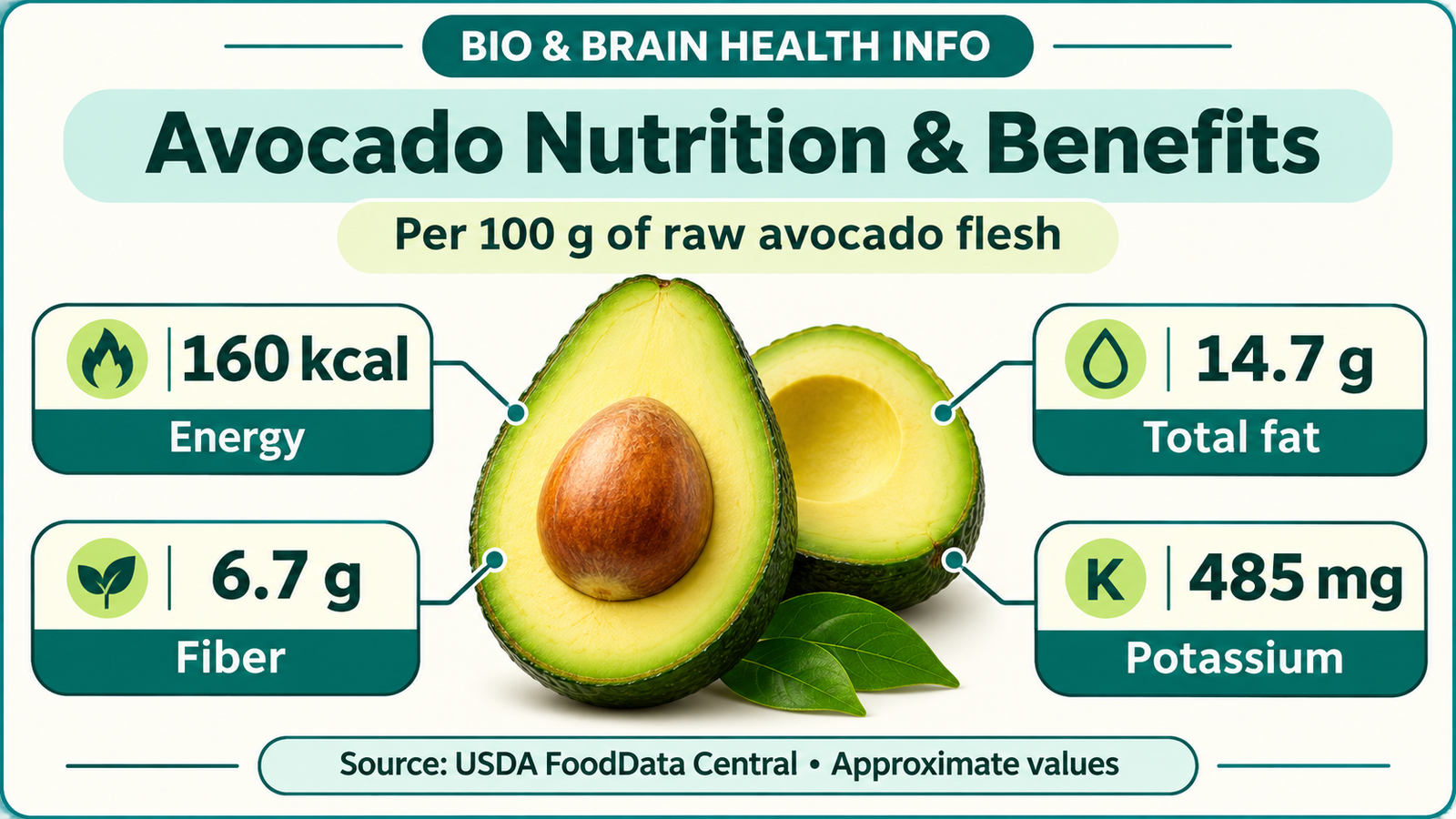
In a 2005 human feeding study, researchers compared carotenoid uptake from salads and salsa eaten with or without avocado or avocado oil. The results supported a role for dietary lipids in improving the short-term absorption of several carotenoids. The comparison was between specific test meals, so the findings should not be interpreted as a universal numerical prediction for every diet.
A 2014 study examined carrots and a high-beta-carotene tomato sauce consumed with avocado. The researchers observed changes in post-meal carotenoid uptake and conversion to vitamin A. The study received support from the Hass Avocado Board as well as research infrastructure grants. This funding context is useful when evaluating the evidence. The study does not establish that avocado is necessary, superior to all other fat sources or a treatment for clinical deficiency.
Research: Unlu and colleagues, Journal of Nutrition, 2005; Kopec and colleagues, Journal of Nutrition, 2014.
Practical food combinations for better carotenoid uptake
| Carotenoid-rich food | Possible meal pairing |
|---|---|
| Cooked carrots | Olive oil and beans |
| Spinach | Avocado and whole-grain toast |
| Sweet potato | Tahini and lentils |
| Red bell pepper | Hummus or a suitable oil-based dressing |
These examples are flexible. People with dietary restrictions should choose compatible ingredients. There is no need to add extra fat to an already balanced meal solely to pursue a larger absorption number.
5. Food Preparation and Vitamin A Bioavailability
Carotenoids occur inside plant tissues. Cutting, crushing, pureeing and cooking may change those structures and influence the release of compounds during digestion. However, processing can also reduce some nutrient content. The final effect depends on the food, preparation method and eating pattern.
Consider a raw carrot snack compared with carrots cooked in a soup. The two foods may have different physical structures, serving sizes and accompanying nutrients. The amount available for absorption is therefore not determined by the food name alone. A cooked serving may also have a different water content from a raw serving, making equal-volume comparisons misleading.
A useful US grocery strategy is to combine fresh and frozen produce according to convenience and affordability. Steam or roast vegetables if preferred, use a small amount of appropriate dressing with a salad, and include a variety of colors. Avoid extreme cooking rules or claims that raw food is always better. See Best Food Sources of Vitamin A for serving-based nutrient comparisons.
6. Why Beta-Carotene Conversion Differs Between People
The enzyme beta-carotene oxygenase 1, often abbreviated BCO1 or BCMO1, participates in conversion of beta-carotene. Research has explored how genetic differences affect carotenoid bioavailability and conversion. This helps explain why the same meal does not necessarily produce identical nutrient responses in every person.
An important distinction is that evidence about genetic variation does not automatically establish a need for commercial genetic testing or a retinol supplement. Nutritional status reflects many influences, including habitual intake, physiological regulation and medical history. A laboratory or consumer genetic report should not be used alone to select high-dose products.
A review in the Annual Review of Nutrition discusses genetic influences on fat-soluble nutrient bioavailability. Mechanistic work also examines regulation through BCO1-related pathways. These findings provide a framework for biological variability, not a validated individualized dosing algorithm. See 2018 review of genetic variation and bioavailability and 2015 mechanistic study.
7. Vitamin A Malabsorption: Medical Conditions That Matter
Some people have adequate dietary intake but cannot absorb fat-soluble nutrients efficiently. A condition affecting the pancreas, small intestine or bile flow may interfere with one or more stages of digestion. These situations deserve medical attention rather than simply adding more carrots or oil.
| Medical context | Potential issue |
|---|---|
| Exocrine pancreatic insufficiency | Reduced digestive enzyme activity |
| Cystic fibrosis | Pancreatic insufficiency may impair fat digestion |
| Bariatric surgery | Changed intake, anatomy or absorption depending on procedure |
| Intestinal disease | Nutrient uptake may be affected |
| Cholestatic disease | Reduced bile availability may impair fat absorption |
In cystic fibrosis, specialty nutrition care may include pancreatic enzyme replacement and monitored vitamin supplementation. A review of micronutrient management highlights concerns about both insufficient and elevated vitamin A status. Patients should follow the individualized plan from their cystic fibrosis team rather than apply general-population advice. See 2022 cystic fibrosis nutrition review.
After bariatric surgery, the procedure type and follow-up history matter. Keep recommended nutritional appointments even if you feel well. If prescribed supplementation or enzyme therapy is difficult to obtain, contact your treating team rather than adjusting it without advice.
8. Medications and Vitamin A Absorption Factors
Certain medications affect fat digestion or nutrient handling. Orlistat, a weight-management medication, can reduce absorption of fat-soluble vitamins, including vitamin A and beta-carotene. Its labeling contains guidance on multivitamin use. Follow the instructions for your specific product and consult a pharmacist rather than independently choosing a replacement dose.
Prescription retinoids create a different concern: additional vitamin A may increase adverse-effect risks. This is not simply an absorption problem. A medication review should distinguish interactions affecting uptake from interactions involving excessive exposure.
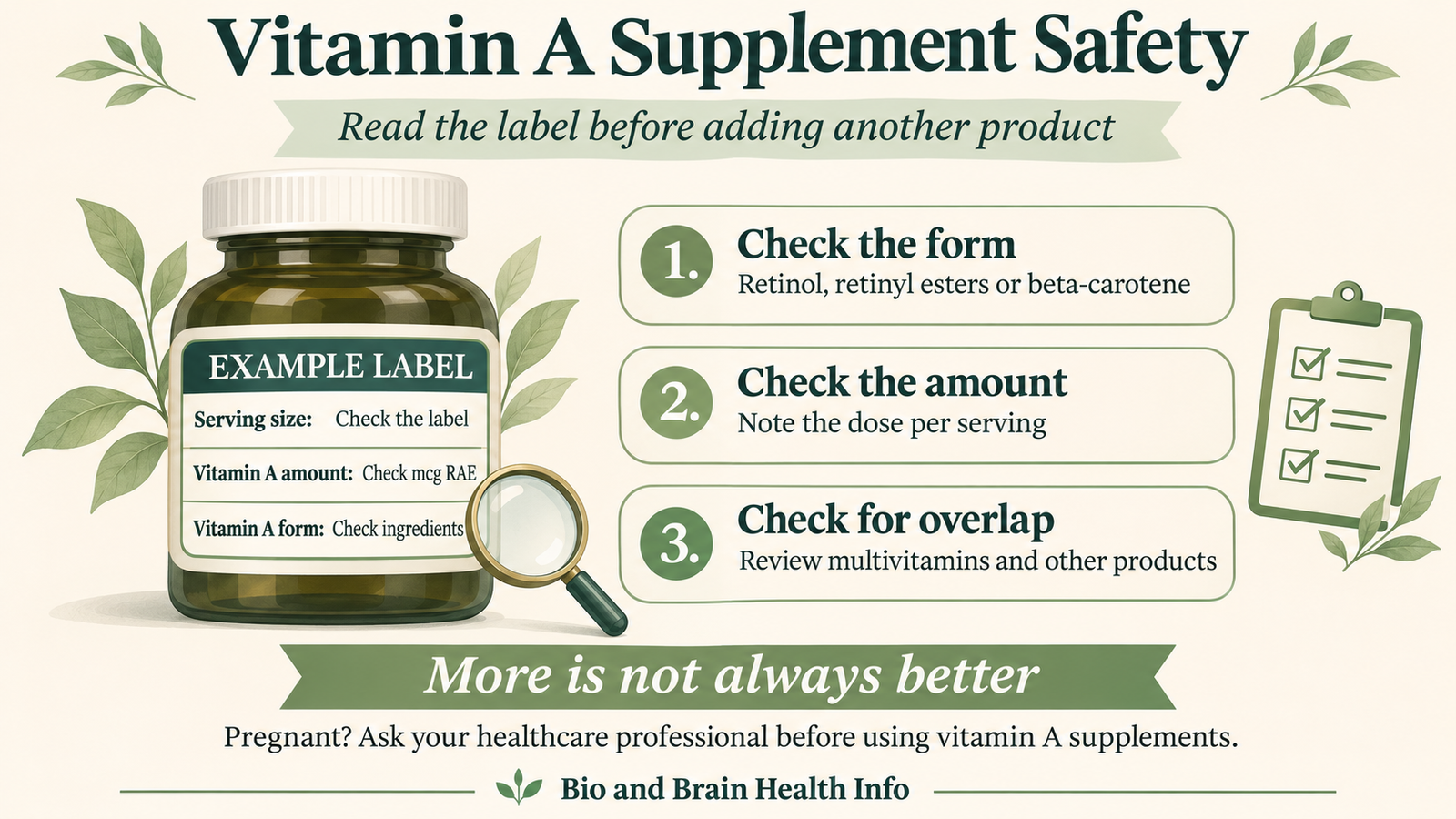
Bring photographs of your supplements and a complete medication list to your appointment. Do not stop a prescribed drug in order to improve nutrient absorption. Read Vitamin A Supplements: Uses and Safety for related precautions.
9. Can a Blood Test Measure Vitamin A Absorption?
Serum retinol testing may contribute to nutritional assessment, but it does not directly measure the fraction absorbed from a particular meal. Blood concentrations reflect several physiological processes, including transport and regulation. Inflammation can affect interpretation, and circulating levels may not fully represent stored vitamin A.
Specialized feeding studies can measure post-meal changes in circulating compounds to investigate uptake. These research methods are different from a routine clinical blood test. A person should not interpret a normal result as proof that every stage of digestion is functioning optimally, or assume a low result proves one specific absorption disorder.
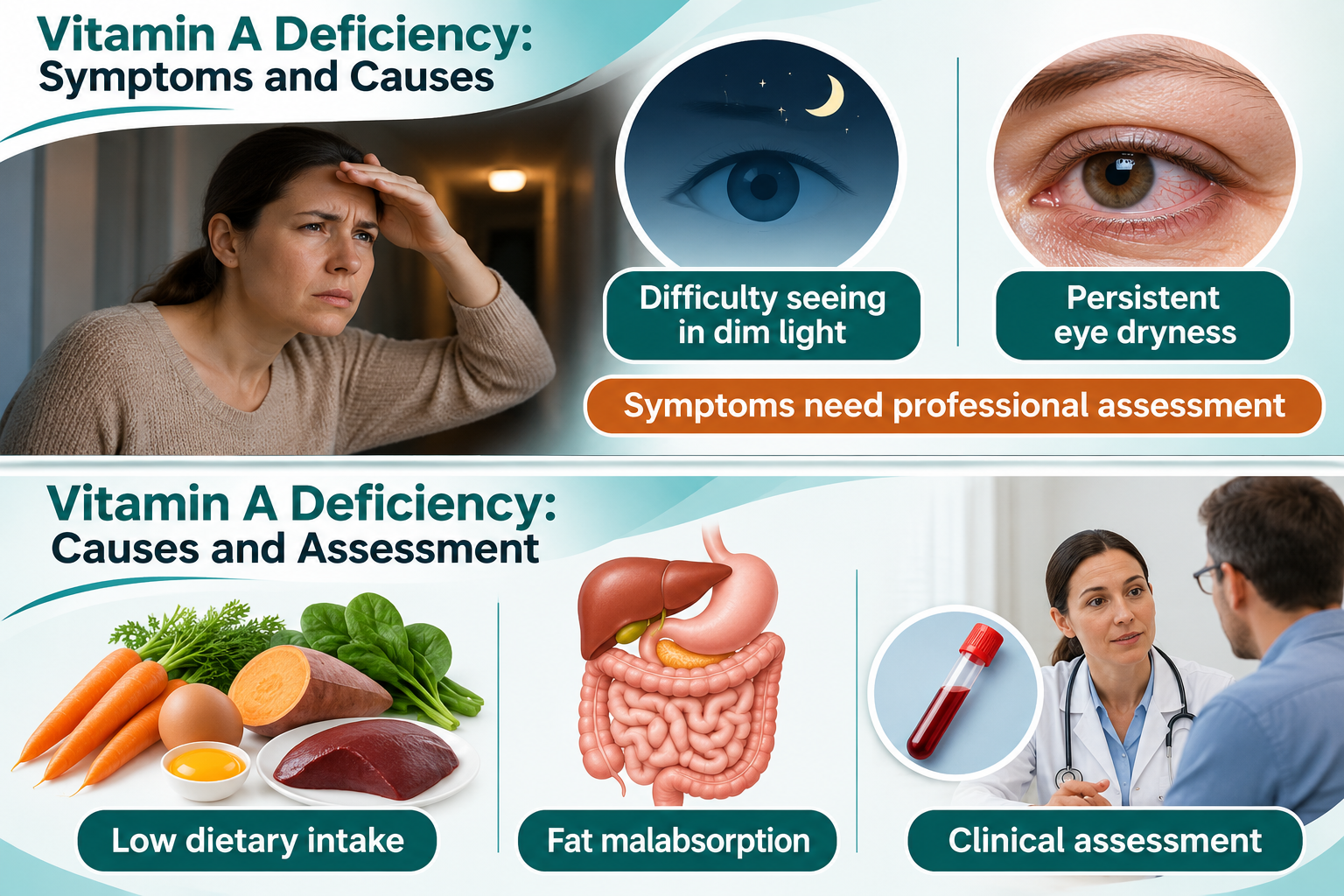
If you experience persistent night vision difficulty or have a relevant digestive condition, discuss whether an eye examination and nutritional assessment are indicated. See Vitamin A Deficiency: Symptoms and Causes.
10. BBH Food-First Absorption Planner
A practical strategy for healthy adults is to build varied meals rather than attempt to maximize absorption from a single ingredient. At breakfast, consider eggs or a suitable fortified product alongside ordinary foods. At lunch, include leafy vegetables with a compatible dressing. At dinner, add a cooked orange vegetable to a meal that already contains an appropriate source of fat.
For plant-based eaters, regularly include multiple carotenoid-rich foods and check fortified product labels. A vegetarian or vegan diet can contribute adequate vitamin A activity when appropriately planned. People with restricted food intake or medical concerns may benefit from consultation with a registered dietitian.
Seven-day food review
Record the vegetables and fruits you consume, how they are prepared, the accompanying foods, fortified products and any supplements. Look for variety and consistency rather than calculating a supposed personal absorption percentage. If digestive symptoms persist, discuss the record with a healthcare professional.
11. Avoid Common Vitamin A Absorption Mistakes
Do not equate a higher absorption rate with a guaranteed health improvement. Avoid adding large quantities of fat to meals solely because of a research result. Do not assume that all plant pigments become vitamin A or that a supplement bypasses every digestive problem. Finally, avoid interpreting nutrient absorption concerns as permission to take high doses of retinol.
Excessive preformed vitamin A can accumulate and cause harm. The adult tolerable upper intake level is 3,000 mcg RAE daily from preformed sources, not a supplement target. Medical treatment for deficiency is a separate clinical decision. See Too Much Vitamin A: Risks and Side Effects.
Vitamin A absorption: preparing for a nutrition appointment
Before a routine consultation, document what you typically eat, how meals are prepared and whether you have recently changed your diet. Include any persistent digestive symptoms, previous operations, prescribed medications and supplements. Bring the original laboratory reports if you have been tested. This information helps a clinician distinguish a possible intake problem from a problem involving digestion, transport or storage.
Ask whether your medical history makes monitoring of fat-soluble nutrients appropriate and whether a registered dietitian could help you adapt your meals. If you have a prescribed enzyme or vitamin regimen, ask how it should be used with meals and what to do if you miss a dose. Follow the instructions specific to your treatment rather than a generic online schedule.
When evaluating nutrition claims, check whether a study measured short-term absorption, long-term vitamin status or actual clinical outcomes. These are different endpoints. A higher concentration after a test meal does not demonstrate that a particular food combination prevents disease. Look for details about the study participants, comparison meals and funding, and consider whether the findings apply to your circumstances.
Frequently Asked Questions
Does vitamin A need fat to be absorbed?
Dietary fat supports normal uptake of fat-soluble compounds, especially carotenoids. A balanced meal may already contain suitable fat.
Do cooked carrots improve vitamin A absorption?
Cooking can alter the food matrix and make carotenoids more accessible, but the overall effect varies with preparation.
Does coffee block vitamin A absorption?
There is no established general recommendation to avoid ordinary coffee specifically to improve vitamin A uptake.
Can poor digestion cause vitamin A deficiency?
Certain disorders affecting fat digestion or intestinal absorption can increase risk.
Can I test my absorption at home?
No home symptom checklist or food calculation reliably measures individual vitamin A absorption.
Do I need avocado with every meal?
No. Avocado is one possible dietary fat source, not a requirement.
Should I take more vitamin A if I have malabsorption?
Do not self-prescribe high doses. Treatment depends on the cause and clinical assessment.
Conclusion
Vitamin A absorption depends on food structure, meal composition, digestive function and individual physiology. Practical food combinations and a varied diet can support nutrient adequacy, but persistent medical absorption problems require professional assessment. The goal is sufficient nutrition, not the highest possible absorption rate.
Independent Clinical Review
Review status: Pending independent clinical review. This article draws on the research and public guidance linked below. BBH will add the reviewer’s name, credentials, and review date once an independent review is documented.
Research References
NIH professional vitamin A guidance
NIH consumer vitamin A guidance
Unlu et al., 2005 human feeding research
Kopec et al., 2014 human feeding research
Genetic variation and bioavailability review