Low Blood Sugar: Symptoms and Treatment
Low Blood Sugar: Signs, Causes and Care


BBH · Physical Health · Diabetes & Blood Sugar · U.S.-priority, evidence-based guide for the US, UK, Canada and Australia
Thank you for reading this post, don't forget to subscribe!Shaking hands, sudden sweating or an unexpected feeling of confusion can be frightening. For someone taking insulin or another medicine capable of causing low glucose, these symptoms may indicate hypoglycemia. It can develop while exercising, after an unexpectedly small meal, during sleep or even without a clear warning.
This guide to low blood sugar symptoms and treatment explains how to recognize a drop in glucose, what the ADA 2026 levels mean, and how to respond safely. It distinguishes a mild or moderate episode in a person who can swallow from a severe event requiring another person’s help, which is a medical emergency.
The primary reference is current U.S. guidance from the American Diabetes Association (ADA) and CDC. We also compare relevant guidance from Diabetes UK, the NHS, Diabetes Canada and the Australian National Diabetes Services Scheme (NDSS). Treatment can vary for children, certain insulin pumps and automated delivery systems, so an individualized care plan remains essential.
1. What hypoglycemia means
Low blood glucose, also called hypoglycemia, occurs when the amount of glucose available in the bloodstream falls to a level that calls for action. It is particularly important in people with diabetes treated with insulin or insulin-releasing medicines, although low glucose can have other medical causes.
The brain requires a reliable energy supply. When glucose falls, the body releases counter-regulatory hormones, which can produce shaking, sweating, palpitations and hunger. As glucose deprivation becomes more significant, thinking, coordination and behavior may change.
There is no need for every symptom to appear. Some people feel intensely hungry or anxious; others experience dizziness or unusual difficulty concentrating. Children and older adults may present differently, and a low-glucose episode can become dangerous before the person recognizes the pattern.
An episode may occur before a meal, during exercise, after drinking alcohol or overnight. Understanding the trigger helps prevent recurrence, but it should never delay immediate treatment when a person is awake and their care plan directs them to correct low glucose.
2. Low Blood Sugar Symptoms and Treatment: Warning Signs
Early low-glucose symptoms can include trembling, sweating, sudden hunger, a racing heartbeat, irritability, dizziness and headache. The experience varies; some people notice a feeling of nervousness before their meter confirms a low reading.
As glucose falls further, the person may become confused, have slurred speech, behave unusually, lose coordination or struggle to make decisions. Severe cases can result in seizures, unconsciousness or an inability to swallow safely.
Symptoms are not a perfect guide to blood glucose. Anxiety, infection, dehydration and other problems can mimic a hypo. Conversely, some people have very few warning sensations even when glucose is seriously low. Testing when possible helps determine the cause, but severe symptoms still require immediate action.
The aim of recognizing warning signs is to correct low glucose quickly and to identify when self-treatment is no longer safe. Anyone who cannot think clearly or swallow safely needs assistance rather than being expected to follow a written checklist.
3. Glucose levels and severity
The ADA 2026 framework separates hypoglycemia into three levels. Level 1 is glucose below 70 mg/dL but at least 54 mg/dL. Level 2 is below 54 mg/dL. Level 3 is severe hypoglycemia, defined by impaired functioning requiring another person’s assistance, without a required numerical cutoff.
The distinction between level 2 and level 3 is easy to misunderstand. A very low number may be treated by an alert person who can safely swallow, while a person whose glucose reading is unavailable may still have a severe episode if they cannot respond or require rescue.
| ADA 2026 level | Glucose | What it means |
|---|---|---|
| Level 1 | Below 70 and at least 54 mg/dL (below 3.9 and at least 3.0 mmol/L) | Low-glucose alert level |
| Level 2 | Below 54 mg/dL (below 3.0 mmol/L) | Clinically significant low glucose |
| Level 3 | No fixed numerical cutoff | Severe impairment requiring another person’s help |
In the UK, a hypo is often explained to patients as glucose below 4.0 mmol/L, approximately 72 mg/dL. U.S. educational materials commonly use 70 mg/dL (3.9 mmol/L). The slight difference reflects thresholds and rounding, not a reason to delay treatment.
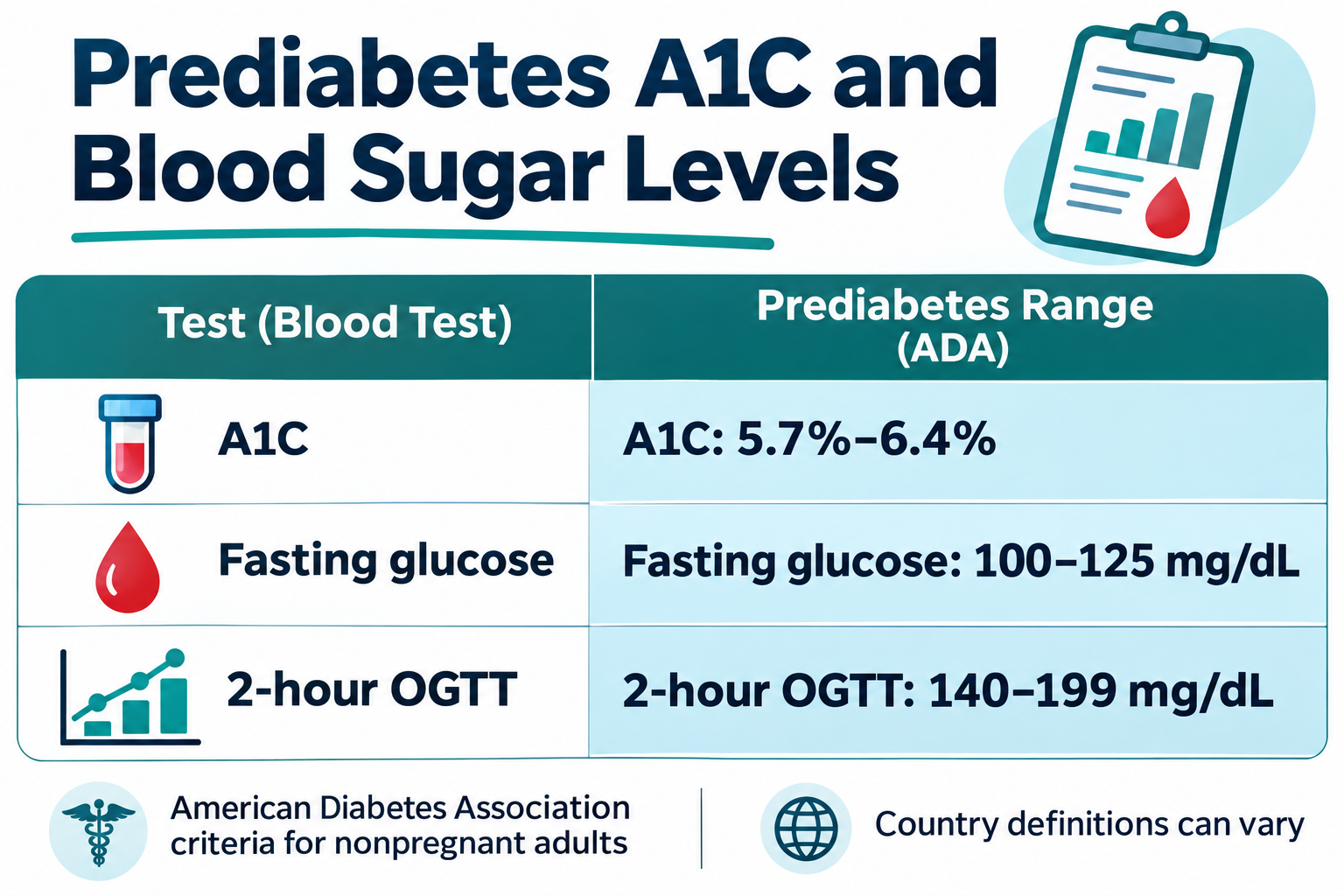
A person who frequently approaches the low threshold should discuss their management plan with a clinician, especially if episodes occur without clear symptoms. Monitoring patterns and adjusting treatment safely can reduce future risk.
These low blood sugar symptoms and treatment principles must be applied according to a personalized diabetes care and emergency plan.
4. Low Blood Sugar Symptoms and Treatment: The 15–15 Rule
For an awake adult who can swallow safely and is following standard diabetes hypoglycemia instructions, the CDC and ADA commonly recommend approximately 15 grams of fast-acting carbohydrate, followed by a glucose recheck after 15 minutes. This is known as the 15–15 rule.
Examples include glucose tablets providing 15 grams of carbohydrate, a measured quantity of glucose gel, or around 4 fluid ounces (120 mL) of regular juice or non-diet soda when the label indicates approximately 15 grams. Sugar content varies by product; check the label rather than guessing a portion.
If glucose remains below 70 mg/dL after 15 minutes, the standard instruction is to repeat the fast-acting carbohydrate and check again. Once glucose has recovered, the patient may need a snack with longer-lasting carbohydrate if a meal is not soon, according to their own care plan.

This approach does not apply to a person who is unconscious, having a seizure, vomiting repeatedly or unable to swallow safely. It may also differ in children or people using automated insulin delivery, where the ADA notes that smaller carbohydrate amounts can sometimes be appropriate. Follow individual instructions rather than automatically giving 15 grams in every situation.
5. Severe hypoglycemia and glucagon
Severe hypoglycemia occurs when a person cannot manage the episode independently because their mental or physical functioning is impaired. They may be unable to follow directions, become unconscious or experience a seizure. This is an emergency even when a glucose measurement is not available.
Call emergency medical services and follow the person’s rescue plan. If glucagon has been prescribed and a trained caregiver has access to it, administer it according to the product’s instructions. The ADA 2026 guidelines recommend glucagon for people taking insulin and for those at high risk of hypoglycemia.
Never give food, drink, oral glucose gel or tablets to an unconscious person or anyone who cannot swallow safely. This creates a choking or aspiration risk. If appropriate and safe, position them on their side while emergency help is arranged and follow dispatcher instructions.
Once the person becomes responsive, they still require medical guidance because the low glucose may recur, particularly with some long-acting medicines. Emergency services can provide appropriate assessment and additional treatment. Rescue products differ by age, dose and route, so families should review the prescribed device beforehand.
These low blood sugar symptoms and treatment principles must be applied according to a personalized diabetes care and emergency plan.
6. US, UK, Canada and Australia guidance
In the United States, ADA and CDC guidance describes the 15–15 rule for standard treatment in an alert person. Glucose below 70 mg/dL is the common low threshold. Glucagon and emergency assistance are important when an episode is severe.
In the United Kingdom, the NHS and Diabetes UK commonly define a hypo as below 4 mmol/L and advise approximately 15–20 grams of rapidly absorbed carbohydrate, then checking glucose after about 10–15 minutes. If it remains low, the patient repeats the treatment according to local instructions.
In Canada, Diabetes Canada emphasizes 15 grams of fast-acting glucose or carbohydrate followed by reassessment after around 15 minutes. Australia’s NDSS similarly commonly recommends 15 grams, with blood glucose reassessed after 10–15 minutes. Some Australian educational materials use a range of 15–20 grams.
| Country | Common alert threshold | Typical initial adult treatment |
|---|---|---|
| United States (ADA/CDC) | Below 70 mg/dL (3.9 mmol/L) | 15 g fast carbohydrate; recheck after 15 min |
| United Kingdom (NHS/Diabetes UK) | Below 4.0 mmol/L | 15–20 g rapid carbohydrate; recheck after 10–15 min |
| Canada (Diabetes Canada) | Below 4.0 mmol/L | 15 g fast carbohydrate; recheck around 15 min |
| Australia (NDSS) | Below 4.0 mmol/L | 15 g fast carbohydrate; recheck after 10–15 min |
All these guidance sources distinguish self-treatment in a conscious person from severe hypoglycemia needing rescue and emergency help. Regional differences in exact quantities or recheck timing do not override personalized advice for children, pregnancy, pumps, or other clinical circumstances.
7. Common causes and risk factors
A mismatch between medication action and available carbohydrate is a major cause of low glucose among insulin-treated patients. Taking more insulin than the body needs at that time, eating less than planned or delaying a meal can cause a drop.
Physical activity can increase glucose use during and after exercise. Alcohol, especially without enough food, can interfere with the body’s ability to maintain glucose. Kidney impairment may change how some medicines are cleared and can increase the risk of recurring episodes.
Other glucose-lowering medicines, particularly sulfonylureas, can also contribute to hypoglycemia. Not every diabetes medicine carries the same risk, and a high HbA1c does not rule out episodic lows. Individual prescriptions should be reviewed with a clinician rather than adjusted through internet advice.
Rarely, low glucose can occur in people without diabetes owing to other illnesses or medications. Repeated symptoms in someone not using glucose-lowering therapy deserve a clinical evaluation. A clinician may need to confirm genuinely low plasma glucose during symptoms and investigate causes.
These low blood sugar symptoms and treatment principles must be applied according to a personalized diabetes care and emergency plan.
8. Nighttime low blood sugar
Low glucose during sleep can be difficult to recognize because a person may not wake. Possible clues after waking include headache, unusual tiredness, disturbed sleep or damp bedding from sweating, but none of these signs confirms hypoglycemia.
Nighttime episodes are a particular concern for patients using insulin, people with a history of severe lows or anyone whose treatment plan includes bedtime activity or alcohol-related risks. Continuous glucose monitoring alarms can be useful when appropriate and prescribed.
A patient who experiences repeated overnight alarms should not simply disable the alerts. They should discuss sensor accuracy, insulin timing, meals, evening exercise and patterns with the diabetes team. A clinician may recommend adjustments or additional monitoring.
Families and caregivers may benefit from knowing the individual’s emergency plan and location of prescribed glucagon. Safety planning matters more than relying on whether someone appears to sleep normally.
9. Hypoglycemia unawareness
Some people stop feeling the usual warning signals before glucose becomes dangerously low. This is known as impaired hypoglycemia awareness. It can occur after recurrent lows and may increase the risk of serious events because the person has less time to respond.
The ADA recommends assessment of hypoglycemia risk and referral to trained professionals for evidence-based interventions when awareness is impaired. Education, individualized targets and technologies such as CGM can help, but clinical review is necessary.
Repeated unexplained falls should not be normalized as an unavoidable part of diabetes. A person may need medication changes or support in recognizing patterns and preventing lows. The safest approach is to involve the treating team rather than making abrupt independent corrections.
A caregiver who knows how to recognize confusion or unusual behavior may identify an episode when the patient does not. Discussing the plan in advance can support a faster and safer response.
These low blood sugar symptoms and treatment principles must be applied according to a personalized diabetes care and emergency plan.
10. CGM and finger-stick differences
A finger-stick meter measures capillary blood glucose at the time of testing, while a continuous glucose monitor estimates interstitial glucose and displays trends. During rapid changes, sensor readings can lag blood values. CGM alarms can be helpful but are not infallible.
If CGM readings do not match how the person feels, follow device instructions about checking with a finger-stick meter. When a patient is severely unwell, do not delay rescue or emergency care to obtain repeated sensor readings.
The use of automated insulin delivery can change the quantity of carbohydrate recommended for an alert person with a mild low, because the system may already have reduced insulin delivery. The ADA 2026 guidance notes that 5–10 grams may be appropriate in selected circumstances unless exercise or excess insulin is involved.
The person’s endocrinology or diabetes team should provide an exact device-specific plan. Generalized rules cannot account for every insulin pump, sensor or medication combination.
11. Preventing repeat episodes
Preventing hypoglycemia begins with understanding which medicines can cause it and how meals, exercise, alcohol and illness affect treatment. Keep glucose monitoring supplies and an appropriate fast-acting carbohydrate source available as instructed.
People taking insulin or at high risk should discuss a prescription for glucagon with their clinician and ensure family members know where the device is kept and how to use it. Check expiry dates and replacement access as appropriate.

Track the time and circumstances of each episode: glucose result, symptoms, last meal, medication dose and timing, recent activity and response to treatment. Repeat episodes, nocturnal lows or any event requiring assistance should trigger clinical review.
After an episode, do not compensate by stopping all prescribed diabetes treatment or making an unplanned large dose change. A safe prevention strategy is personalized, based on glucose patterns and the person’s health status.
12. Frequently asked questions
Is low blood glucose always below 70 mg/dL? In U.S. diabetes care, below 70 is an alert threshold, while level 2 is below 54. Severe low glucose is defined by requiring help, not a single number.
Can someone have symptoms with a normal reading? Yes. Some symptoms have other causes, and CGM readings may lag during rapid change. Repeated episodes should be assessed clinically.
What is the 15–15 rule? For many awake adults able to swallow, take 15 grams of fast-acting carbohydrate and recheck blood glucose after 15 minutes; repeat if still low.
Can children use the same treatment? Not always. Pediatric and automated insulin delivery plans can require different carbohydrate amounts.
What should a caregiver do if someone is unconscious? Call emergency services, give prescribed glucagon if available and appropriate, and never give anything by mouth.
Can a person have low glucose without diagnosed diabetes? Yes, but repeated suspected episodes should be evaluated because causes and treatment differ.
How do UK and Australian thresholds differ? UK sources generally use below 4 mmol/L for a hypo; Australia likewise often uses a threshold below 4 mmol/L. U.S. ADA categories include less than 70 and less than 54 mg/dL.
Is honey or chocolate the best first treatment? Glucose tablets or another fast-acting carbohydrate are preferred. High-fat foods such as chocolate may act more slowly and are not the usual first choice.
Conclusion: Know When to Treat and When to Call for Help
The most important message of low blood sugar symptoms and treatment is to recognize symptoms promptly, use the individual’s prescribed plan and separate self-treatable episodes from severe emergencies. U.S. ADA thresholds below 70 and below 54 mg/dL help categorize low glucose, but a severe event is defined by needing another person’s assistance.
For many alert adults able to swallow, fast-acting carbohydrate with a planned recheck is the standard approach. Someone unconscious, having a seizure or unable to swallow needs emergency assistance and prescribed glucagon where available. Recurring lows deserve professional review to reduce risk rather than merely repeating rescue treatment.
Scientific References