Can You Have Diabetes Without Symptoms?
Diabetes Without Symptoms: What to Know


BBH Physical Health | Diabetes & Blood Sugar | Evidence-based educational article
Thank you for reading this post, don't forget to subscribe!Many people expect diabetes to announce itself through intense thirst, constant trips to the bathroom or unusual tiredness. Yet an individual can continue working, exercising, sleeping and eating normally while a laboratory test shows elevated blood glucose. This mismatch between how someone feels and what is happening metabolically explains why routine screening matters.
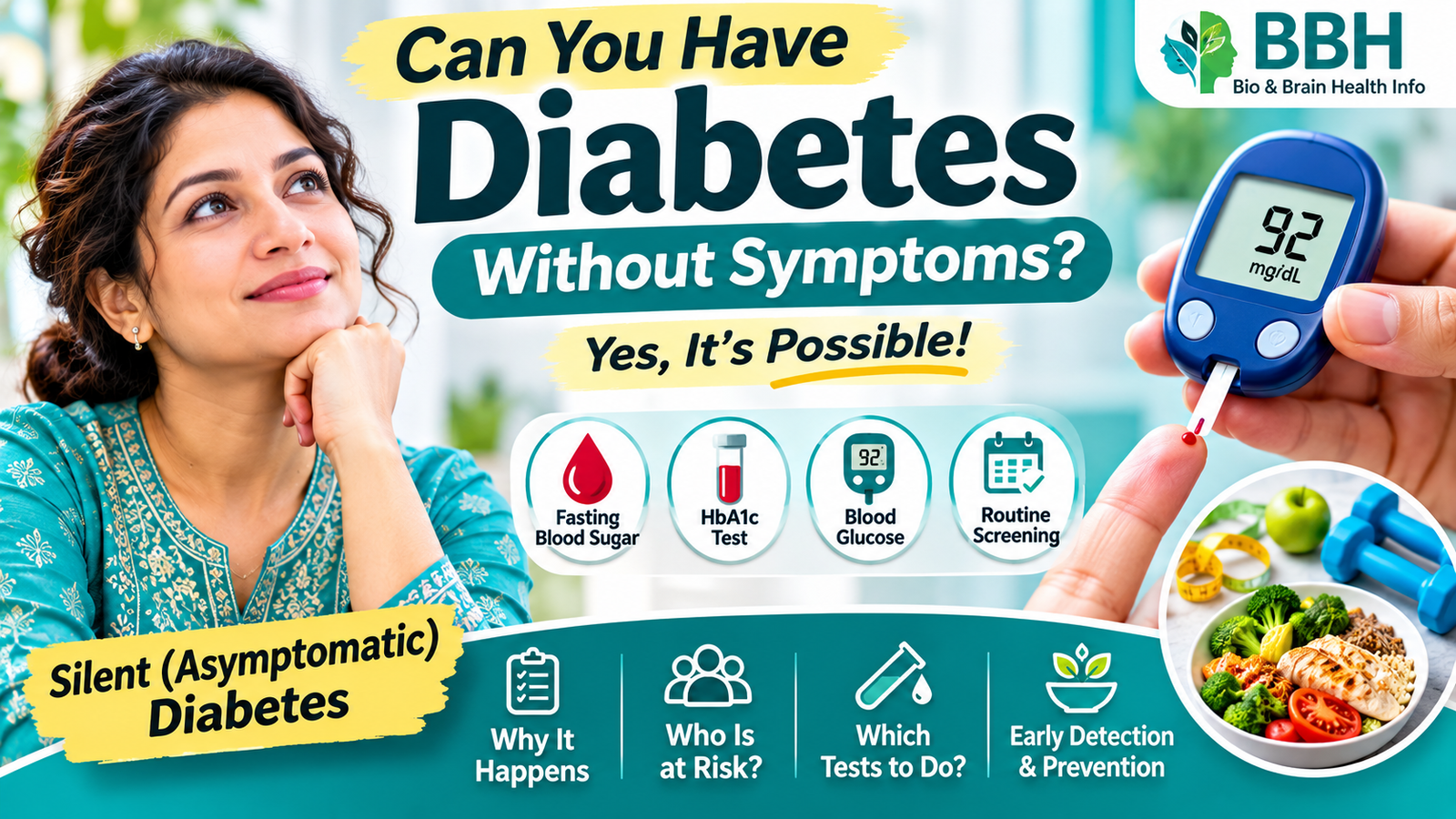
So, can you have diabetes without symptoms? Yes. Particularly with type 2 diabetes, glucose may rise over time without obvious warning signs. Early type 1 diabetes can also exist before symptoms emerge, although progression and appropriate screening differ significantly. Feeling well does not establish that blood sugar is normal.
This research-based guide explains the science of unnoticed diabetes, who should consider screening, which tests clinicians use and how to respond to abnormal results. It also covers what a symptom-free diagnosis does—and does not—mean for future health.
1. What Does Diabetes Without Symptoms Actually Mean?
The phrase silent diabetes describes diabetes that is present but has not produced symptoms the individual recognizes. It is a description of presentation, not a separate medical diagnosis and not evidence that the condition is mild.
There are two different situations. In the first, a person truly notices no unusual sensations or functional changes. In the second, changes are present but are attributed to travel, aging, a busy schedule or an unrelated condition. Both situations can lead someone to delay testing.
For example, a person might assume that waking once more at night is simply part of aging, while someone else may be genuinely symptom-free. Only a clinical evaluation can determine whether glucose is elevated, and a symptom questionnaire cannot distinguish these situations reliably.
A key point is that diabetes without symptoms does not imply there is no biological effect. Blood glucose can remain above the recommended range even when a person’s day-to-day functioning seems unchanged.
2. Why Can You Have Diabetes Without Symptoms?
To understand can you have diabetes without symptoms, start with the way blood glucose can change gradually. In many people with type 2 diabetes, the body gradually becomes less responsive to insulin. Over time, the pancreas may no longer produce enough insulin to compensate. Glucose can therefore increase without a sudden turning point that someone can easily recognize.
Classic complaints such as excessive urination and thirst are more likely to become noticeable when glucose concentrations are sufficiently elevated to cause meaningful water loss through urine. At lower or fluctuating levels of hyperglycemia, a person may not feel obviously different. Sensitivity to internal changes also varies.
A slow change can feel like the usual routine
Humans tend to notice abrupt changes more readily than gradual ones. A small decline in energy over months might be accepted as normal, whereas the same change over a single afternoon would probably receive attention. This is an observation about symptom recognition, not a reliable way to date the onset of diabetes.
Some early complications may be silent too
Elevated glucose can contribute to risk affecting the eyes, kidneys, nerves and blood vessels. Certain early changes, especially kidney disease, may not cause obvious symptoms. That is why assessment after diagnosis extends beyond asking whether someone feels ill. It can include kidney tests, blood pressure review and recommended eye examinations.

3. Which Types of Diabetes Can Occur Without Warning Signs?
Type 2 diabetes without symptoms
Type 2 diabetes without symptoms is an important public health concern because the condition often progresses gradually. A blood test obtained during a health check, preoperative review or assessment of cardiovascular risk may reveal an unexpected result. Sometimes the diagnosis follows a test performed for another reason.
Body weight does not settle the question. Type 2 diabetes can occur in individuals who do not appear overweight. Family history, age, activity levels, genetic susceptibility and metabolic factors all influence risk.
Prediabetes usually does not announce itself
Prediabetes means glucose measurements are above the normal range but do not meet diabetes diagnostic criteria. Most people cannot reliably feel this change. Screening helps identify those who could benefit from risk-reduction strategies and follow-up. Read BBH’s Prediabetes: Symptoms, Tests & Prevention for a separate guide.
Early type 1 diabetes and screening relatives
Type 1 diabetes may have a presymptomatic phase in which diabetes-related antibodies are present before classic symptoms develop. Screening close relatives of someone with type 1 diabetes may be discussed through specialist programs. Once symptomatic type 1 diabetes develops, changes can progress rapidly and need urgent evaluation. Routine type 2 screening tests do not replace specialized type 1 risk assessment.
Gestational diabetes
Gestational diabetes frequently causes no obvious symptoms. Prenatal screening is therefore important even if a pregnant person feels well. In many settings, routine screening takes place around 24–28 weeks, with earlier evaluation when a clinician identifies additional risks. Pregnancy uses different diagnostic approaches and thresholds from those in the general adult table below.
4. Who Should Get Diabetes Screening Without Symptoms?
When someone asks can you have diabetes without symptoms, the next question is whether screening makes sense. Whether a well-feeling person should be tested is a risk-assessment question, not a judgment about their motivation or health habits. In the 2026 American Diabetes Association recommendations, screening is advised on the basis of risk factors, and testing generally begins at age 35 for adults who have not already been screened through risk-based indications.
- A parent or sibling with type 2 diabetes
- Overweight or obesity, particularly alongside another established risk factor
- Hypertension, cardiovascular disease or a history of abnormal cholesterol or triglycerides
- A prior result in the prediabetes range
- Polycystic ovary syndrome, previous gestational diabetes or other recognized insulin-resistance conditions
- Physical inactivity or additional factors identified in an individual medical assessment
People of Asian ancestry can have meaningful metabolic risk at lower BMI values. The ADA uses a BMI threshold of 23 kg/m² rather than 25 kg/m² for risk-based screening in Asian populations when other relevant risk factors are present. This does not mean BMI alone determines whether someone has diabetes.
Different organizations frame screening slightly differently. For instance, the U.S. Preventive Services Task Force recommends screening nonpregnant adults aged 35–70 who have overweight or obesity. The ADA’s broader risk-based approach and general age-35 recommendation serve a different clinical framework. UK, Canadian, Australian and Indian recommendations may use their own risk tools and intervals. Consult local clinical guidance rather than treating one U.S. rule as universal.
What if a previous test was normal?
For people whose initial screening does not show diabetes or prediabetes, the ADA considers repeating screening at least every three years reasonable, with earlier reassessment if symptoms appear or risk changes. A clinician may recommend a shorter interval based on individual circumstances. For someone with prediabetes, follow-up is generally more frequent.
5. How to Detect Diabetes Early: Tests That Matter
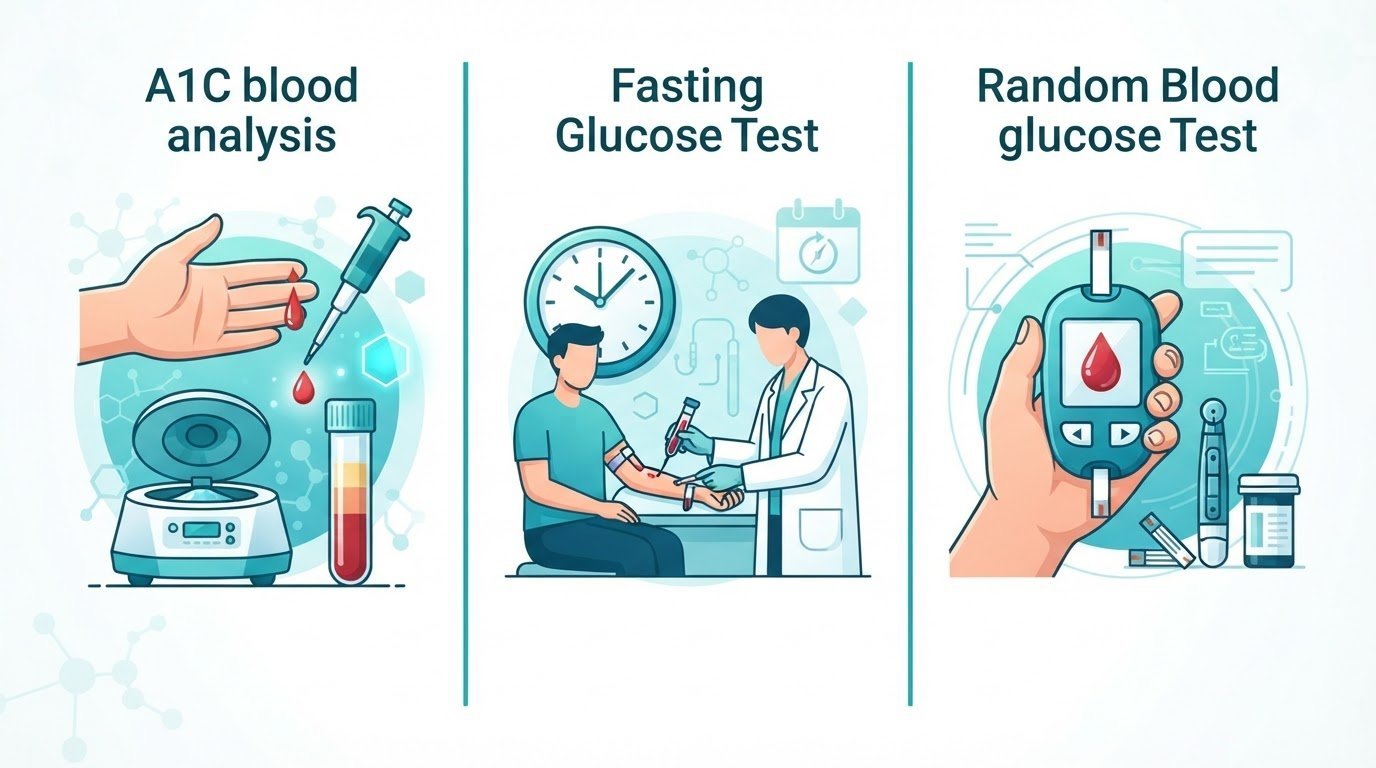
The most important practical answer to can you have diabetes without symptoms is that detection depends on testing. Laboratories commonly use HbA1c, fasting plasma glucose or an oral glucose tolerance test. A random glucose test has particular diagnostic conditions rather than being an interchangeable shortcut.
HbA1c: a longer-term view
HbA1c reflects glucose exposure over roughly the previous two to three months. It usually does not require fasting, although some conditions can make it misleading. Altered red blood cell turnover, certain hemoglobin variants, anemia and other medical circumstances may lead a clinician to use plasma glucose criteria instead.
Fasting plasma glucose: a morning snapshot
This test measures glucose after at least eight hours without calories. It offers information about glucose regulation in the fasting state, but it is not the same as an average across weeks. In some people, fasting and post-meal glucose patterns differ.
Oral glucose tolerance test: response to a glucose load
During a standard 75-g OGTT, blood is drawn before and after drinking a measured glucose solution. The two-hour result can reveal impaired glucose handling that another single measurement might miss. Preparation and the choice of test should be directed by a clinician, especially in pregnancy.
Diagnostic thresholds for nonpregnant adults
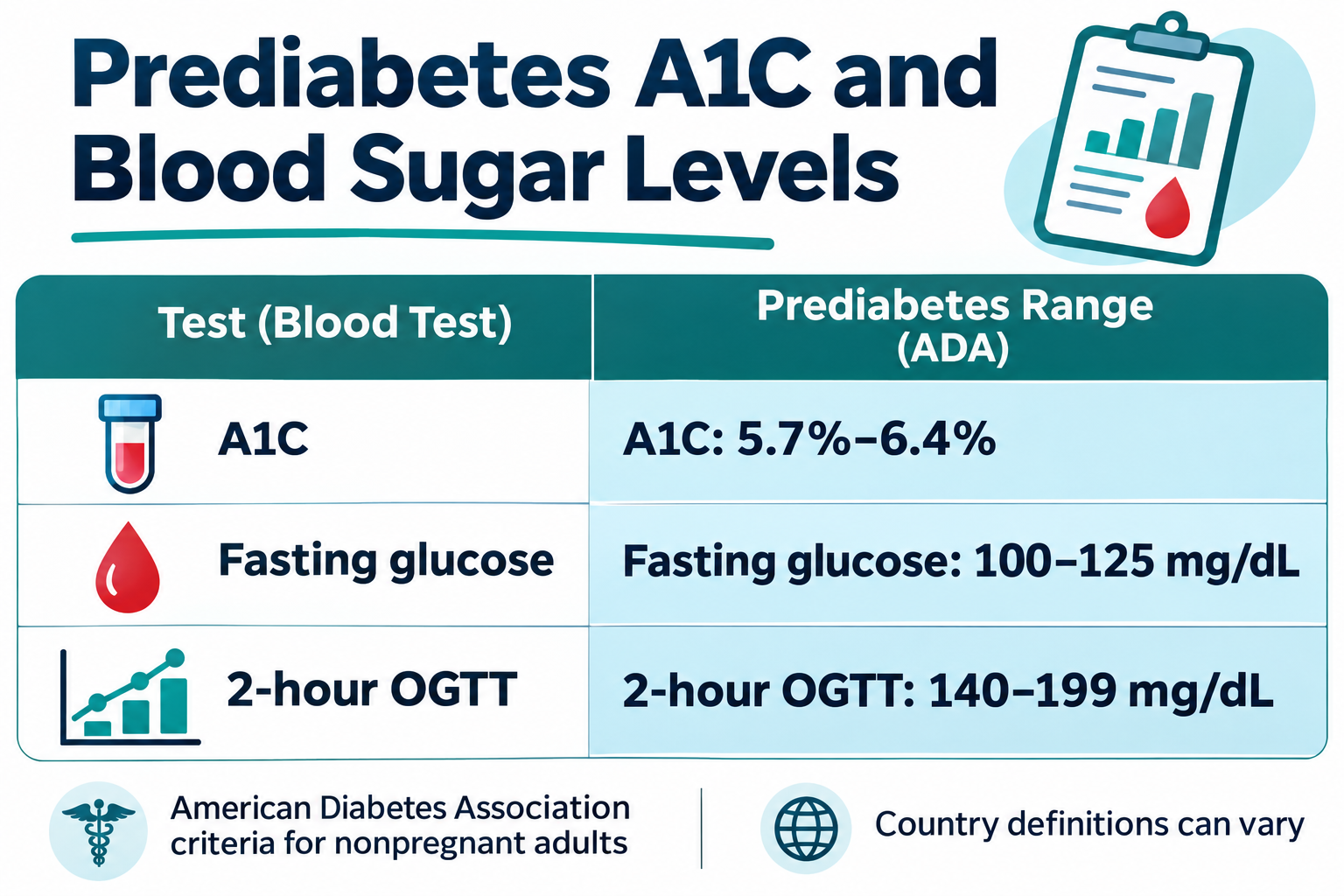
| Lab test | Prediabetes | Diabetes |
|---|---|---|
| HbA1c | 5.7–6.4% | 6.5% or above |
| Fasting plasma glucose | 100–125 mg/dL | 126 mg/dL or above |
| 2-hour 75-g OGTT | 140–199 mg/dL | 200 mg/dL or above |
These are commonly used ADA thresholds. In someone without unequivocal hyperglycemia, diagnosis generally requires two abnormal results from the same or separate samples. If results disagree, the clinician investigates and repeats the appropriate test. For a full explanation, see Diabetes Diagnosis: Which Tests Are Used?.
6. Can a Normal Glucose Reading Miss Diabetes?
A single home reading is not equivalent to a complete diagnosis. Blood glucose varies with food intake, timing, activity, medication and other factors. A person may record a value that looks reassuring at one moment even though a different laboratory test identifies abnormal glucose regulation.
Conversely, one unexpected meter reading does not automatically prove that a person has diabetes. Meters have measurement limitations, and diagnosis generally depends on validated laboratory methods and appropriate confirmation. An out-of-range result should prompt professional follow-up rather than self-diagnosis.
Why HbA1c and glucose tests may disagree
HbA1c describes longer-term exposure, whereas fasting glucose and the OGTT measure glucose under particular conditions. These are not perfectly interchangeable. A physician may repeat the abnormal measurement, evaluate possible interference and consider the overall clinical picture. This is an important content gap in many simplified guides to silent diabetes symptoms.
7. Can Diabetes Cause Complications Before You Feel Sick?
Sometimes. Because type 2 diabetes may develop gradually, a person can be diagnosed after glucose has been elevated for an uncertain period. This does not mean complications are inevitable, but it explains why newly diagnosed adults may receive assessments beyond glucose testing.
A clinician may evaluate blood pressure, cholesterol, kidney health and eye health. Tests for urine albumin and kidney function can identify changes that do not necessarily cause pain. An eye examination can reveal changes before visual symptoms appear. The exact follow-up depends on diabetes type, duration, other medical conditions and professional guidance.
The message should be balanced: no symptoms is not the same as no risk, but neither does an unexpected diagnosis mean permanent injury has occurred. Identifying the condition allows a person and their care team to choose a sensible management and monitoring plan.
8. Is There a Difference Between Silent Diabetes and Prediabetes?
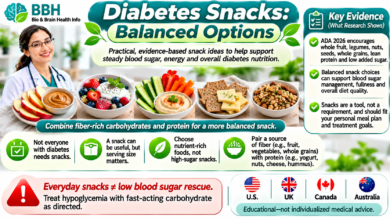
Yes. Both may be difficult to notice, but they refer to different test results. Prediabetes means glucose measurements are higher than normal without meeting the criteria for diabetes. Silent diabetes means diagnostic criteria have been met even though symptoms are absent or unrecognized.
The difference changes the next discussion. Prediabetes usually calls for assessment of risk and preventive interventions. Diagnosed diabetes calls for a more comprehensive treatment and follow-up plan based on the person’s circumstances.
People sometimes use the words “borderline diabetes” loosely. That label can obscure whether a laboratory value actually meets prediabetes or diabetes criteria. Ask the healthcare professional to explain the precise result rather than relying on informal terminology.
9. What to Do if You Are Diagnosed Without Symptoms
An unexpected test result may feel confusing, especially when everyday life has not changed. You do not need to prove that you feel sick in order for the finding to matter. Equally, you do not need to change everything overnight without medical guidance.
- Confirm the result: ask whether your diagnosis requires a repeat test, which results were abnormal and whether test interference is possible.
- Understand the type: most adults with asymptomatic diabetes have type 2, but clinicians consider type 1 or other causes when the pattern suggests them.
- Review cardiovascular and kidney risks: blood pressure, lipids, kidney function and appropriate preventive care may be relevant.
- Discuss a realistic treatment plan: food choices, physical activity, medications if indicated, sleep and follow-up should fit your medical needs and resources.
- Arrange monitoring: agree on future laboratory tests, recommended eye or foot evaluations and when to seek help.
When considering dietary changes, beware of online promises that a single ingredient, juice or supplement will cure diabetes. Evidence-based treatment is more individualized. Some people with type 2 diabetes may achieve remission under a medically supervised approach, but remission is not the same as guaranteed permanent cure.
BBH’s Type 2 Diabetes: Symptoms, Causes and Treatment explains care options in greater detail. The best next step is to review your actual results and treatment goals with a qualified professional.
10. When Should Someone Seek Urgent Care?
An article about symptom-free diabetes must still distinguish routine screening from an emergency. Strong thirst accompanied by repeated vomiting, unusual deep breathing, abdominal pain, confusion or severe drowsiness can indicate serious hyperglycemia or diabetic ketoacidosis. Seek urgent medical assessment in these circumstances.
People with possible type 1 diabetes can become unwell quickly, even if they previously felt healthy. Some people with advanced hyperglycemia may experience severe dehydration or altered mental status. Do not postpone emergency assessment to arrange a routine HbA1c appointment.
If you take prescribed diabetes medicine, never stop it just to discover whether symptoms appear. Medication changes require clinical guidance.
11. A Practical Screening Conversation With Your Clinician
If you feel well but are concerned about risk, a concise conversation can be useful. You might say: “I do not have obvious symptoms, but I have a family history or other risk factors. Would an HbA1c or fasting glucose test be appropriate, and when should I repeat it?”
Bring any previous test reports, relevant medication details and information about previous gestational diabetes or cardiovascular conditions. If you previously had a borderline result, mention the exact value and date. This context helps the clinician select the appropriate test and follow-up.
A helpful explanation should cover which result counts as normal for you, what requires confirmation, and which changes would warrant earlier reassessment. Health decisions become clearer when based on an individualized plan rather than a symptom checklist alone.
12. Frequently Asked Questions About Diabetes Without Symptoms
Can you have diabetes without symptoms for years?
Type 2 diabetes may remain unnoticed for a prolonged period. The exact duration cannot be established from symptoms alone, and early identification through screening is preferable to guessing when glucose first increased.
Can you have diabetes without symptoms at a normal weight?
Yes. Family history, age, metabolic factors and individual susceptibility matter. A normal-looking body size does not rule out diabetes.
Is diabetes without symptoms less serious?
Not necessarily. The absence of symptoms does not tell you the glucose level, complication risk or treatment needs. Those require clinical assessment.
Can fasting glucose be normal while HbA1c is high?
Different tests can disagree. A clinician assesses measurement quality, possible interference and the need for repeat laboratory testing.
Should every healthy young adult test for diabetes?
Not automatically. Screening is guided by age, risk factors, medical history and local recommendations. People with significant symptoms need assessment regardless of age.
Does gestational diabetes usually cause symptoms?
It often has no obvious symptoms, which is why prenatal screening is important even when someone feels well.
Can type 1 diabetes be present before symptoms?
Yes. Presymptomatic stages can be identified through autoantibody-based approaches in selected at-risk groups, usually with specialist guidance.
What is the difference between screening and diagnosis?
Screening looks for an unsuspected condition; diagnosis establishes whether clinical criteria are met, sometimes requiring confirmatory testing.
Conclusion: Feeling Well Is Not a Diagnostic Test
The question can you have diabetes without symptoms has a clear answer: yes. A person can feel entirely normal while laboratory tests reveal diabetes, particularly when type 2 diabetes develops gradually. That is why relying only on thirst, fatigue or weight changes can miss an opportunity for earlier detection.
The practical response is neither alarm nor unnecessary testing. It is to understand personal risk, follow appropriate screening guidance and review abnormal results with a healthcare professional. When diabetes is detected, individualized treatment and follow-up can help manage glucose and associated health risks.
If you are unsure where to begin, explore the Early Signs of Diabetes guide and BBH’s Support & Resources page.
Scientific References